

ARANDU PORÃ
GUARANI LIVING SCHOOL
Territory: Ribeirão Silveira Indigenous Land, the territory has 948 hectares approved and has been in the process of being extended for years, with the ordinance having been declared for 8,468 hectares, now bordering three municipalities: Bertioga, São Sebastião and Salesópolis.
Population benefited: 50 people directly, and 400 people from the Guarani Mbya people indirectly
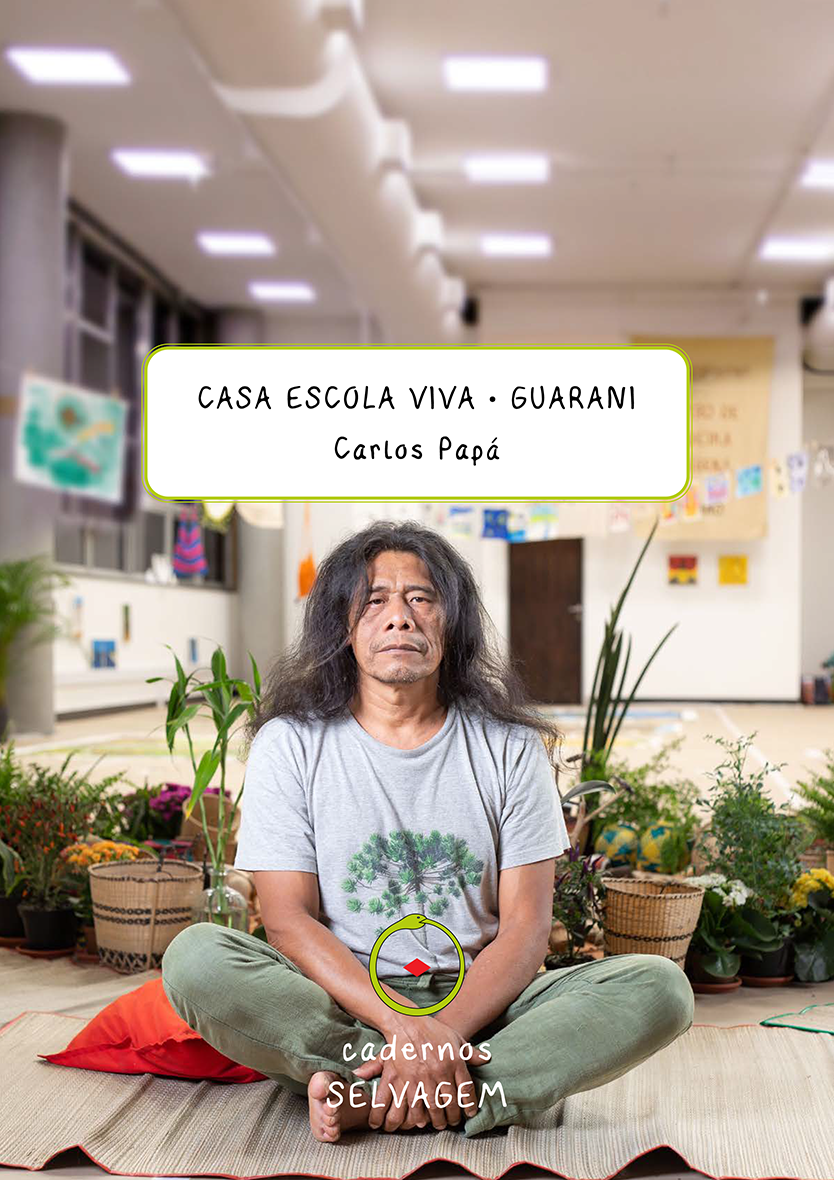
Coordinator: Carlos Papá
Monthly support: workshops, maintenance of the prayer house and plant nursery, as well as support for families involved in the school's activities.
THREAD OF MEMORY
Filter


ABOUT THE GUARANI LIVING SCHOOL
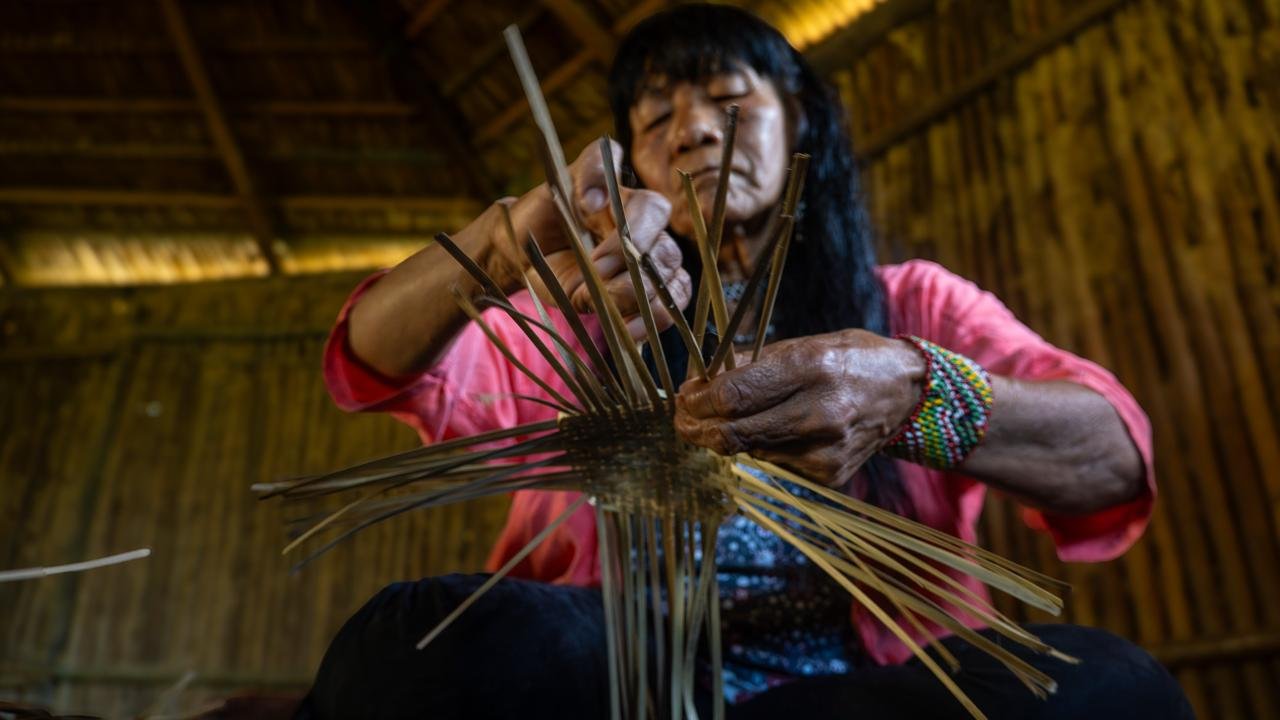
At ARANDU PORÃ, name of the Guarani Living School, young people have begun to awaken their dormant memories. Ancestral practices are in dialogue with agroforestry techniques, bee cultivation and an Essence House.
In this territory, where the Guarani language is dominant, children and young people find at the Living School a place to learn the stories of their people, practise their art and science.
The GUARANI PEOPLE inhabit the southern region of South America in a vast territory that overlaps the territories of Paraguay, Brazil, Argentina, Uruguay and Bolivia. The GUARANI call this entire region YVY RUPA. In the territory of Ribeirão Silveira [Silveira River], where ARANDU PORÃ is located, young people are beginning to realise the importance of the LIVING SCHOOL and, through this dialogue, have begun to sing things that were lost many years ago.
The LIVING SCHOOL is a tool for bringing back this ancient education, an education in respect, an education in health, an education in walking, an education in talking, an education in looking.

COORDINATOR
Carlos Papá Mirim Poty belongs to the Guarani Mbya people. He lives in the village of Rio Silveira, located on the border between the municipalities of Bertioga and São Sebastião, and is a guardian of the sacred Guarani words. Over the last few years, Papá has been sending messages to the world about the importance of valuing and respecting the Nhë'ery, the Atlantic Rainforest. Through Ayvu Porã, the good and beautiful words, he transmits the philosophy and ancestral memory left by his grandparents. He has been working with audiovisuals for over 20 years, cultivating the memory and history of his people through cultural workshops with the young. He also acts as a spiritual leader in his community, being familiar with the plants that heal and guide our journey. He is a representative of the Guarani Yvy Rupa Commission and also a founder and counsellor of the Maracá Institute. There have been numerous projects and events in which he has participated and to which he has been invited in recent years, such as: the World Indigenous Peoples' Games in Tocantins in 2015; the Mekukradjá - Circle of Knowledge debate cycle at Itaú Cultural; various film screenings, exhibitions and festivals, such as Aldeia SP - Indigenous Film Biennial, the Tela Indígena Festival in Porto Alegre and the Festival of Indigenous Cultures at the Memorial da América Latina in São Paulo. He was the curator of rec.tyty - Festival of Indigenous Arts. He took part as an artist in the Moquém-Surari exhibition at the São Paulo Museum of Modern Art (MAM-SP) during the 34th São Paulo Biennial.
"Through the Living School I've been able to have an experience with the elderly about
the importance of life and how important it is to value the knowledge of our tradition and, with a lot of effort, this has been practised. Today, young people are seeking out the cultural centre more when they want to talk, talk about their dreams, draw and learn more about the stories. A small part of the community and I recognise ourselves as a living school. A larger part does not understand yet, but I believe that, with time, they will."
Carlos Papá
AUDIOVISUAL
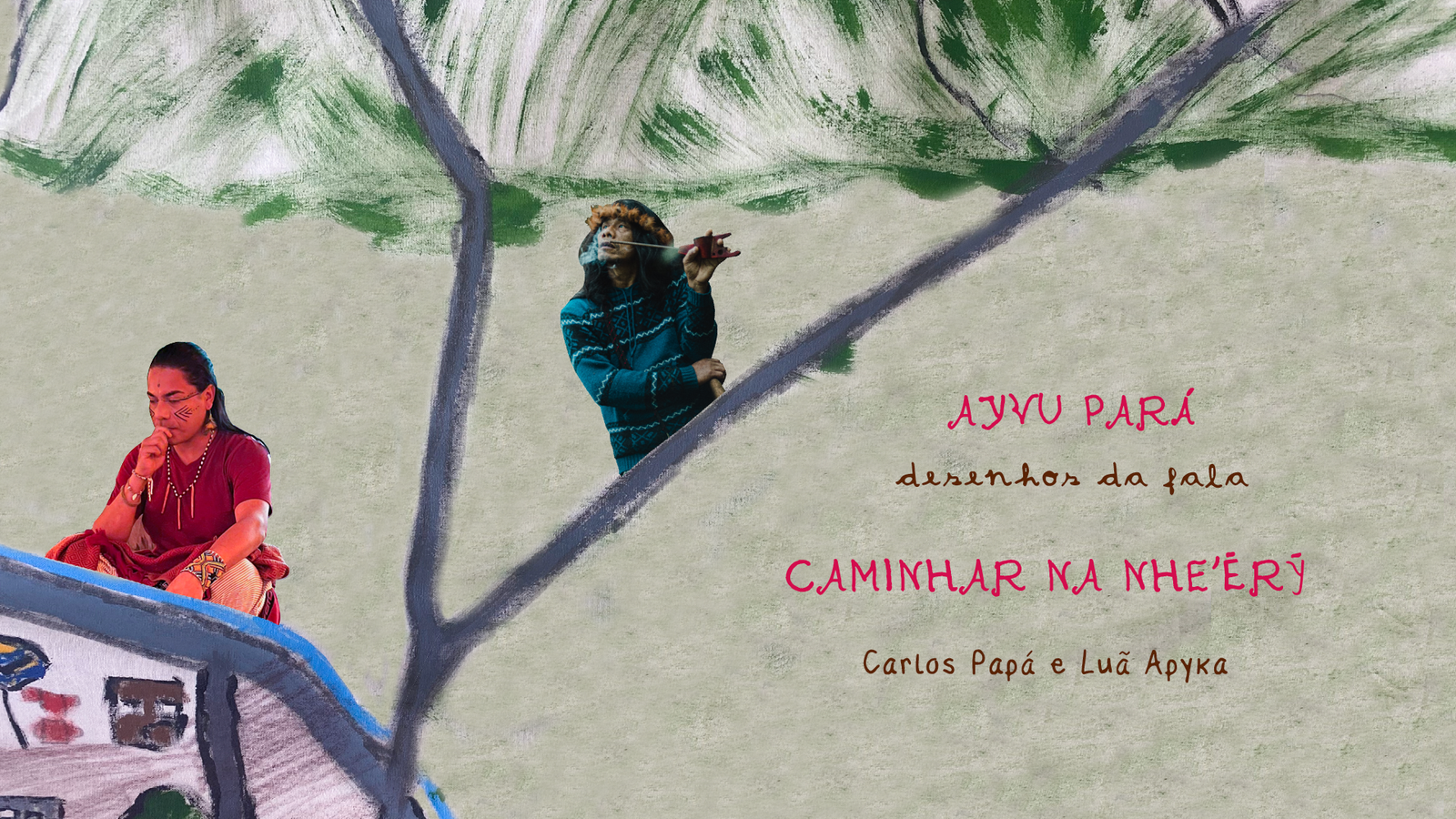
Nhe’ëry series with Carlos Papá

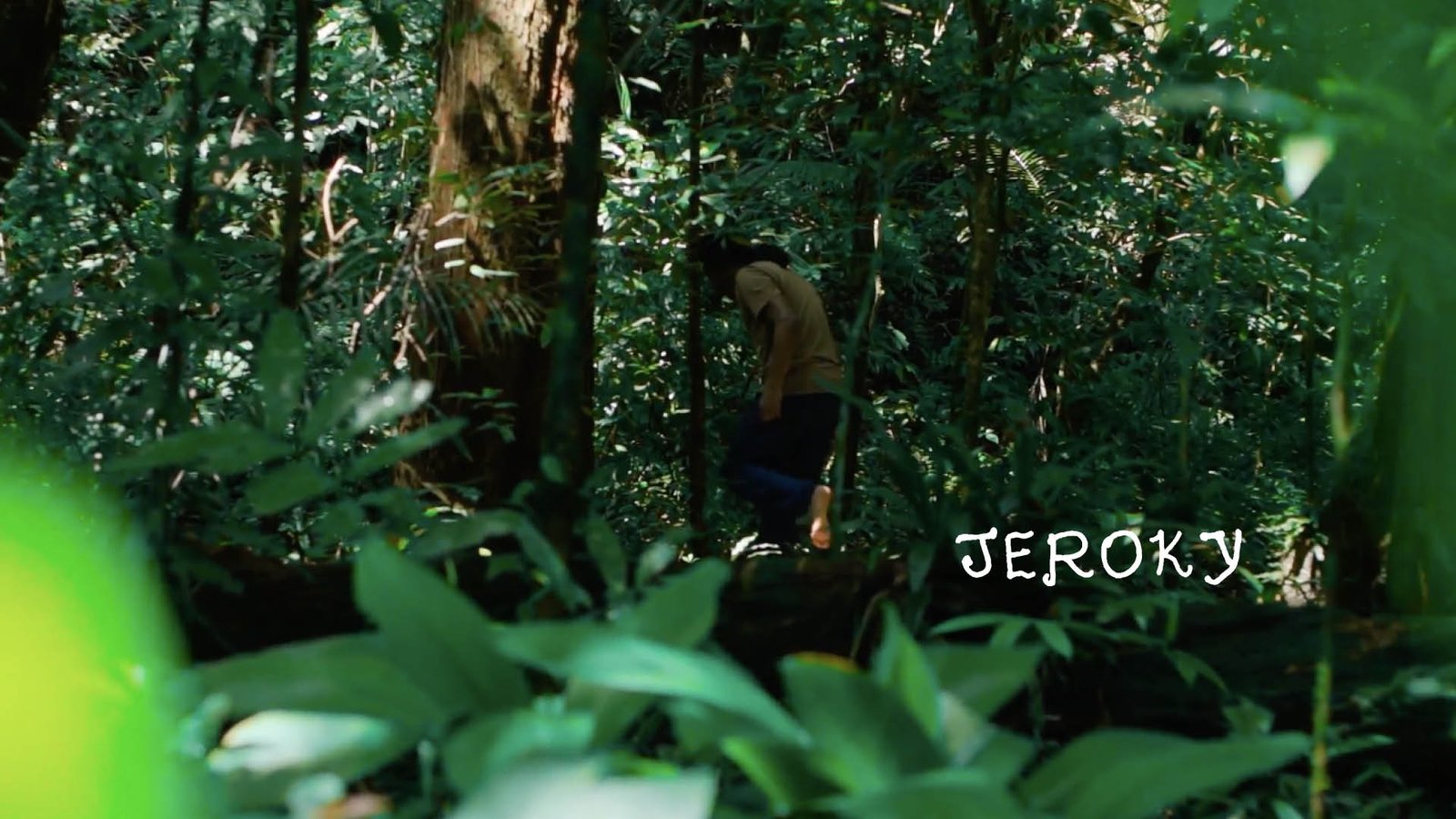
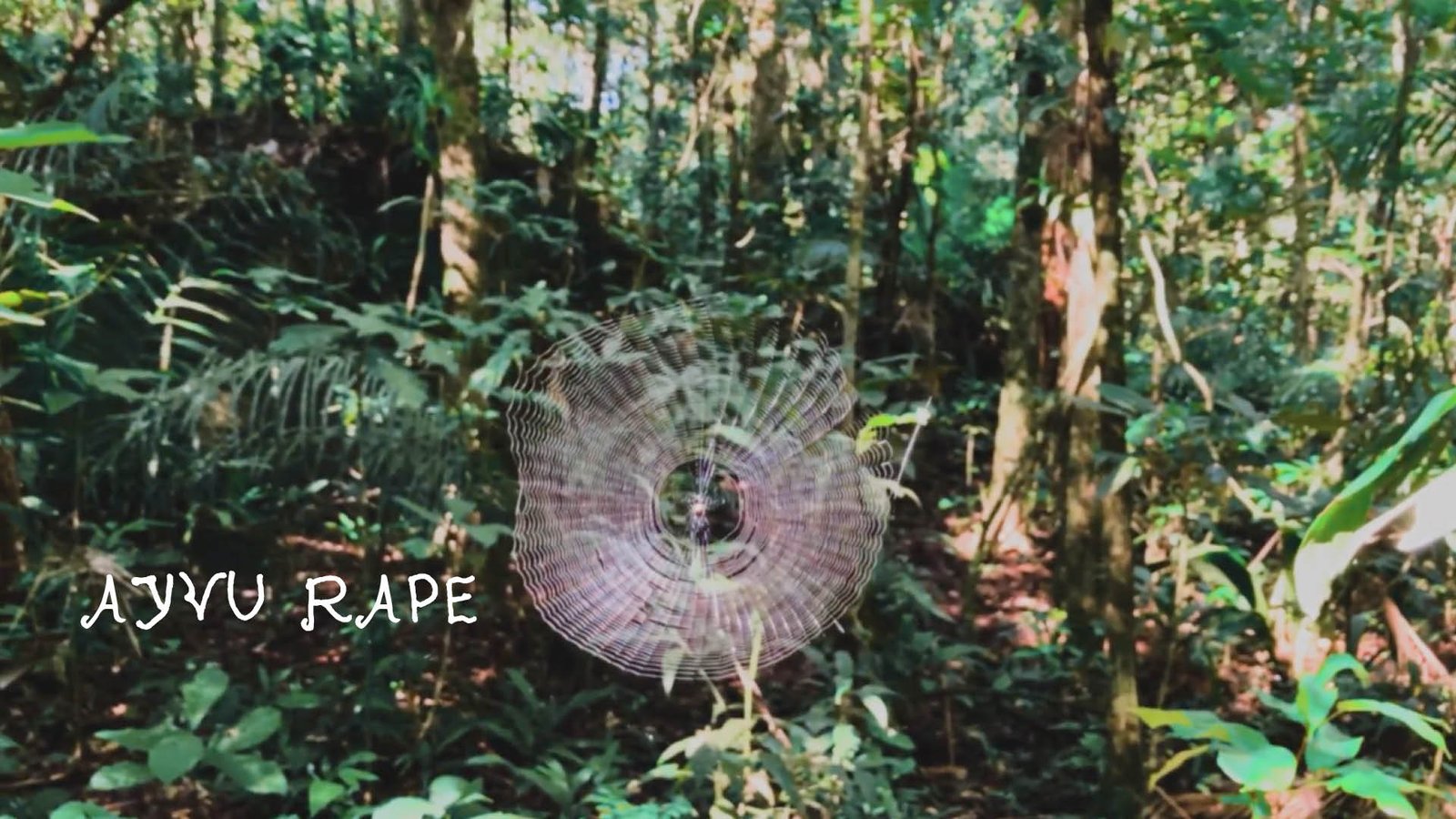
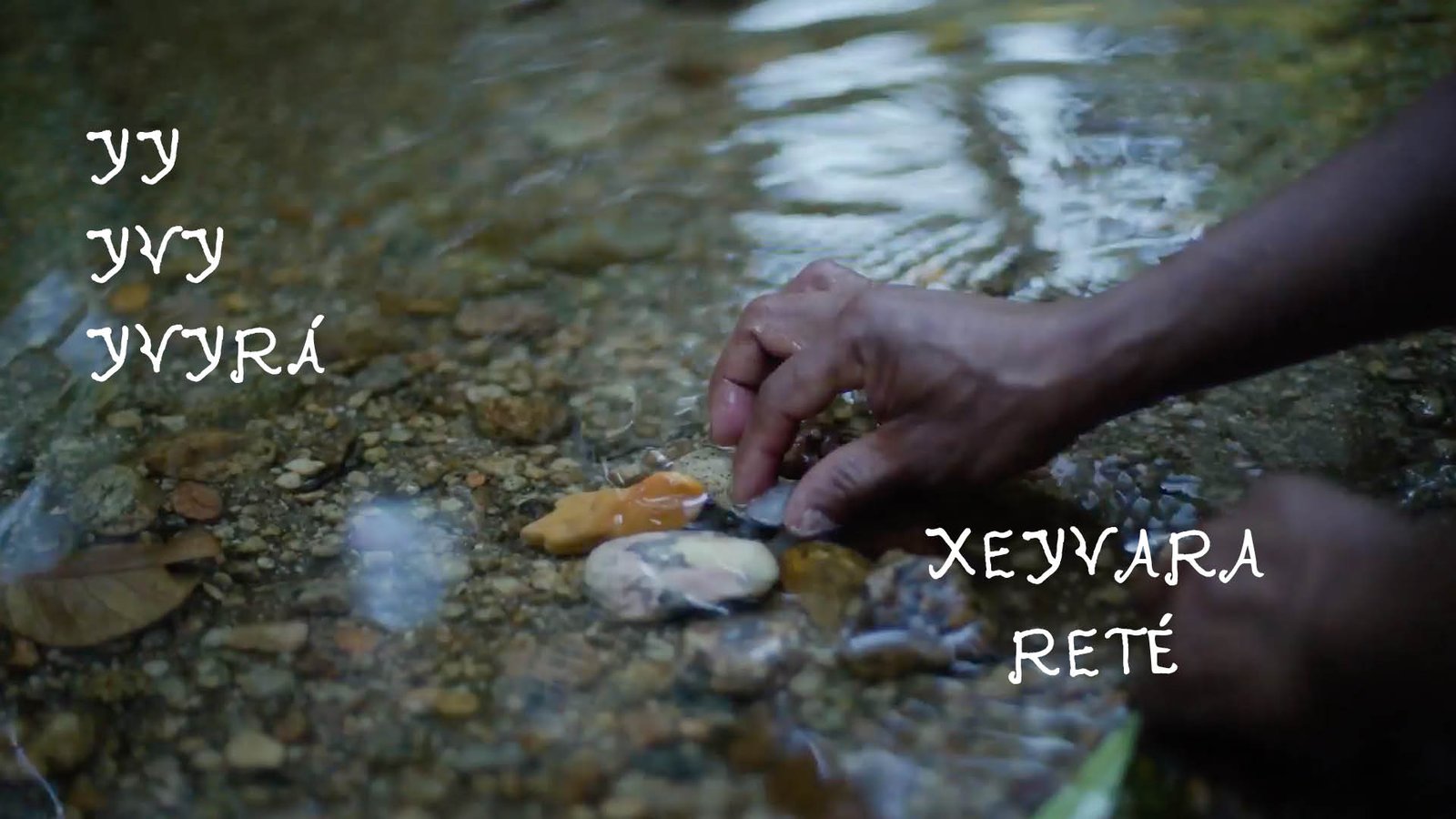
Ayvu Pará – Nhe’ëry study cycle

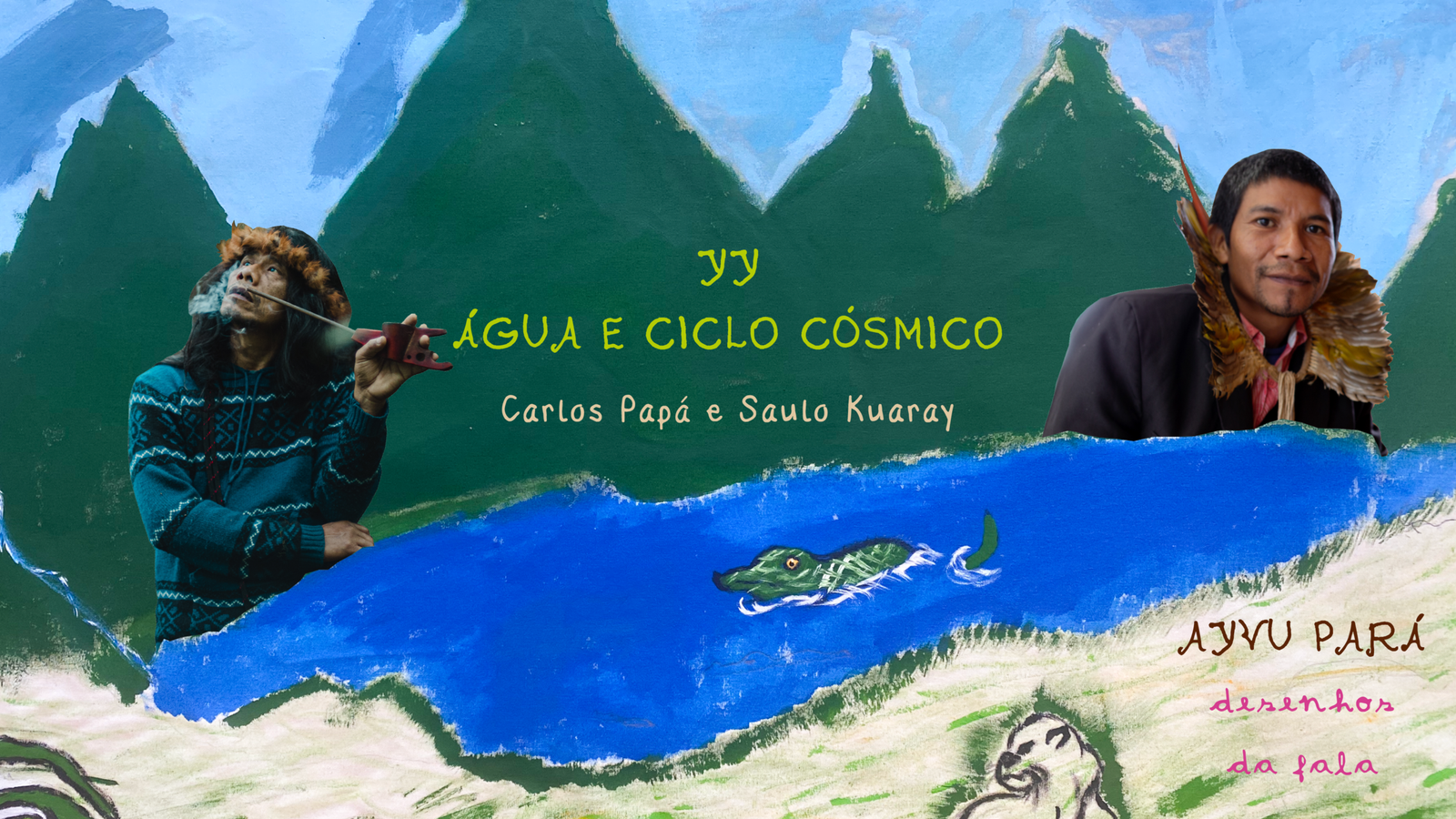
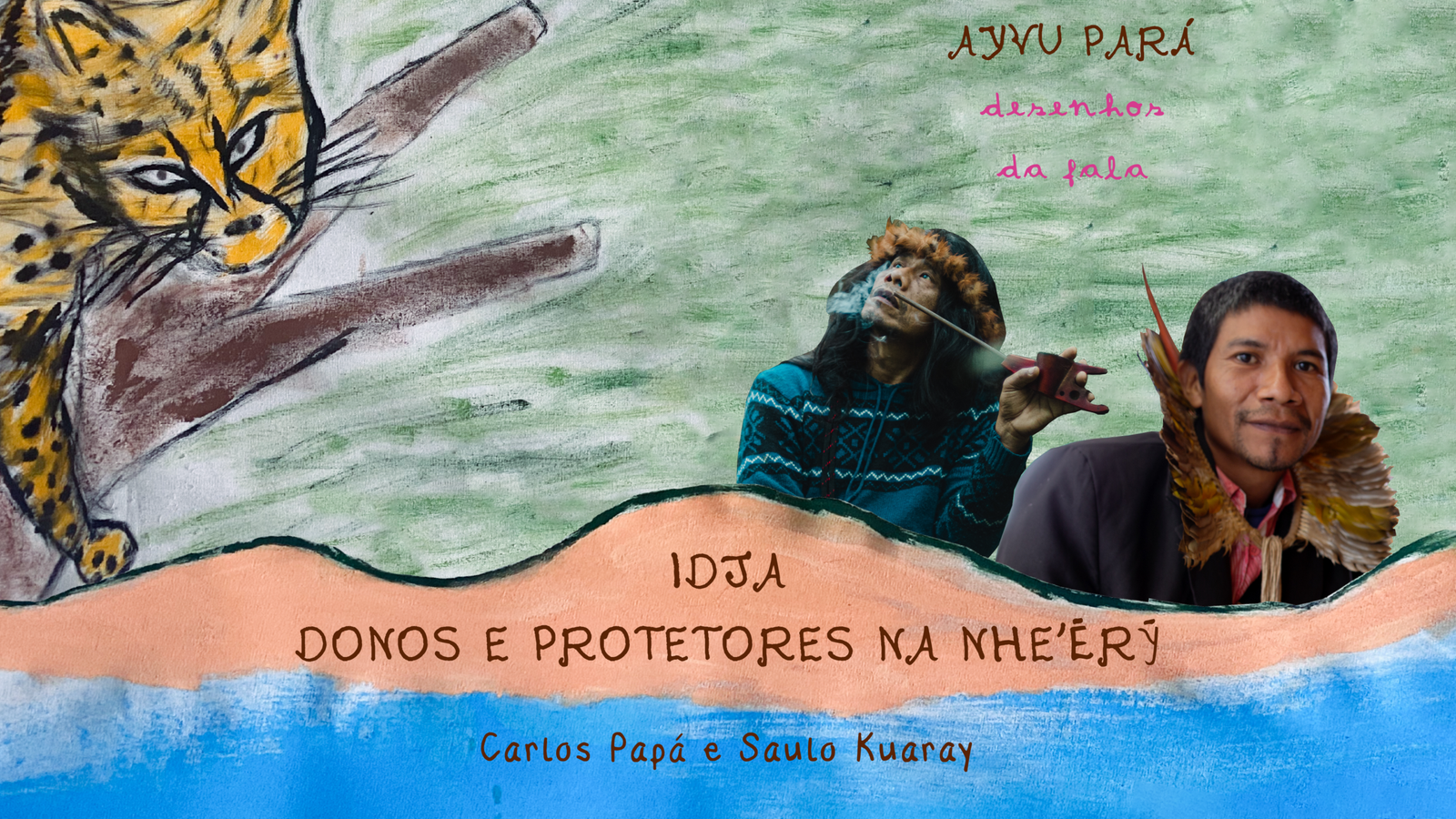
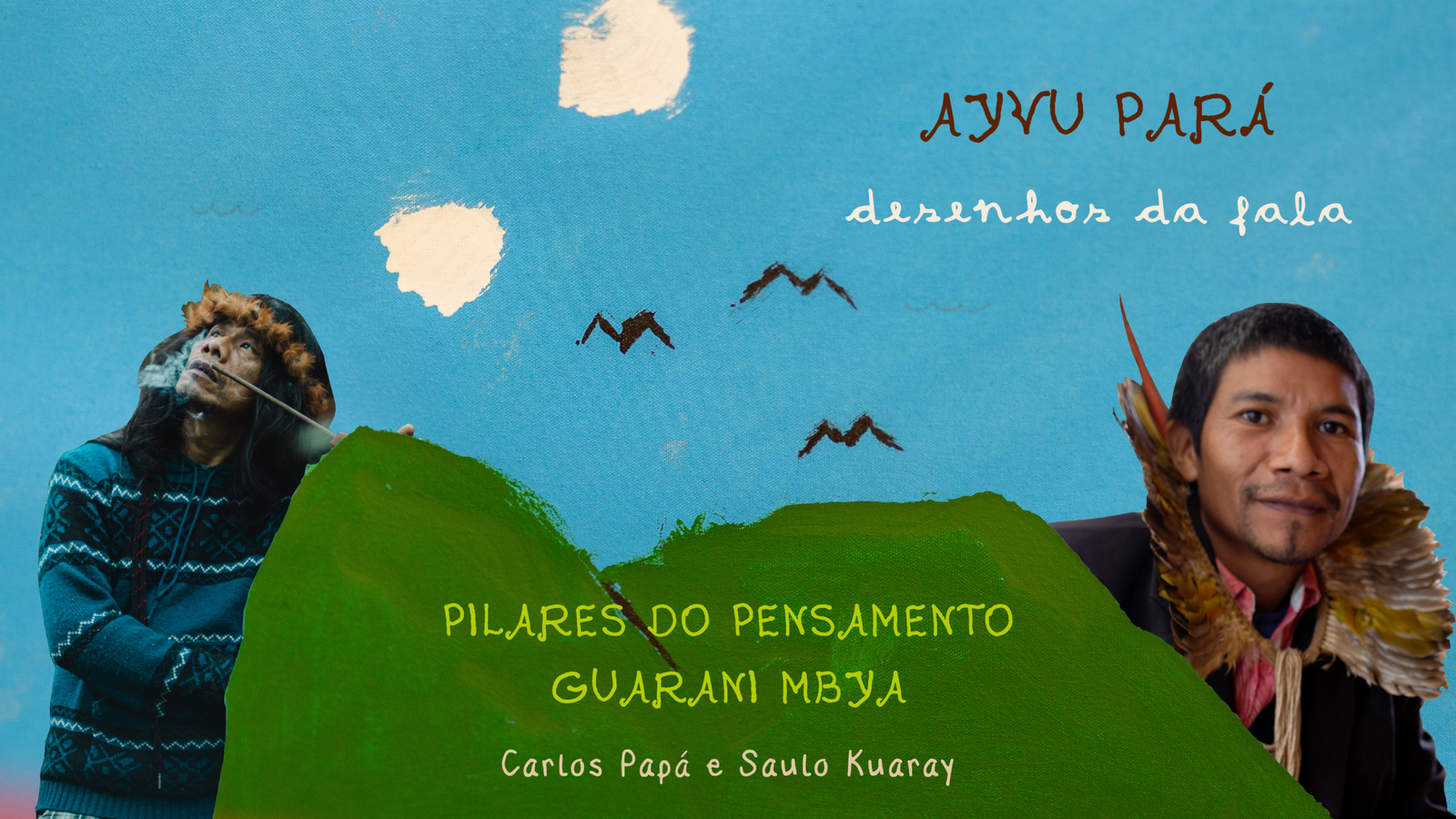
6 – FRUITS AND BEINGS IN NHE'ẼRY – Carlos Papá, Ivanildes Kerexu and Cristine Takuá
7 – NAMES OF INDIGENOUS PEOPLES IN NHE’ẼRY – Carlos Papá and Catarina Tupi-Guarani
8 – TOPONYMS AND MEANINGS – Carlos Papá and Catarina Tupi-Guarani
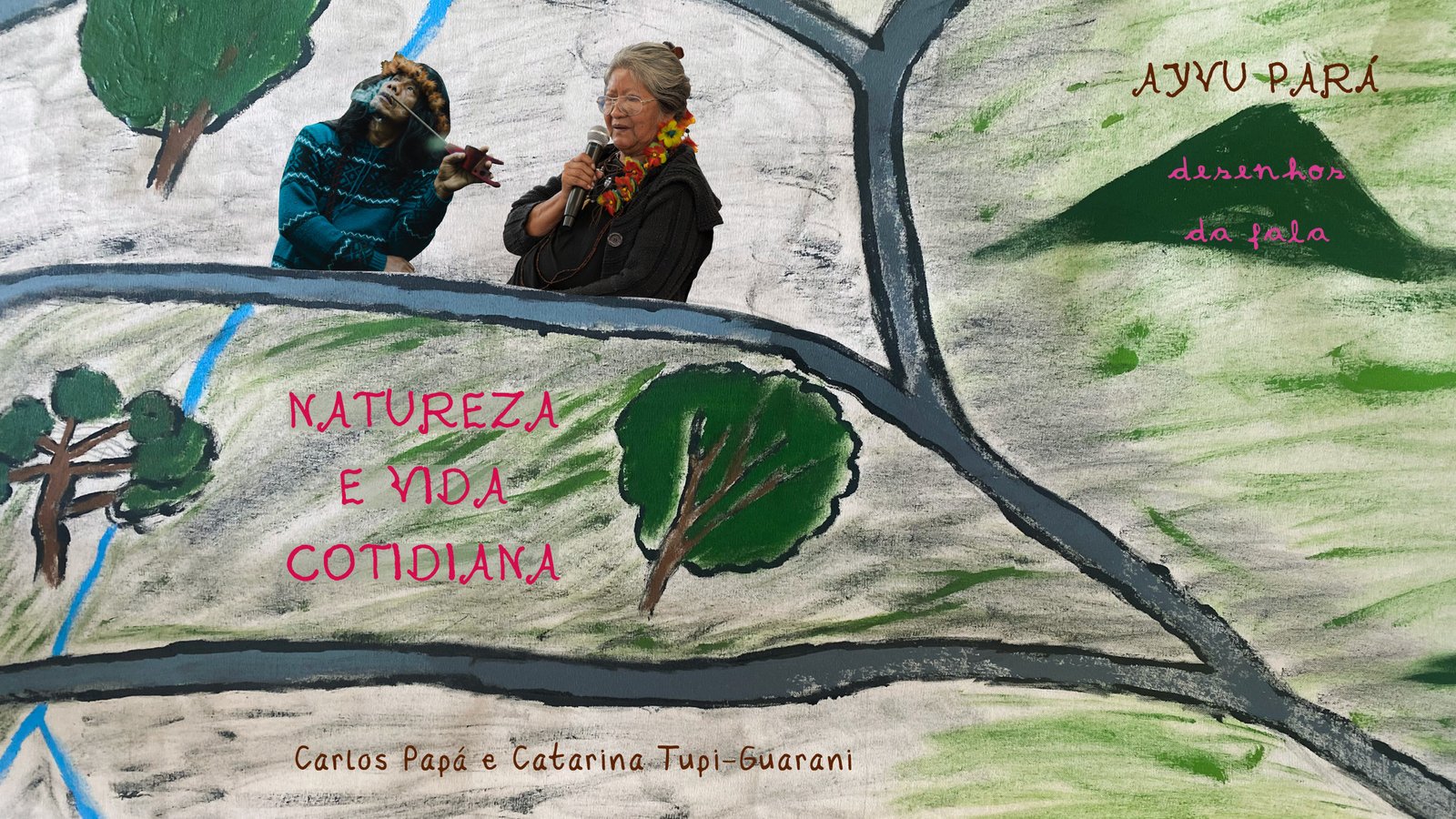
9 – NATURE AND DAILY LIFE – Carlos Papá and Catarina Tupi-Guarani
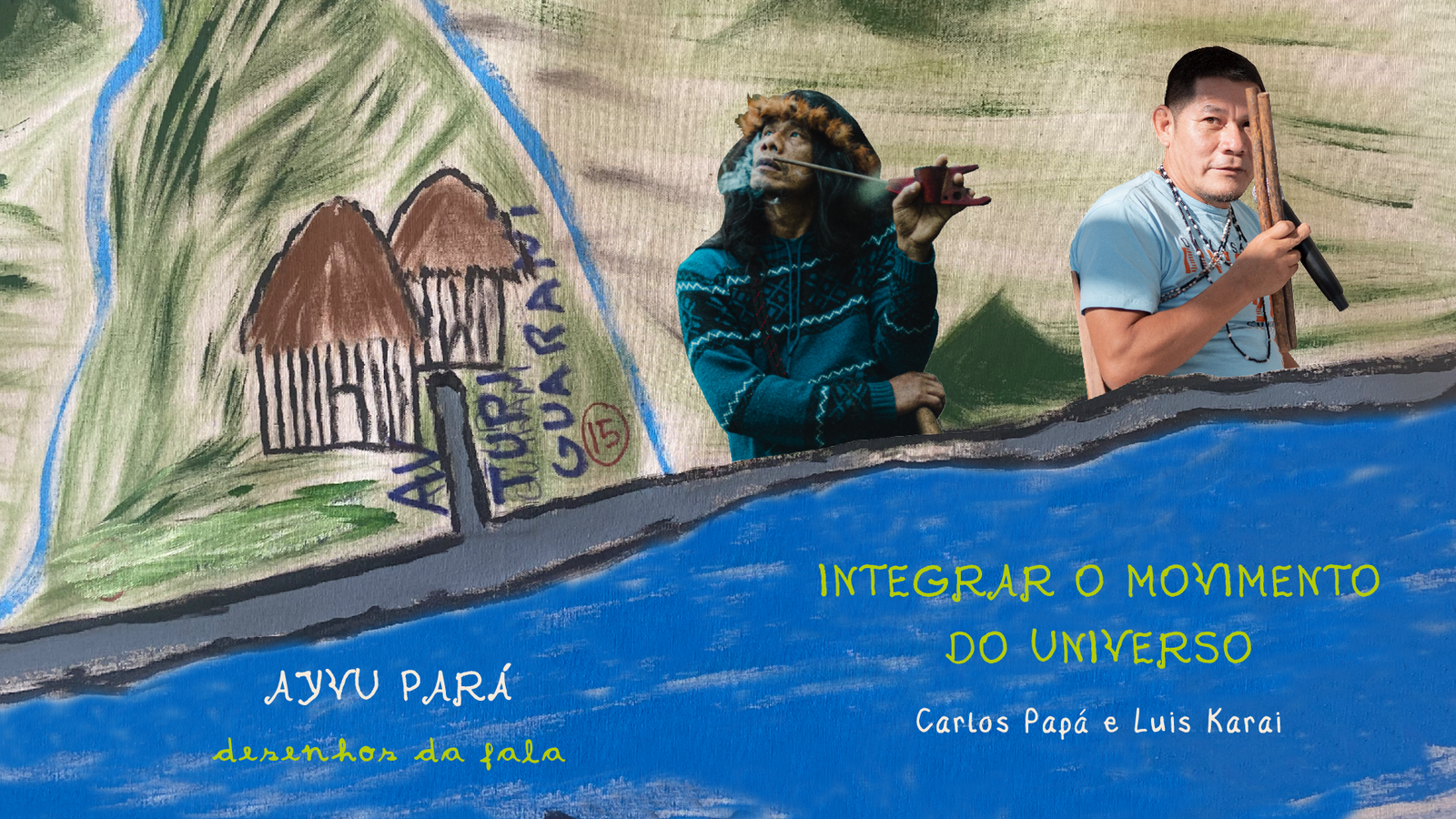
10 – TO INTEGRATE THE MOVEMENT OF THE UNIVERSE – Carlos Papá and Luis Karai
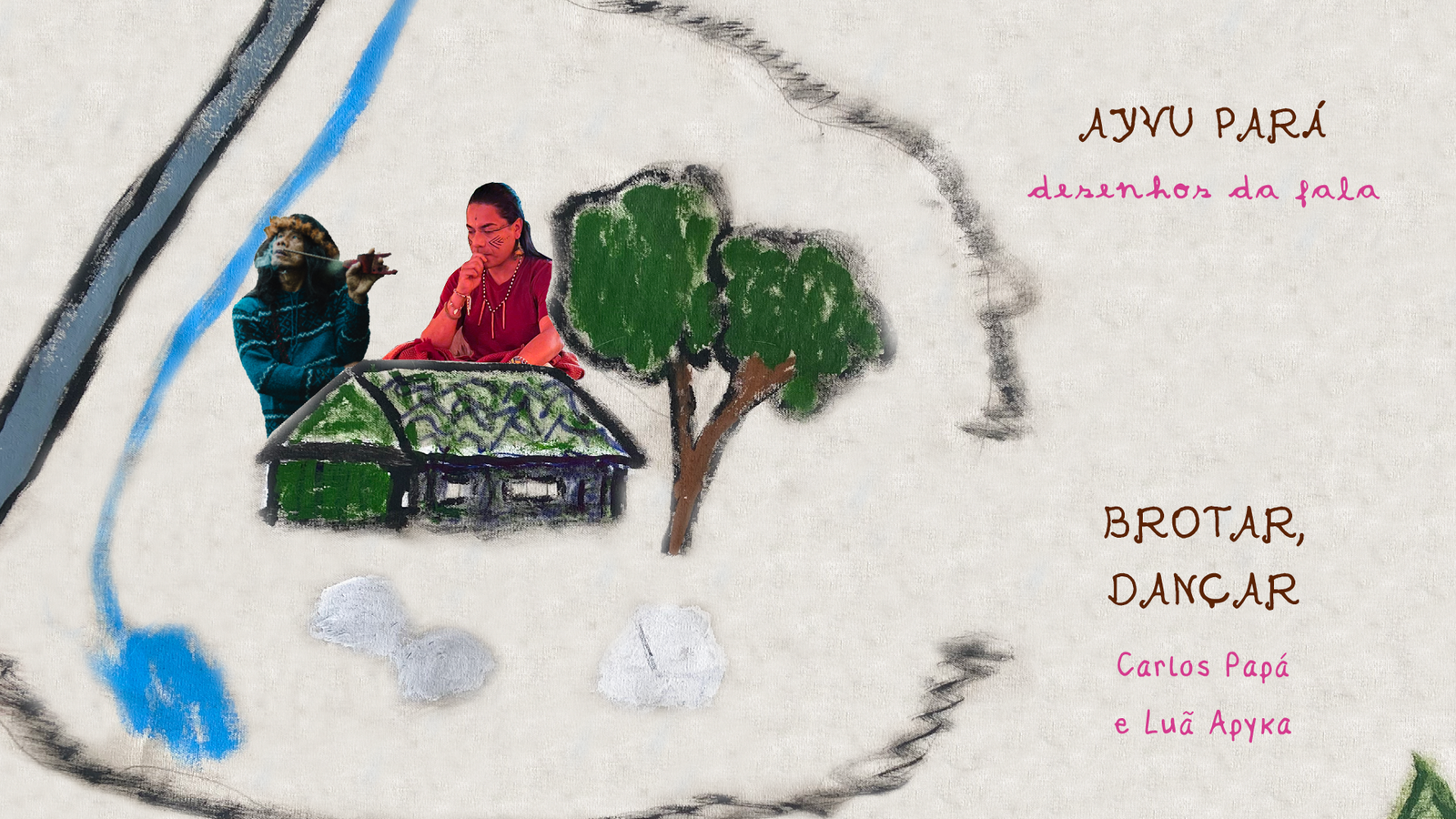
11 – TO SPROUT, TO DANCE – Carlos Papá and Luã Apyká
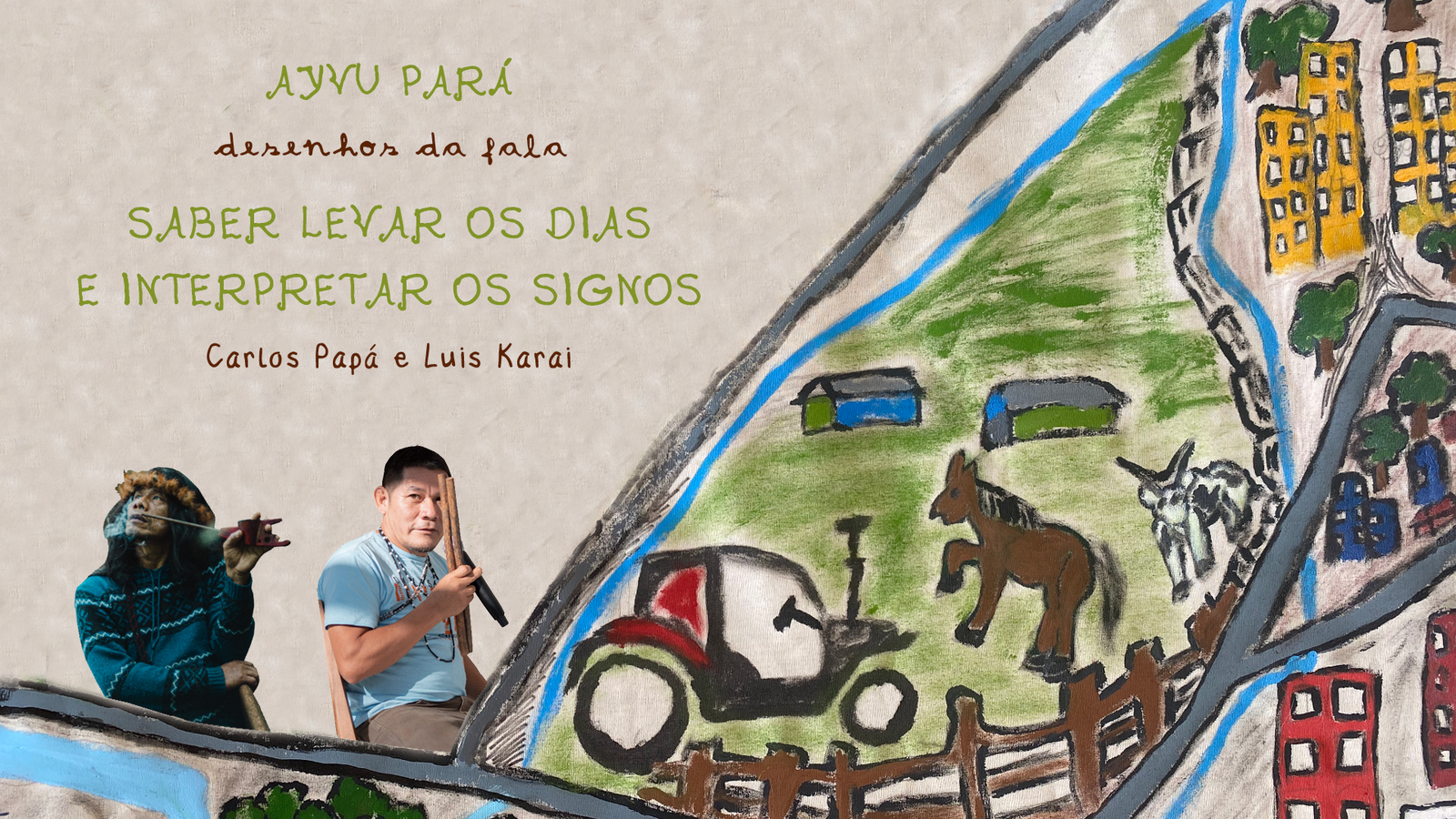
12 – KNOWING HOW TO LEAD THE DAYS AND INTERPRET THE SIGNS – Carlos Papá and Luis Karai
More films



BOOKS

Tekoypy rã – The origin of us
Carlos Papá
2026
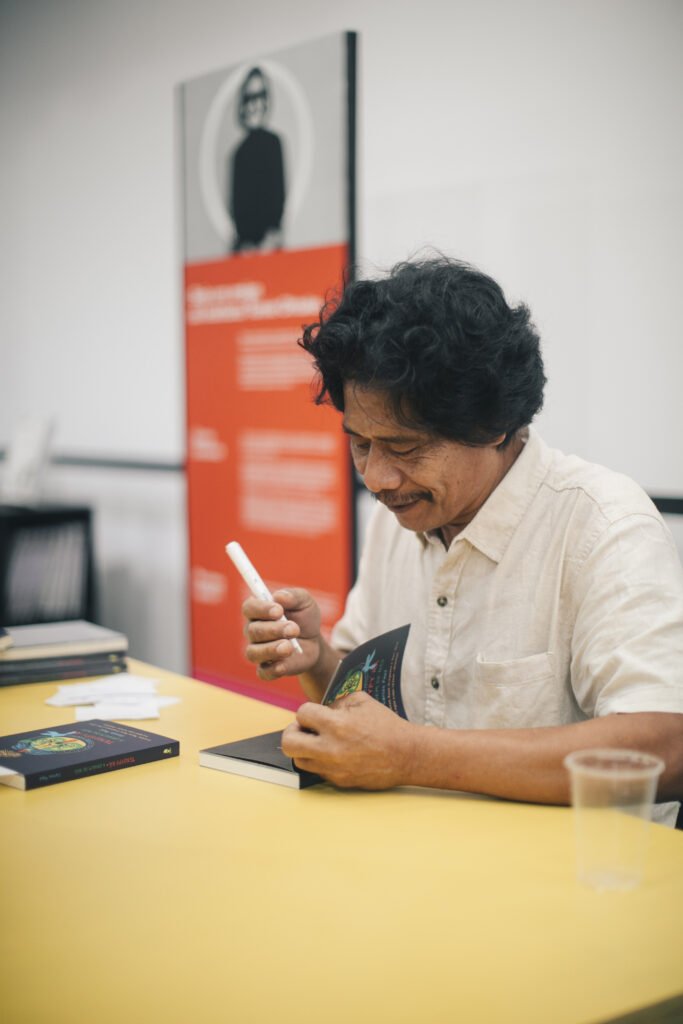
“Tekoypy rã – A origem de nós” [Tekoypy rã – The Origin of Us] is a book that has been dreamed of since Carlos Papá started collaborating with Selvagem in 2018. It brings together and deepens concepts that he has generously shared from his perspective on the Guarani worldview. The book originates from oral tradition and includes contributions from his family and other participants from the Guarani Living School, which he coordinates. Papá conceived the book as a journey. Through spoken words, recorded especially for this edition, he narrates the unfolding of life. Cristine Takuá, Kauê, Djeguaka, and Suri Jera accompanied him throughout this journey, creating illustrations. Léo Werá translated the book, both from Guarani to Portuguese and from Portuguese to Guarani. He collaborated with Papá to ensure the book serves as a kind of Guarani lesson or a profound dialogue interpreting words and names.
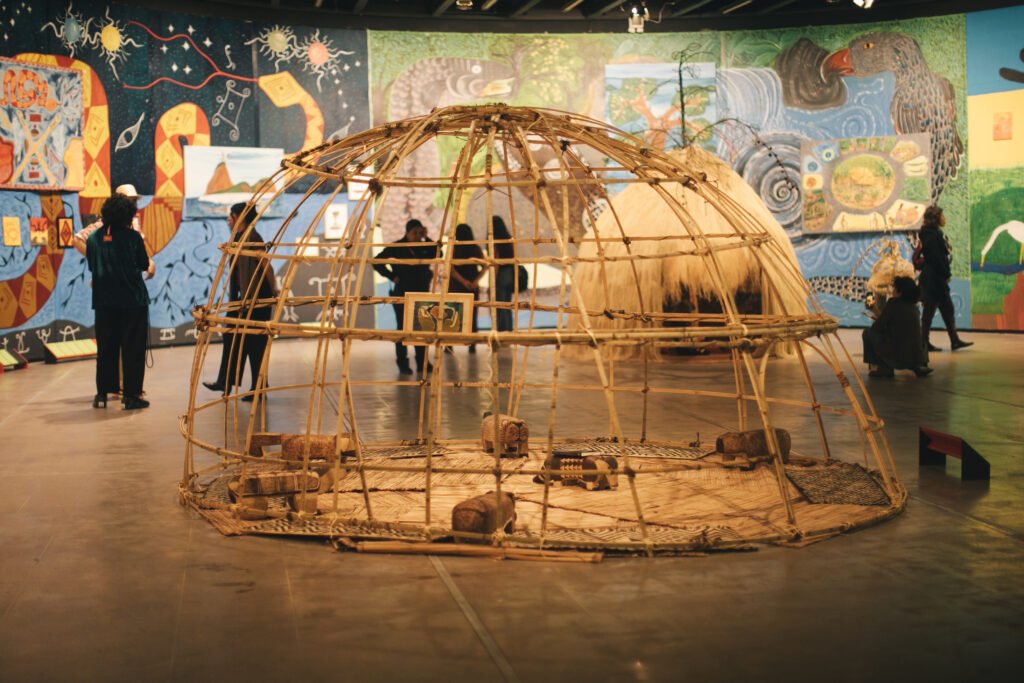
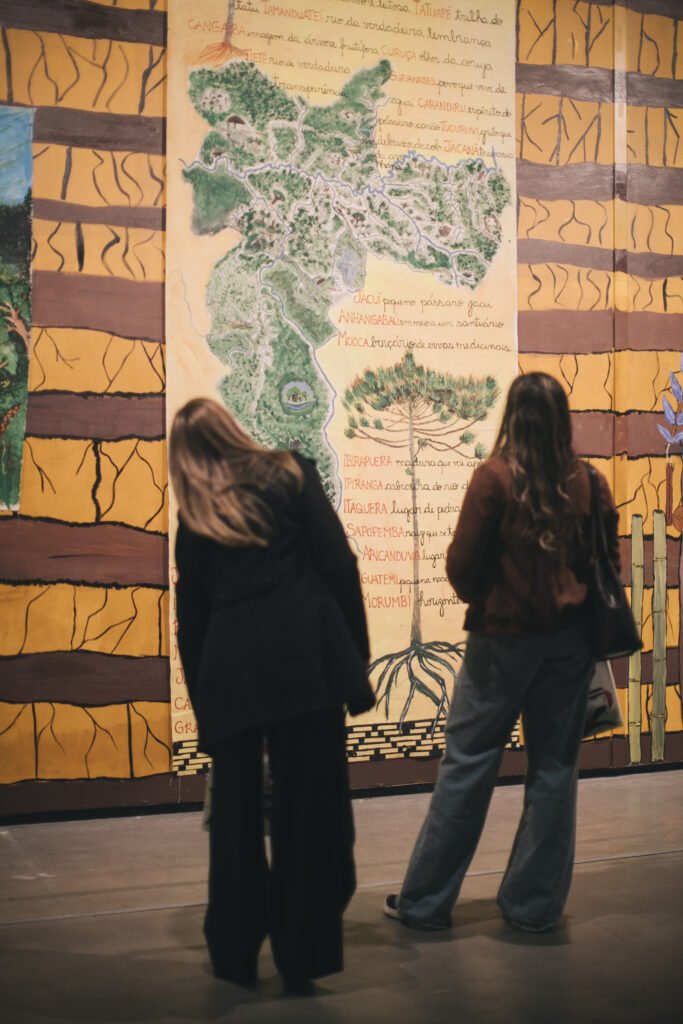
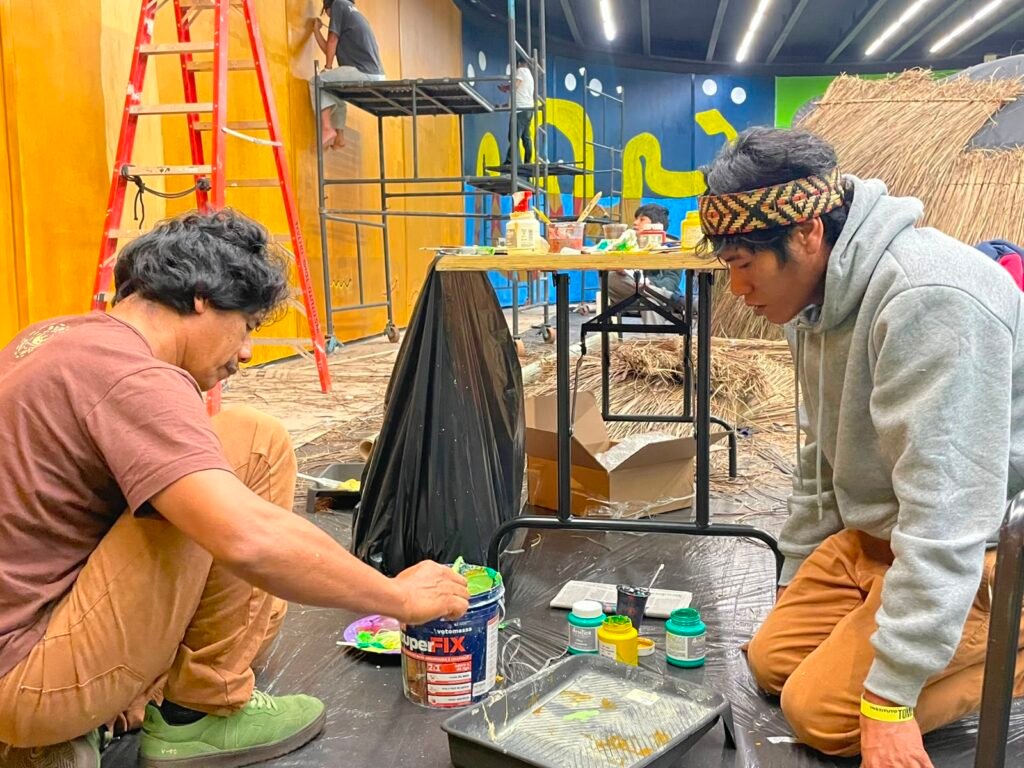
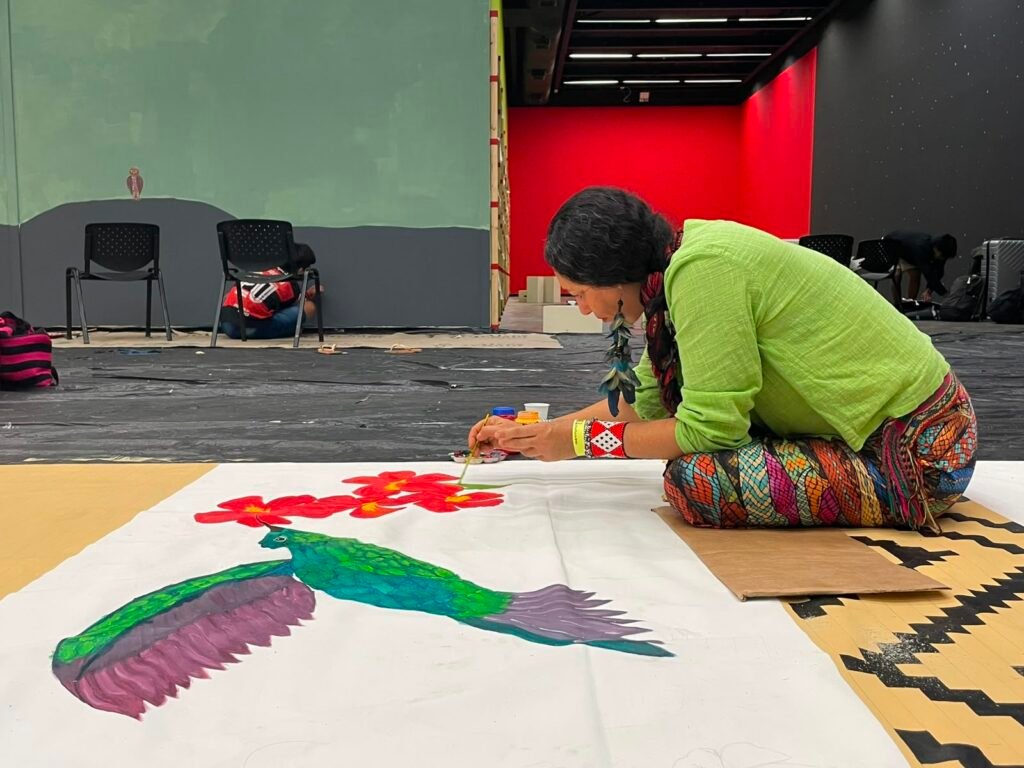
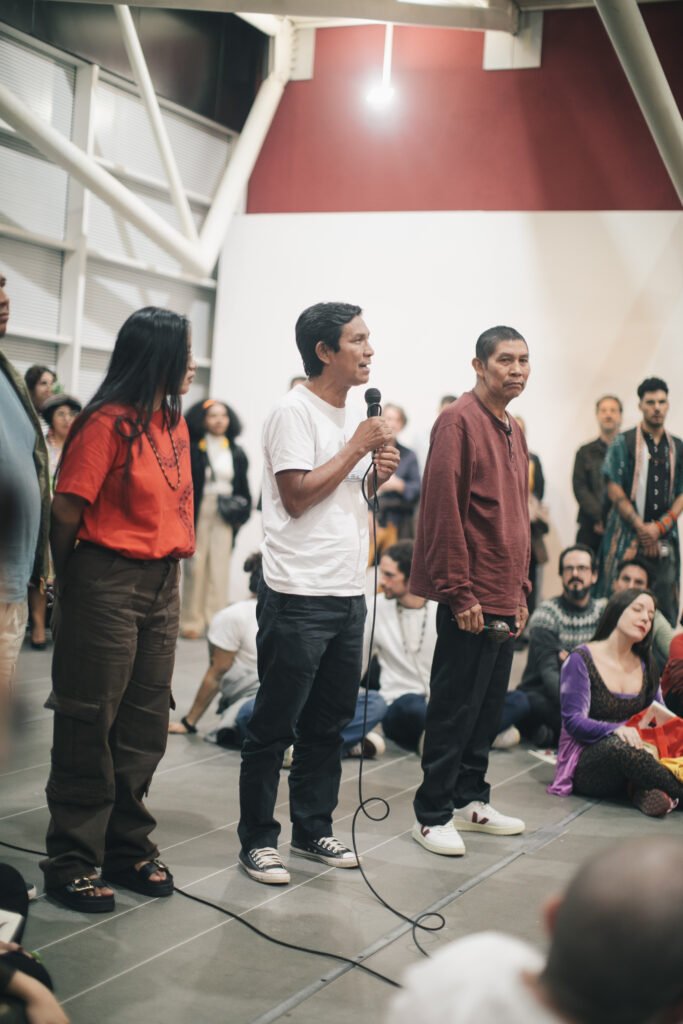
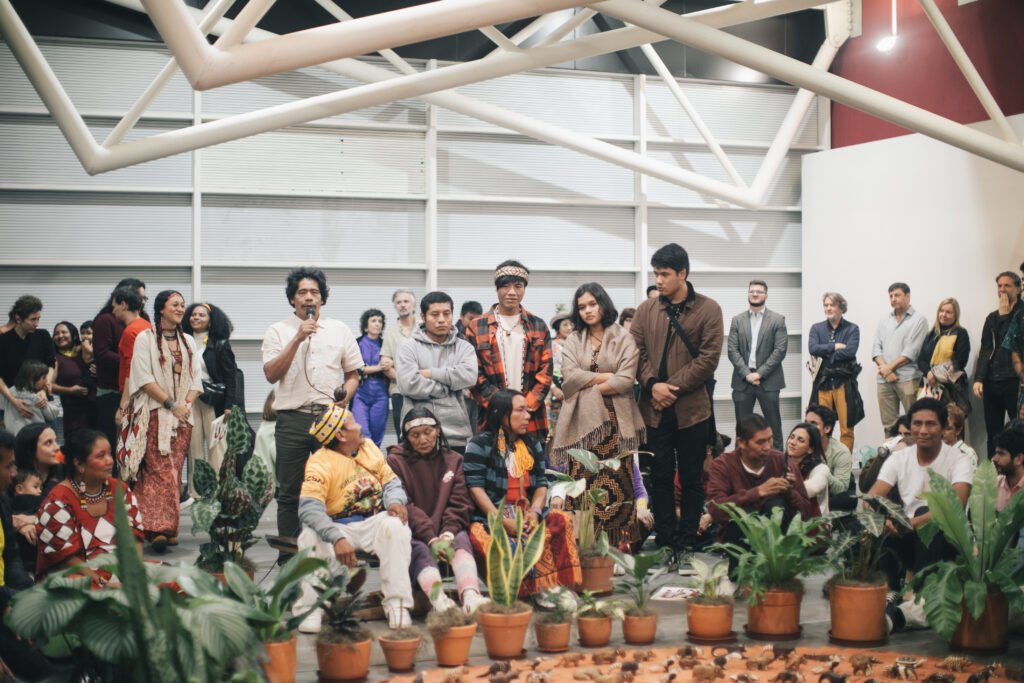
‘Long Live the Living School’ exhibition at the Tomie Ohtake Institute and launch of the book ‘Tekoypy rã – The Origin of Us’
Em junho de 2026, foi inaugurada a segunda edição da exposição Viva Viva Escola Viva, no Instituto Tomie Ohtake, em São Paulo, com a presença de telas e uma instalação feita por artistas da Escola Viva Guarani. Na ocasião, também foi lançado o novo livro de Carlos Papá, coordenador da Escola Viva Guarani: “Tekoypy rã – A origem de nós”. Saiba mais na notícia “LONG LIVE THE LIVING SCHOOL: a new exhibition of thought“.
Food and medicinal herb cultivation
One of Arandu Porã’s work fronts is the cultivation of food and medicinal herbs for the benefit of the village's community, alongside the agroecological management of the territory. These activities involve the younger members in collective work projects and day-to-day care, serving as a means of passing on knowledge through everyday practice.


Community building projects
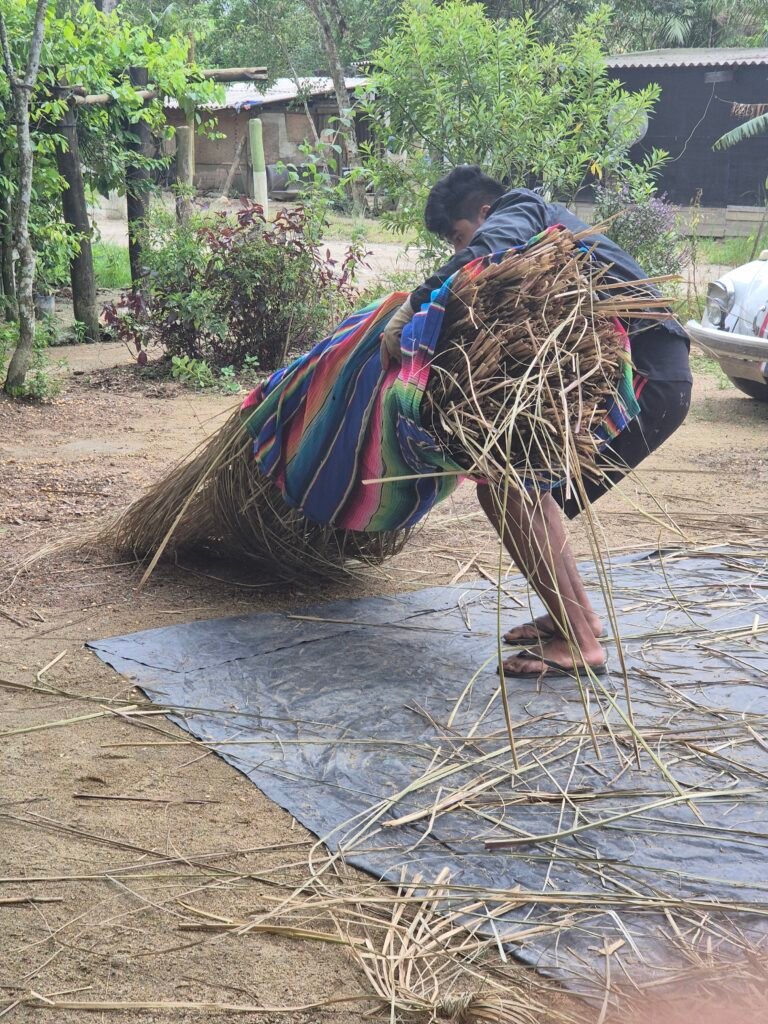
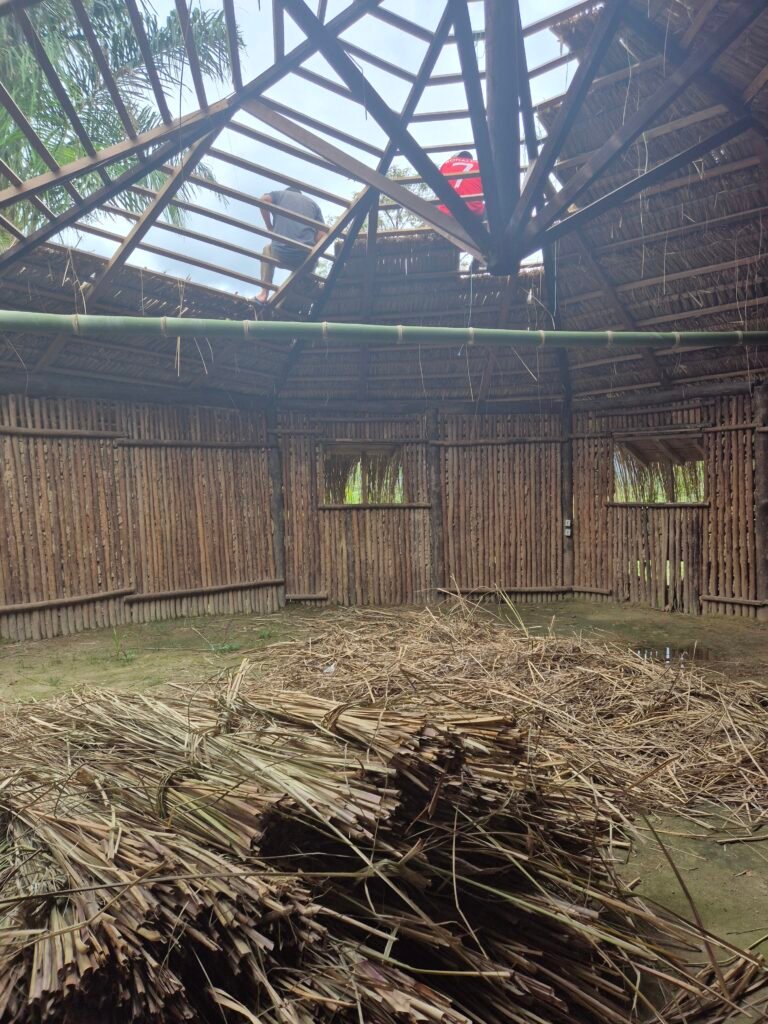
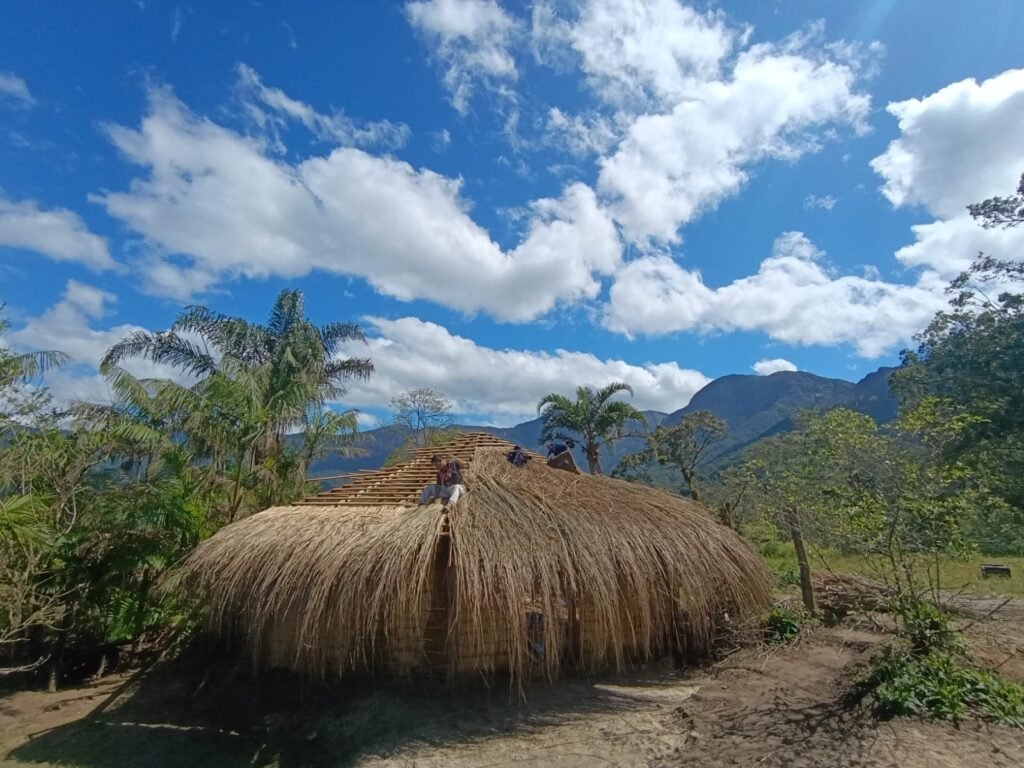
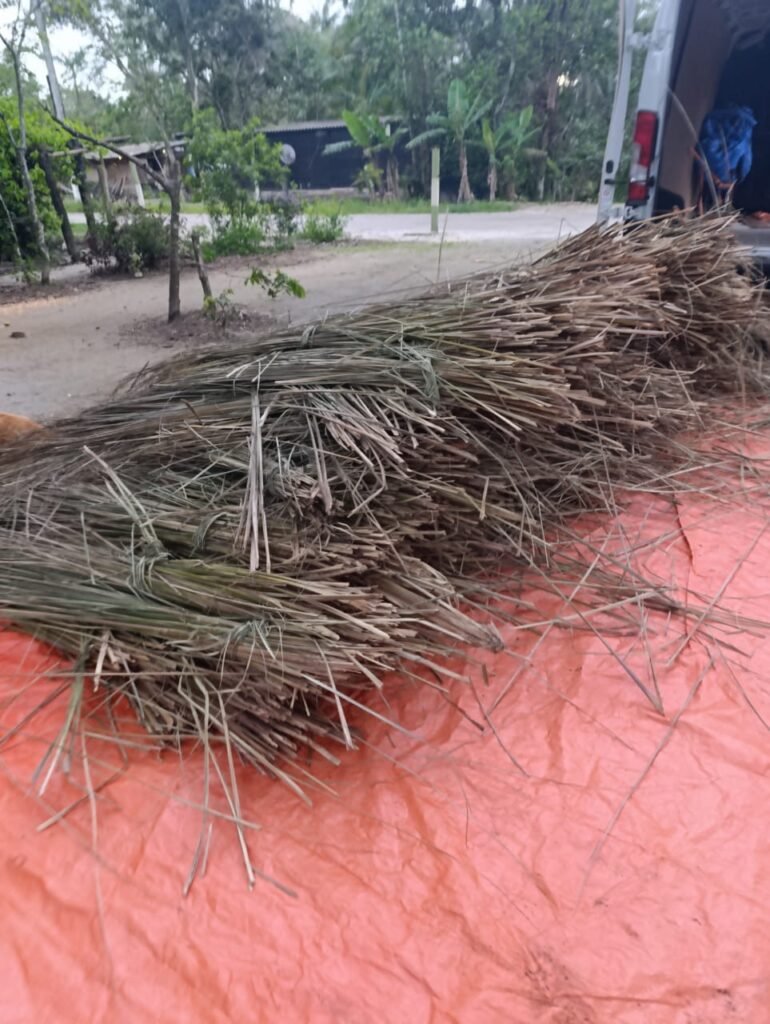
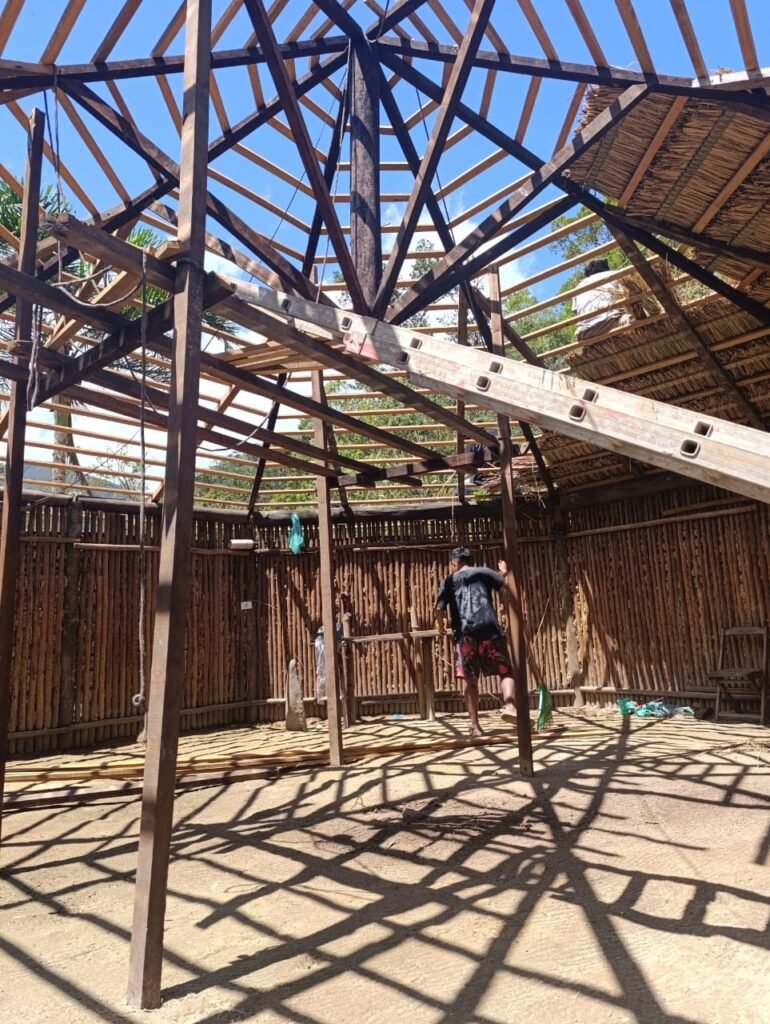
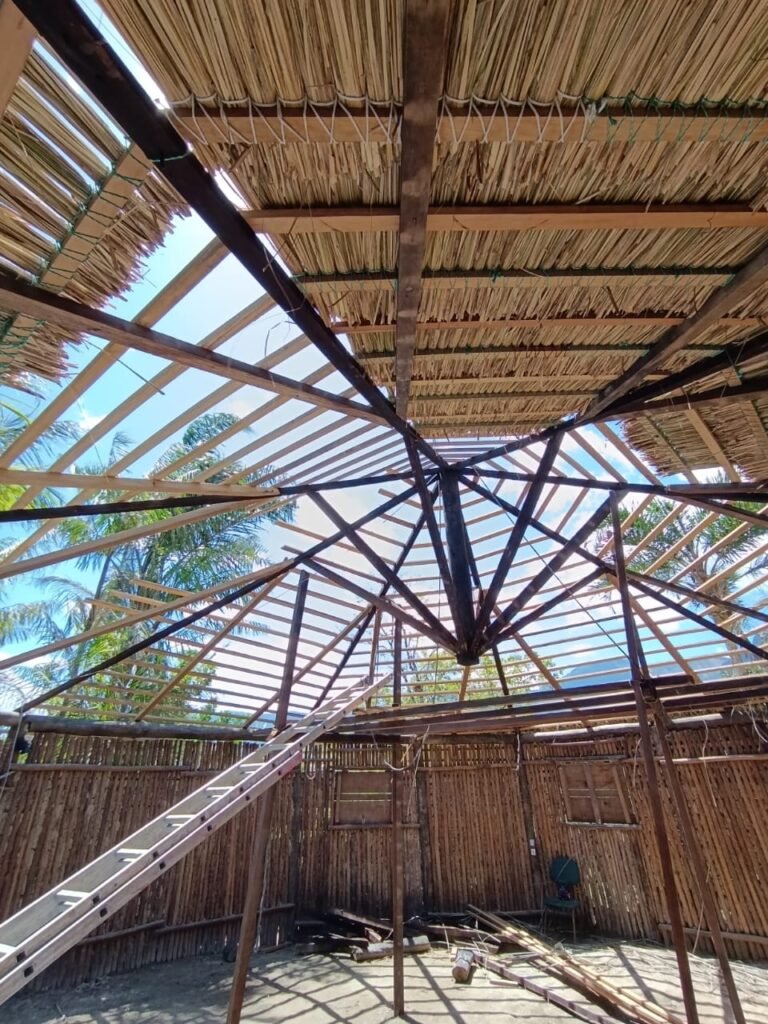
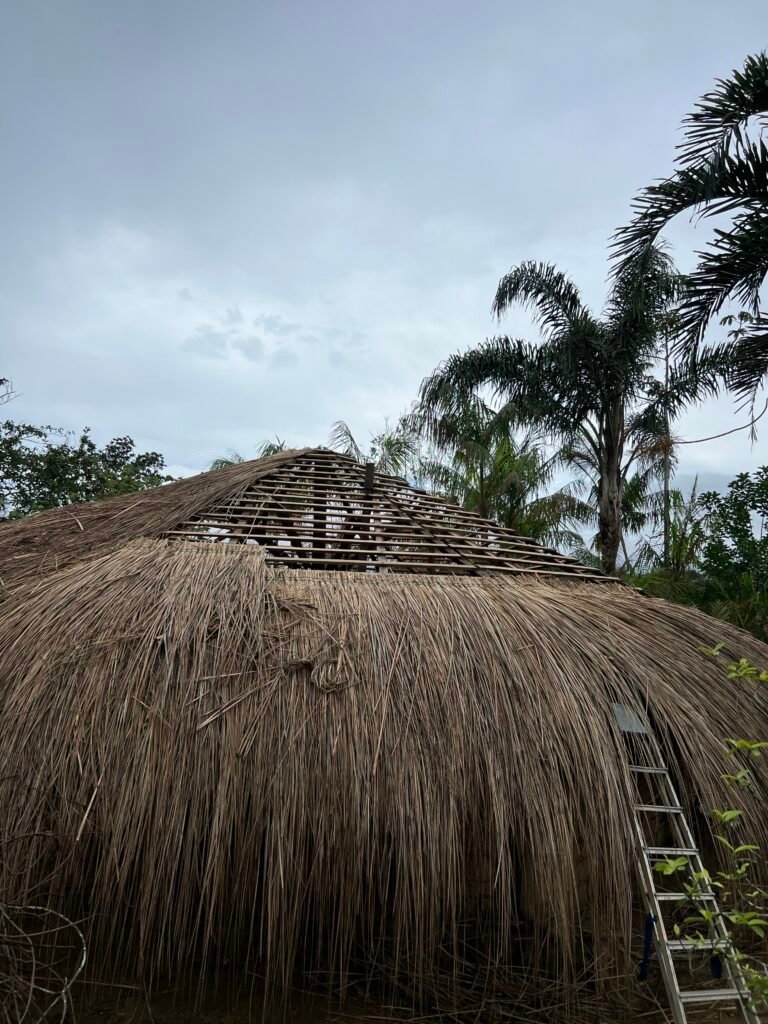
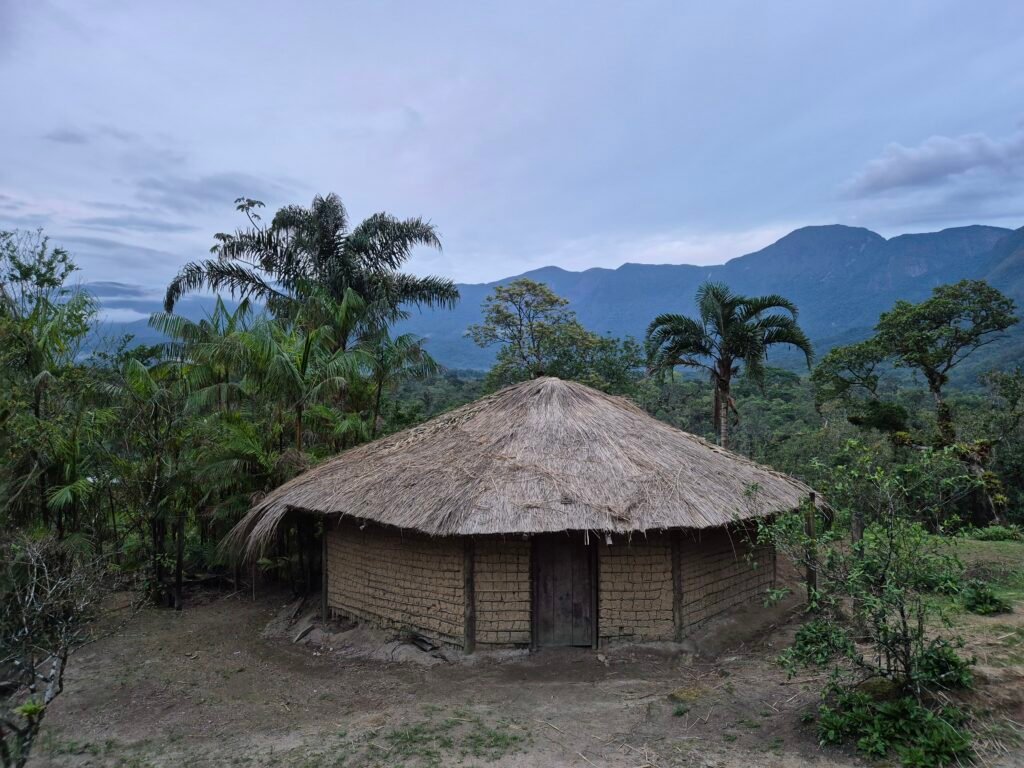
Ações coletivas de reforma e construção na Terra Indígena Rio Silveira com os integrantes da Escola Viva, como a reforma da casa de reza circular ocorrida nos últimos meses de 2025, após uma tempestade derrubar o telhado da construção.