




FORMABIAP EDUCATORS AT THE GUARANI LIVING SCHOOL
21 de agosto de 2026
Lee esta noticia en español aquí.
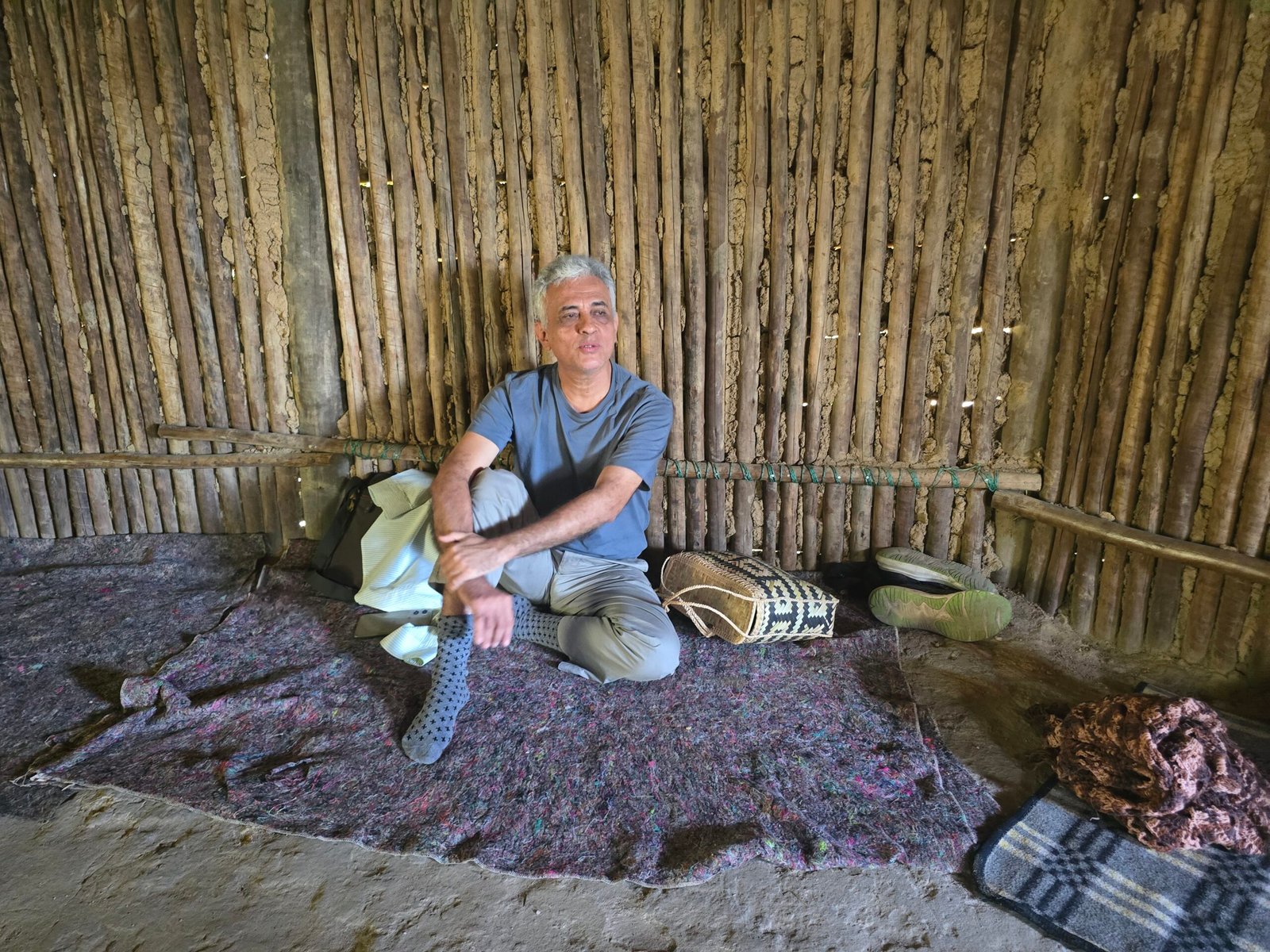
From fire to forest, from forest to sea, from the territory to the city. These were some of the paths travelled in August during the Nhembo’ea Kovea-Guarani Living School Immersion, a gathering that brought together educators from the Training Programme for Bilingual Teachers in the Peruvian Amazon (FORMABIAP), based in Iquitos, Peru, and members of the Selvagem Association for an exchange of multiethnic Indigenous knowledge at the Guarani Living School, Arandu Porã, located in the Ribeirão da Silveira Indigenous Land. The exchange began in the territory of the Guarani Living School and ended in São Paulo, alongside the closing of the LONG LIVE THE LIVING SCHOOL exhibition, with the participation of the educators in the conversation Nosotras: a conversation on intercultural education.
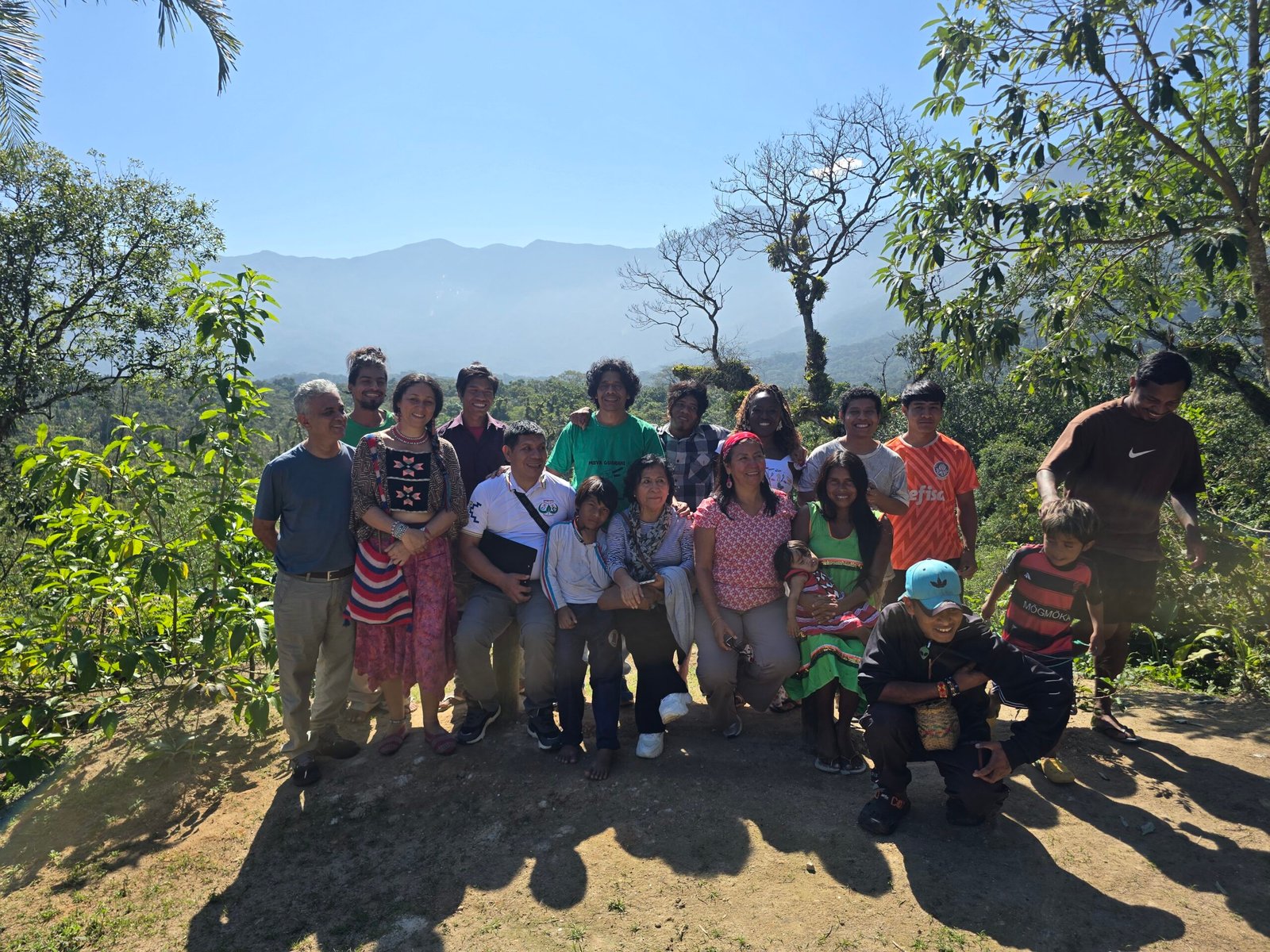
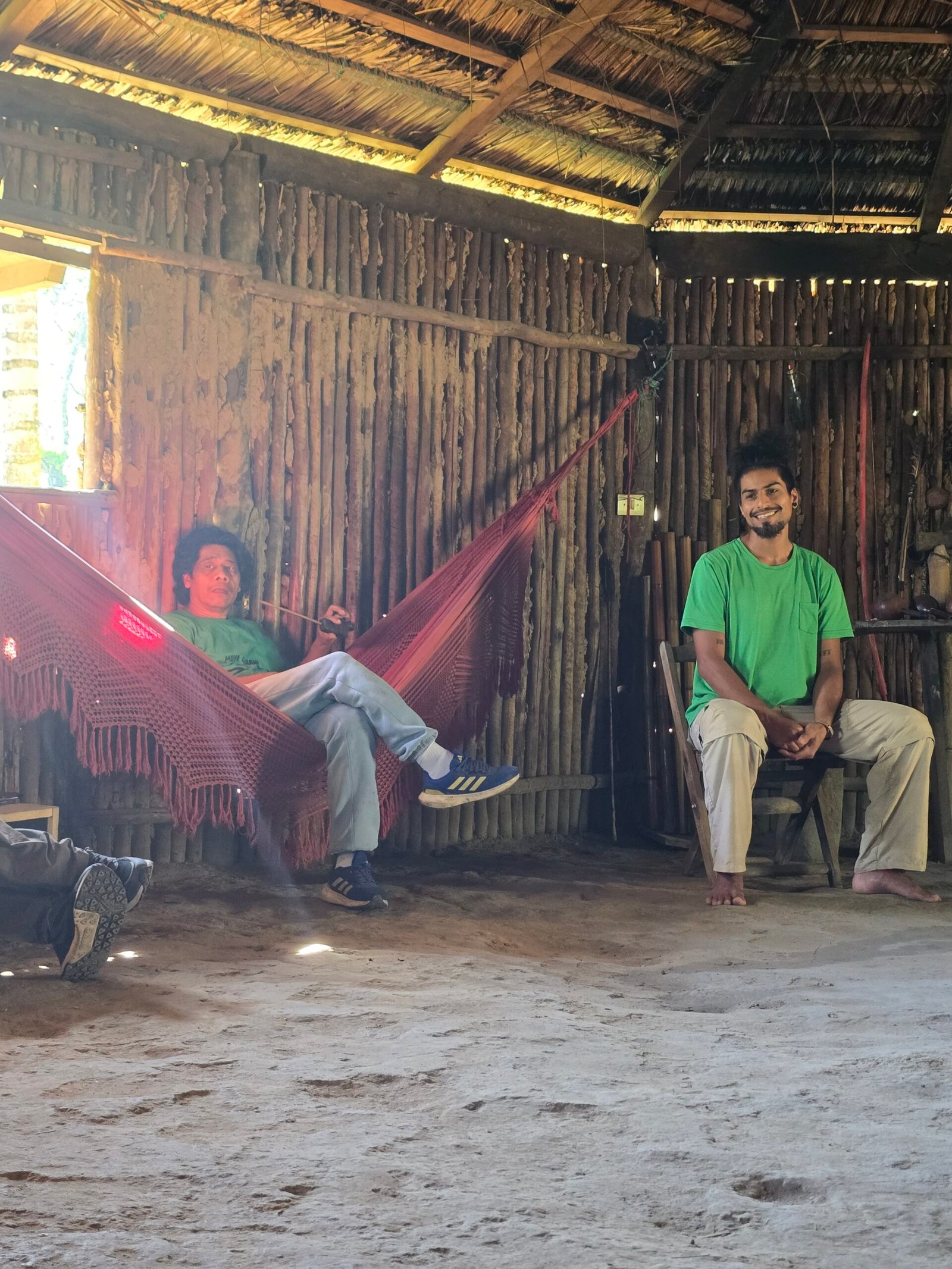
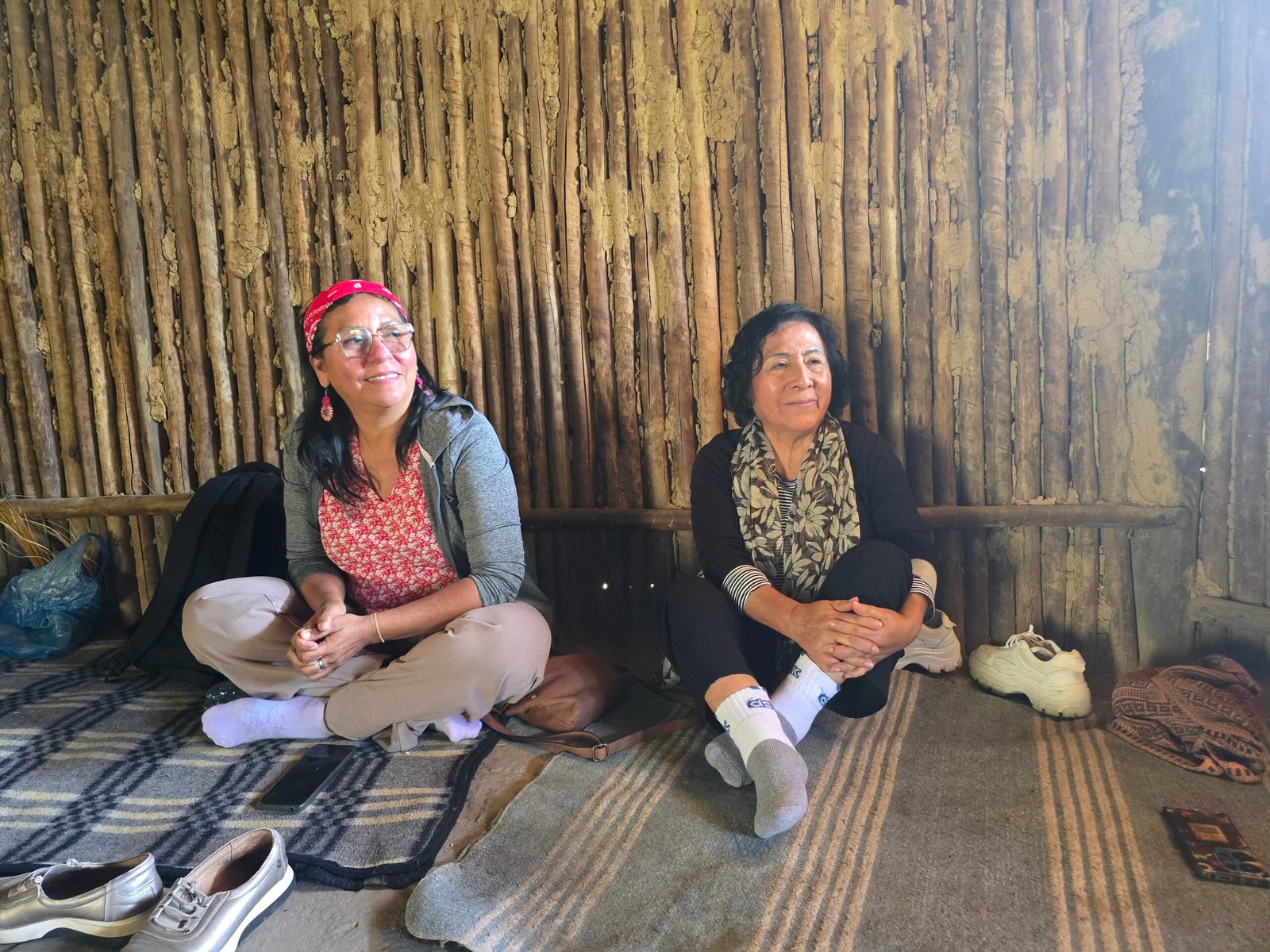
FORMABIAP Educators and Selvagem Team at the Guarani Living School, at the Ribeirão Silveira Indigenous Land. Photo: Selvagem Archive.
FORMABIAP is an institution that draws on the perspectives of Indigenous movements to train teachers and support Intercultural Bilingual Education schools, seeking to value and strengthen their languages, cultures, and relationships with their territories. FORMABIAP’s work also engages with the difficult memories of Iquitos, where the programme is based, a city marked by violence against Indigenous peoples during the rubber boom of the XIX and XX centuries. At the intersection of education, memory, and political action, the exchange with the Guarani Living School sought to bring experiences from different territories into dialogue and expand networks of exchange among Indigenous initiatives in Peru, Brazil, and other countries in South America.
For five days, Cristine Takuá, coordinator of the Living Schools movement, Carlos Papá, coordinator of the Guarani Living School, and Veronica Pinheiro, coordinator of the Selvagem Ways of Knowing Lab – LAS, met with educators Carlos Panduro Bartra, Maritza Ramirez Tamani (Cocama people), Richard Ricopa Yaicate (Cocama people), and Haydee Rosales Alvarado (Quéchua people) to exchange experiences of teacher training developed in different territories. Together, they created a space to share practices, questions, and pathways around Indigenous intercultural education, guided by forms of learning that emerge through relationships among people, living beings, enchanted beings, places, memories, and ways of existing.
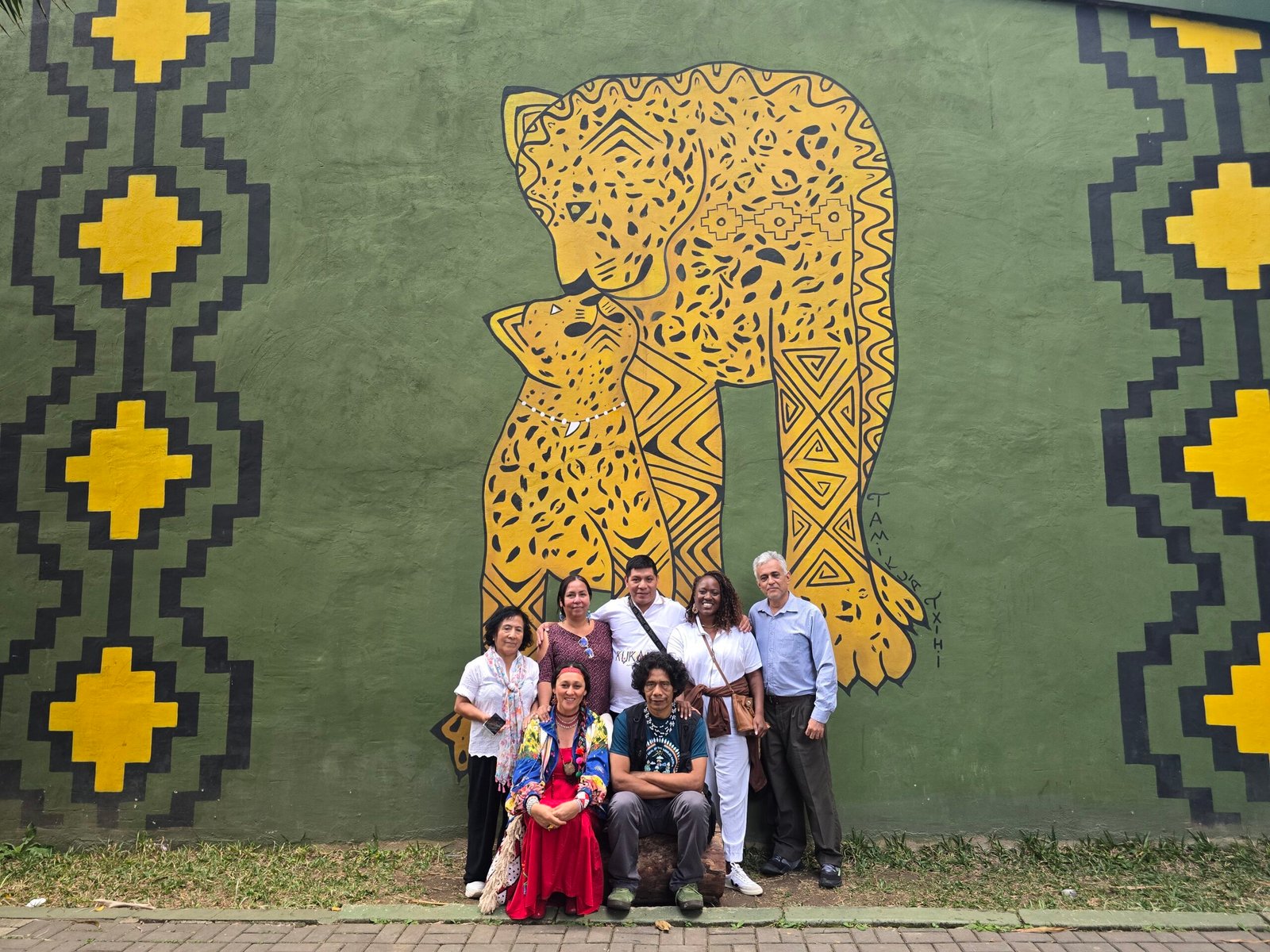
FORMABIAP Educators and Selvagem Team at the Museum of Indigenous Cultures in São Paulo, part of the exchange programme with the Guarani Living School. Photo: Selvagem Archive.
Learning with fire, listening to the Nhe’ëry
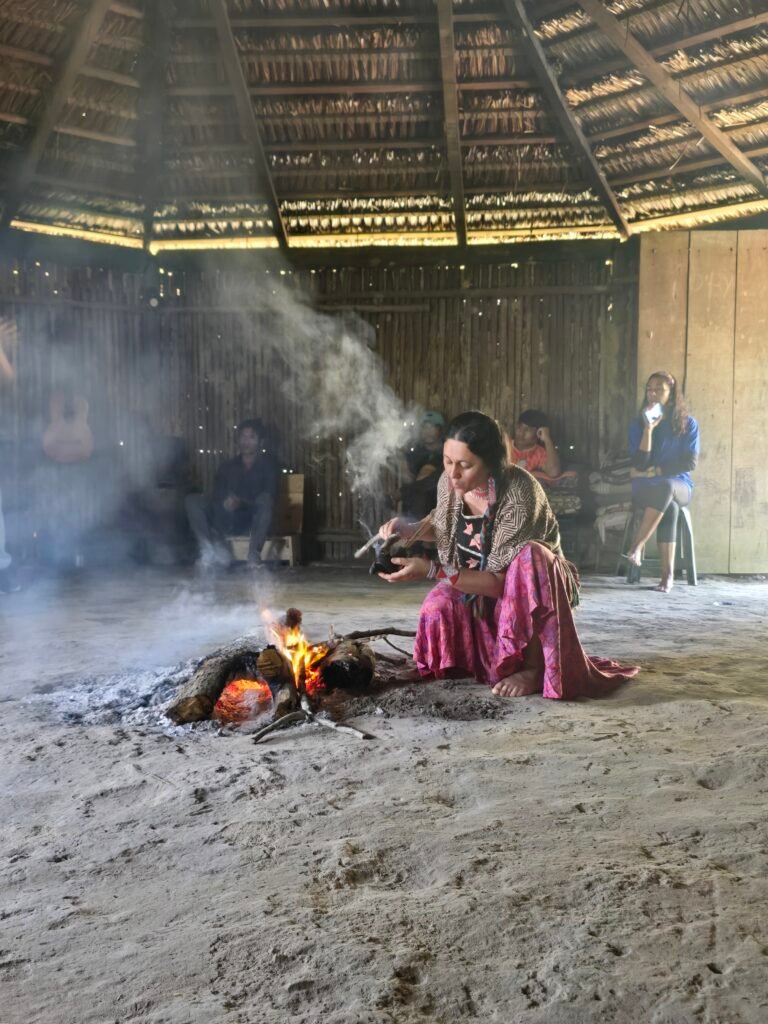
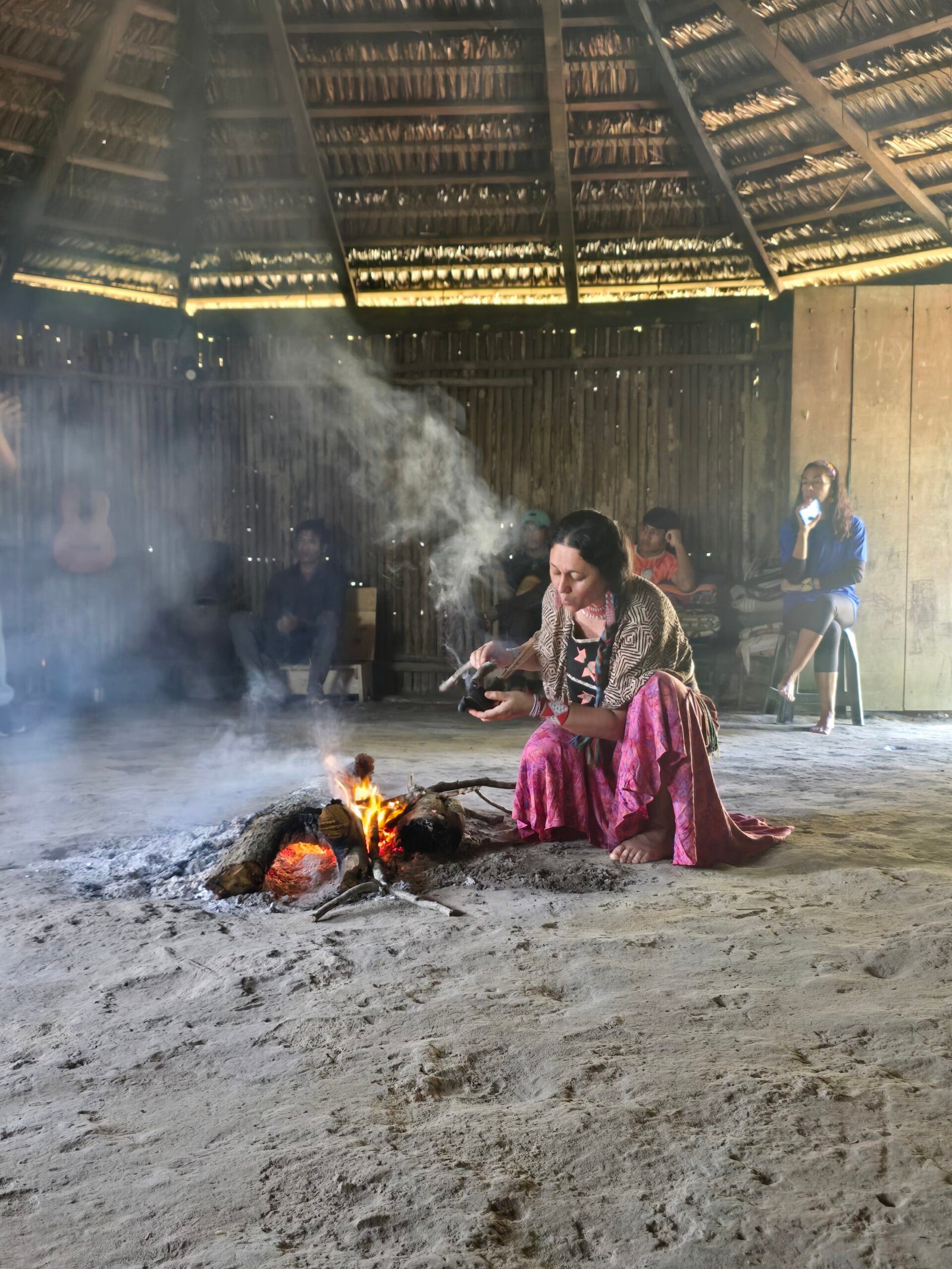
The programme began on August 5 at the Opy, the House of Prayer, with the gathering “What We Learn from Fire” led by Carlos Papá. He opened the conversation by speaking about “jeroky”, a Guarani word that shares how, in the forest, one does not walk in a straight line as one does in the city: one must dance in order to walk. “It was through this movement, through jeroky, through feeling, perceiving, and being conscious of the codes of the forest, that the process of learning and teaching we have been sowing in Nhe’ëry, at the Guarani Living School, takes place. Dancing to walk,” Cristine Takuá explained.
Introductions and paths were shared in a circle around the fire. This element was understood as a presence, a guide, and a condition for listening, inviting the group to approach knowledge from different positions, times, and perspectives. Léo Karaí and Cassiano Maxakali, students in Indigenous teacher-training programmes and members of the Guarani and Maxakali Living Schools, also took part in the conversation, expanding the dialogue between territories and forms of knowledge.
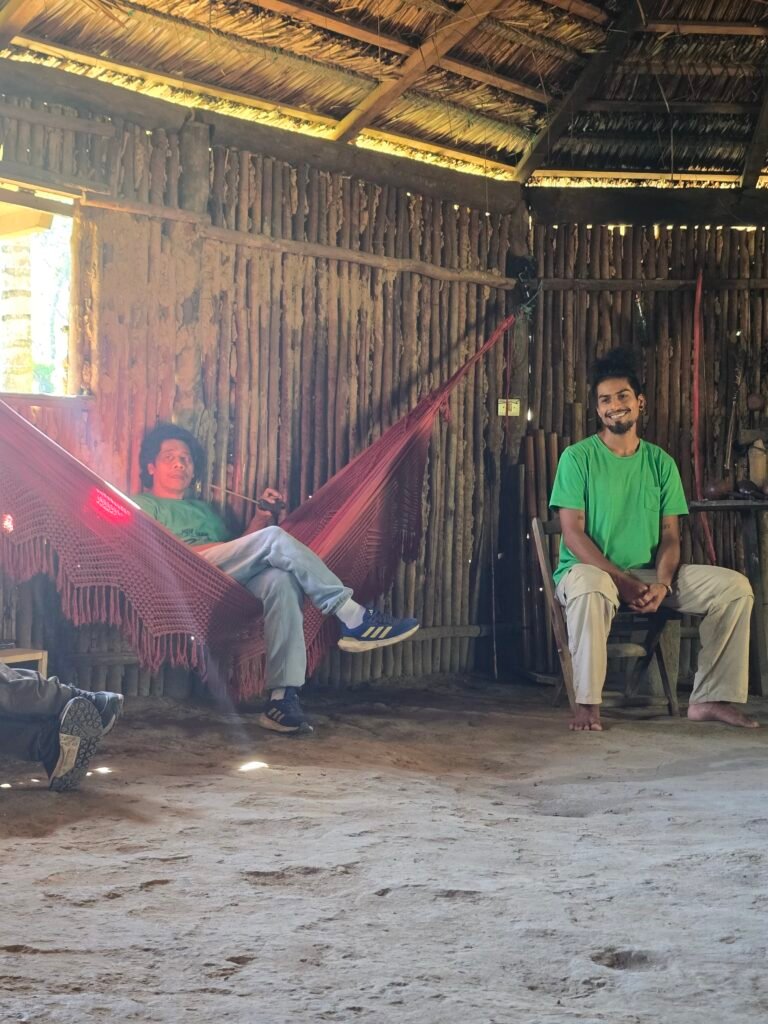
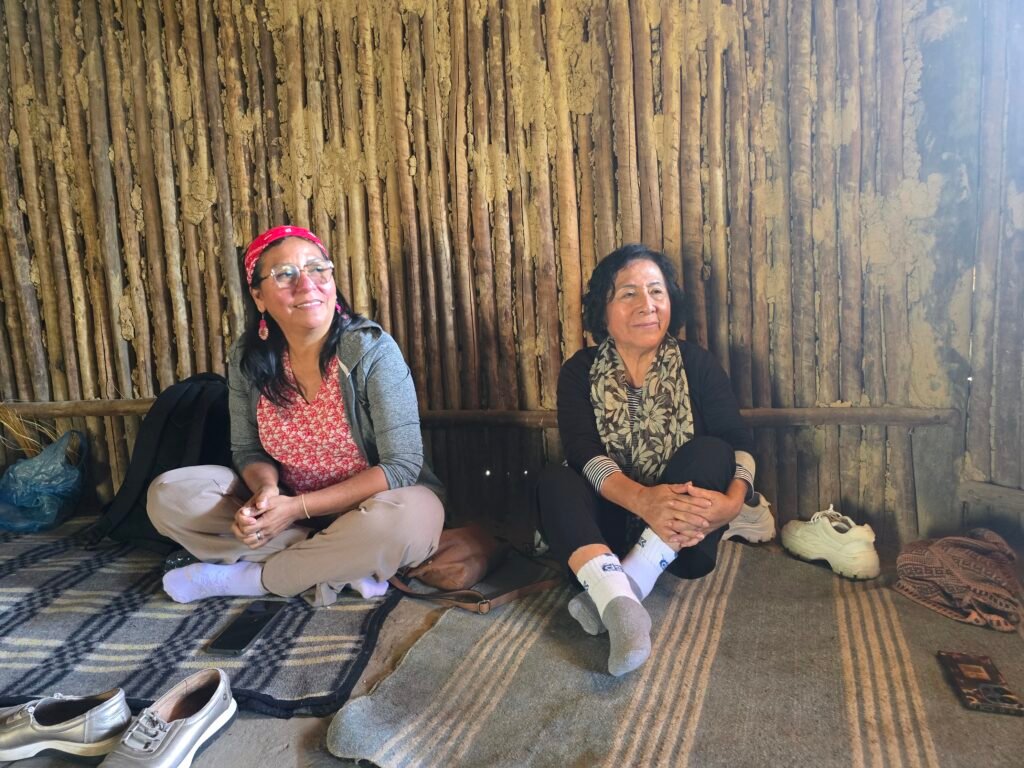
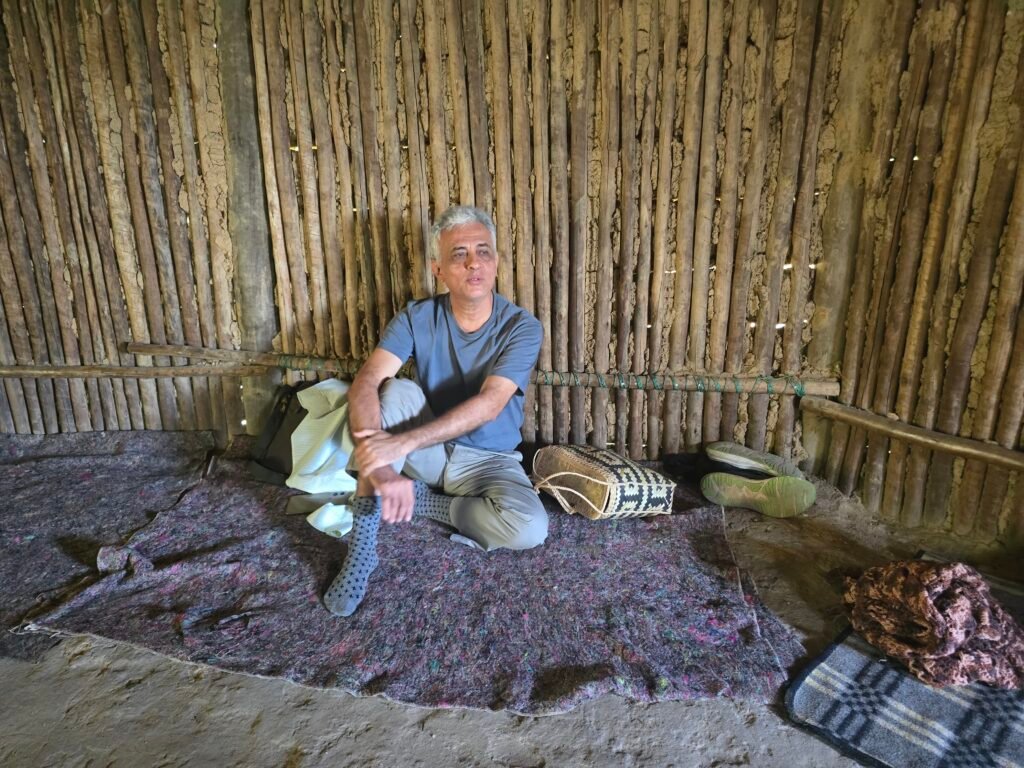
In the afternoon, the Nhe’ëry walk through the Rio Silveira Indigenous Territory brought the territory itself into the educational process. At the Living School Tava, the House of Transformation, the activity “Listening to Silence” invited participants to heighten their senses to the sounds of the Atlantic Forest and expand their sound repertoire by listening to the forest, the animals, the wind, and other beings. The exercise also invited participants to awaken memories through sound and deepen their relationship with their place of origin.
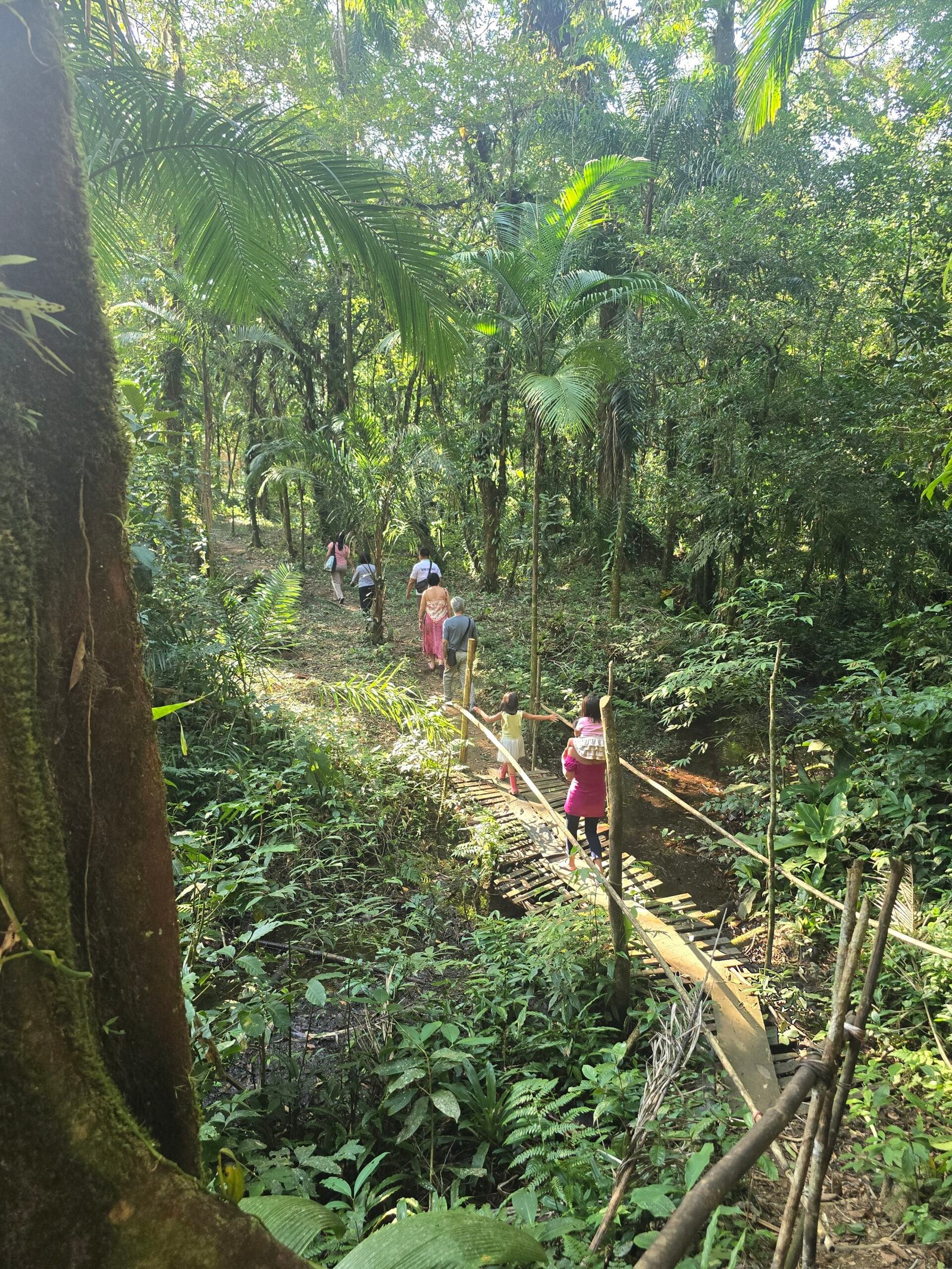
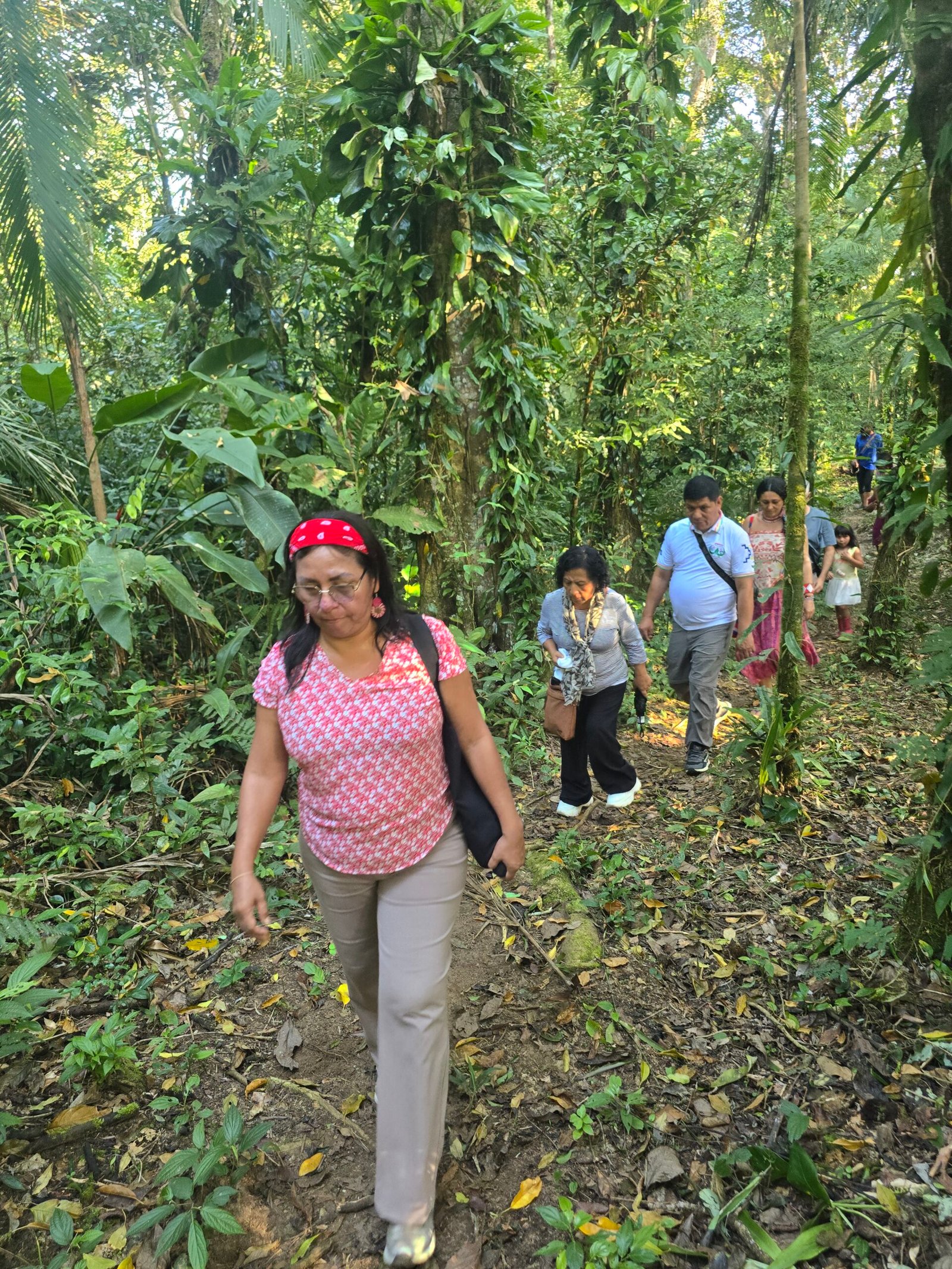
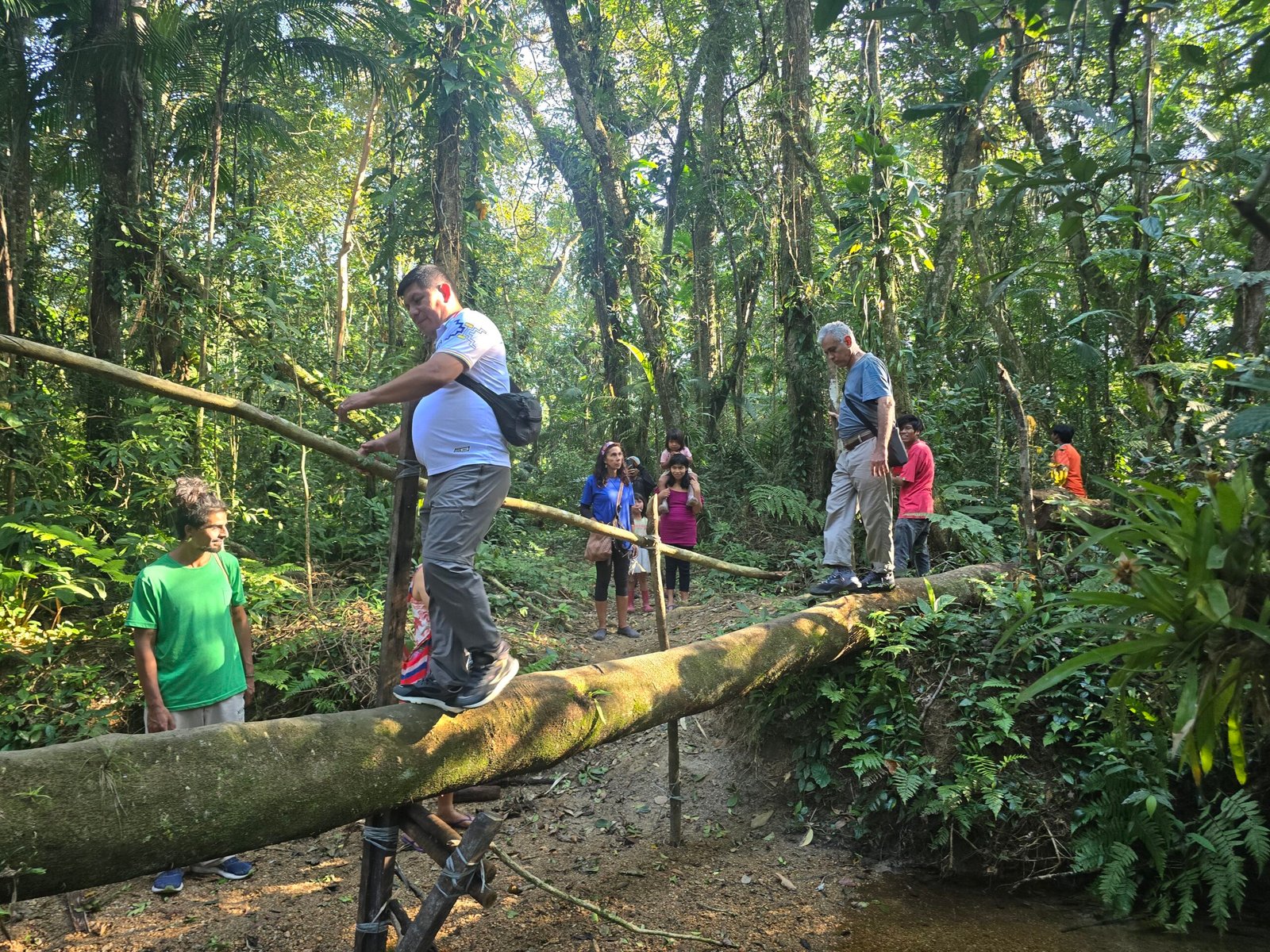
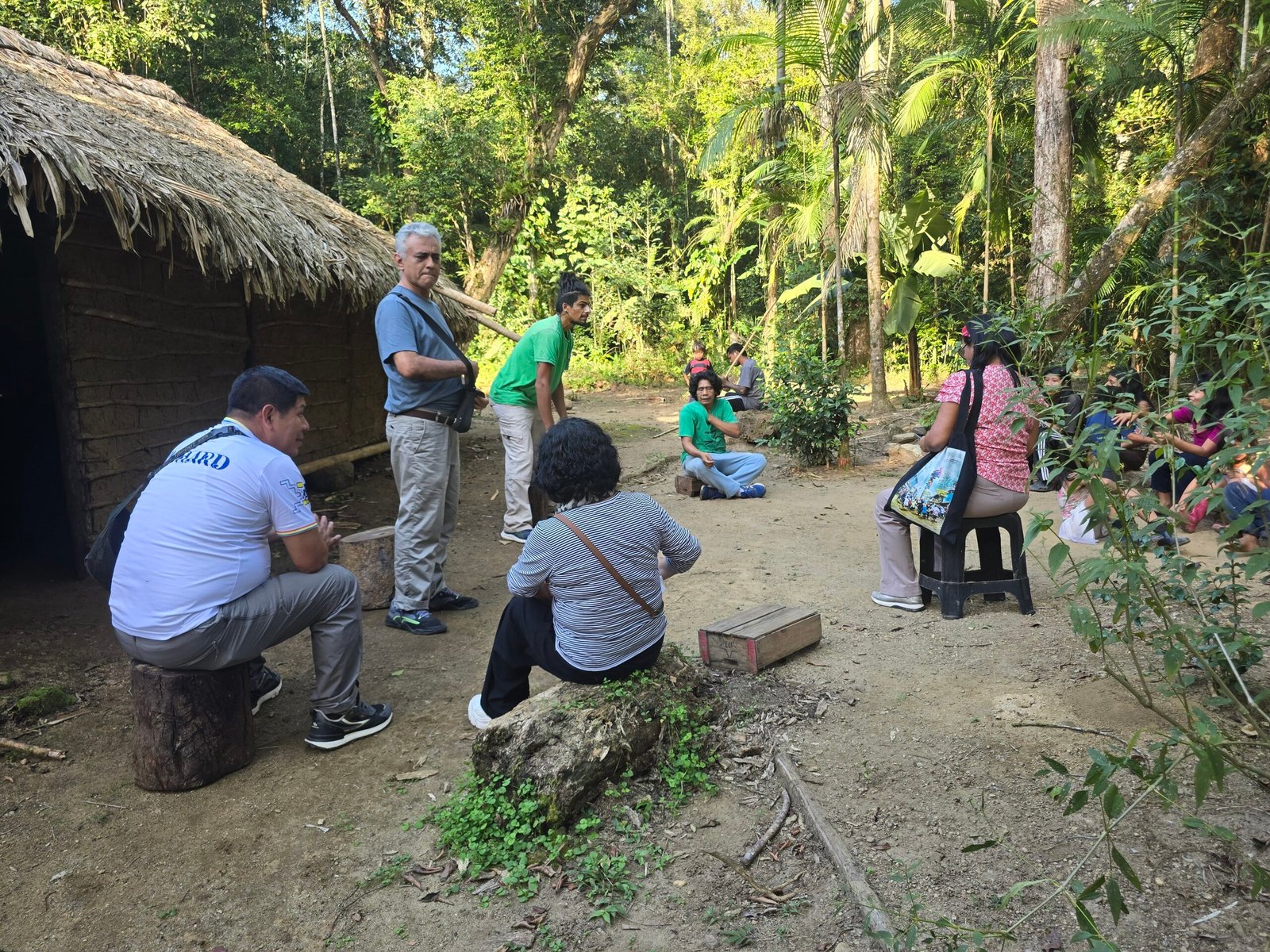
Nhe’ëry walk through the Guarani Living School. Photos: Selvagem Archive.
Medicines and tides
The following day, the group shared experiences and reflections on the previous night’s studies with sacred medicines, creating space for individual experiences to become collective learning. The Nhe’ëry activity then took the group to Boraceia Beach, where the reflections turned toward the sea and toward the environmental and ancestral relationships between the Atlantic and Pacific Oceans.
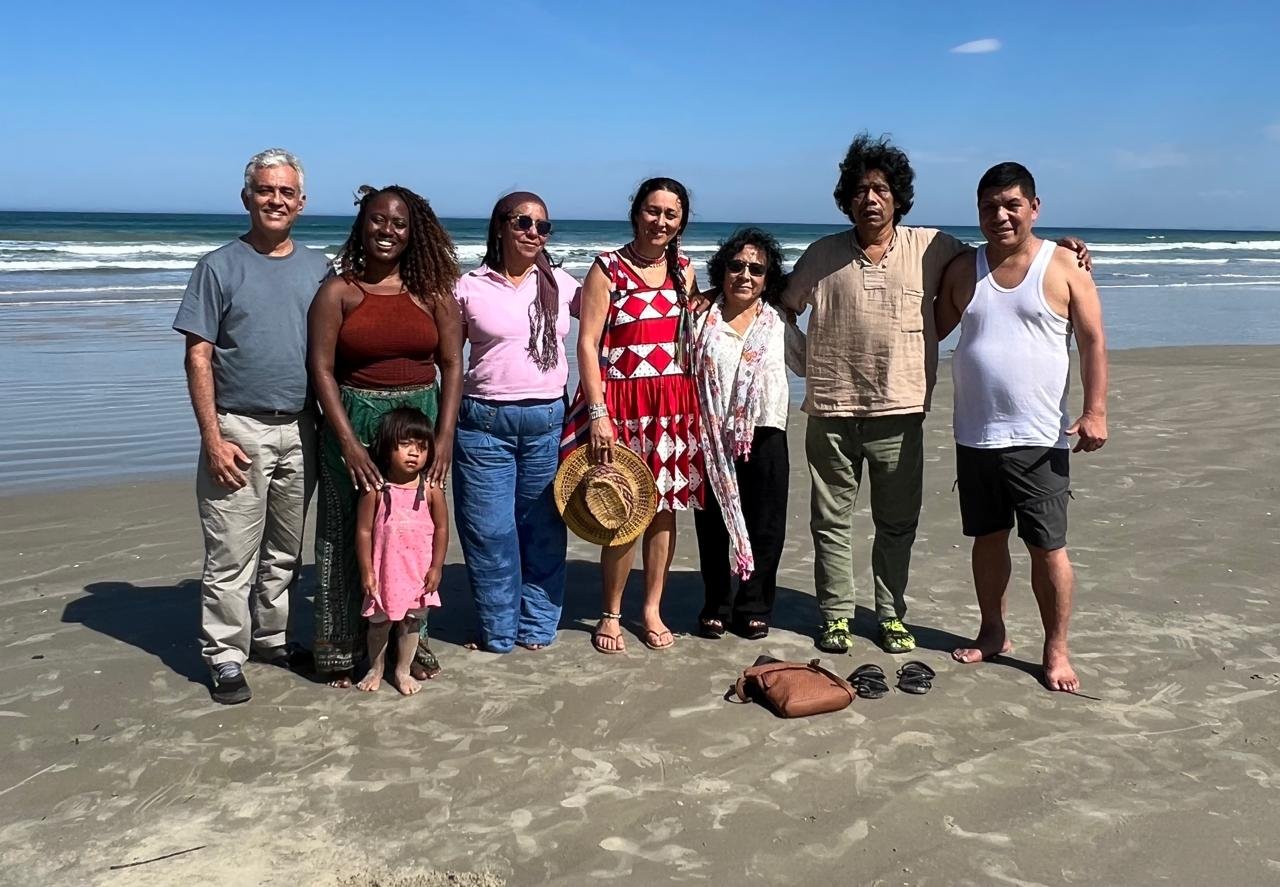
Selvagem team and FORMABIAP educators at Boraceia Beach. Photo: Selvagem Archive.
The programme continued with an institutional presentation of FORMABIAP, which shared its history, projects, educational initiatives, and approaches to intercultural education and dialogue with the Indigenous peoples of Peru.
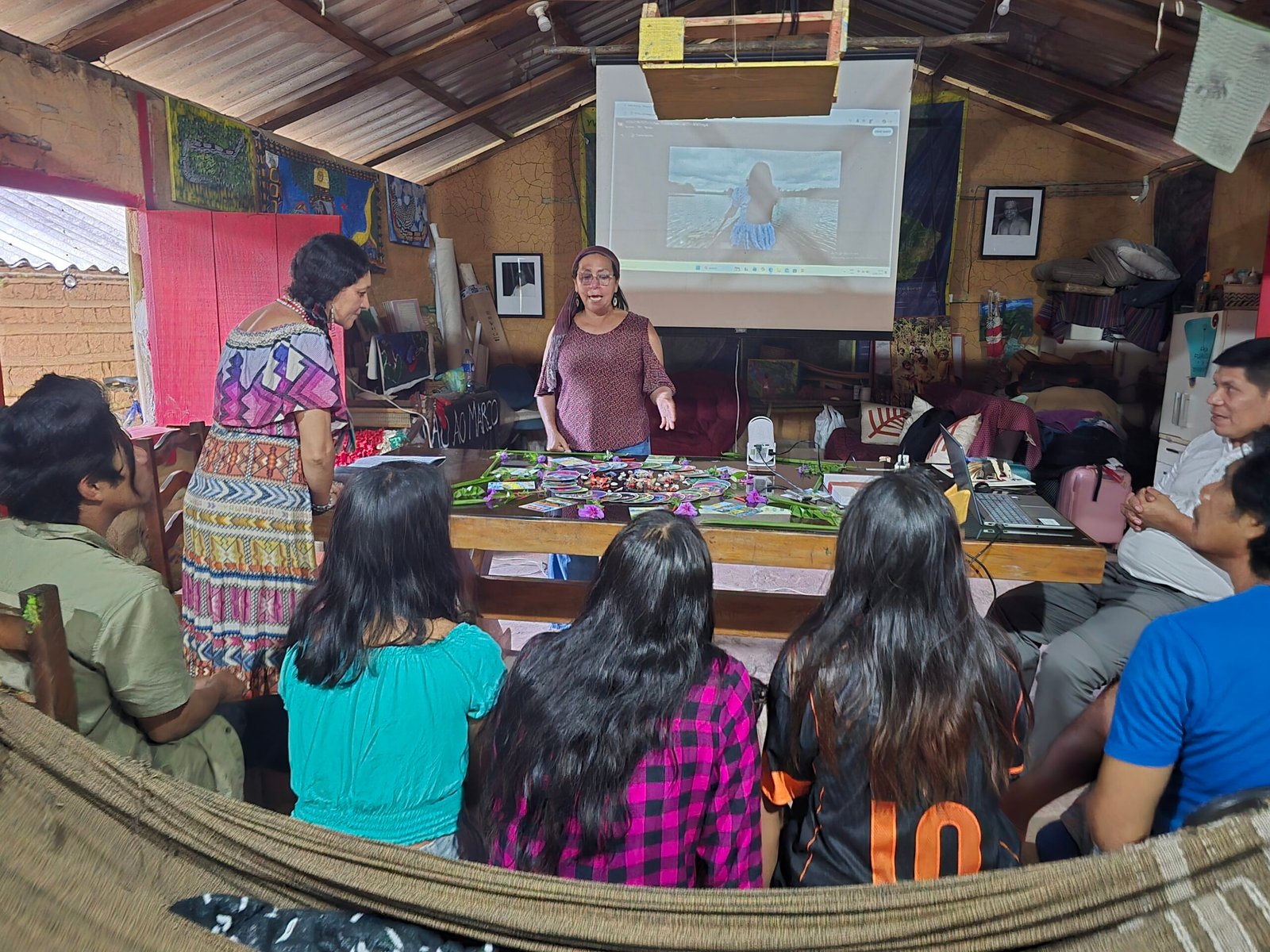
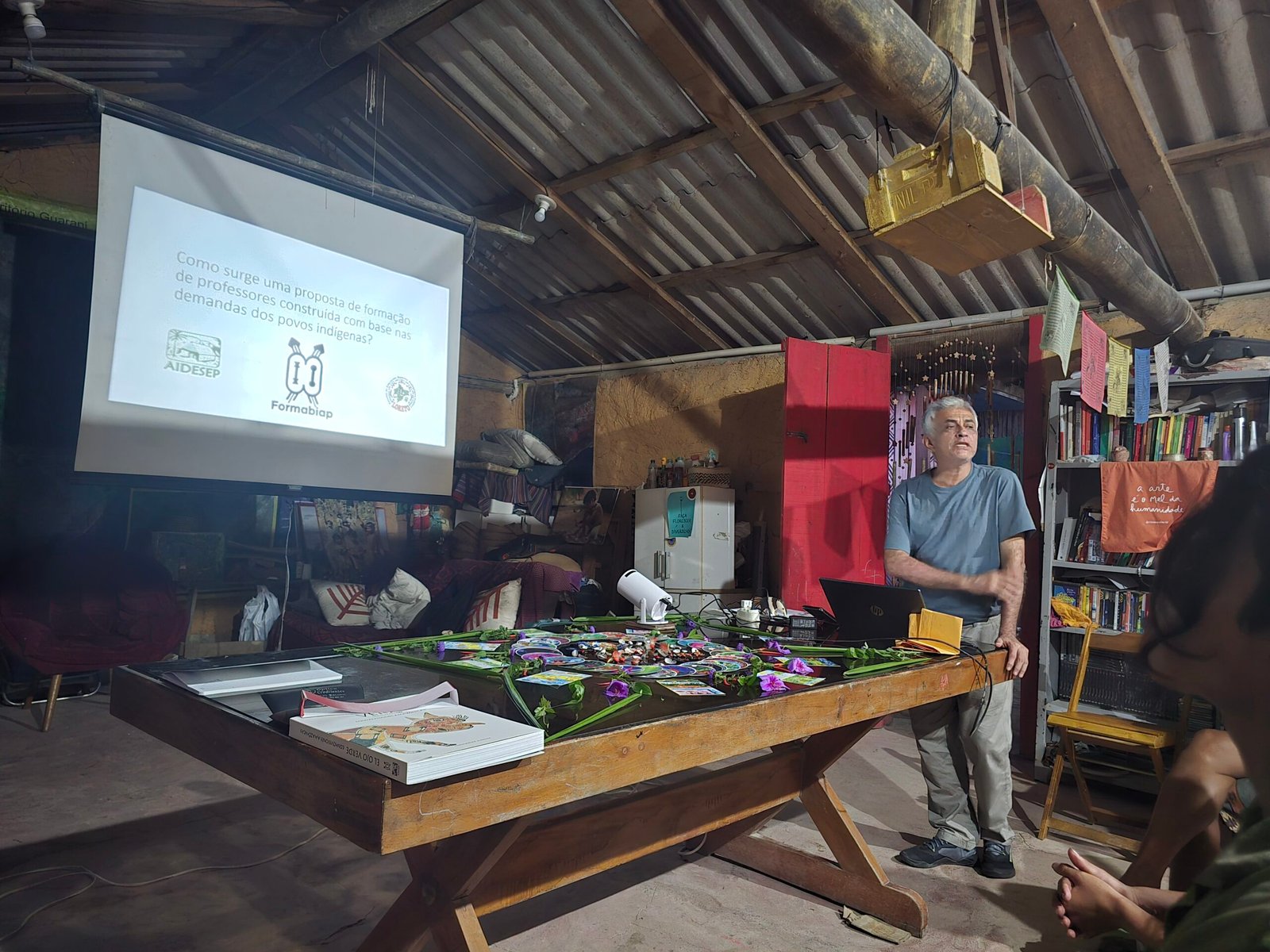
FORMABIAP presentation at the Guarani Living School. Photos: Selvagem Archive.
Do território à cidade
No dia 7 de agosto, a manhã veio acompanhada pela apresentação institucional da Associação Selvagem, conduzida por Veronica Pinheiro, percorrendo os caminhos construídos entre diferentes conhecimentos, experiências educativas, artes, ciências e saberes ancestrais — princípios também que atravessam e são atravessados por todo o movimento das Escolas Vivas.
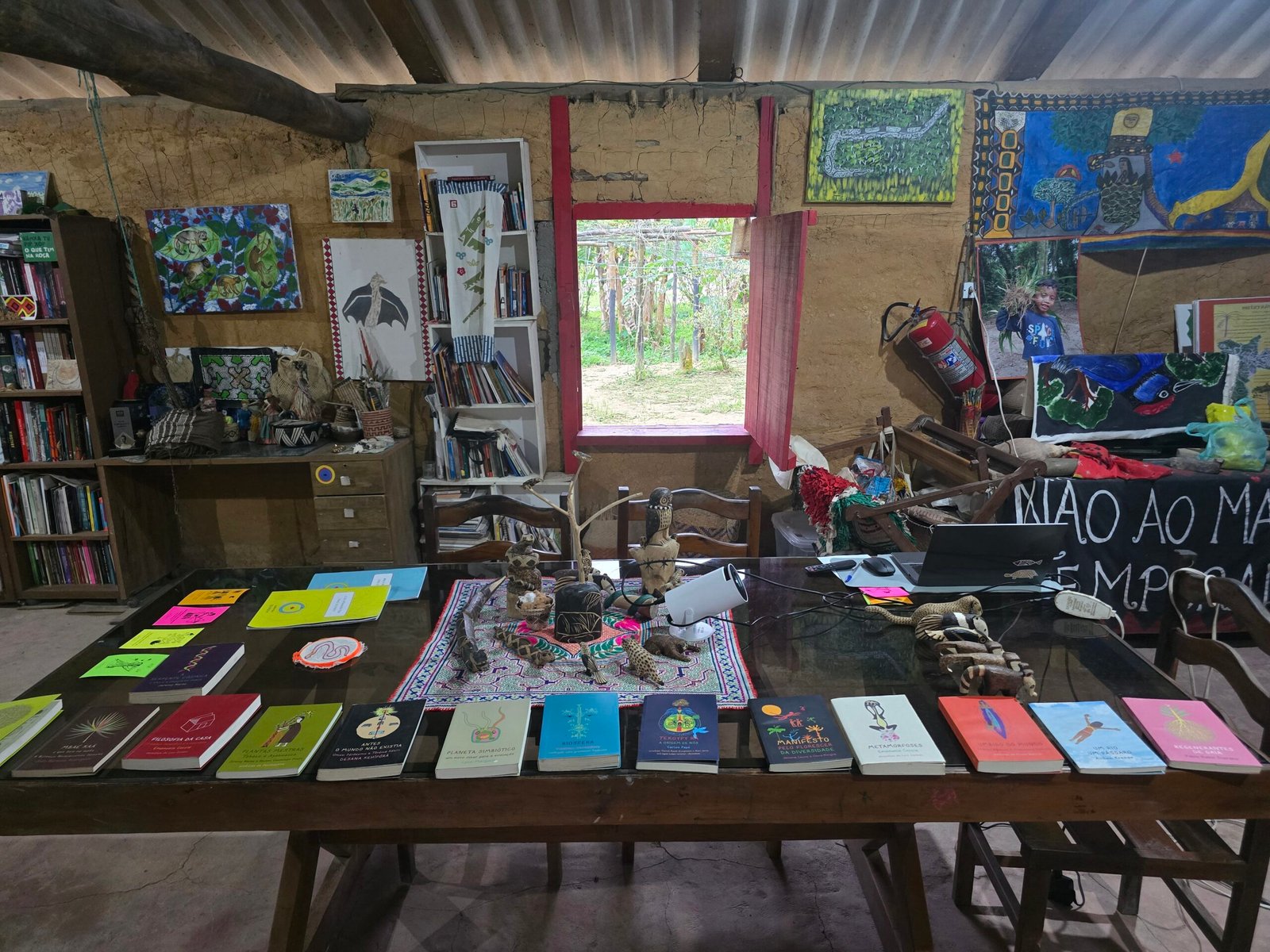
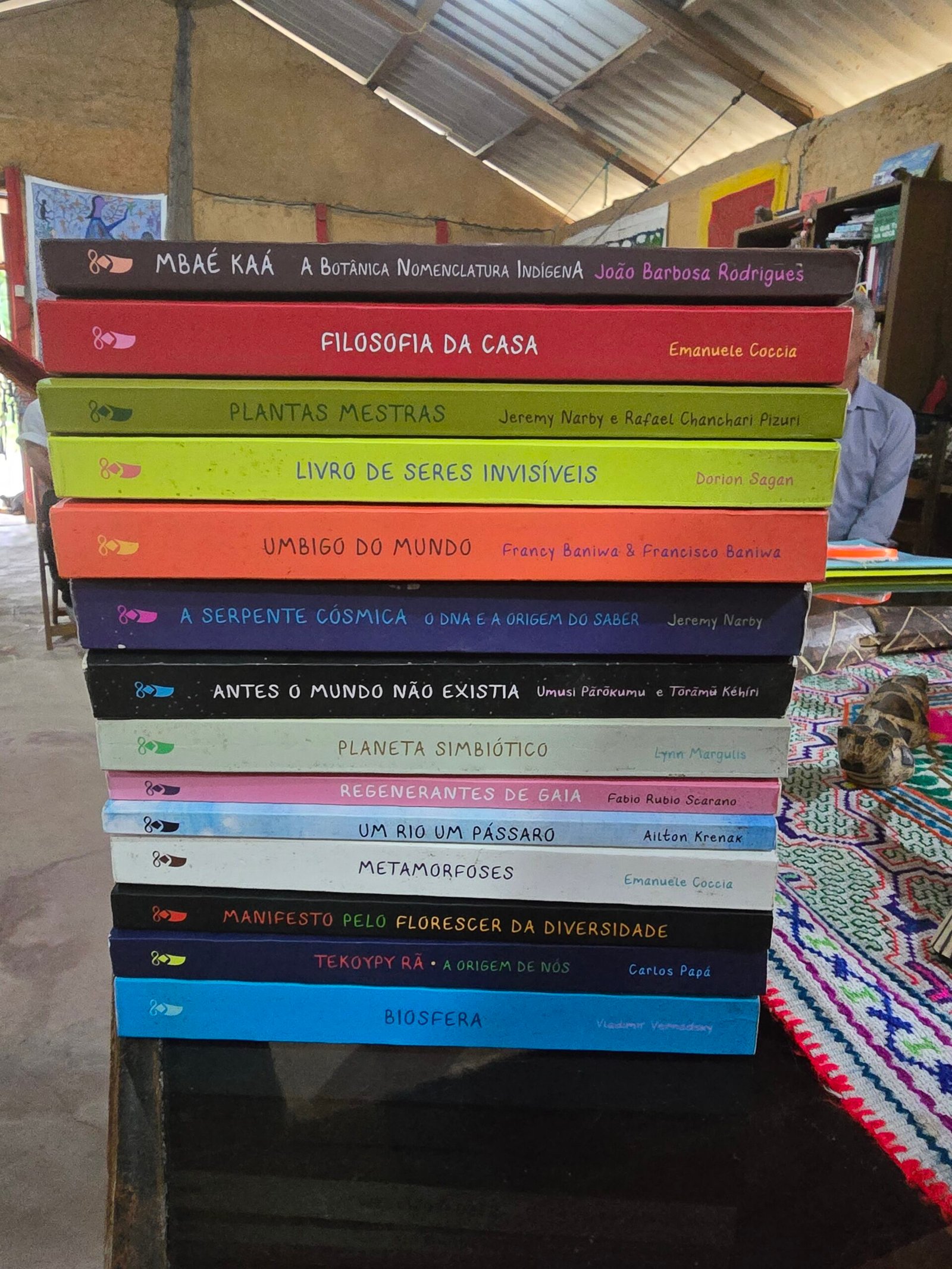
Apresentação com livros e materiais Selvagem. Fotos: Acervo Selvagem.
No mesmo dia, o grupo seguiu em direção à cidade de São Paulo, onde a imersão continuou no the Museum of Indigenous Cultures, em uma visita mediada por Cristine Takuá na nova exposição “Ayvu Porã”, em cartaz até dezembro de 2026, que reúne xilogravuras produzidas por jovens Guarani da Escola Viva Guarani, da aldeia do Jaraguá e do Vale da Ribeira.
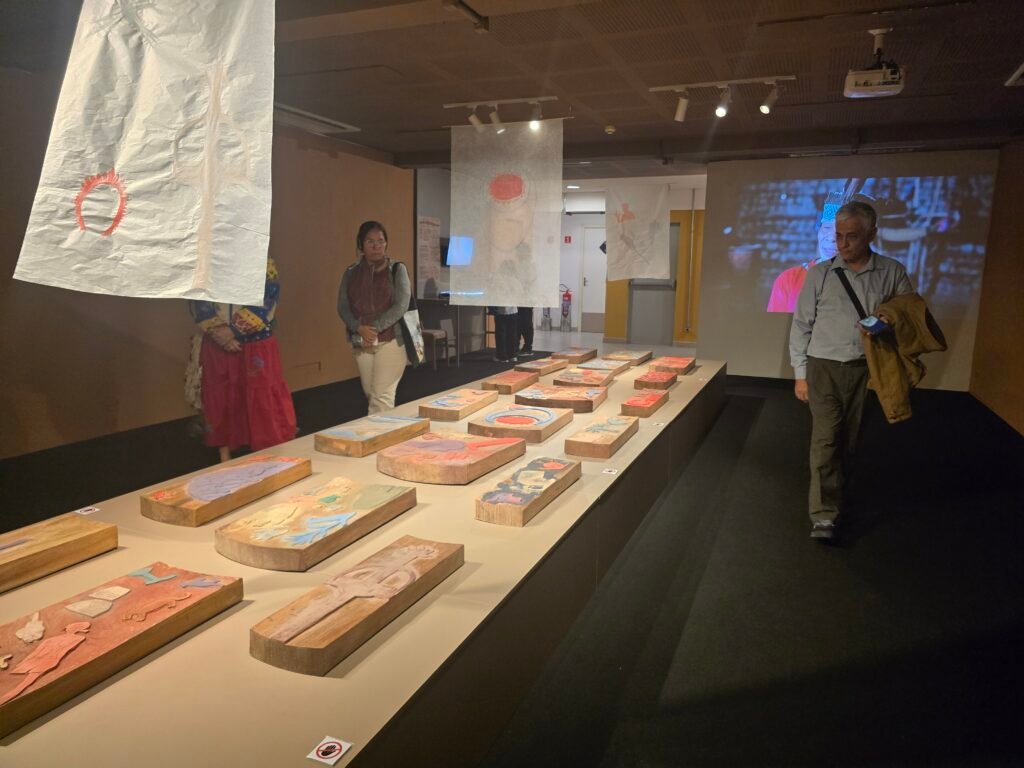
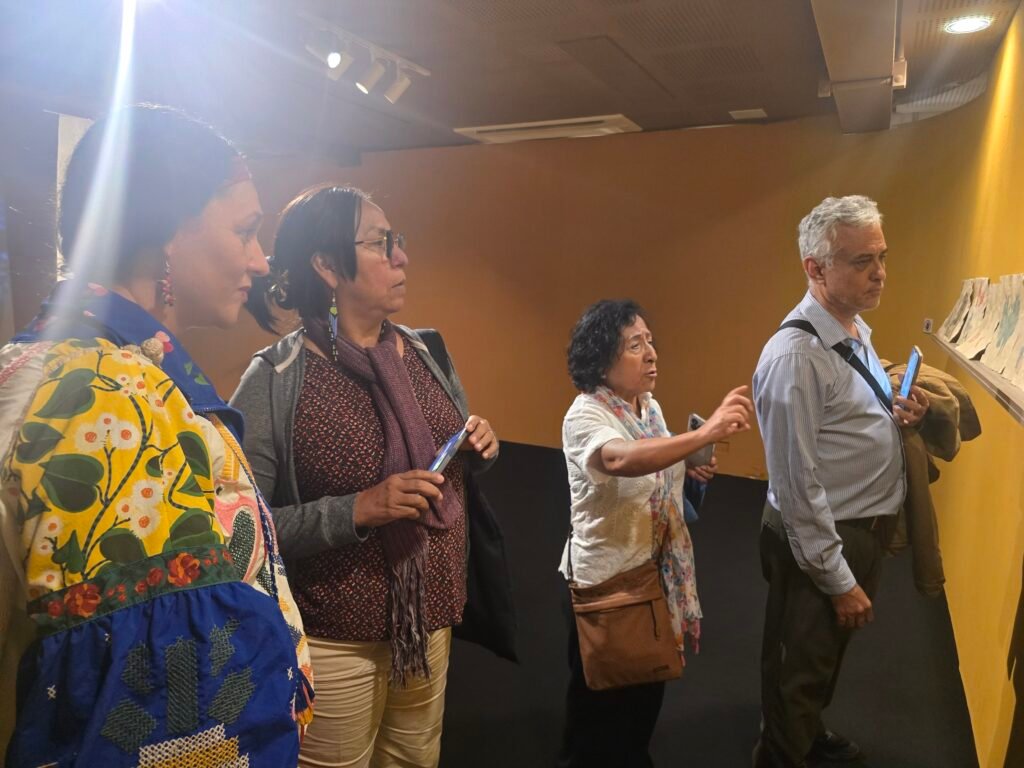
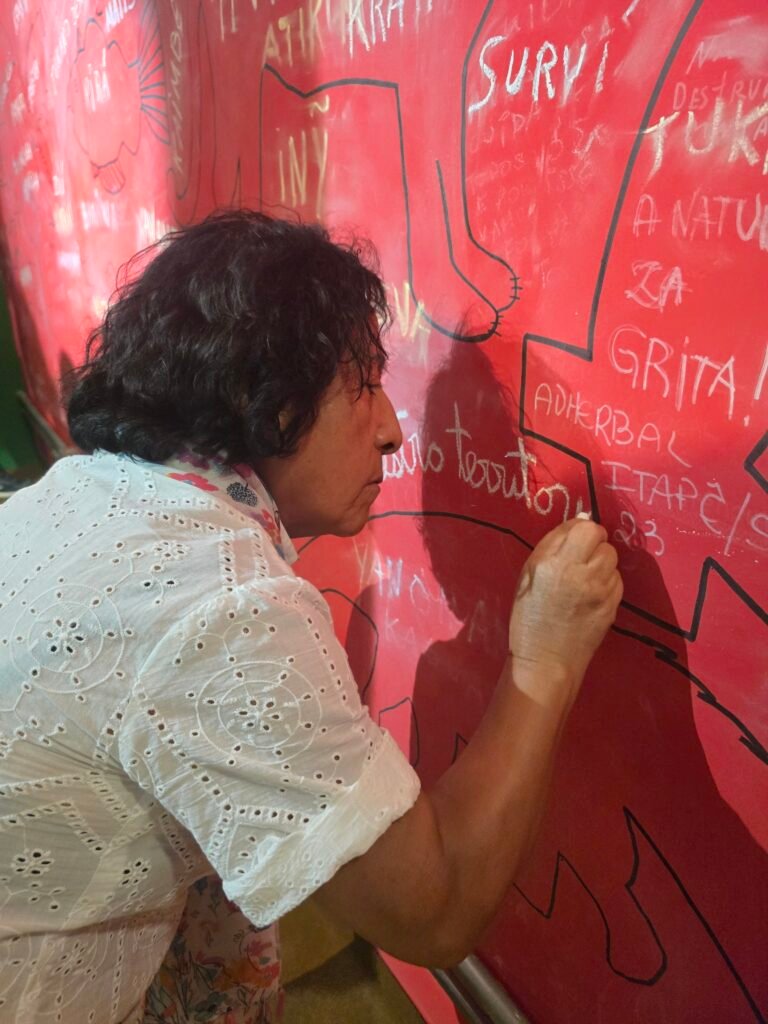
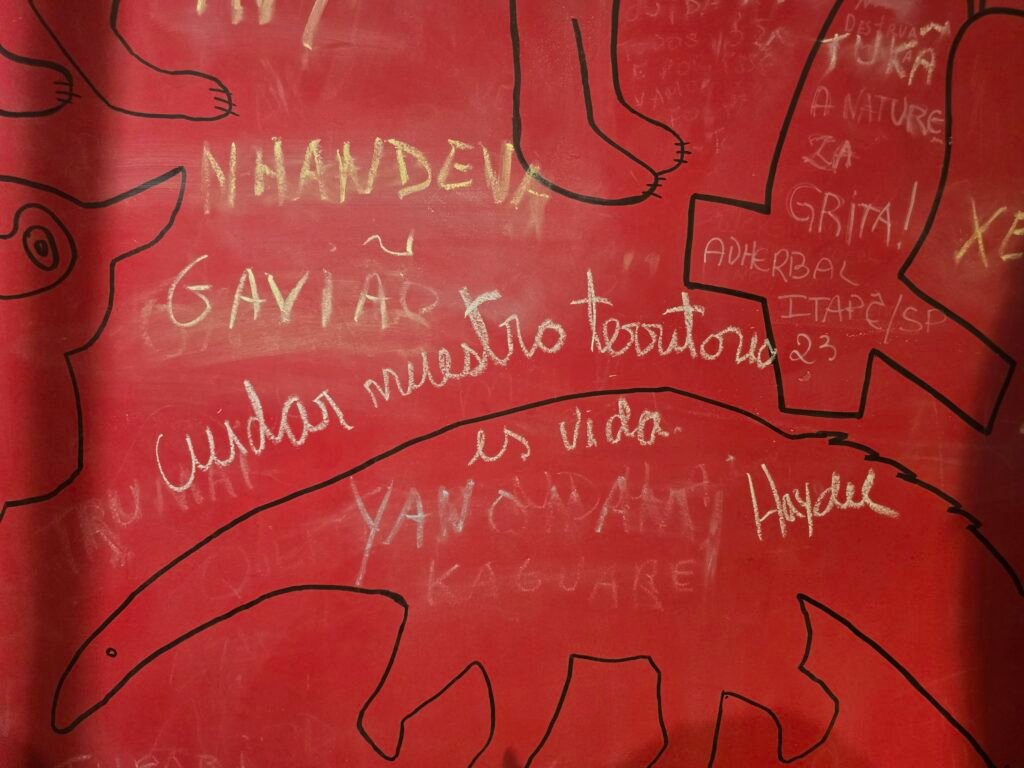
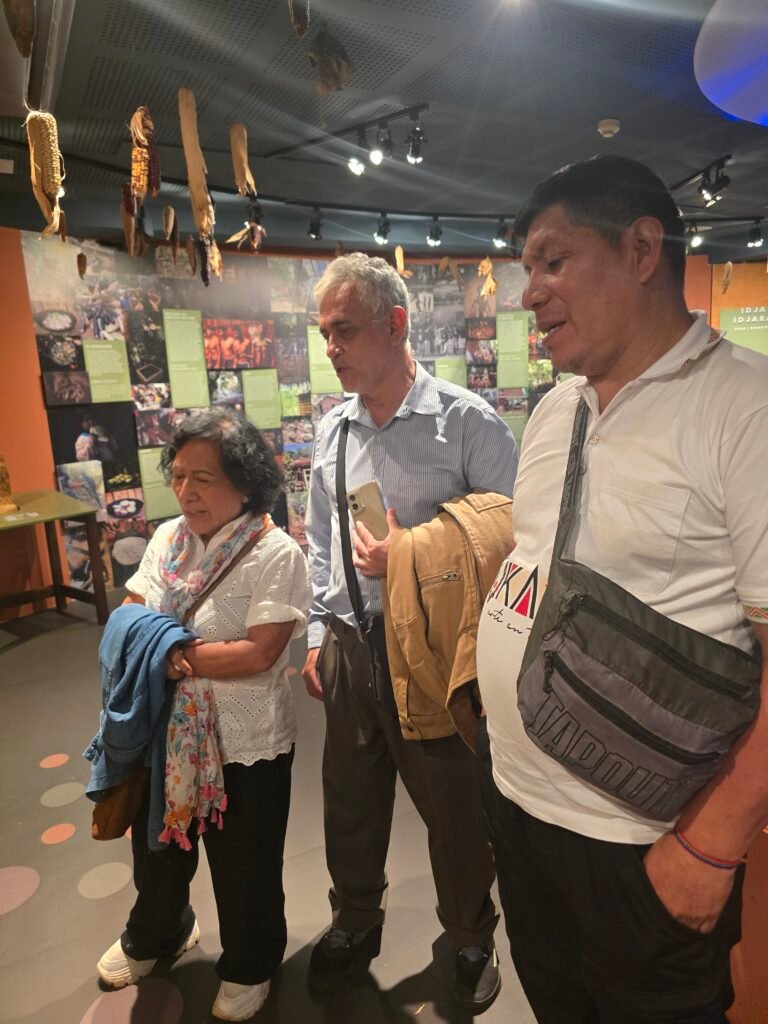
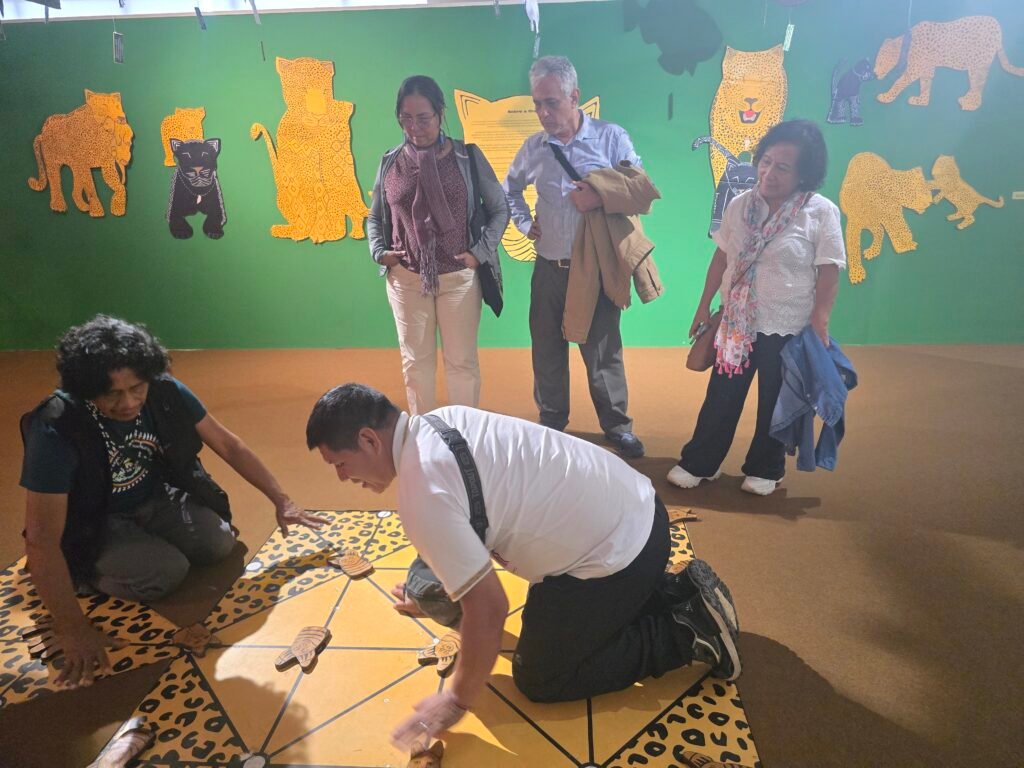
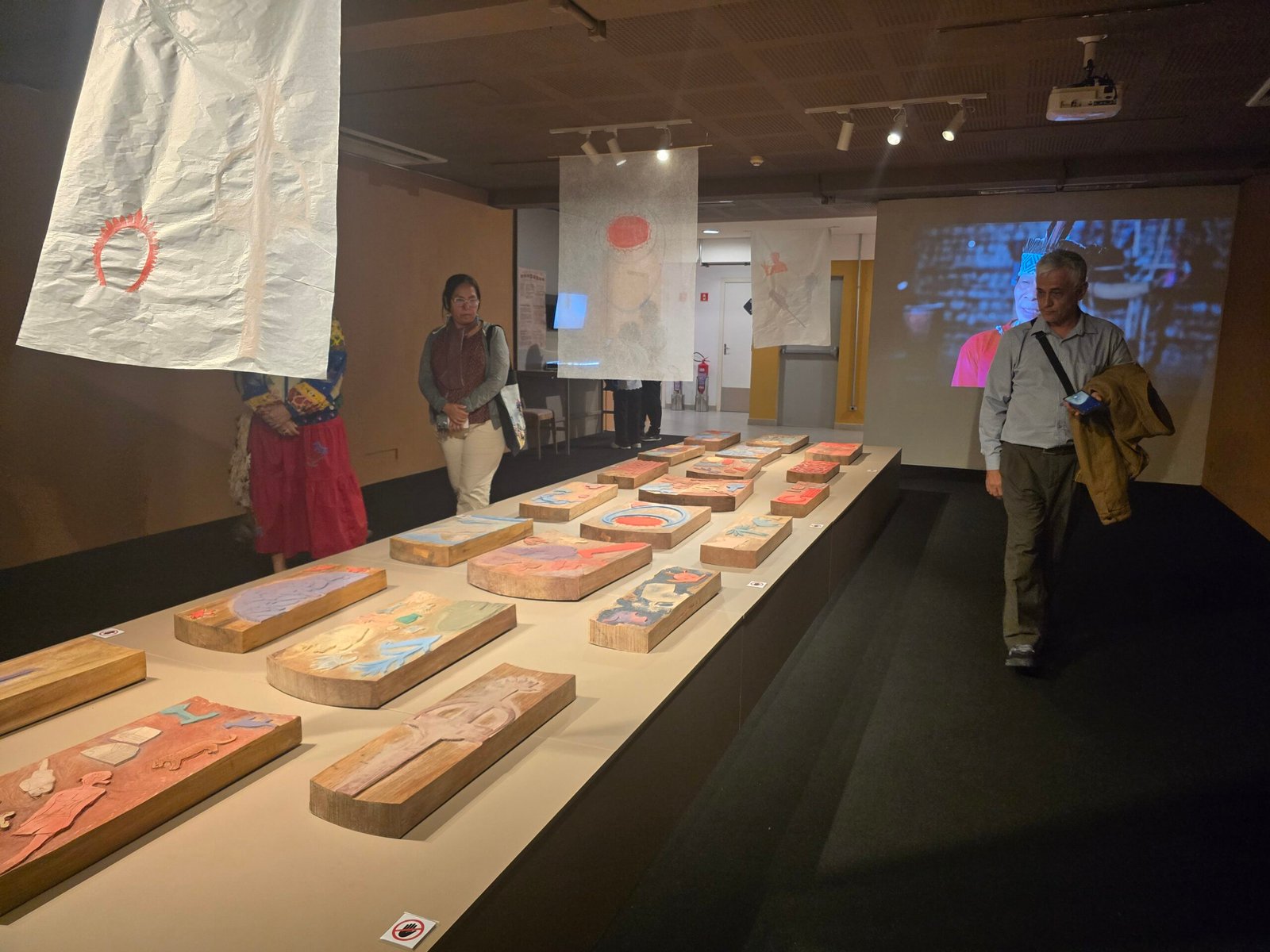
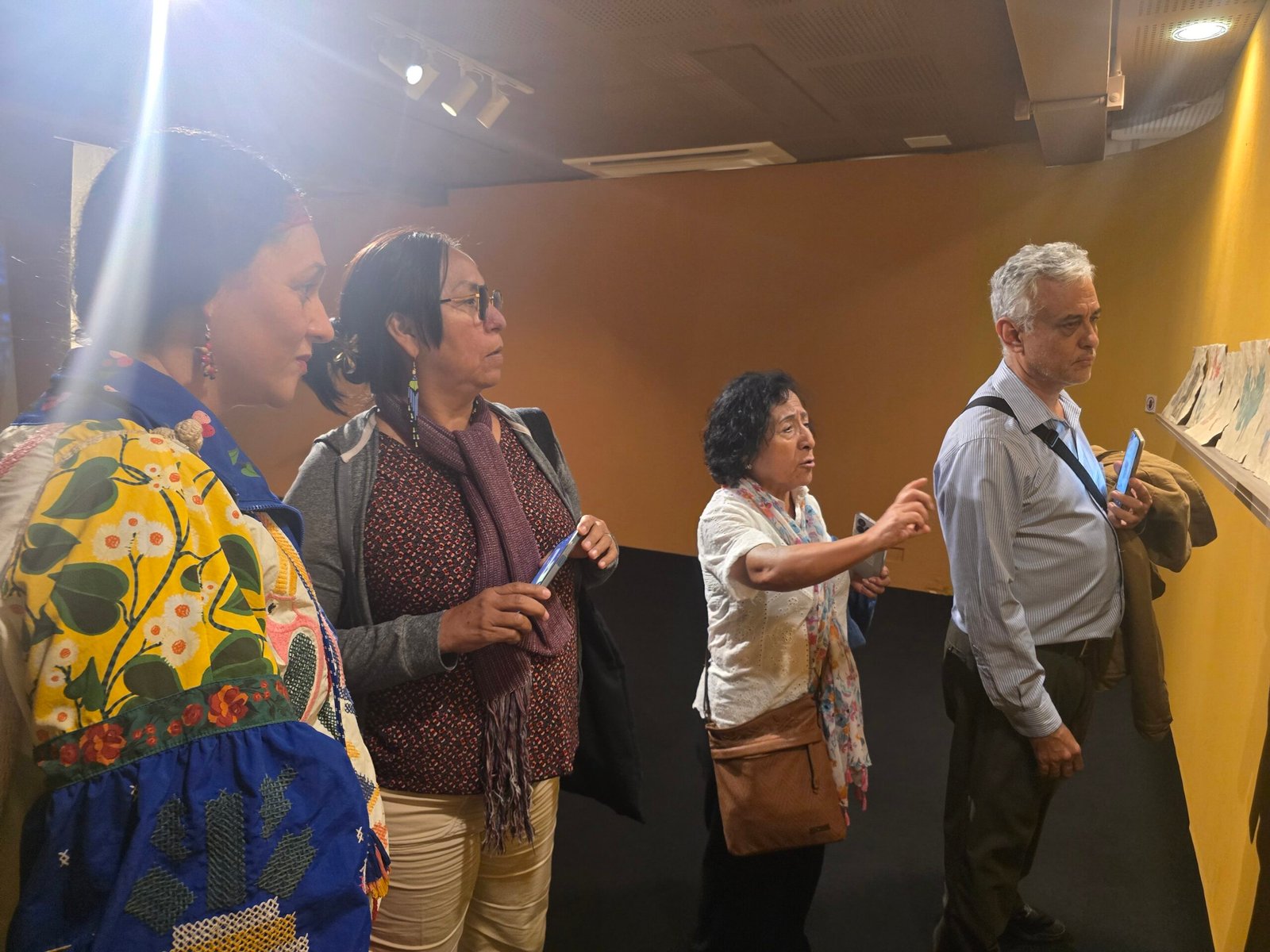
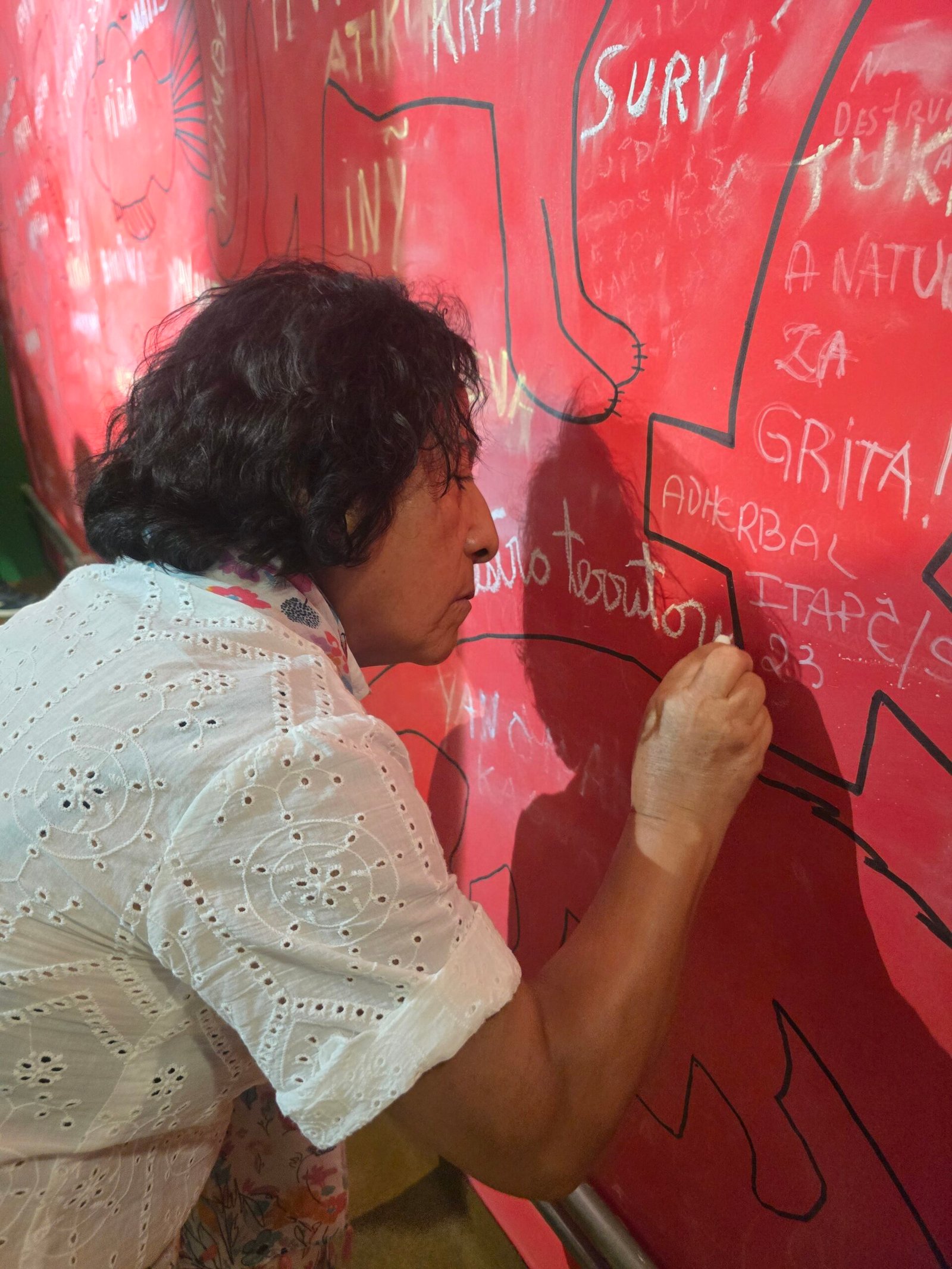
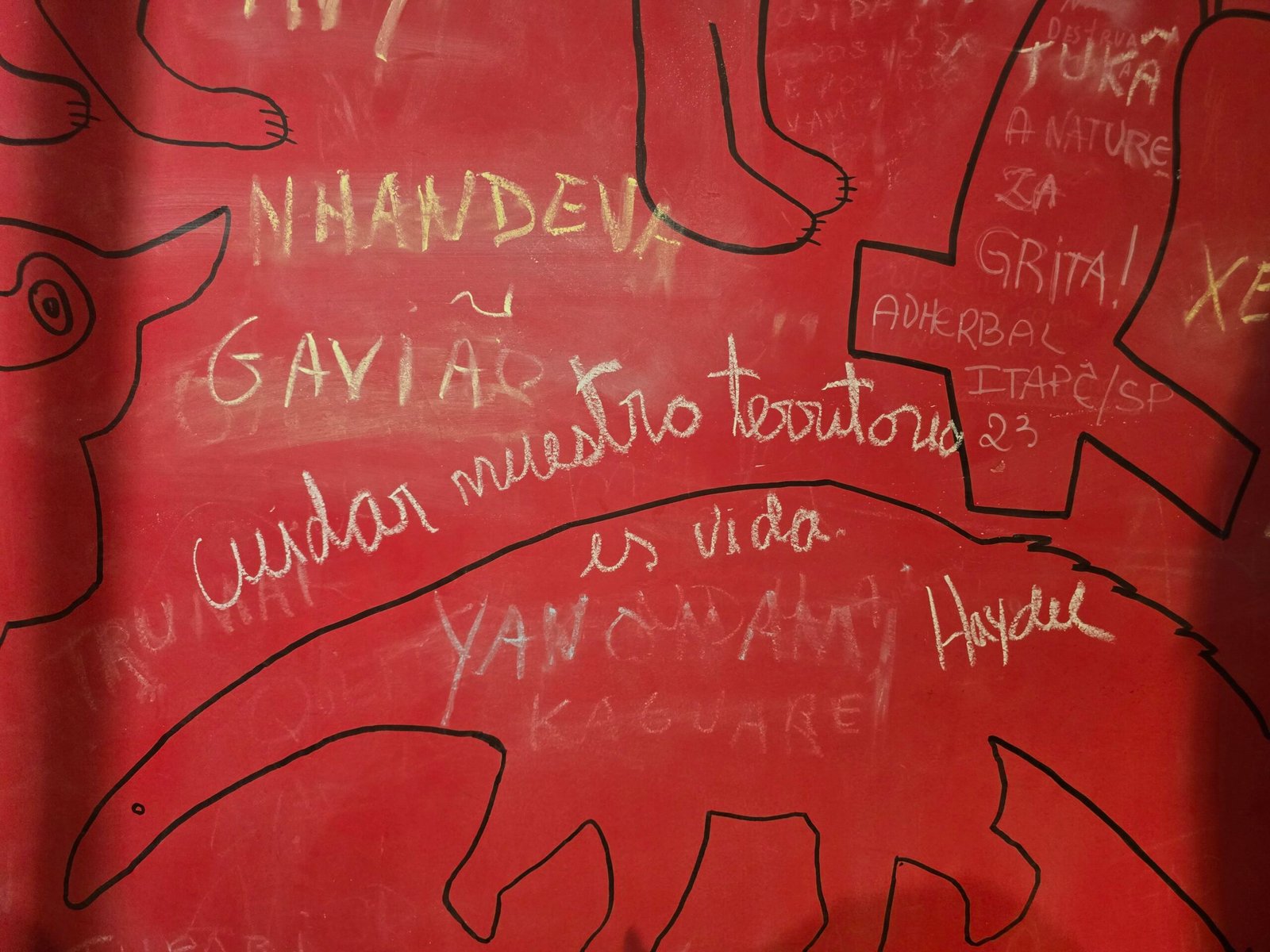
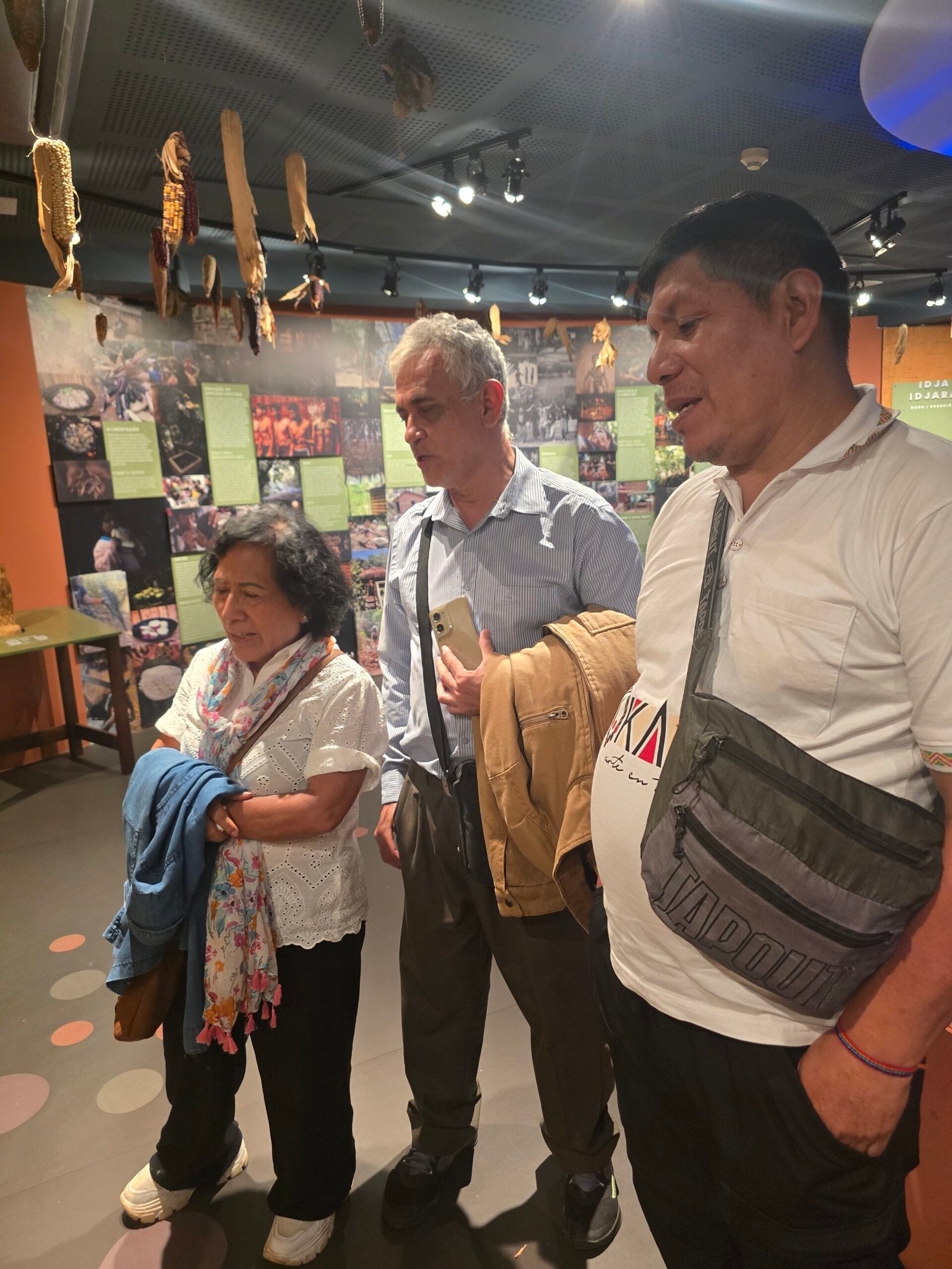
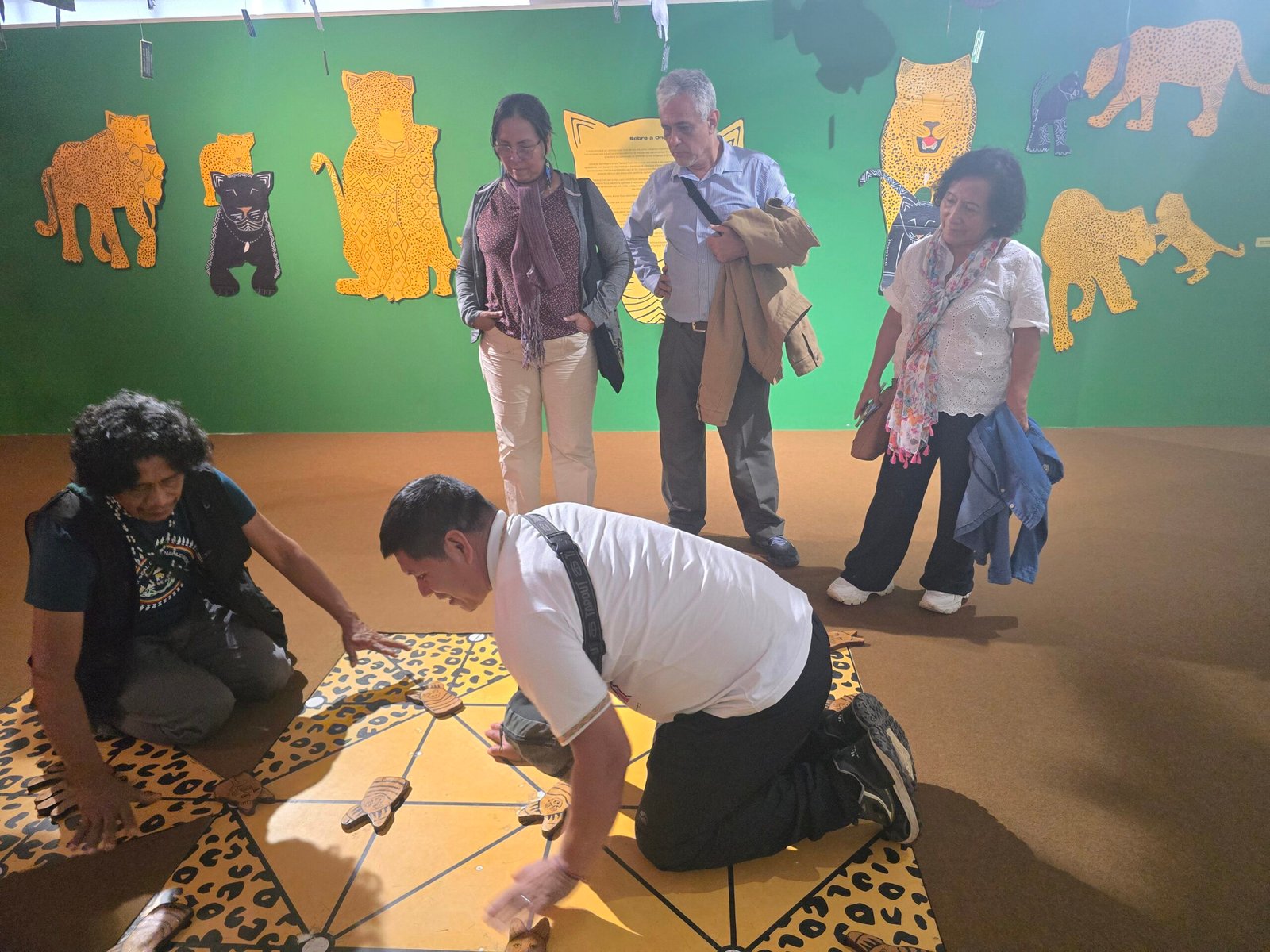
No museu, a conversa se ampliou para as produções, memórias e perspectivas dos povos indígenas no presente. Cristine compartilhou com o grupo a história de luta que tornou possível a criação do museu, seu acervo e as perspectivas que orientam esse espaço de memória, conhecimento e encontro. O dia terminou no SESC Pinheiros com o evento Kunhangue Nhemboaty, encontro de mulheres Guarani marcado pela partilha de narrativas.
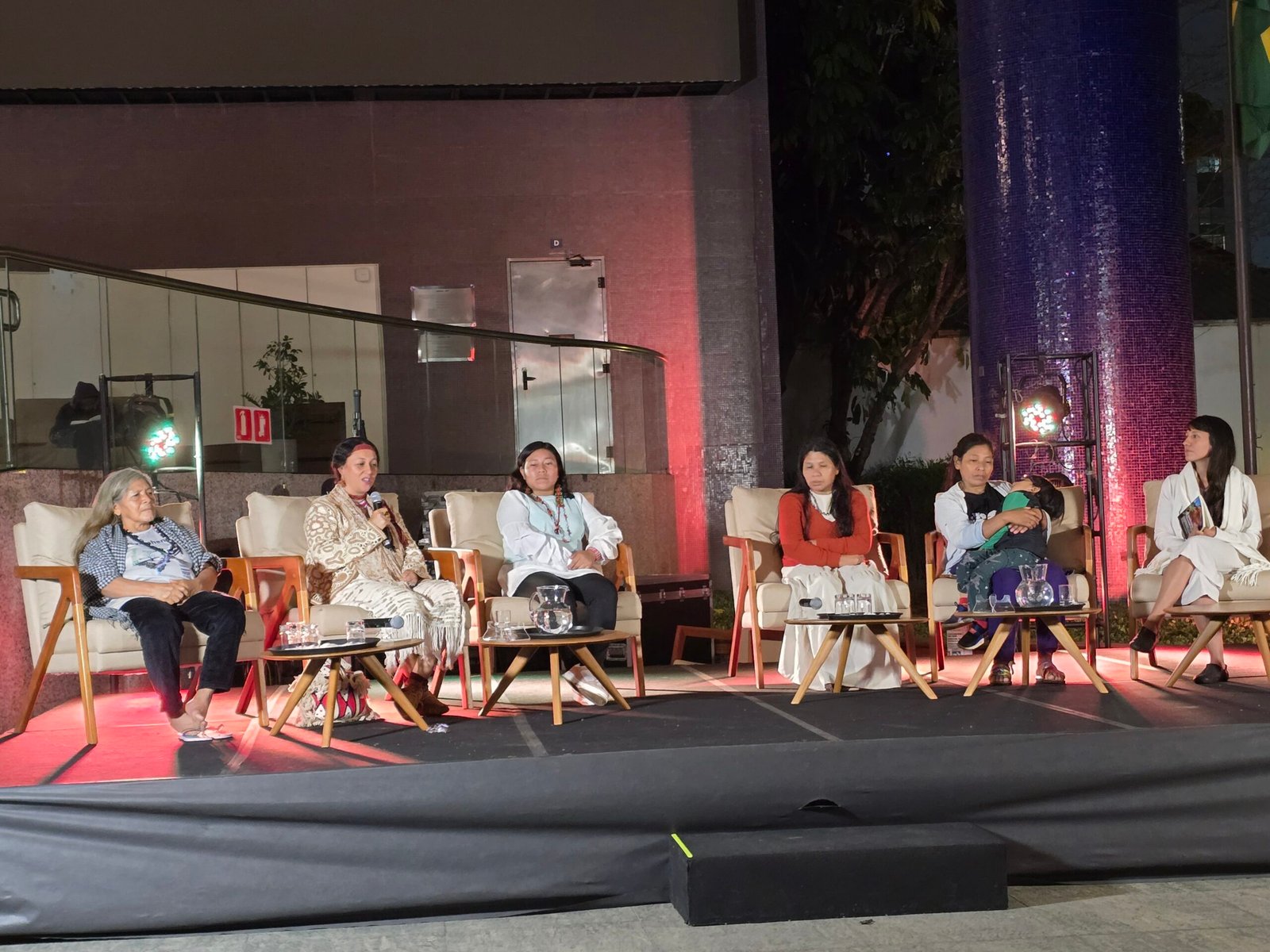
Cristine Takuá no evento Kunhangue Nhemboaty, encontro de mulheres Guarani. Foto: Acervo Selvagem.
Visita à “Viva Viva Escola Viva”
O final do intercâmbio aconteceu no dia 9 de agosto, junto ao encerramento da exposição VIVA VIVA ESCOLA VIVA no Instituto Tomie Ohtake, em São Paulo. Como parte da programação de encerramento, o grupo participou de uma caminhada com as plantas da exposição até o Parque do Rio Bixiga, atividade elaborada por Cristine Takuá, em um mutirão de plantio que celebrou o poder das medicinas, das memórias, dos mais velhos e do Rio Bixiga.
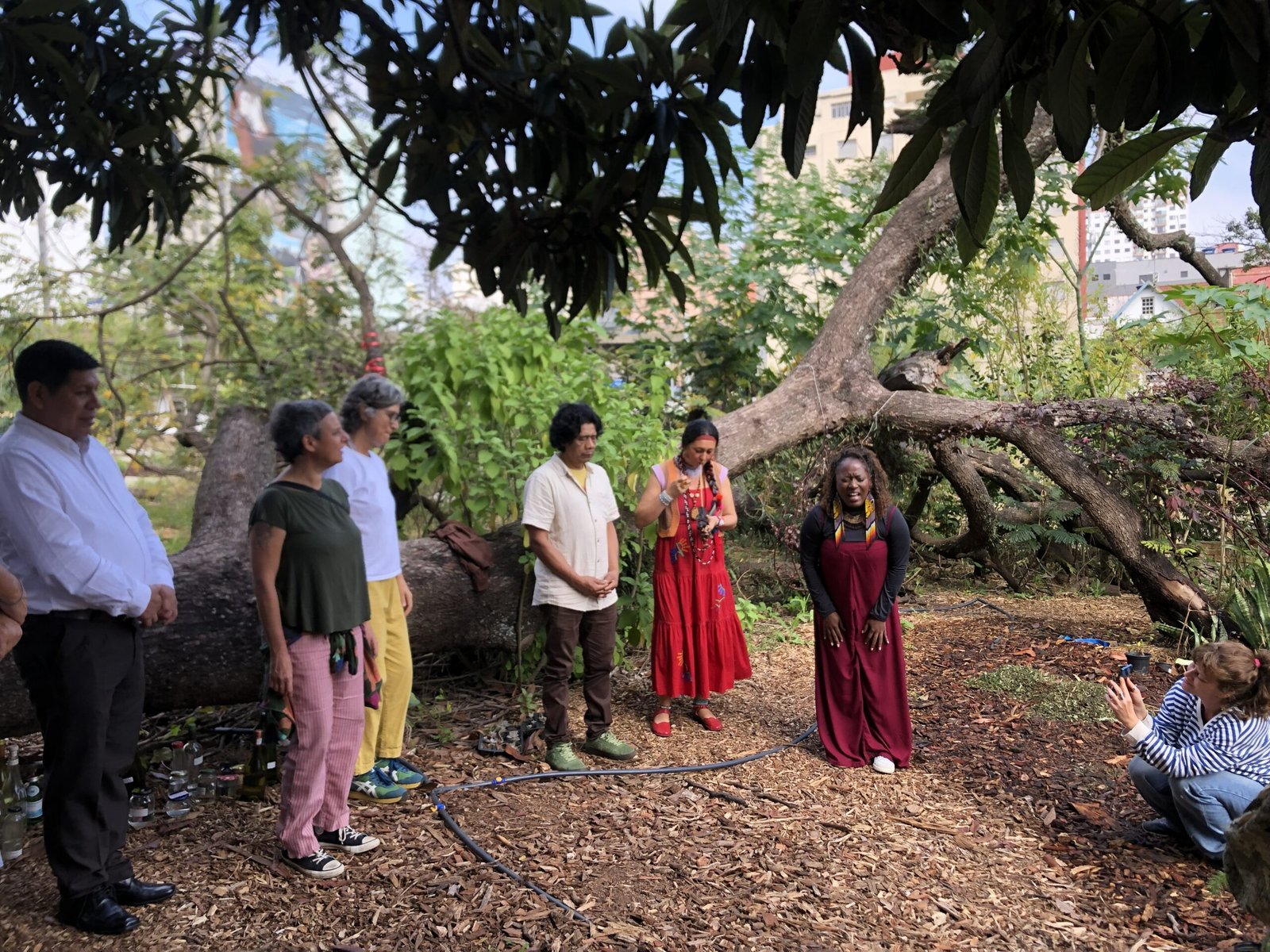
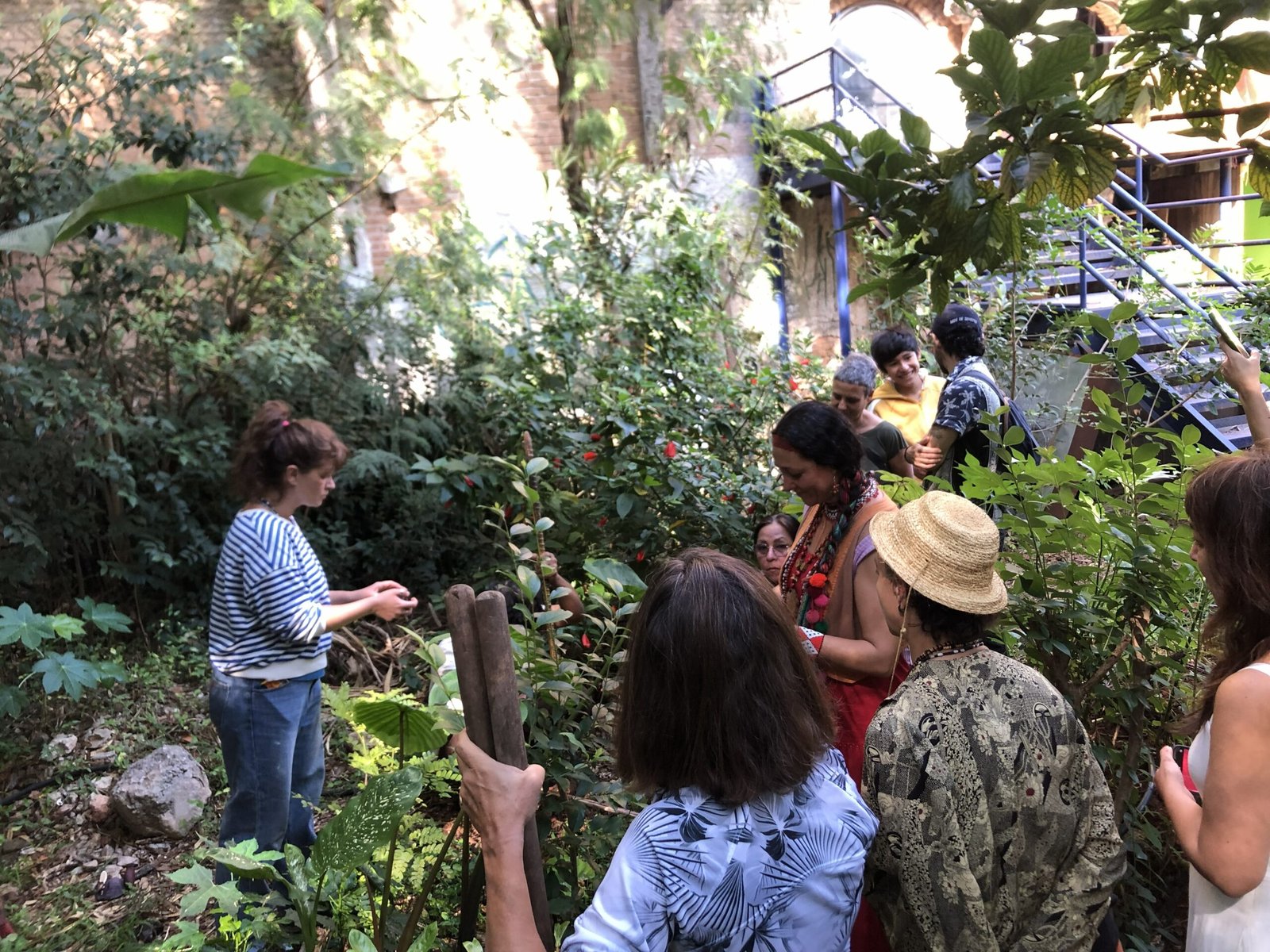
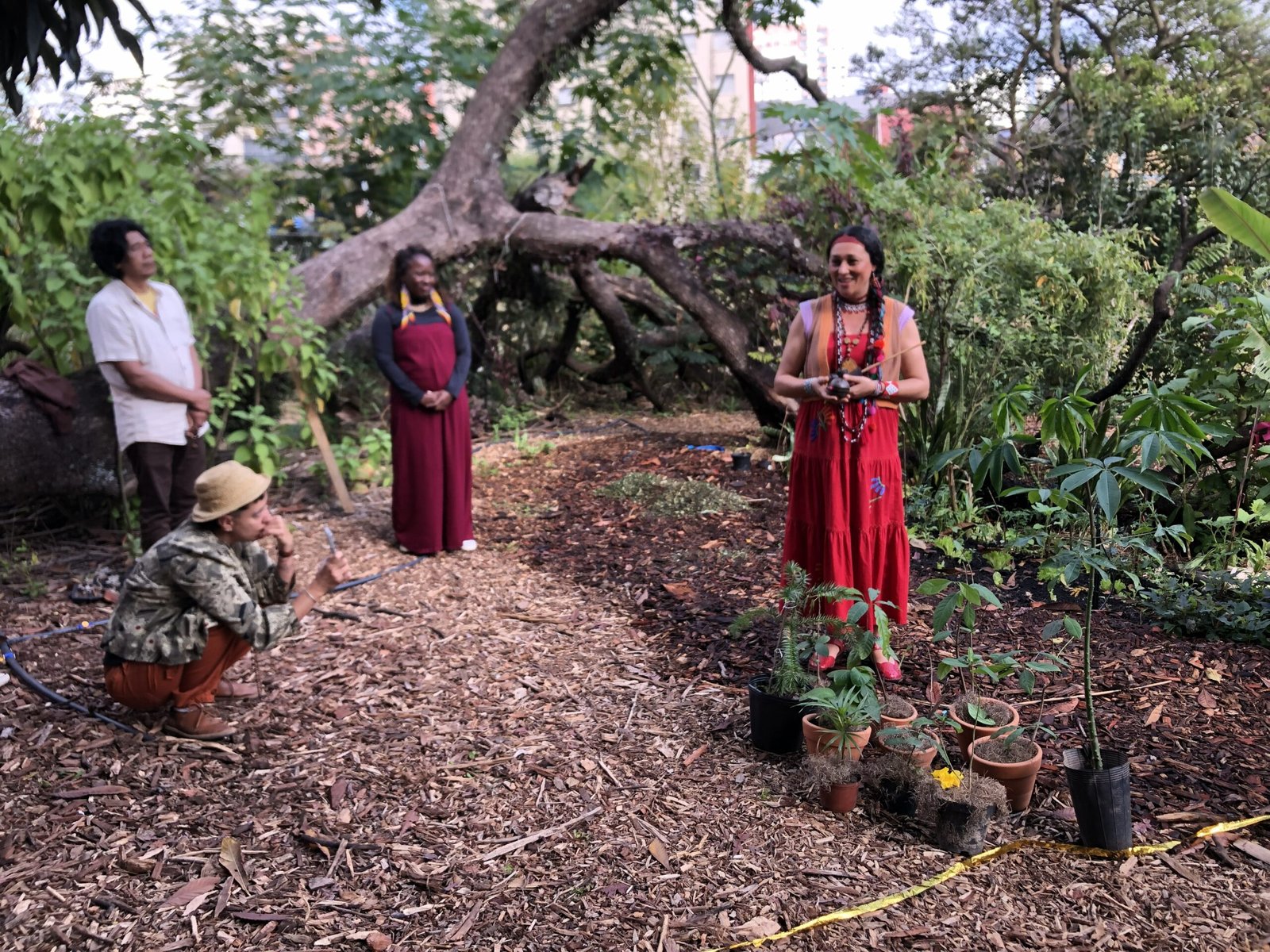
Caminhada com as plantas ao Parque do Rio Bixiga. Fotos: Acervo Selvagem.
No Instituto Tomie Ohtake, aconteceu a roda de conversa “Nosotras: a conversation on intercultural education” com os educadores da FORMABIAP, Cristine Takuá, curadora da exposição, e mediação de Veronica Pinheiro, seguida por uma visita mediada com Cristine.
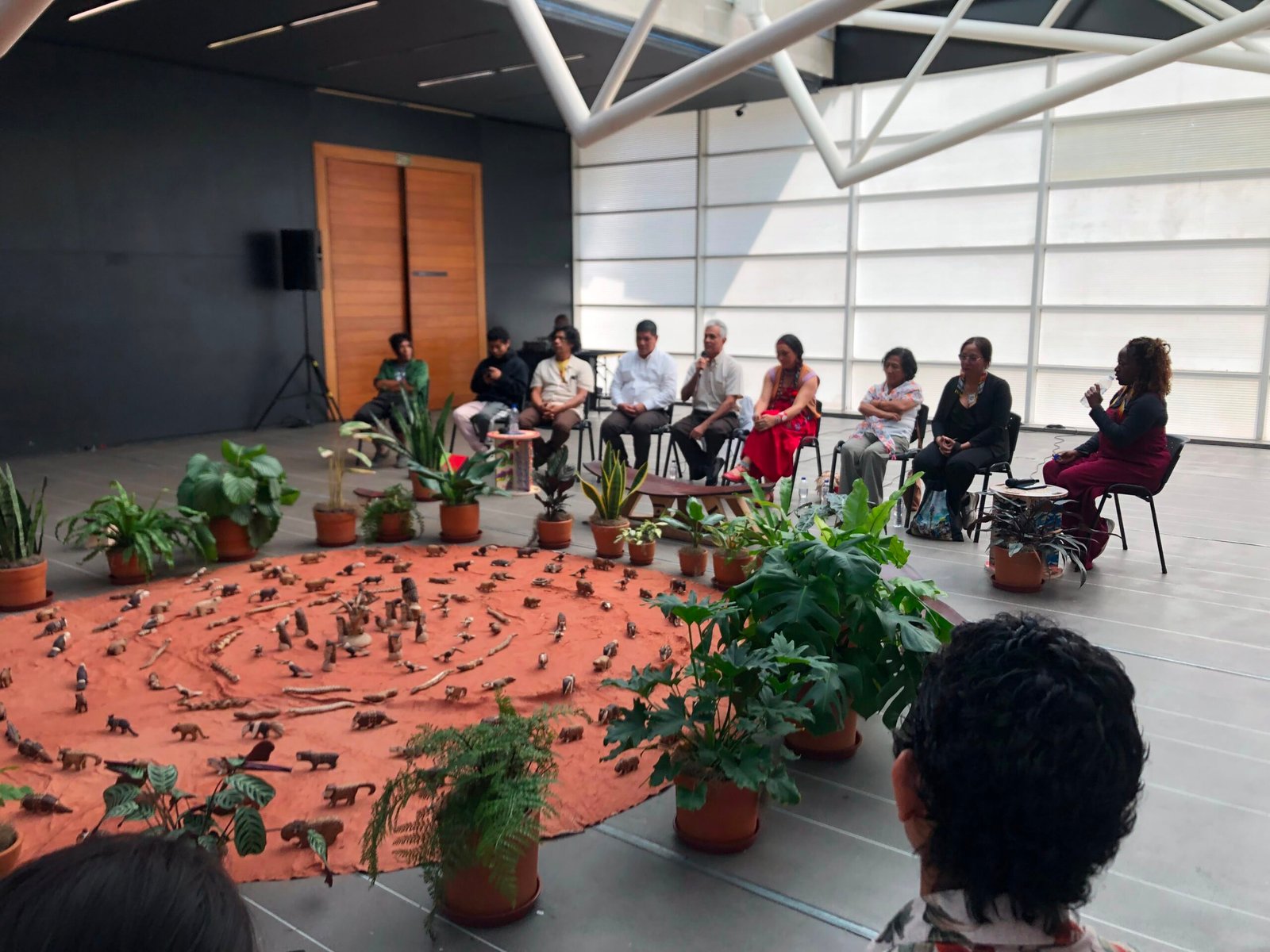
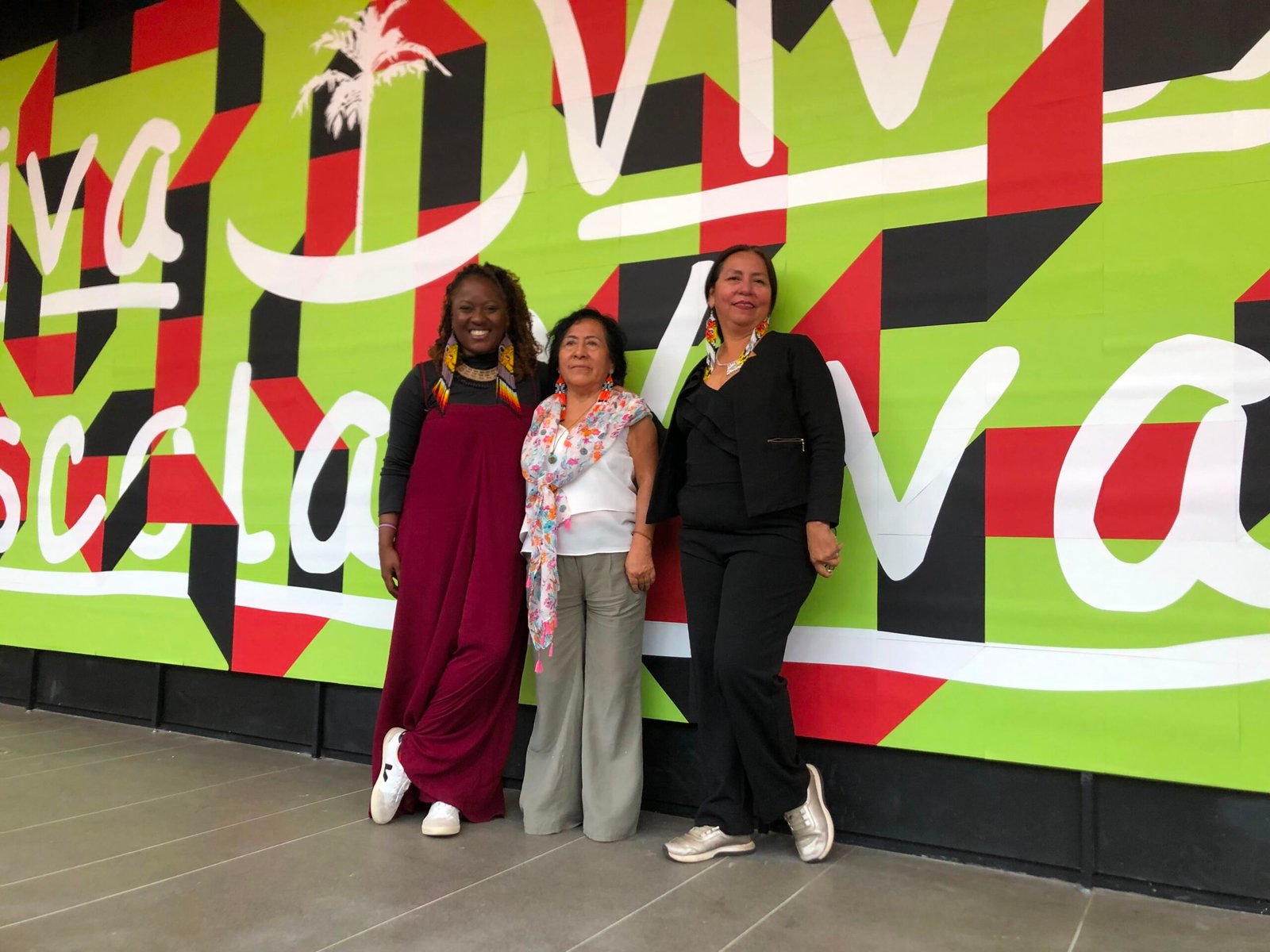
Roda de conversa e visita à exposição “Viva Viva Escola Viva”. Fotos: Acervo Selvagem.
Foram dias de muita troca, aprendizado e convivência, que aproximaram ainda mais os educadores do FORMABIAP e das Escolas Vivas, e que aumentaram o desejo de dar continuidade a essa parceria, ampliando as oportunidades de encontro, colaboração e aprendizado conjunto.
Sobre os educadores da FORMABIAP
CARLOS PANDURO BARTRA é licenciado em Educação e professor comprometido, com mais de 30 anos de experiência na formação de professores bilíngues da Amazônia peruana; consultor do Ministério da Educação e de outras instituições educacionais. Atualmente, atua como formador na área de sociedade do FORMABIAP.
HAYDEE ROSALES ALVARADO é linguista com mais de 30 anos de experiência na formação de professores bilíngues da Amazônia peruana, pesquisadora comprometida com o fortalecimento e a revitalização da língua kichwa (quechua) e consultora do Ministério da Educação e de outras instituições educacionais na elaboração de materiais didáticos relacionados às línguas indígenas. Atualmente, é professora no FORMABIAP.
MARITZA RAMÍREZ TAMANI é uma liderança indígena, ativista e gestora cultural, originária dos povos Kukama-Kukamiria e Kichwa (Quechua), cuja trajetória tem se concentrado na defesa da identidade cultural popular amazônica. É integrante do Comitê Promotor do Carnaval Popular de Iquitos, formada em Educação e com experiência profissional em diversas instituições públicas estaduais. Atualmente, é professora e coordenadora acadêmica da área de Educação Intercultural Bilíngue (EIB) da EESPP-Loreto.
RICHARD RICOPA YAICATE é professor do povo indígena Kukama Kukamiria, com ampla experiência em Educação Intercultural Bilíngue: como professor em sala de aula em seu povoado, formador de professores em educação intercultural bilíngue em programas de educação inicial e continuada, elaboração de materiais didáticos, desenvolvimento curricular, professor de Educação Primária EIB do povo Kukama Kukamiria. Atualmente, atua como professor formador de EIB na área de Prática e Pesquisa no FORMABIAP.