




"LONG LIVE THE LIVING SCHOOL":
paths of the new Living Schools exhibition
29 May 2026
Paintings, basketry, woven textiles, and sculptures created in the territories of the five Living Schools (Baniwa, Guarani, Huni Kuin, Maxakali, and Tukano-Desana-Tuyuka) will be featured in the new edition of the exhibition "Long Live the Living School", curated by Cristine Takuá, which will run from June 10 through August 9 at the Tomie Ohtake Institute in São Paulo.
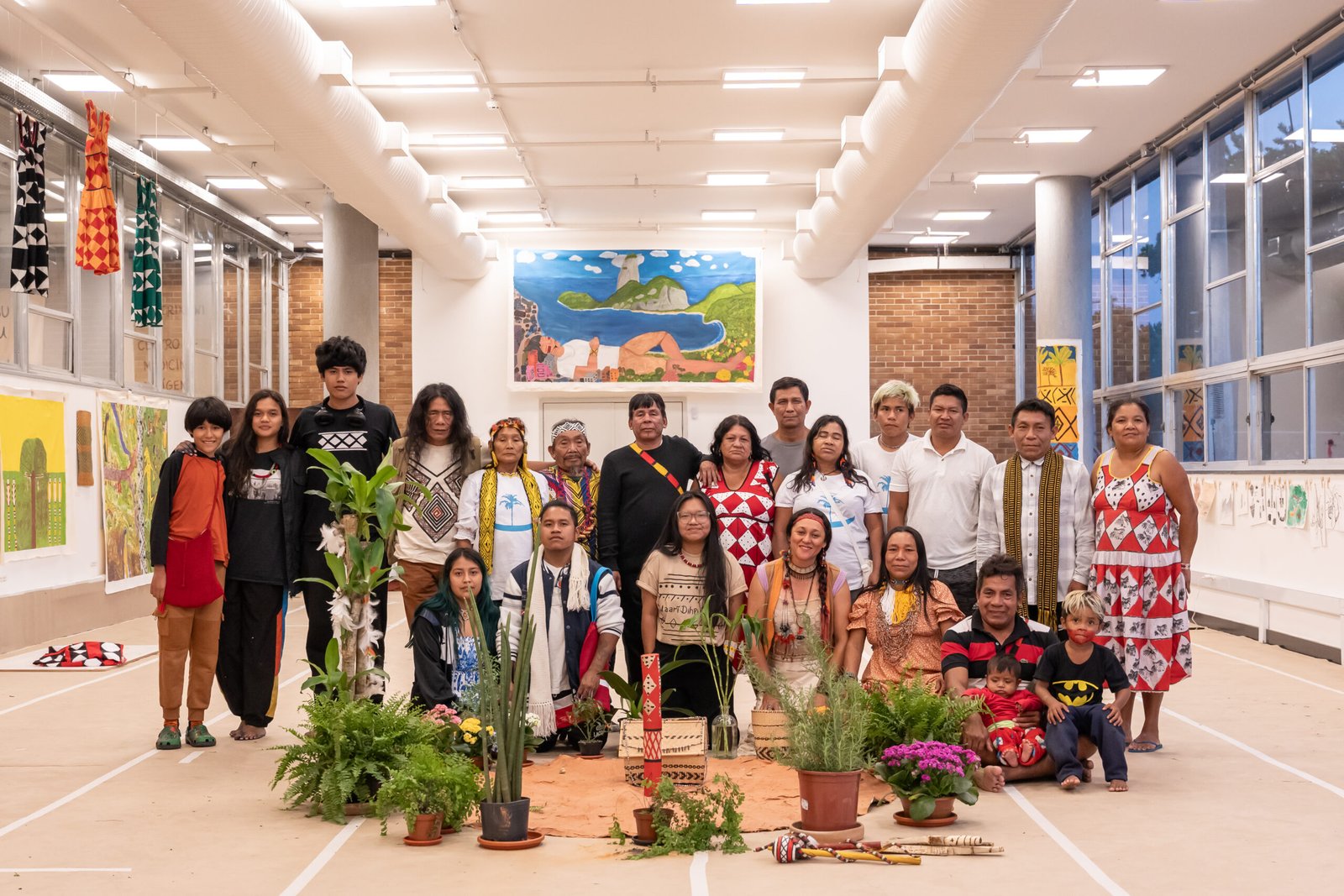
Artists and coordinators of the Living Schools at the Living School House Indigenous artistic residency in 2025.
Photo: Elea Mercurio
Before arriving at the Tomie Ohtake Institute, Selvagem held the first Living Schools exhibition at Casa Brasil, in Rio de Janeiro, between December 2023 and January 2024. Since then, the art produced by the Living Schools has been strengthened, celebrated, and expanded through various initiatives by Selvagem, including the Living School House artistic residency, in October 2025 at the Museum of Modern Art of Rio de Janeiro (MAM – Rio).
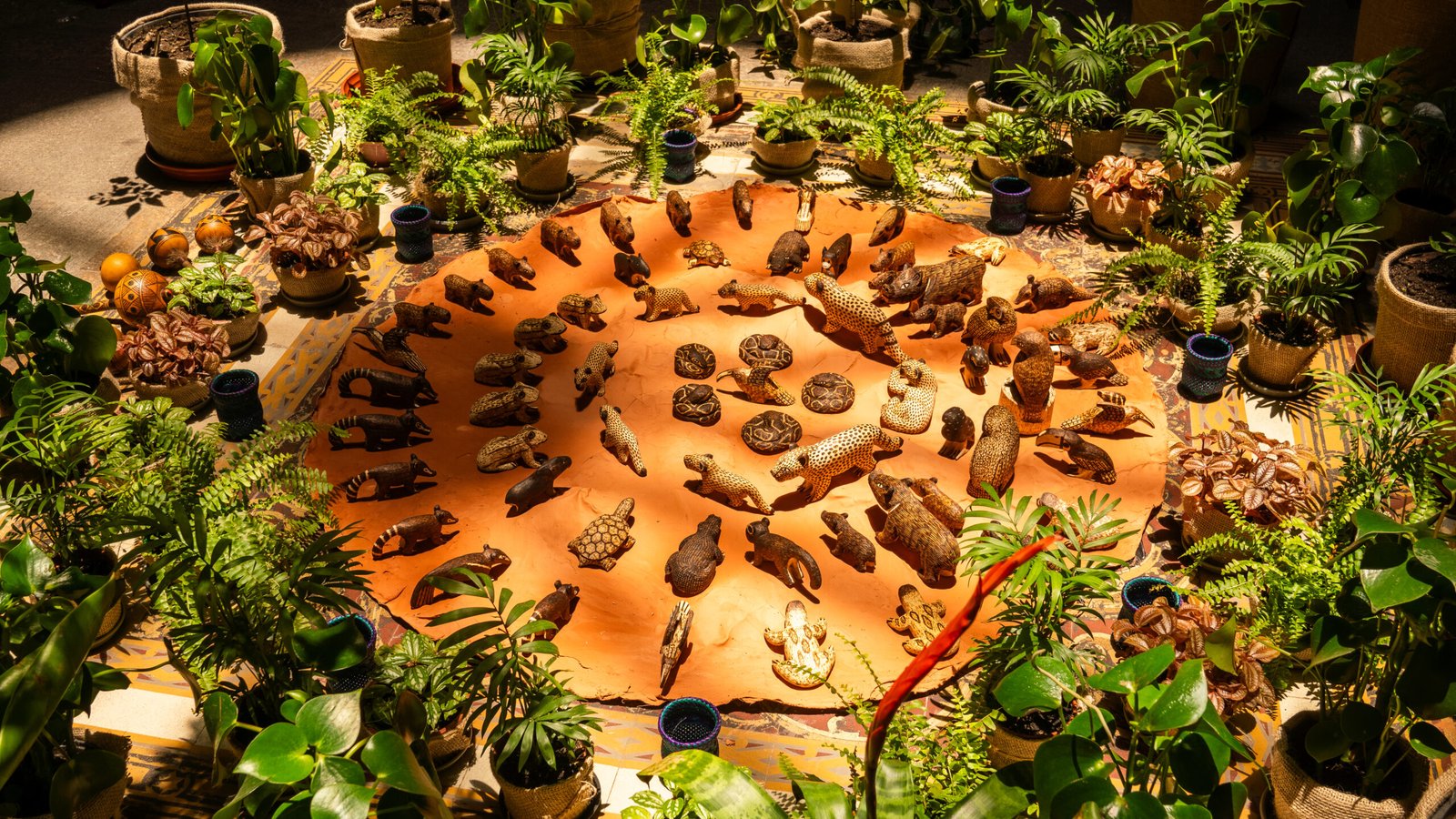
“Long Live the Living School” exhibition at Casa Brasil between 2023 and 2024 in Rio de Janeiro.
Photo: Clara Almeida.
The artworks of the new exhibition emerged both from the artistic residency and from the workshops held in the Living Schools communities, which have been taking place since 2024 and were designed based on the communities’ interests and traditional practices. Each workshop was a moment of creation, gathering, and celebration of their knowledge, bringing together children, youth, artists, masters, and families who will now share their creations with the public.
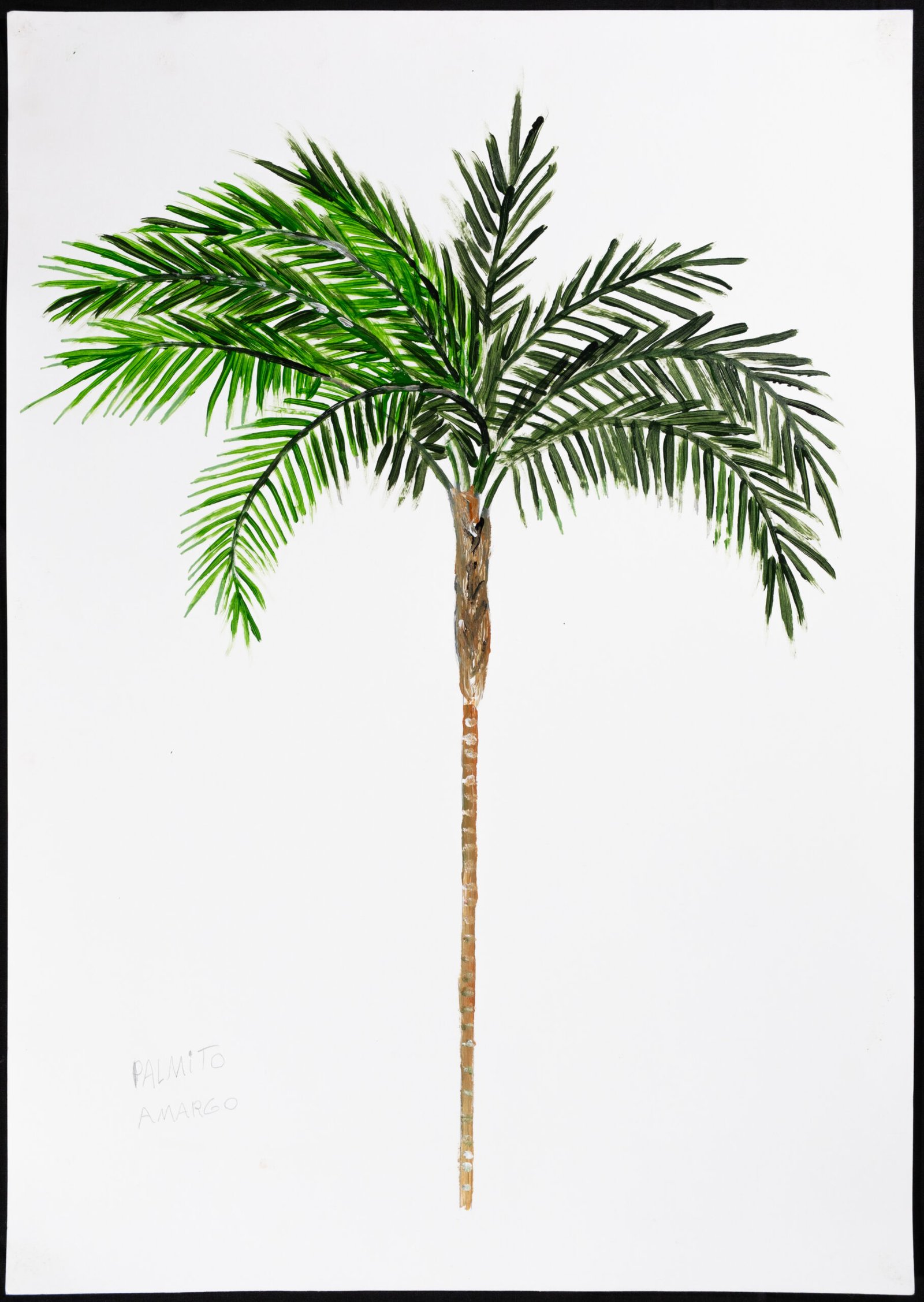
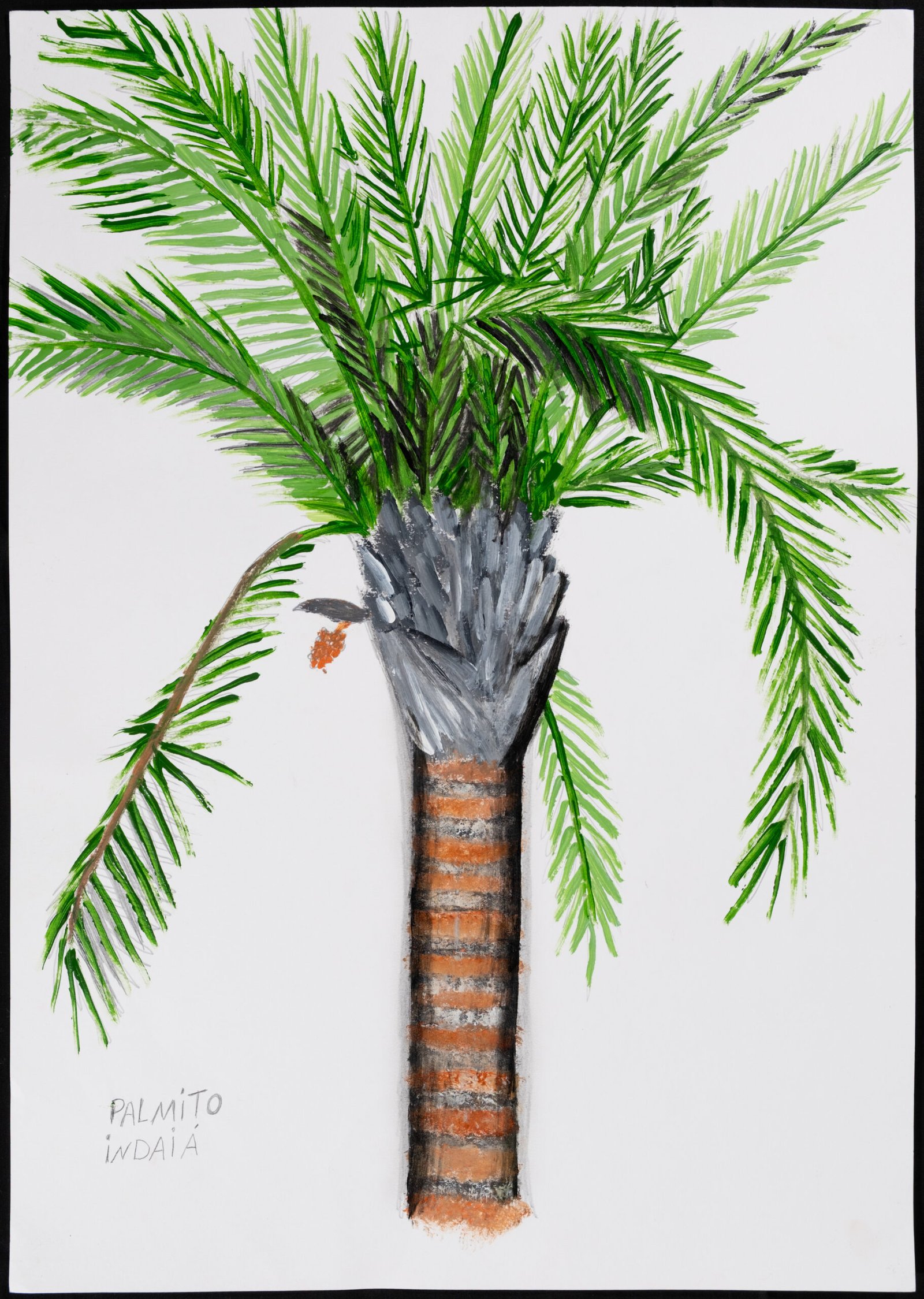
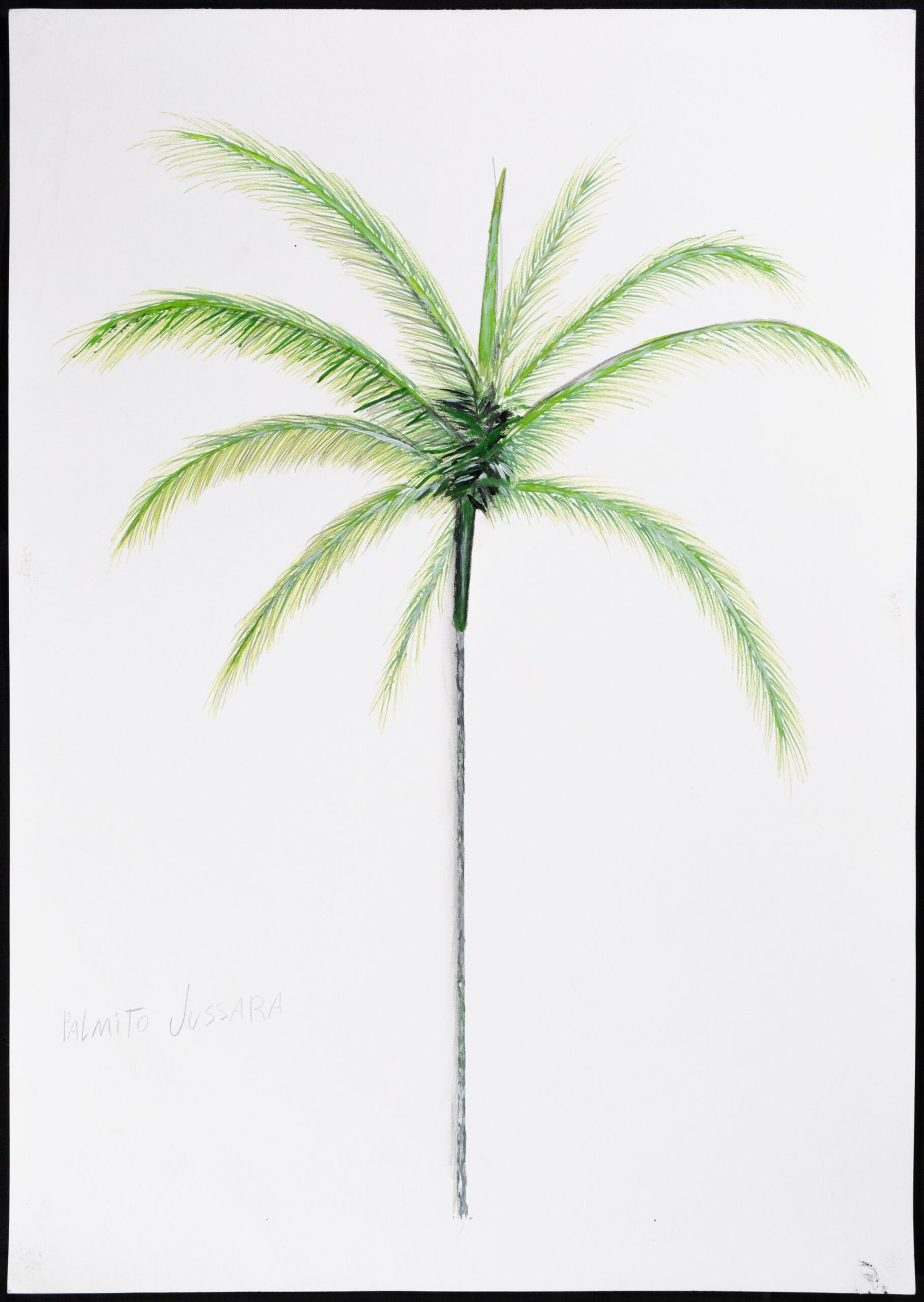
Palm trees painted by young Guarani artists during a workshop at the Guarani Living School, in February 2025
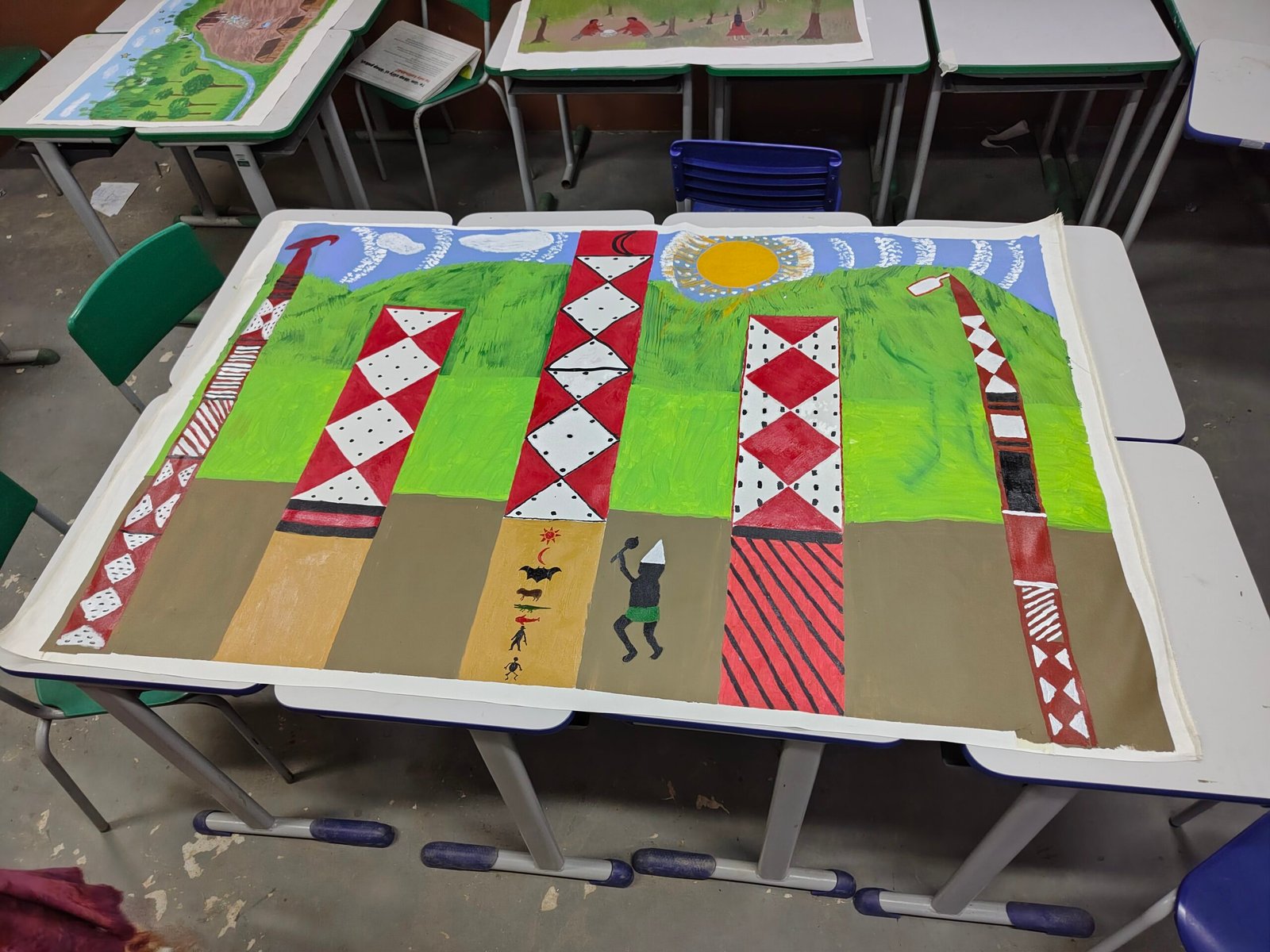
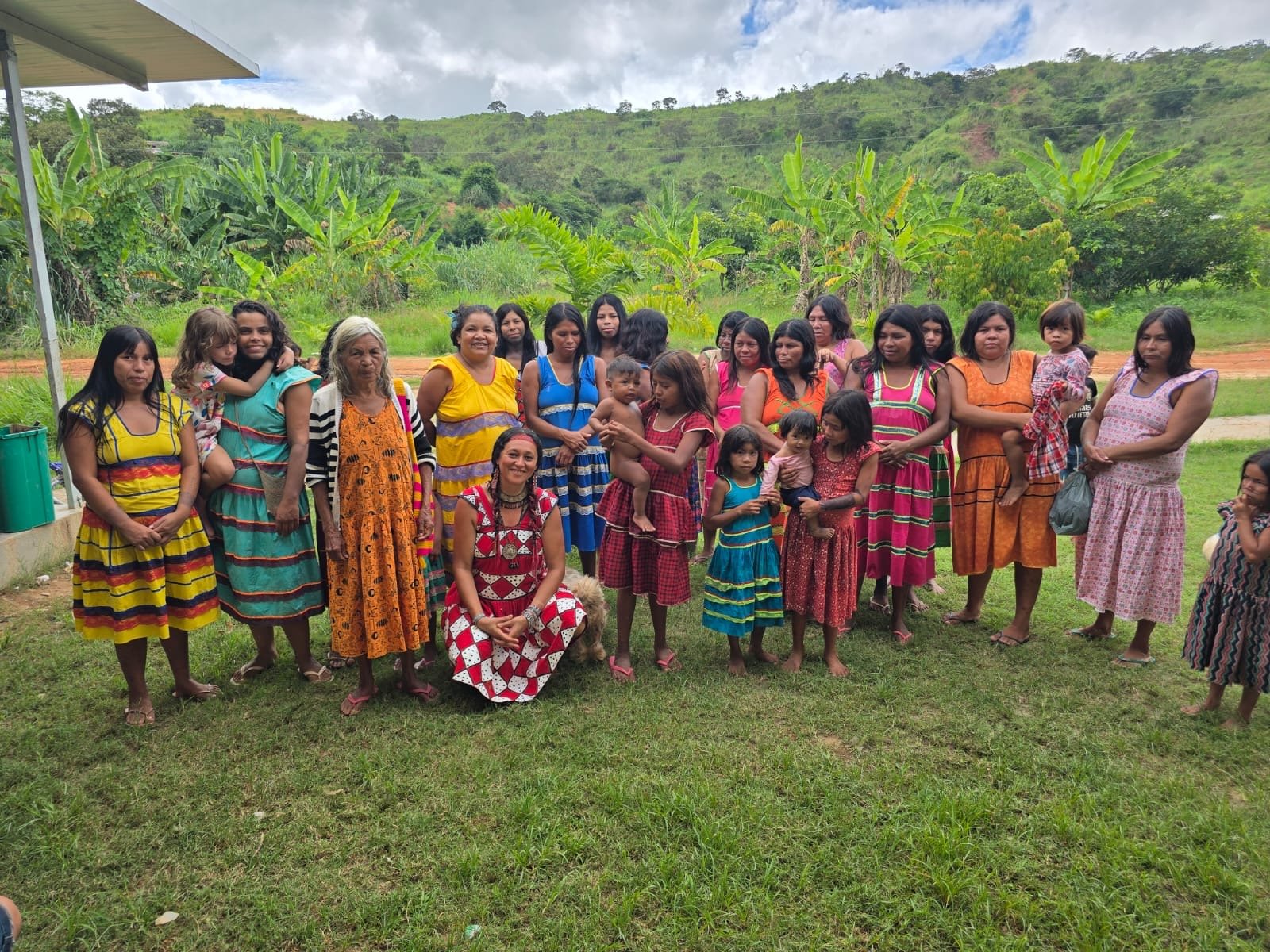
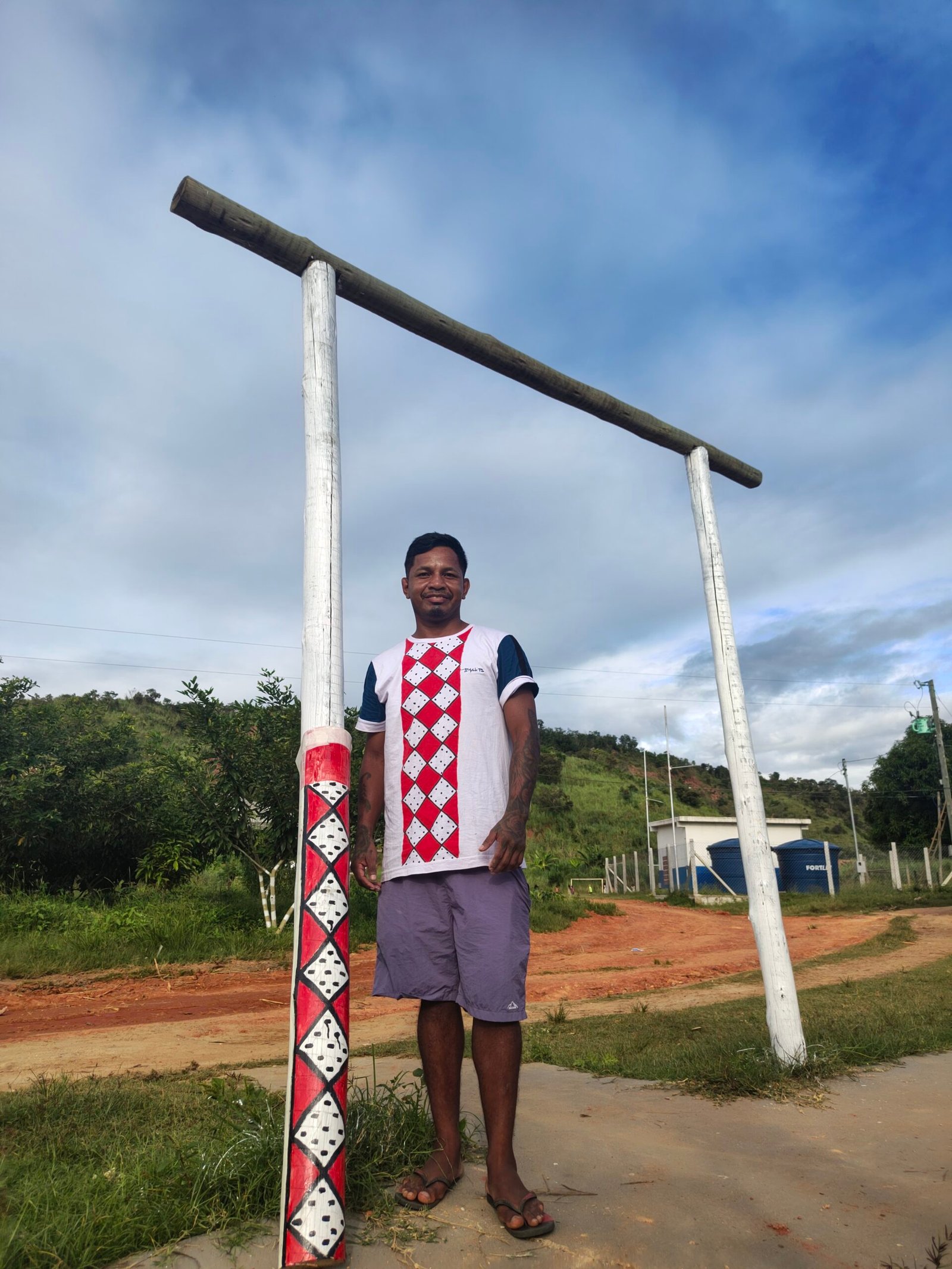
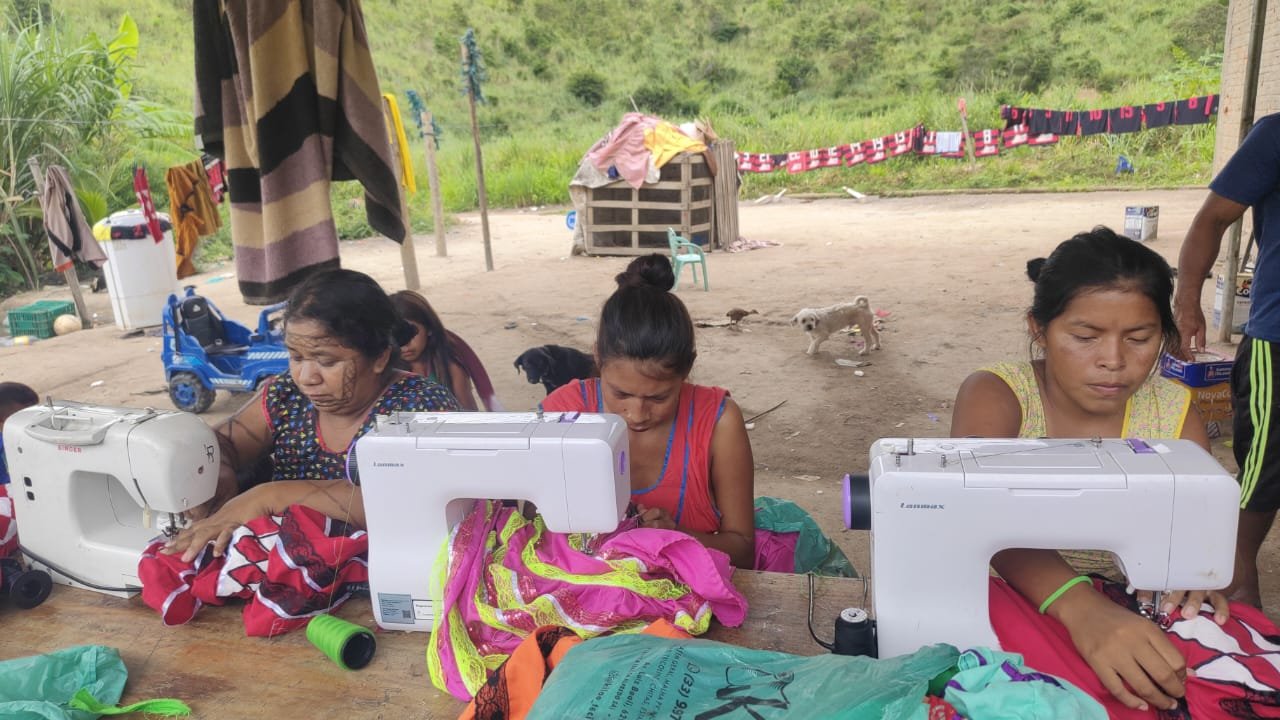
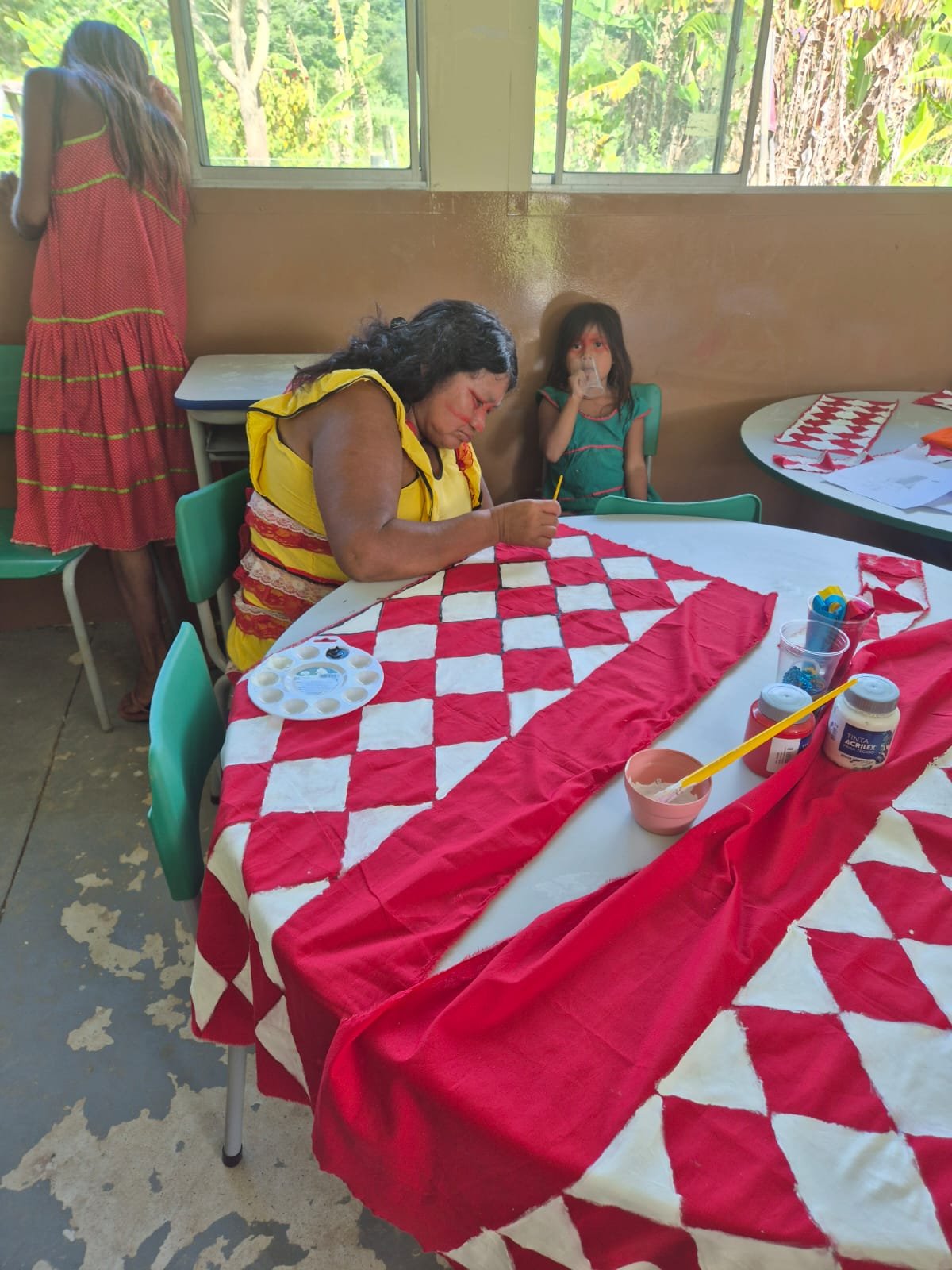
At the Forest School Village, the Maxakali Living School, the workshops took place in August 2024 and between March and April 2026, among with the process of establishing a House of Arts in the region. During the sessions, individual and collective canvases were produced, a mîmãnãn pole—“pole of religion” in the Maxakali language—was carved and painted, and garments that bridge the relationship between the village and the yãmiyxop, ancestral spirits, were woven and decorated.
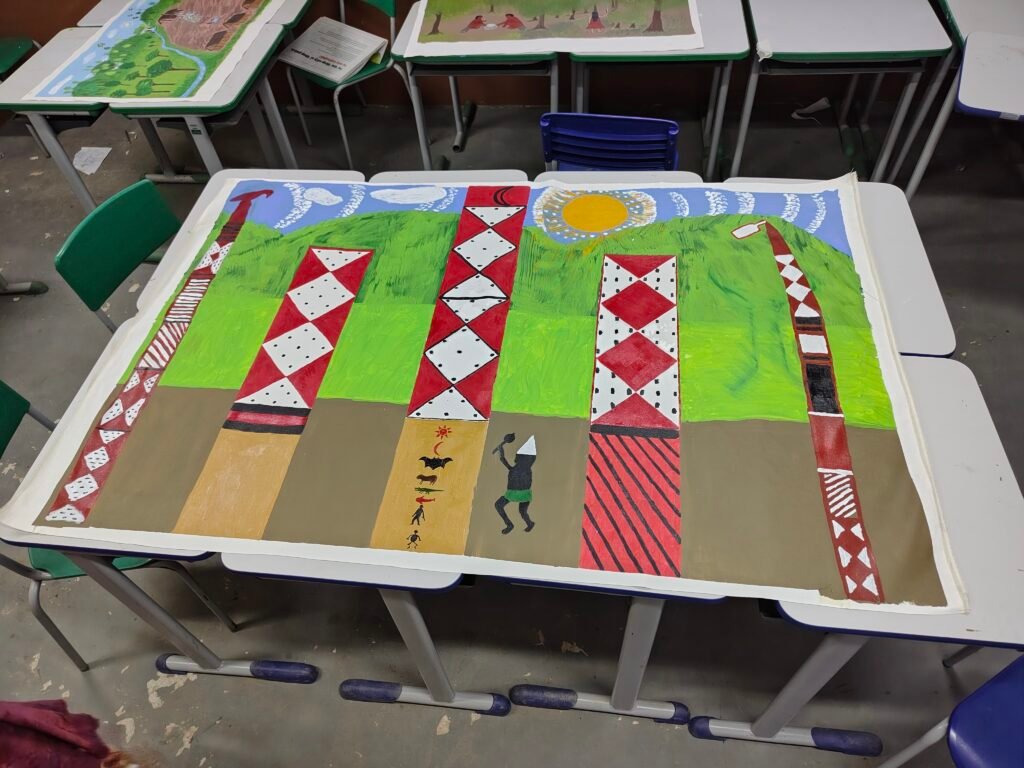
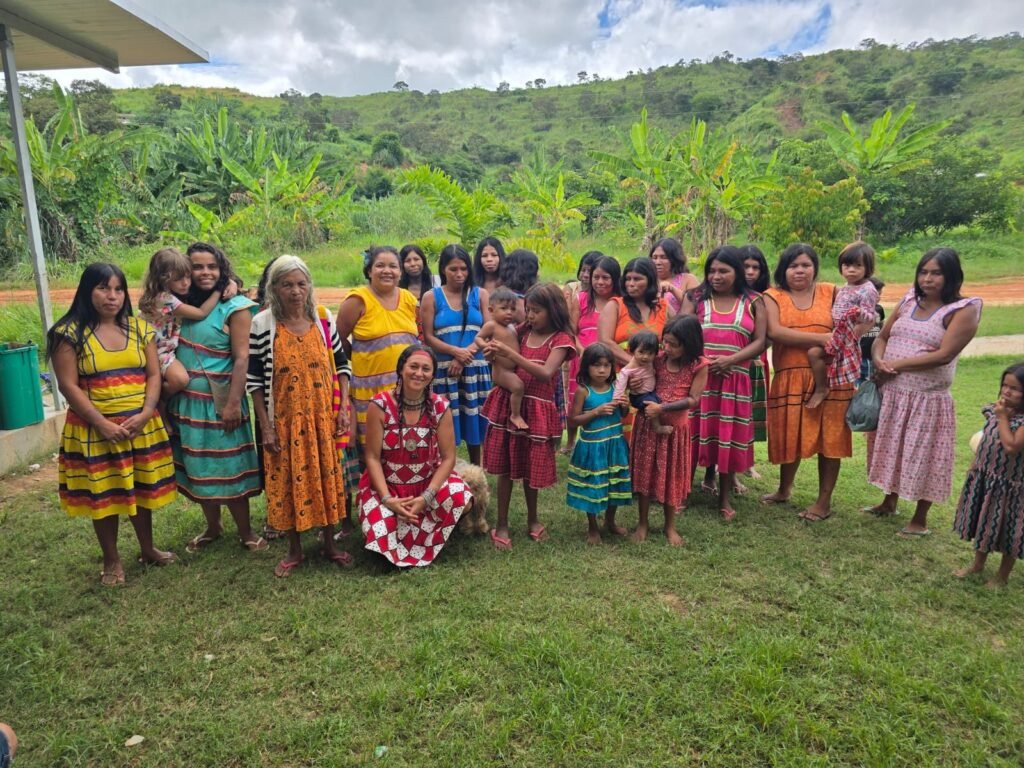
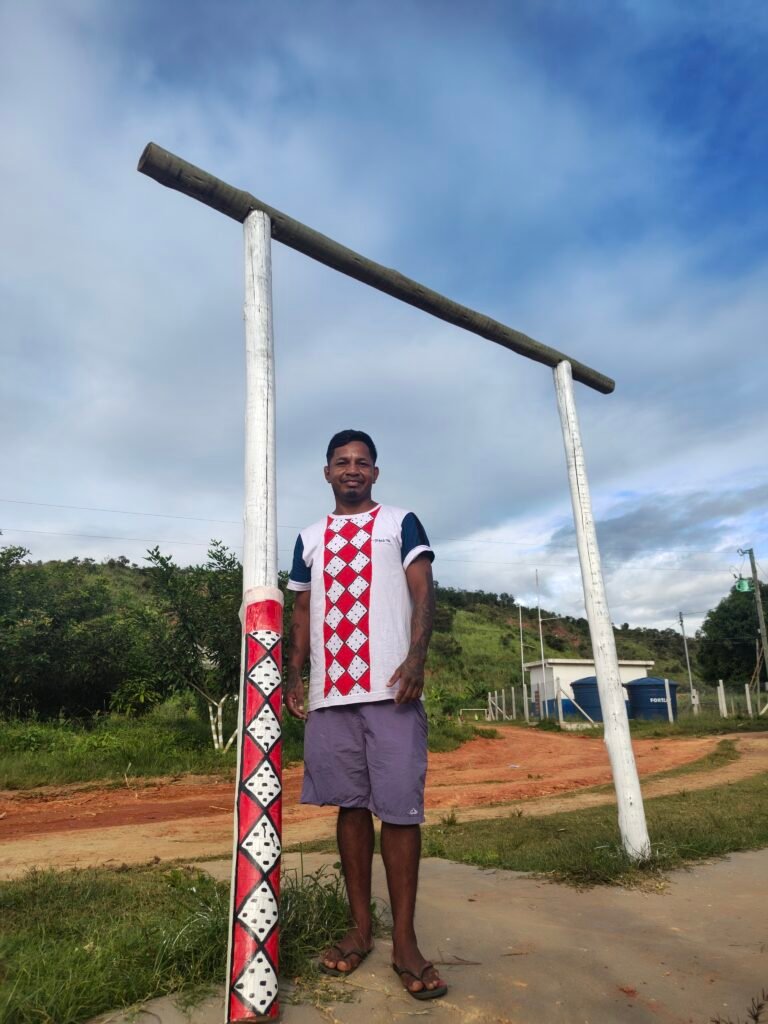
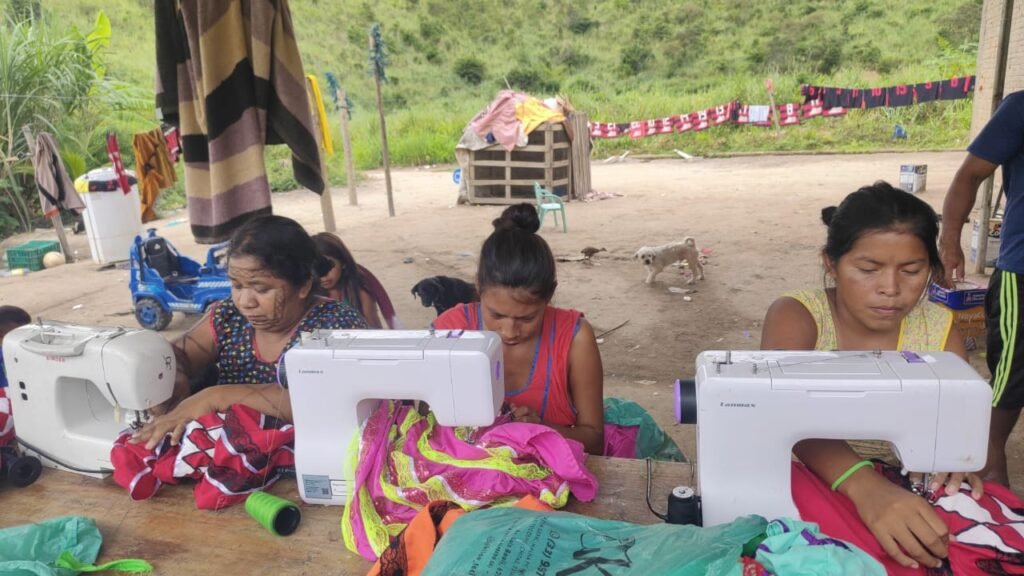
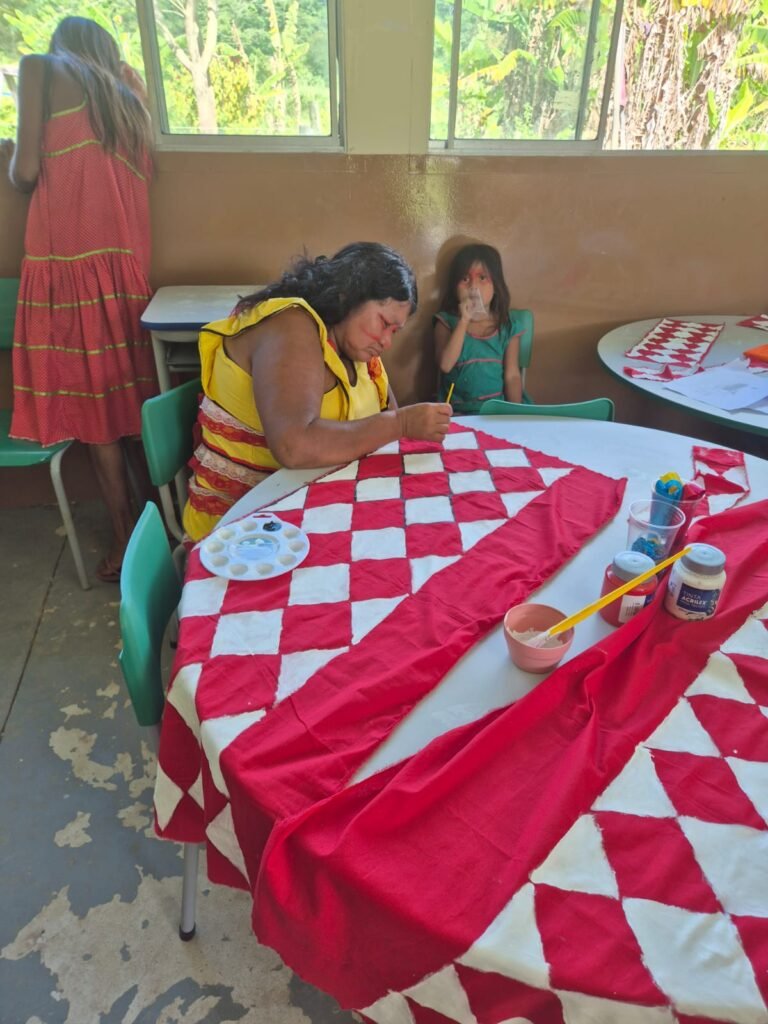
Artwork created during a workshop at the Maxakali Living School in March 2026
In February and October 2024 and January 2026, at the Guarani Living School, Arandu Porã, young people created paintings based on stories told by Carlos Papá, coordinator of the Living School, as well as a series of illustrations of Nhe’ëry palm trees, created throughout the AYVU PARÁ study cycle, and the construction of a “house of darkness”, an installation that will be featured in the new exhibition and will be completed at the Tomie Ohtake Institute itself.
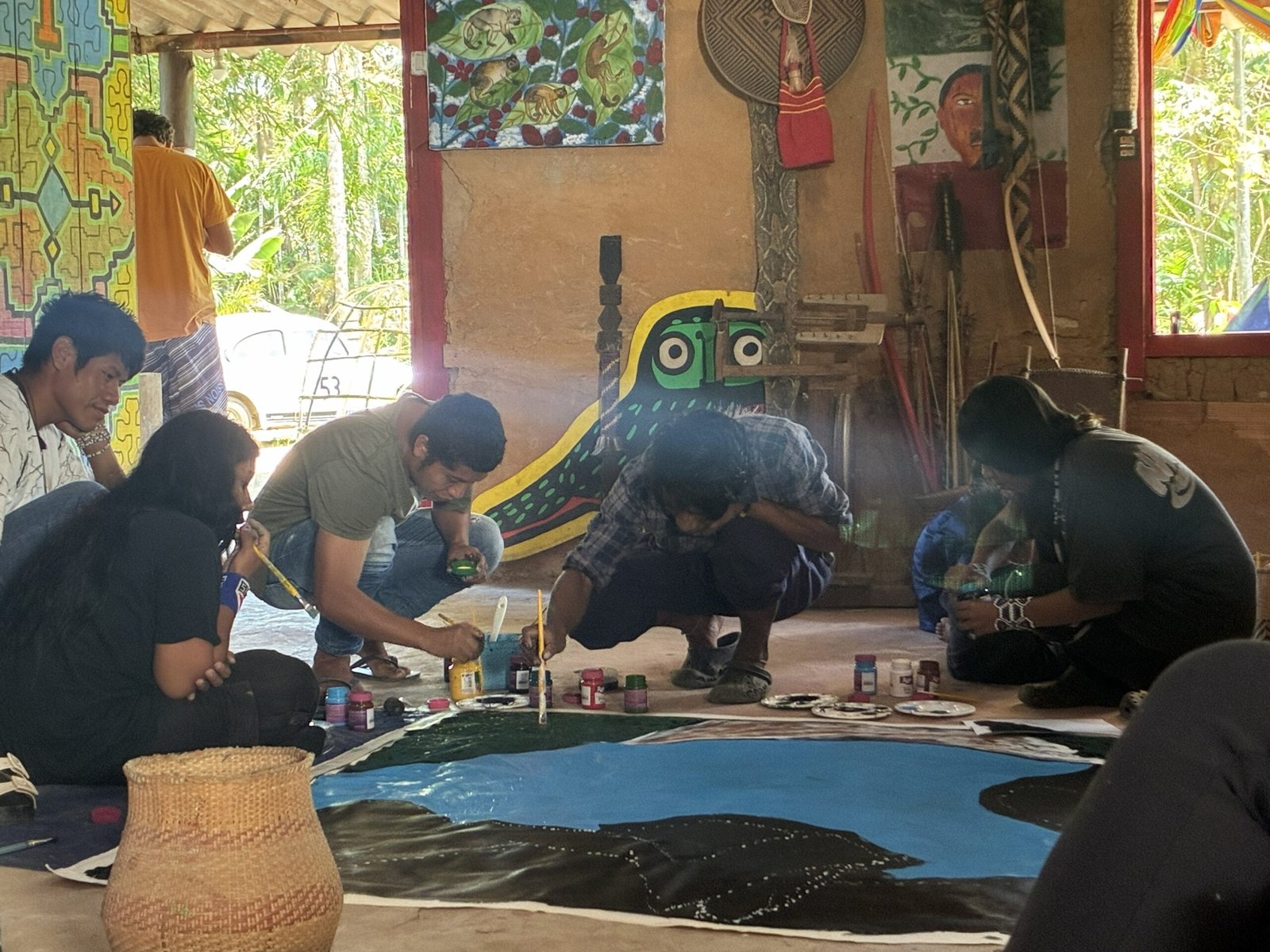
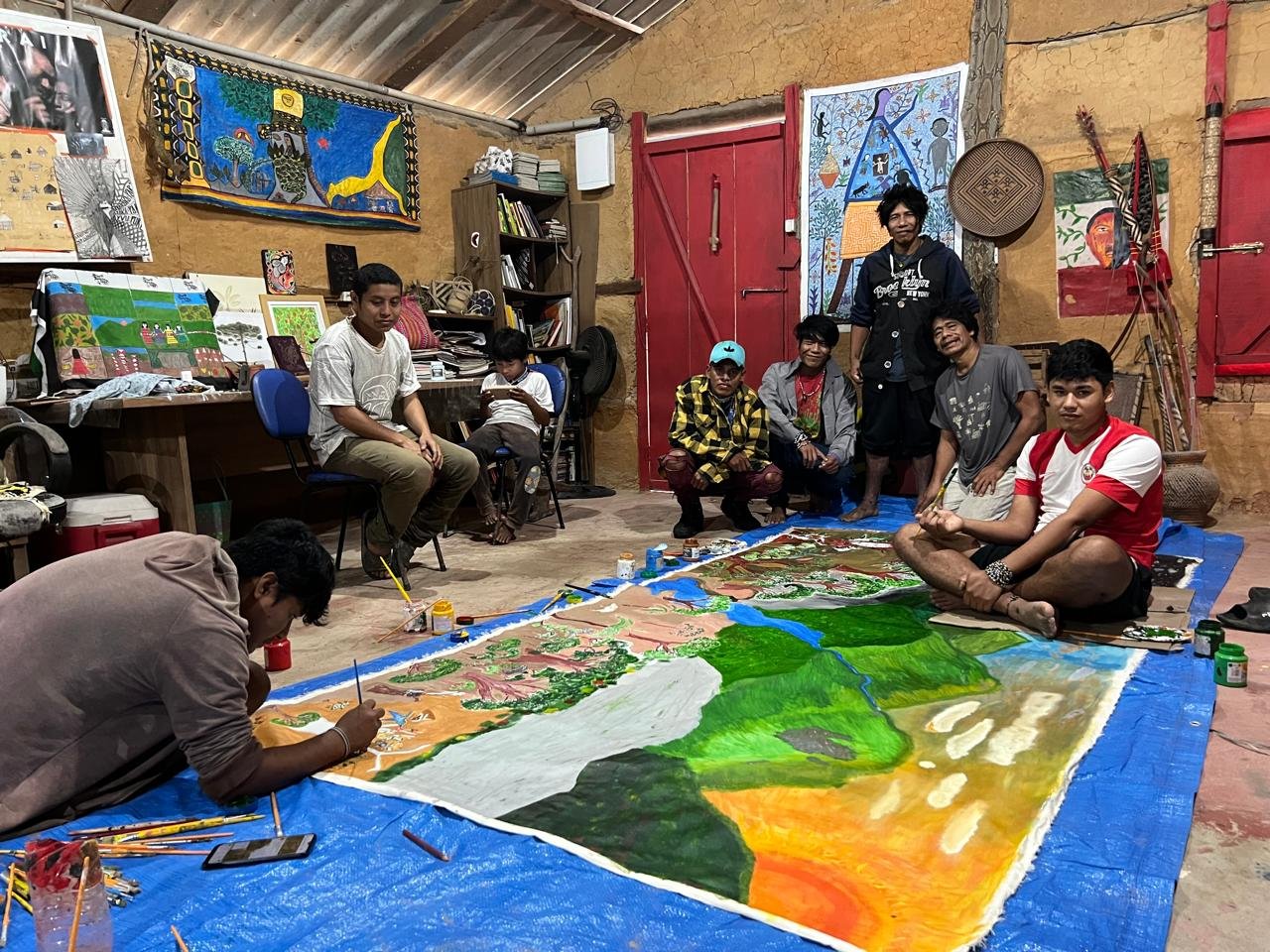
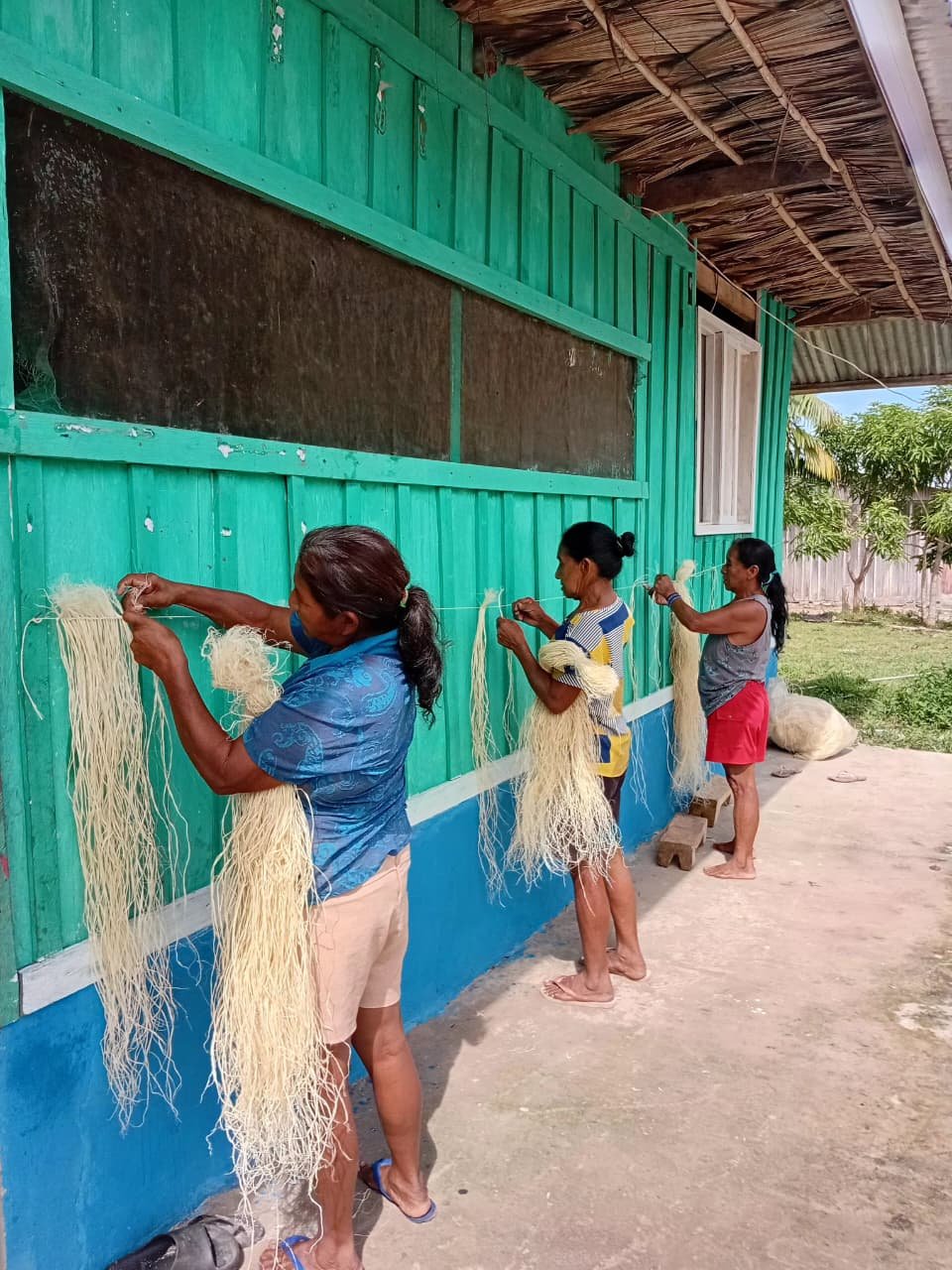
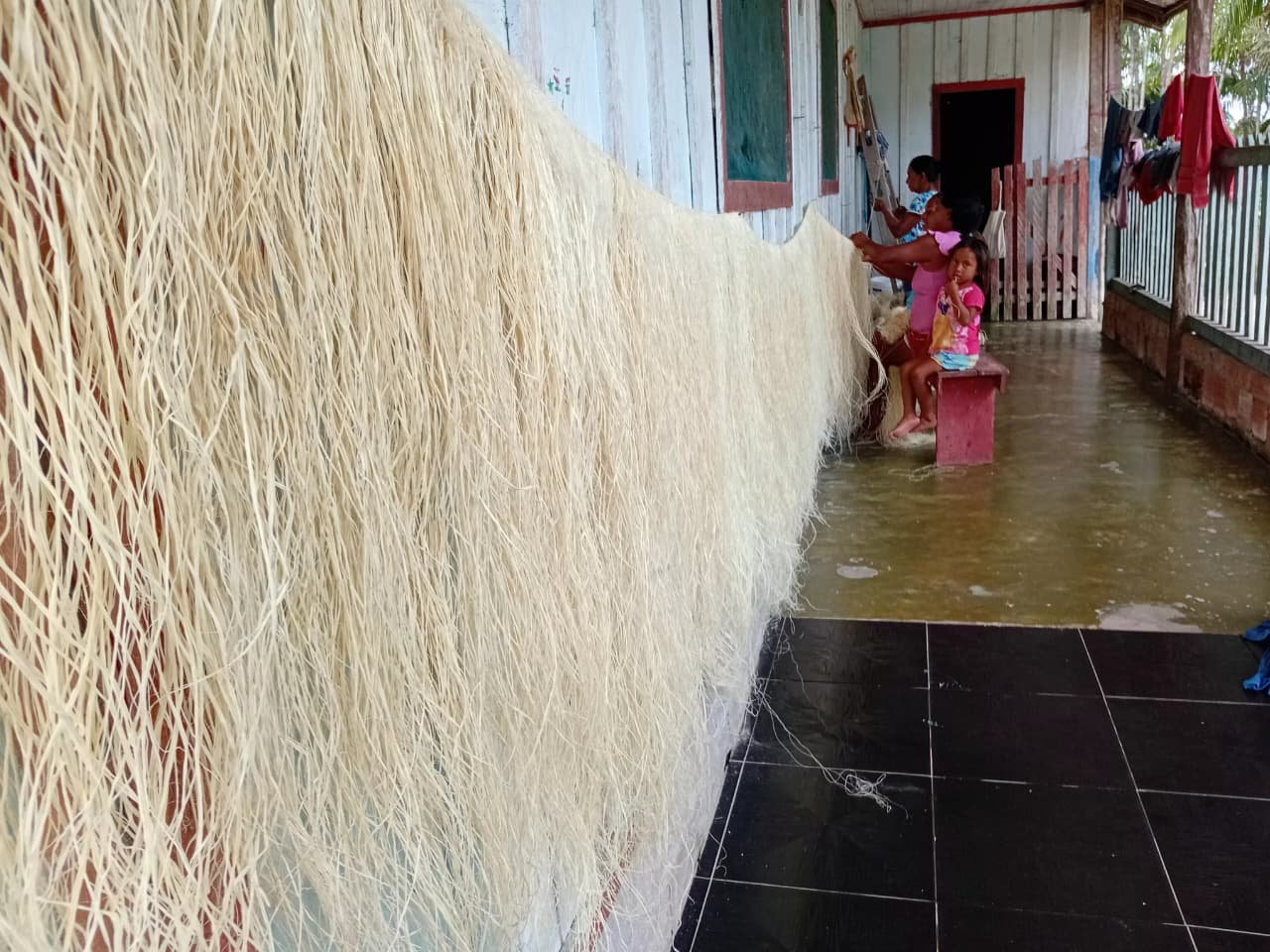
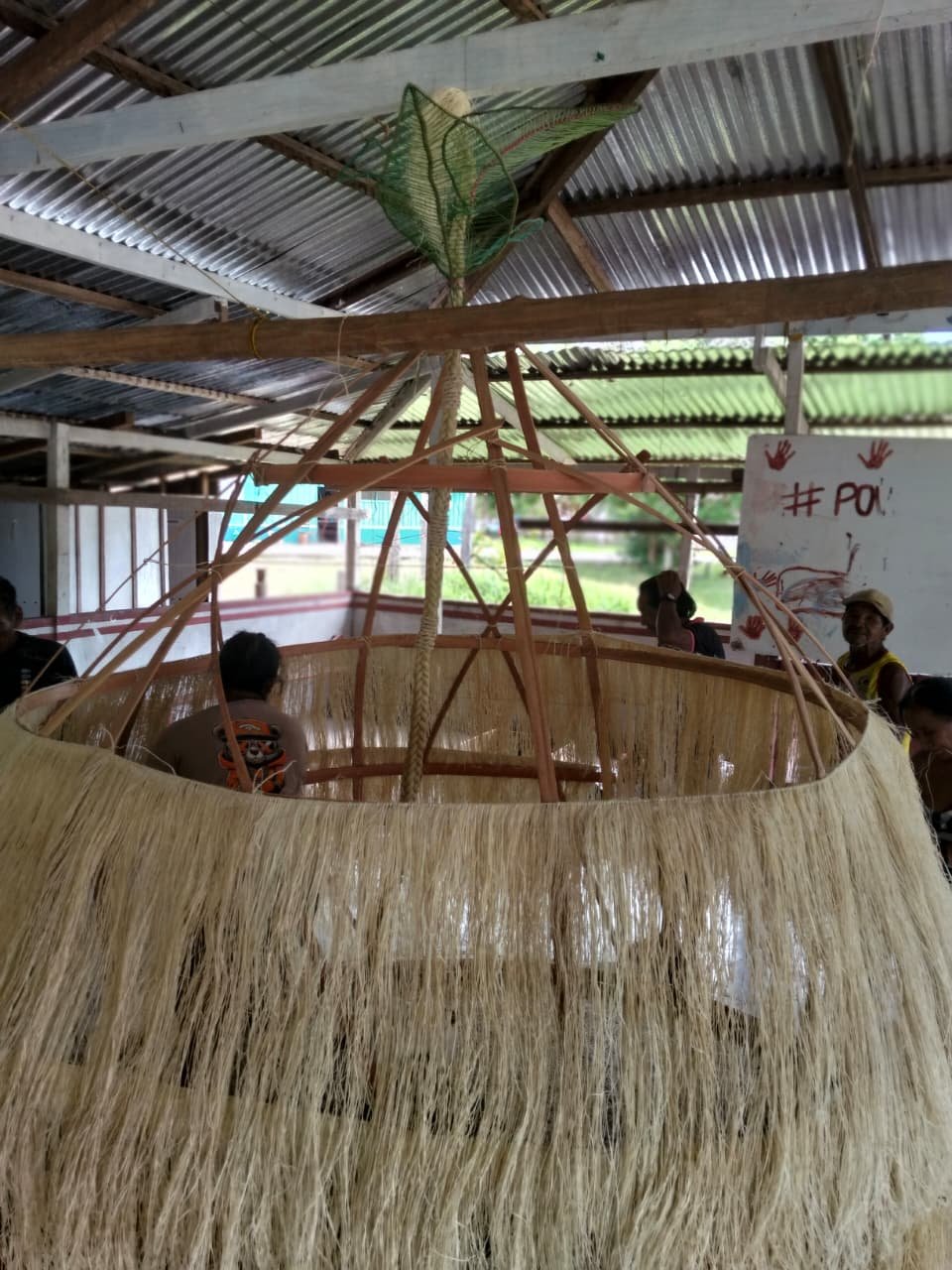
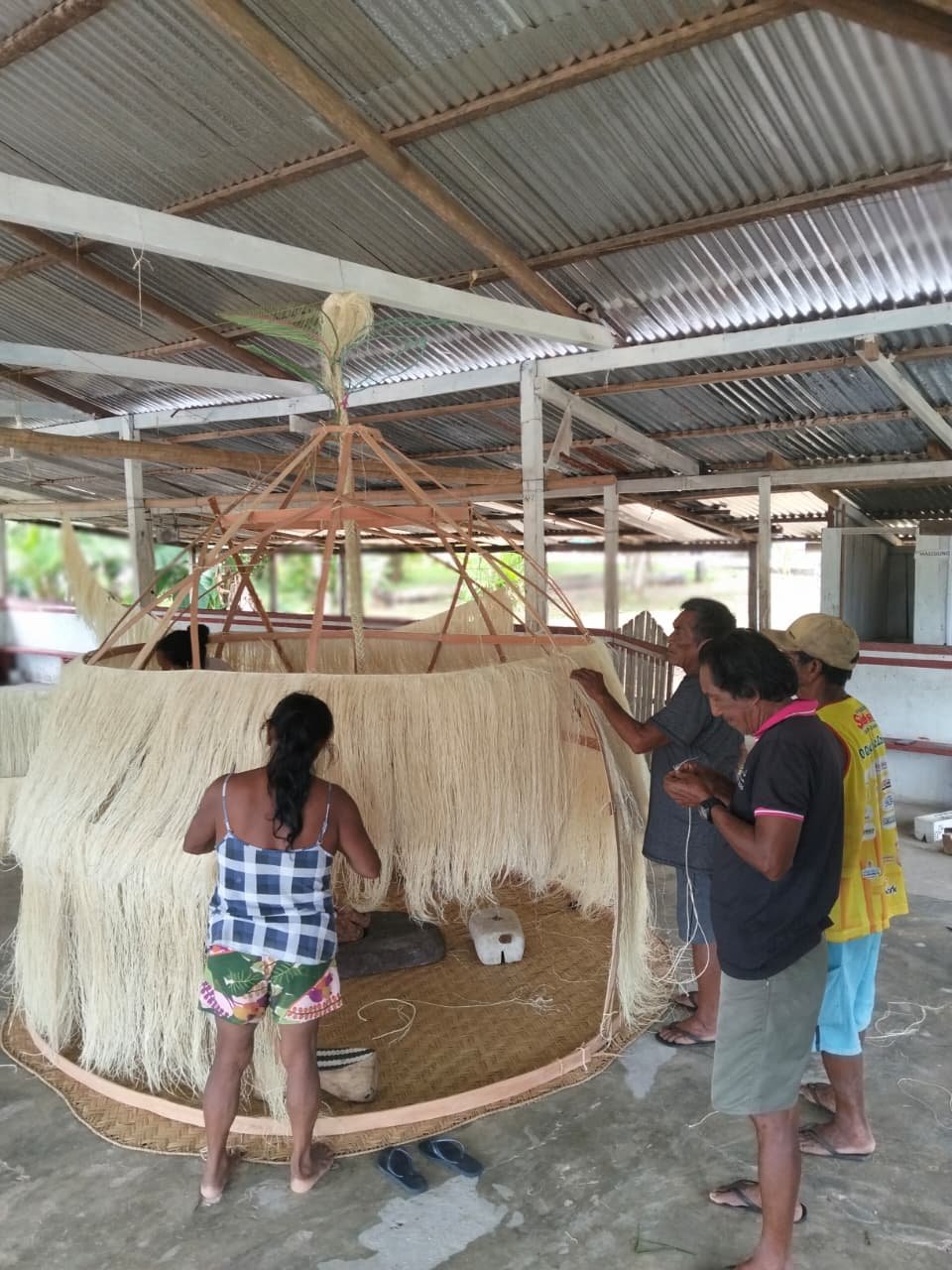
Madzerokai, Baniwa Living School, has also created an installation, which was named “Navel of the world,” and made from woven tucum fiber using traditional techniques passed down by Baniwa women, which will bring a part of their mythical origin stories to the exhibition.
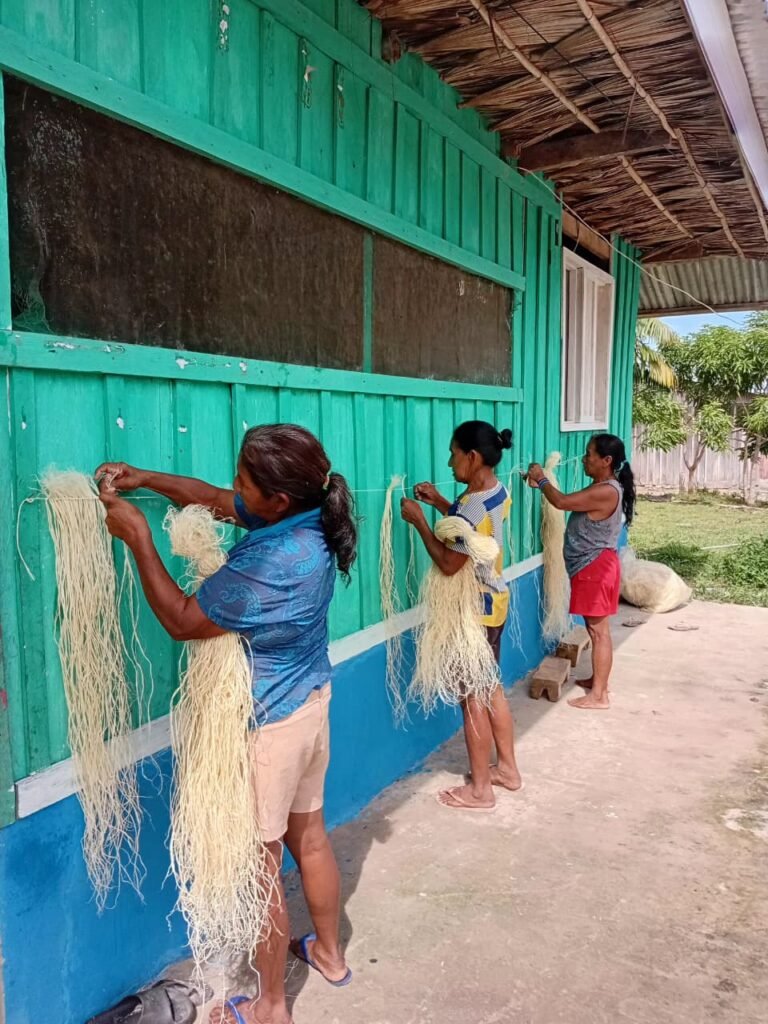
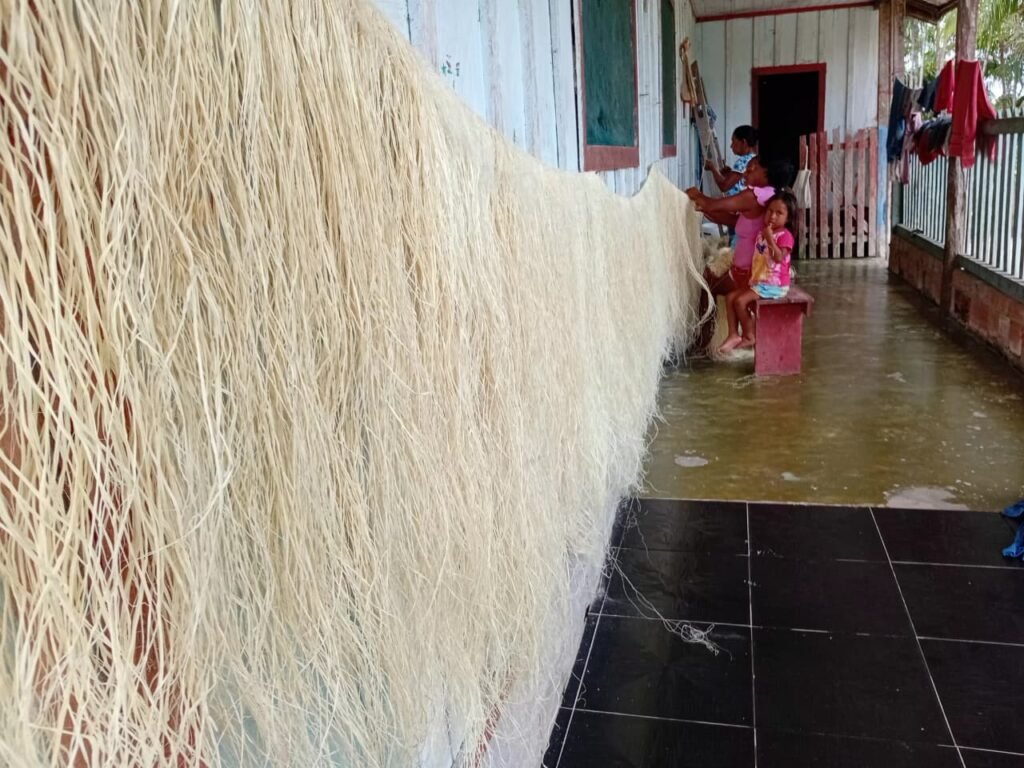
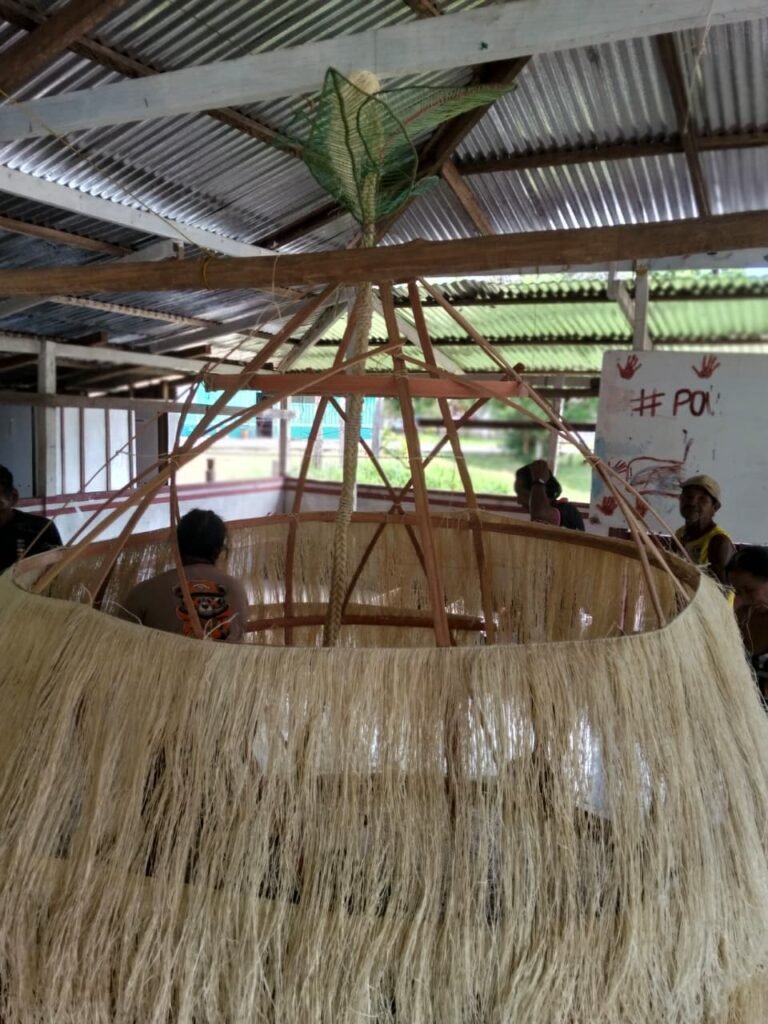
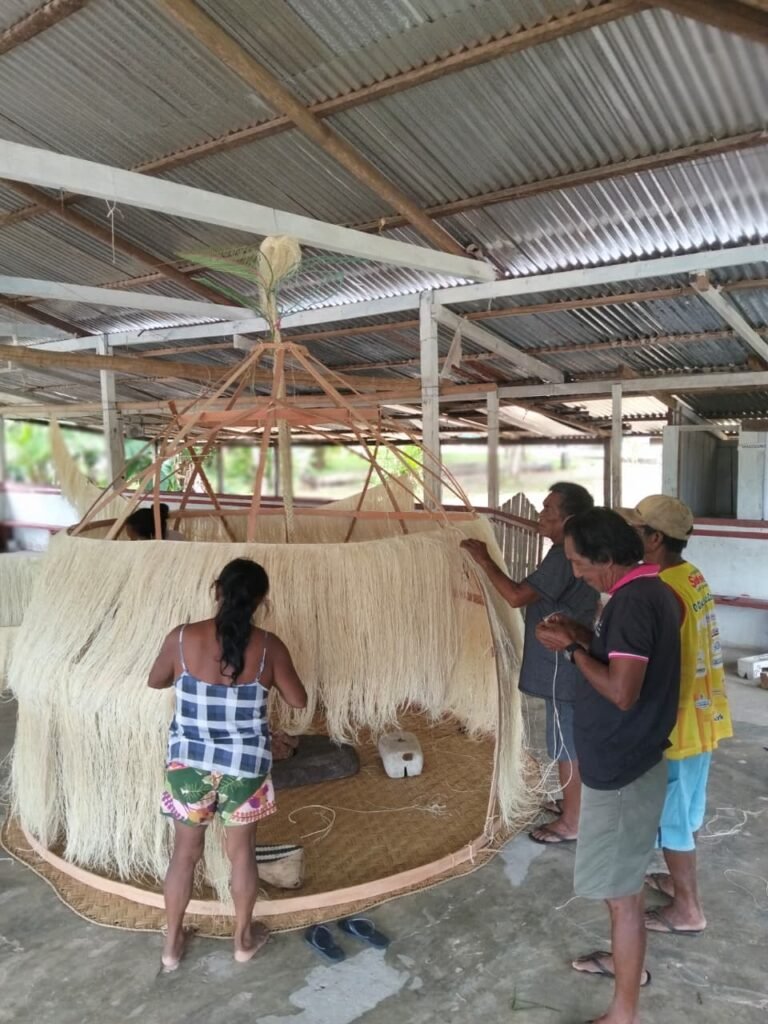
Construction of “Navel of the world” at the Baniwa Living School.
At the Baniwa Living School on the Içana River, the workshops began in April and May 2025, during which time activities were also held for the exhibition at Bahserikowi, the Living School of the Tukano-Desana-Tuyuka peoples, in Manaus. The workshops featured the participation of Anna Dantes, director of Selvagem; Cristine Takuá, general coordinator of the Living Schools; and Carlos Papá, on a trip that connected these two centers in the Amazon region. These were days of collective work focused on basket weaving, body and canvas painting, and the transmission of knowledge about graphic arts and other traditional practices.
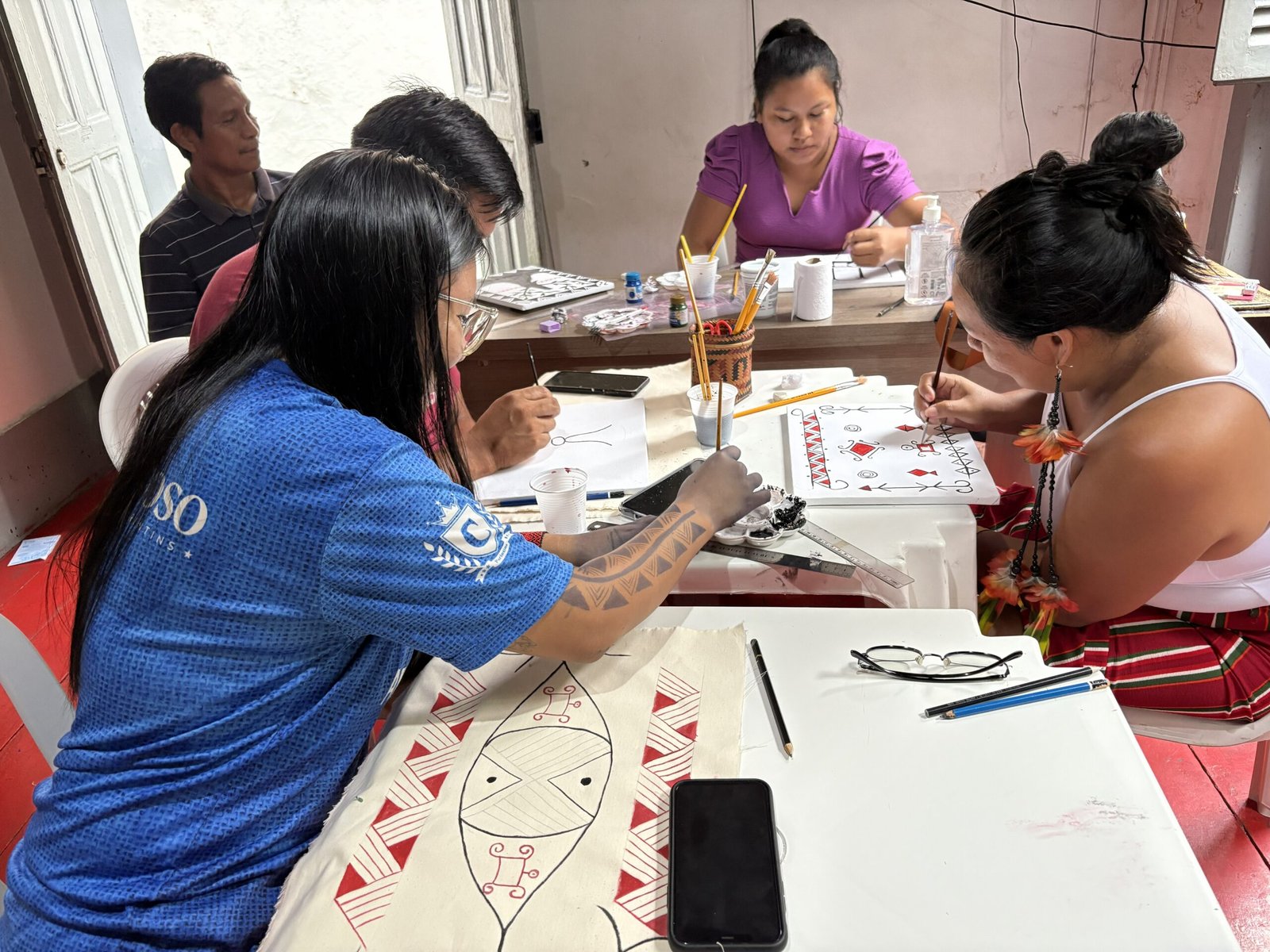
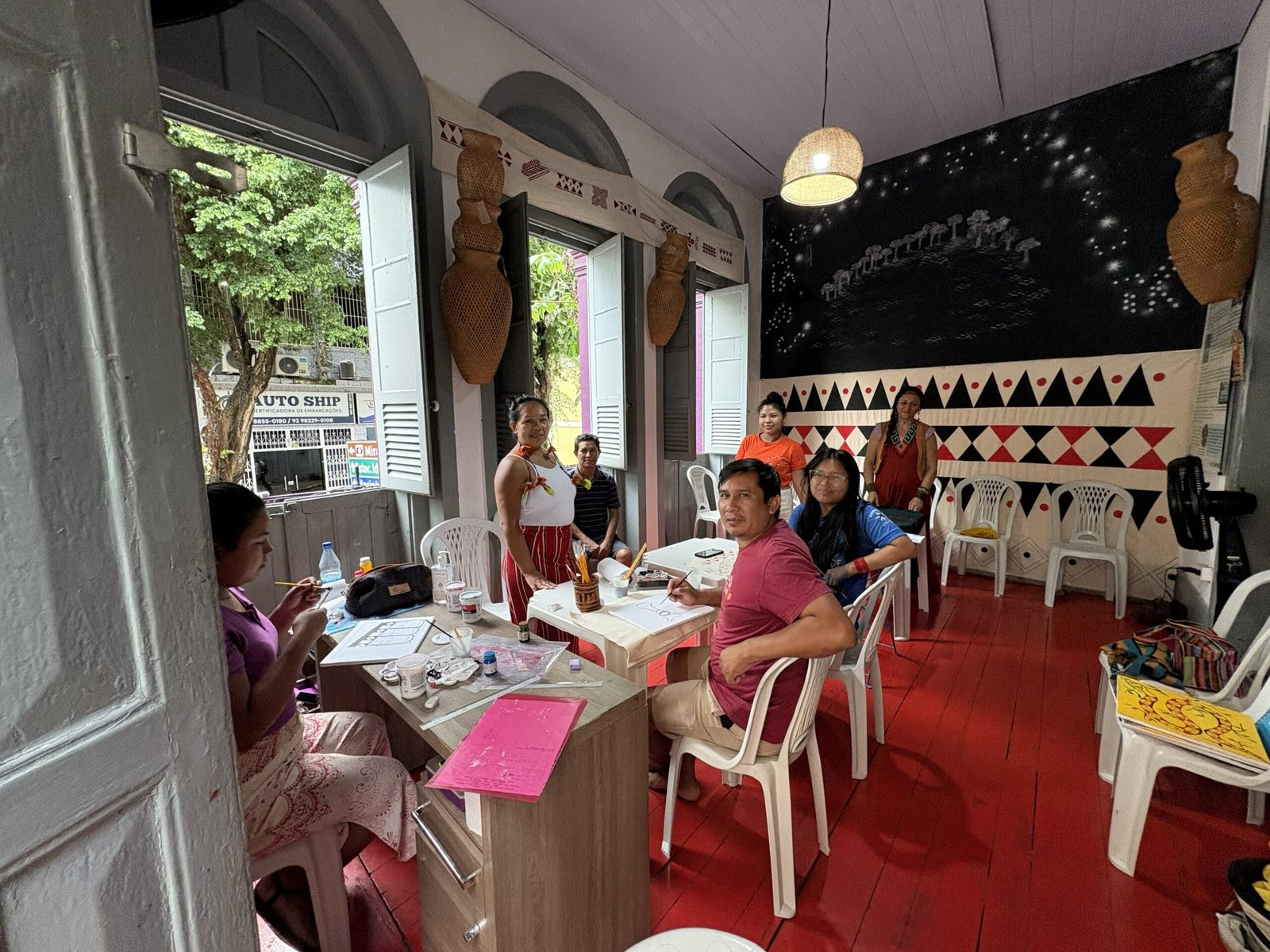
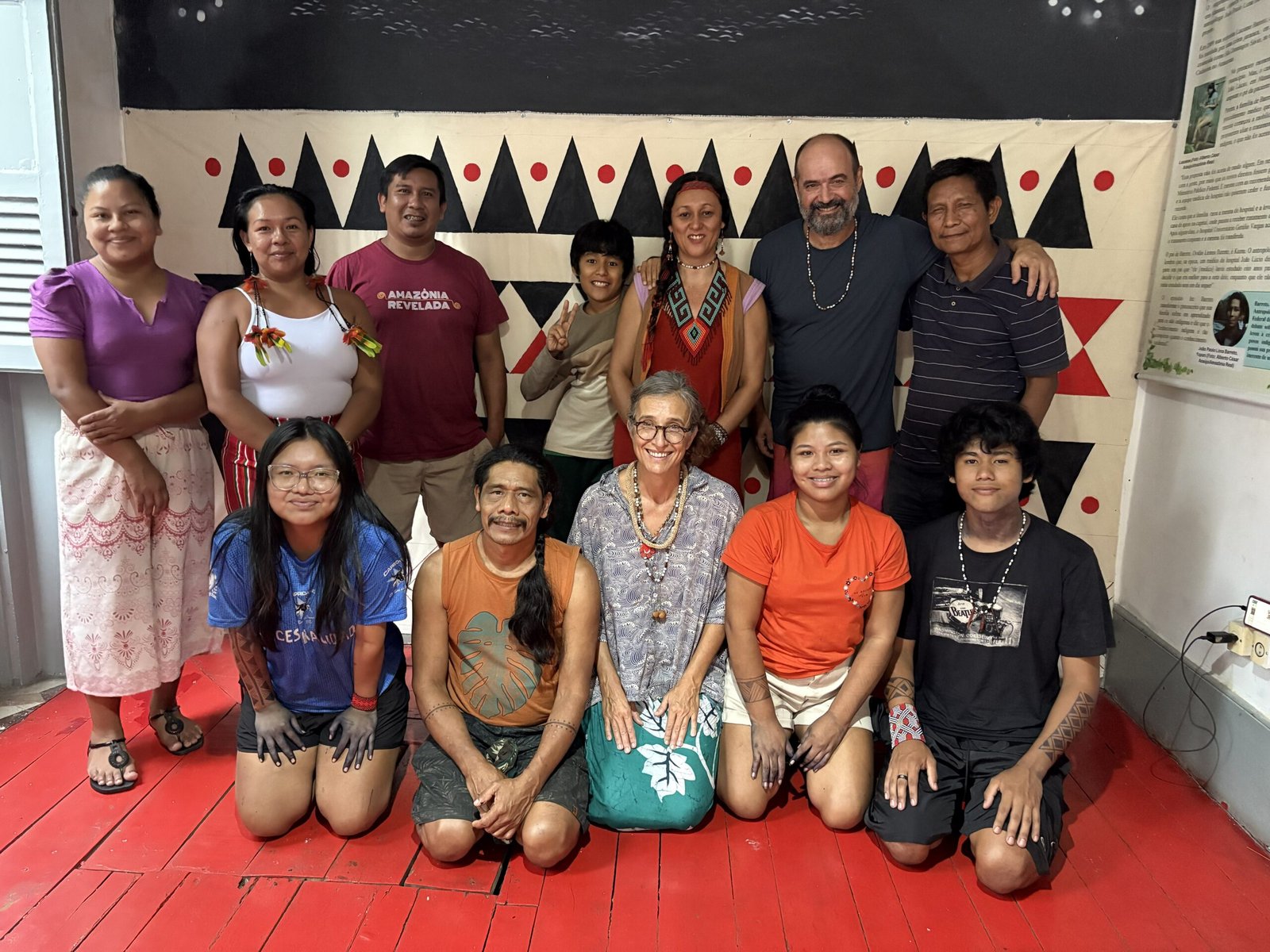
Workshop in the Tukano-Desana-Tuyuka Living School in 2025.
In the village of Coração da Floresta, the Huni Kuin Living School, elders Dua Buse and Nete hosted a canvas painting event at their home, bringing the entire community together for a week of activities. Based on stories and songs performed by the shaman Dua Busë, drawings were created depicting the origins of medicines from the ancient Huni Kuin people in ancestral times; as well as a variety of kenes, the traditional and ritualistic symbols of the Huni Kuin people.
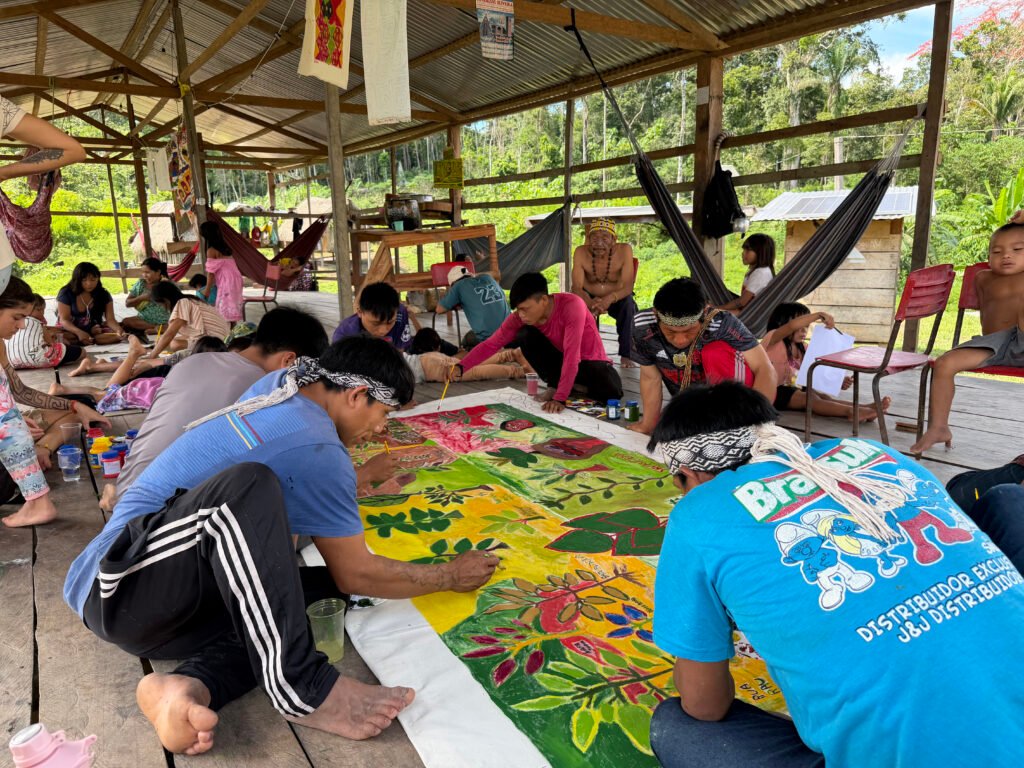
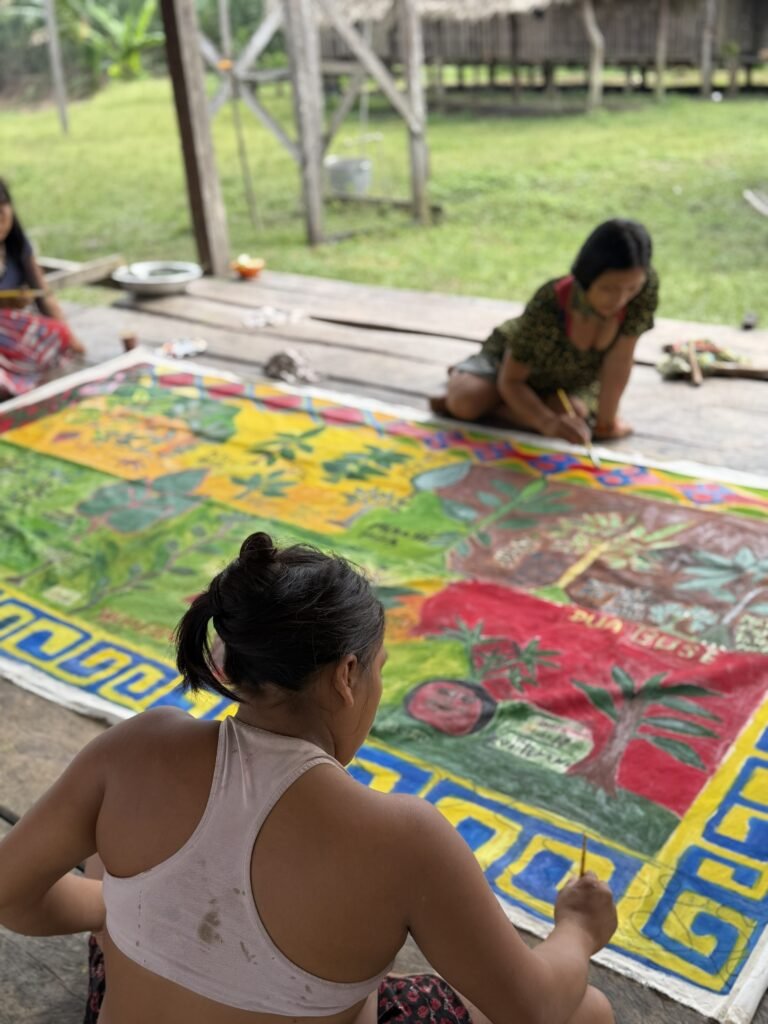
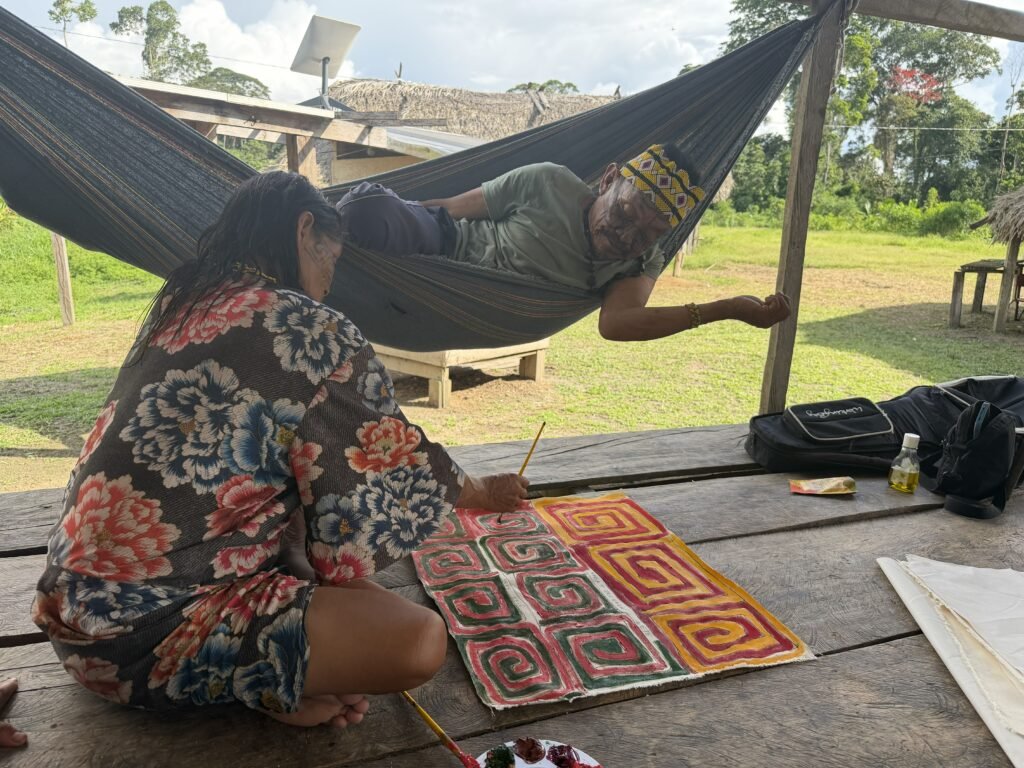
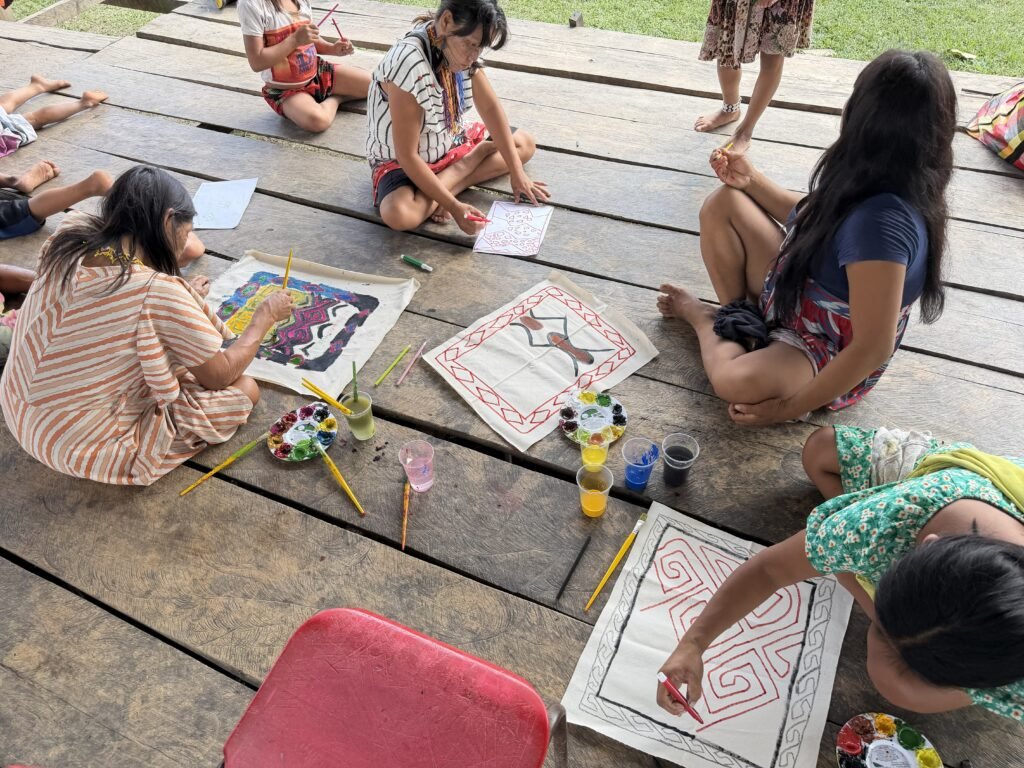
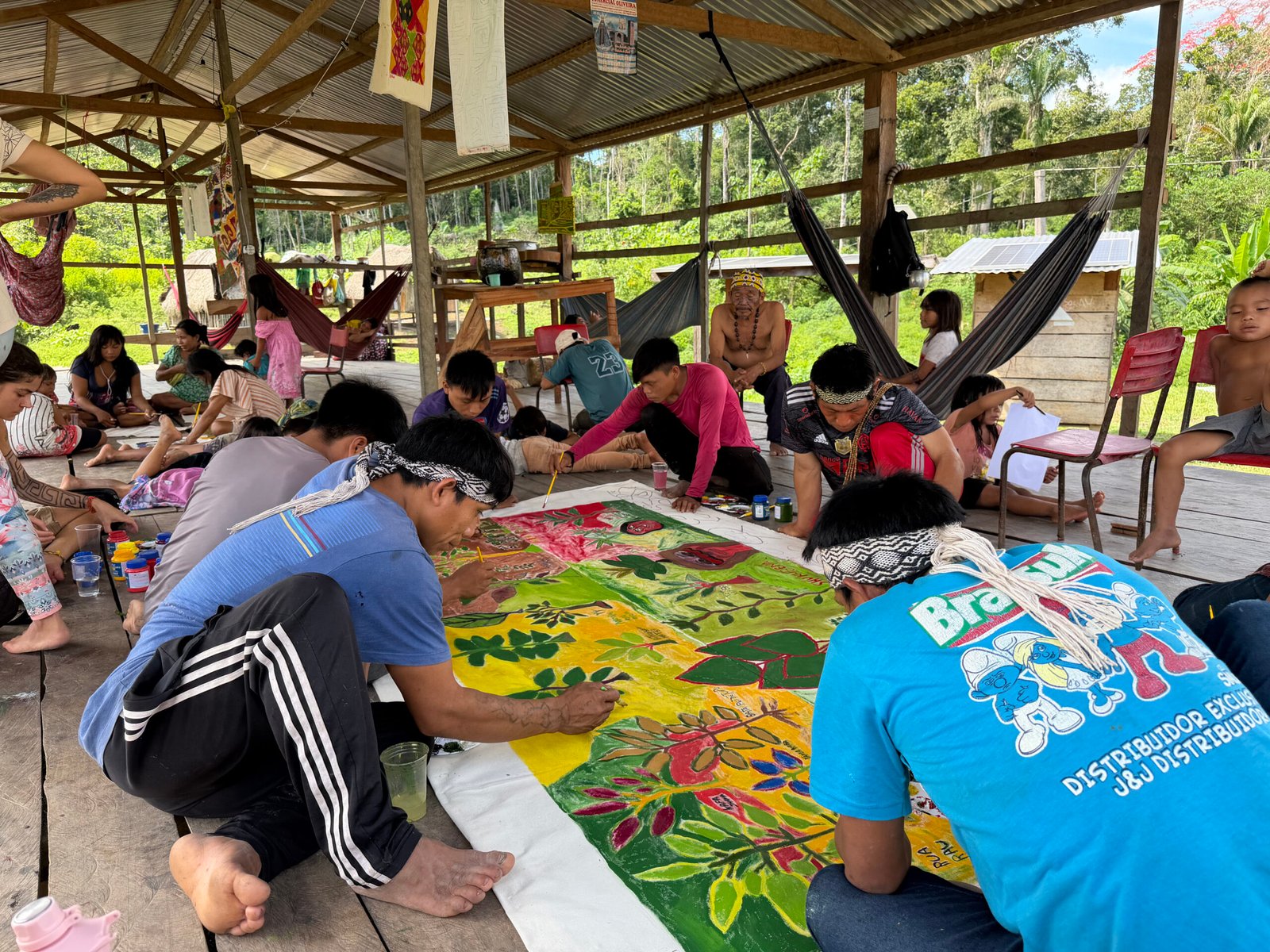
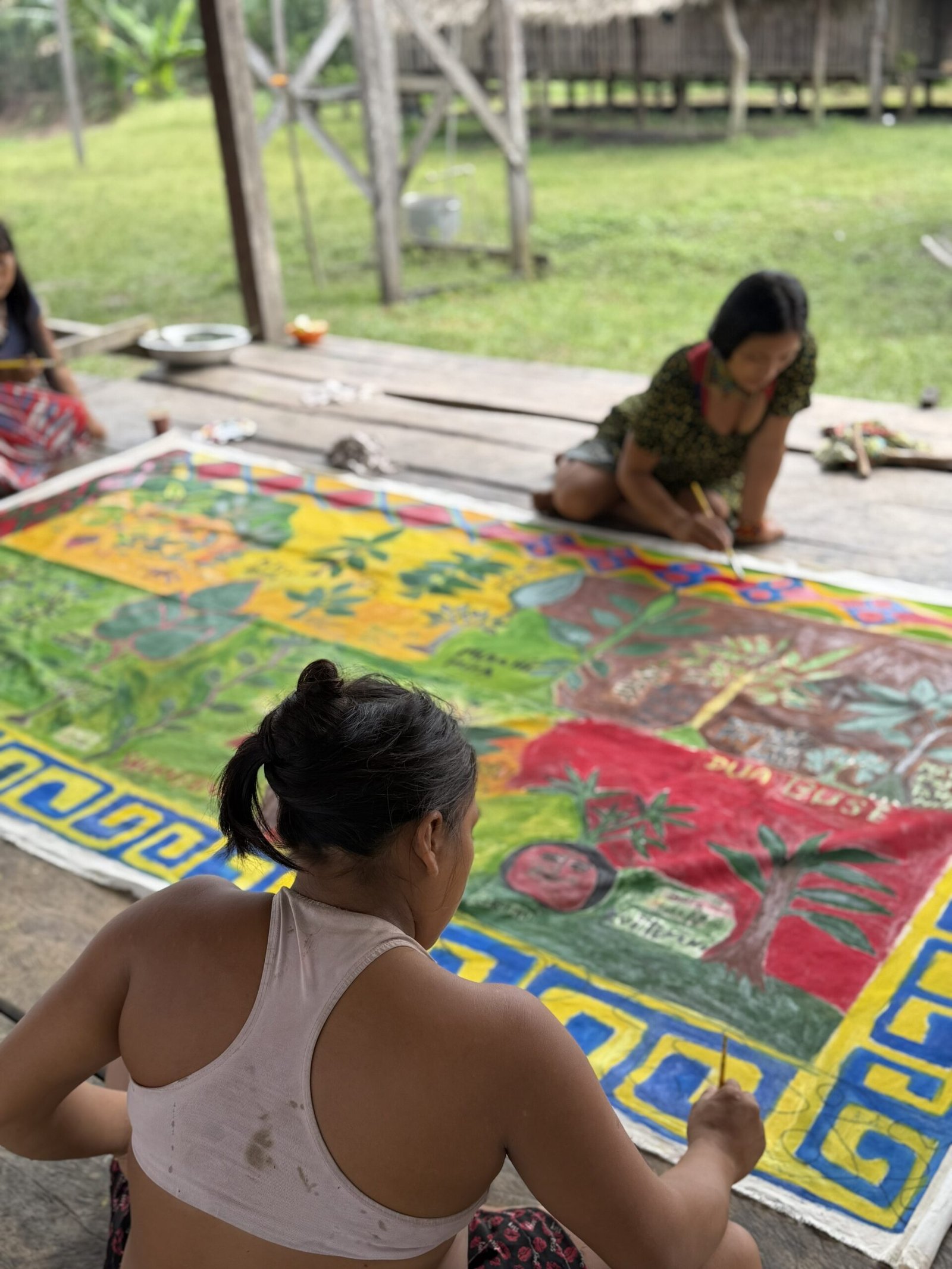
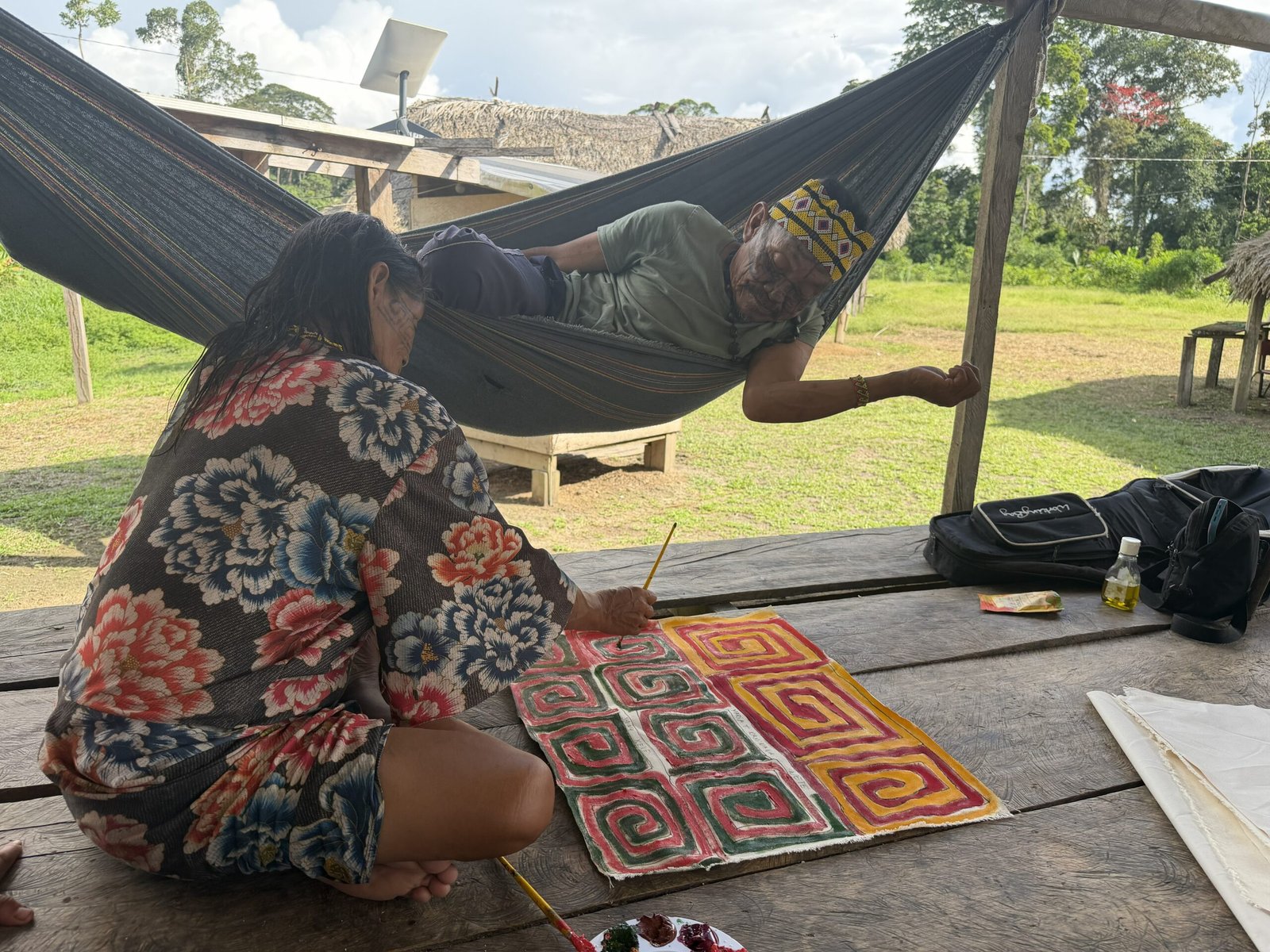
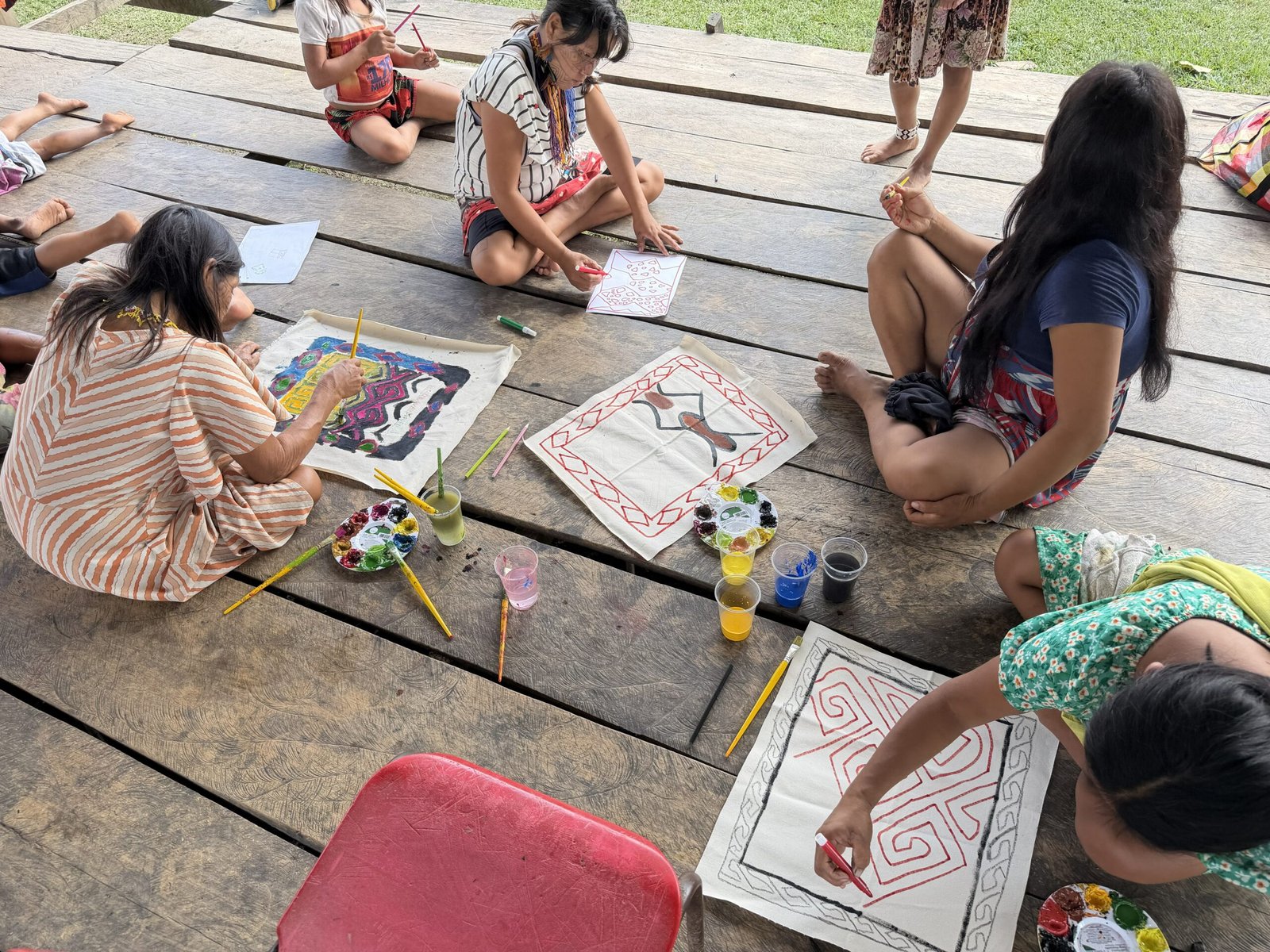
Paintings at the Huni Kuin Living School.
In addition to the pieces created in the communities, the exhibition features works produced on-site during the installation period by members of the Living Schools, including five flags—one created by each Living School—that bear the symbolic motifs of their peoples. The exhibition also features paintings by Ailton Krenak, Ehuana Yaira Yanomami, Tõrãmu Kẽhíri (Luiz Lana), and Moisés Piyãko, artists whose works expand the exhibition’s dialogues by introducing other cosmologies, narratives, and ways of inhabiting the world through their art.
Throughout the exhibition, the latest book by Carlos Papá, master and coordinator of the Guarani Living School, titled “Tekoypy rã – A origem de nós” [Tekoypy rã – The origin of us], published by Dantes Publishing House, will be available for purchase as well as on the Dantes website. The book, with text entirely in Guarani and Portuguese, brings together reflections on the composition of the Guarani world, narrated through oral tradition and accompanied by drawings produced throughout this collective process of knowledge transmission.
Bringing together artworks, gatherings, and processes developed collectively, “Long Live the Living School” marks yet another initiative by the Living Schools with Selvagem, a journey that continues to unfold through collaboration and partnership. In the coming weeks, we’ll share more about the news, updates, and themes that run through the new exhibition.
Through the exhibition’s page on our website, you can learn more about this new edition of “Long Live the Living School”, as well as discover more about the participating artists. And to stay up to date on Living School’s activities, take the opportunity to browse the Living Schools page on our website, where you can also financially support the transmission of traditional knowledge in their territories, and follow Selvagem on Instagram and Youtube.