




THE LIVING SCHOOLS KEEP ON MOVING
26 March 2026
Sparking new activities and paths, the Living Schools continue to move forward and grow stronger in 2026, under the overall coordination of Cristine Takuá and through a network of dialogue and sharing.
Since the beginning of the year, with the increase in financial transfers to the territories to 10,000 BRL per month, the capacity for action and coordination of each Living School has expanded in various ways. The increase in funding has led to changes such as larger and stronger teams, funds for holding workshops, and greater capacity for purchasing equipment and carrying out renovations.
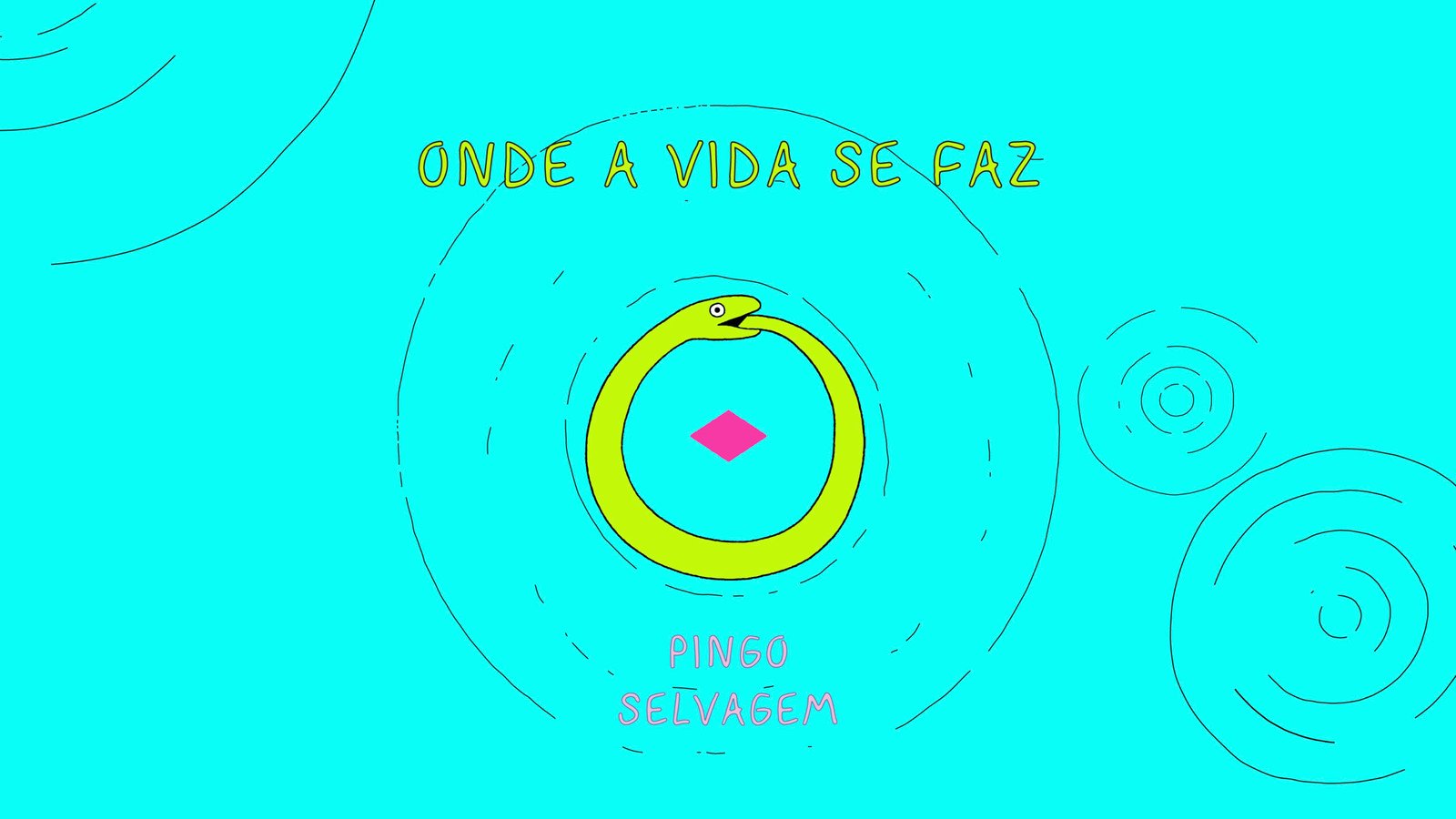
February was also a month of close collaboration between Selvagem and the Living Schools, regarding the publication and translation of Droplet 2 - Where life arises into the Guarani Mbya, Maxakali, Hatxa Kuin, Tukano, Desana and Nheengatu; as well as preparations for the upcoming Living Schools exhibition, which will open in June at the Tomie Ohtake Institute in São Paulo.
Rays of sunlight dive into the deep world where life arises
A’ti muhkore Muhipu ahsistepeonukô sa’mi ma’ri kahti nisetisere – Tukano
Kuaray ogueroike ko yvyre vyma jogueroupity vy teko ojeapo ouvy – Guarani Mbya
Bari txashakĩ mai hirabianu hikishũ hanu hiweabu shabawa – Hatxa Kuï
Mãyõn yīm kunut mōyūm hãmxeka ha nõmtu yãhi xoppip – Maxakali
Kurasí umuturisá, uyapumi tipí katú mundo upé, mamé rikuesá uyumunha waá – Nheengatu
Ati ümürirē Abe borery marī ohokariro ãrã – Desana
The Bahserikowi Indigenous Medicine Center, the Tukano-Desana-Tuyuka Living Schoolcontinues its regular activities, bringing traditional arts, indigenous culture and healthcare to the people of Manaus through traditional indigenous medicine, with kumuã specialists.
Over its nine years of operation, the Bahserikowi Indigenous Medicine Center has provided care to more than 17,000 people, establishing itself as an important space for care, welcome, and the appreciation of indigenous medical knowledge. Since 2025, the Bahserikowi Center’s team has also been preparing and providing natural remedies based on the medicinal knowledge of the upper Rio Negro.
The kumuã specialists also lead experiential sessions with the public who visit the Center. In February, an experiential session took place with kumu Avelino, in the form of a conversation circle and knowledge-sharing, featuring songs, dances, and traditional medicines..
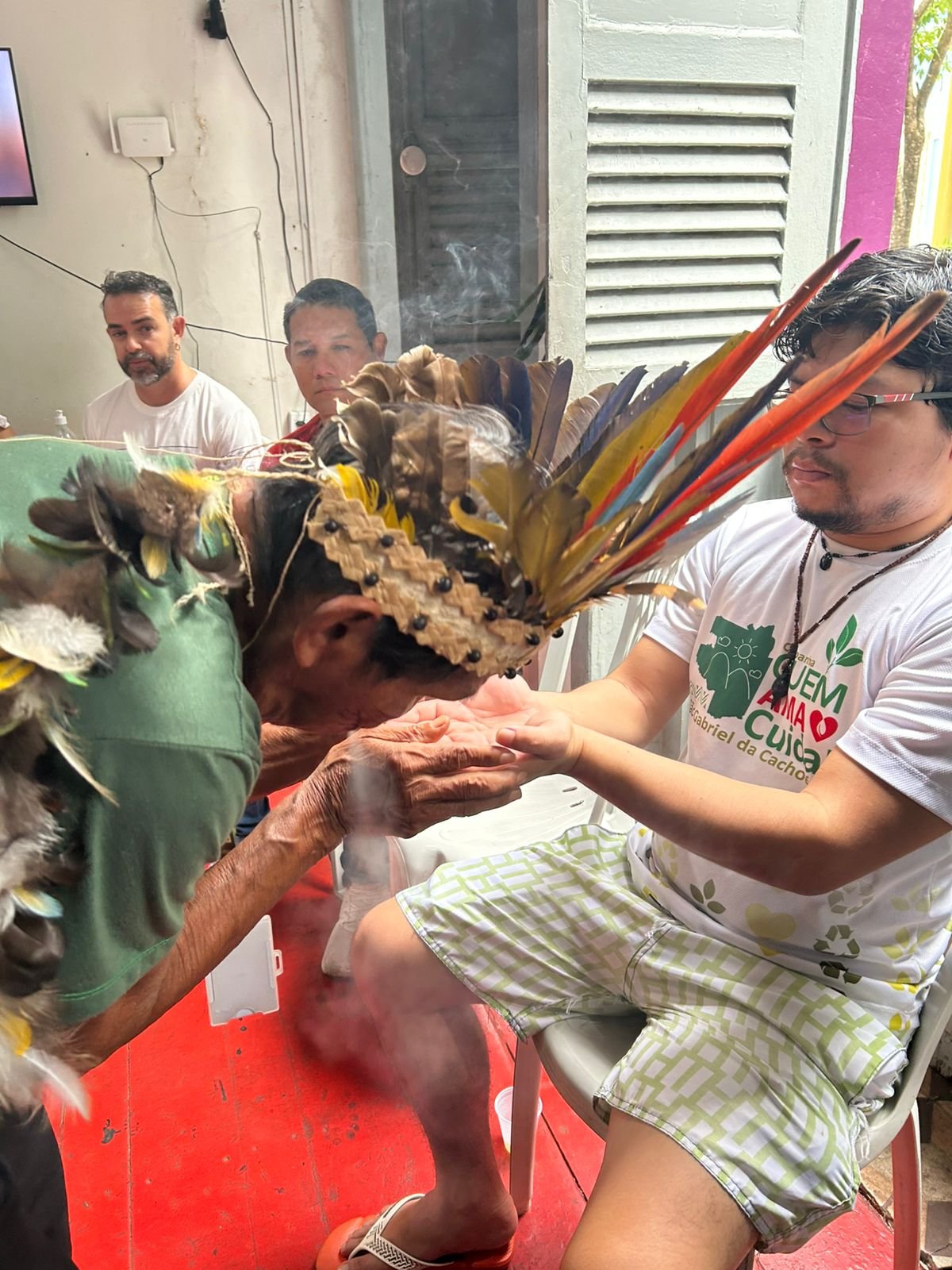
A smoke cleansing ritual during a session with Kumu Avelino
Since the beginning of the year, Bahserikowi has also been holding workshops on the kariçu flute, a traditional instrument that embodies a vast body of cosmological knowledge. Currently led by kumu Avelino, the workshop continues the work begun by kumu Kisibi, keeping the rhythms and melodies alive among the center’s regulars.
Beyond a place for treatment, the Bahserikowi Indigenous Medicine Center continues to serve as a space for learning and sharing. The Medicine Center keeps on moving with traditional knowledge, recognizing the role of indigenous elders and specialists as true living libraries.
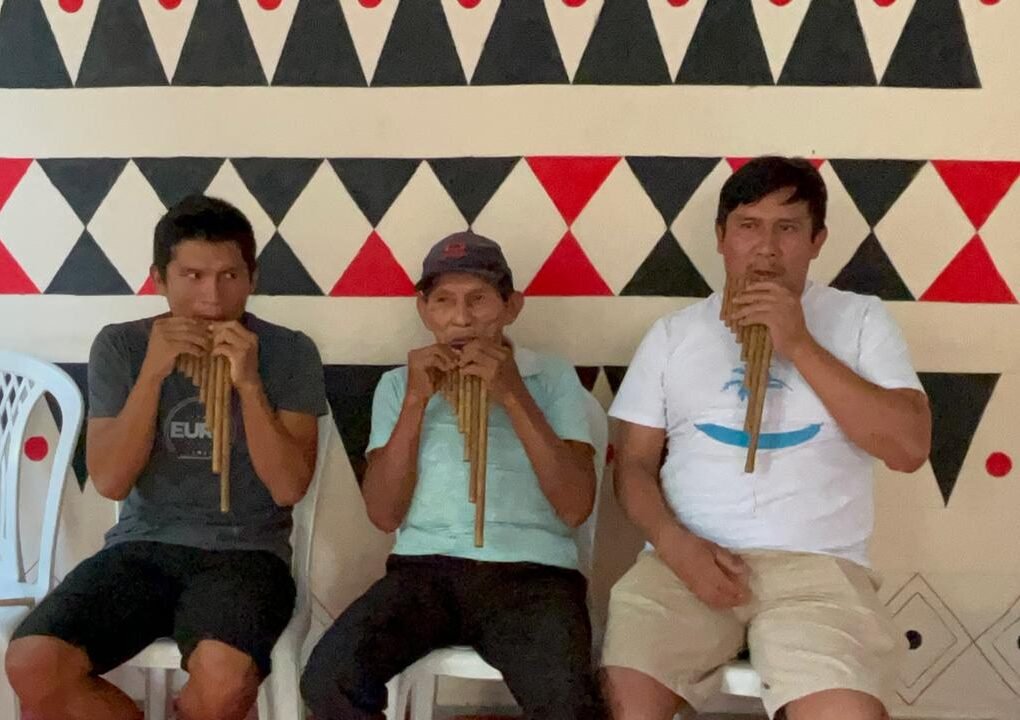
Kariçu flute workshop at Bahserikowi
Arandu Porã, Guarani Living School, articipated in a very special activity during the first week of February: the Avati Nhemongarai, the ceremony of the true Guarani maize. At the invitation of xamoi Dario Tupã and his family, these were days filled with exchanges, prayers, walks, songs, and stories at Tekoa Arandu, in Itariri (in the state of São Paulo).
In the words of Cristine Takuá, “the encounter with avaxi ete, the true Guarani maize, is a living learning experience, where planting, harvesting, praying, and cooking are inseparable gestures of transmitting the knowledge and practices of nhandereko, the Guarani way of beingBetween the fields, the forest, and the ceremony, caring for the maize points to caring for the earth and the spirit, even amid the challenges of today."
More details about this experience can also be found in Cris Takuá’s Ways of Knowing Diary published in March on the Selvagem website.
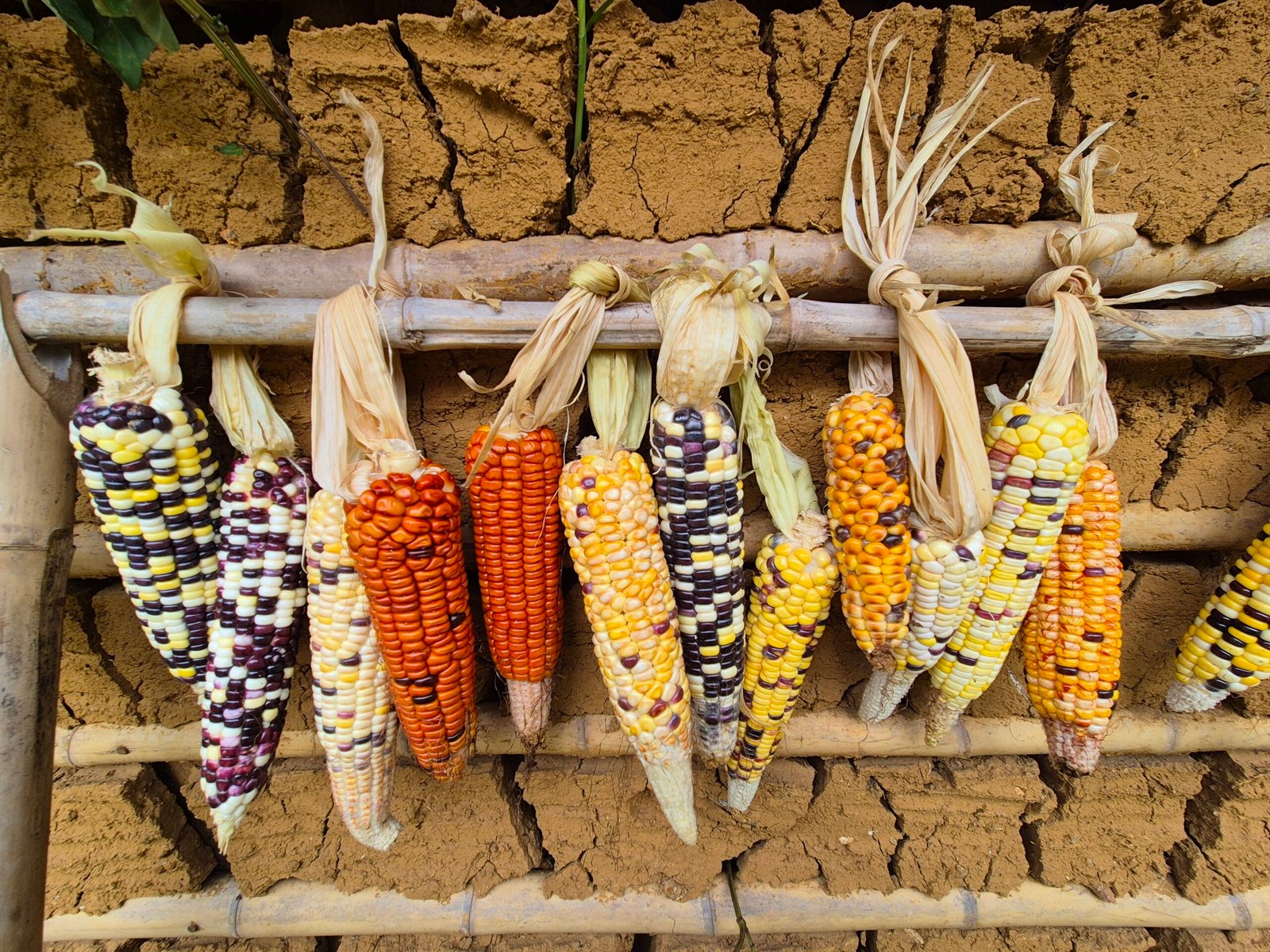
Avaxi ete, the true Guarani maize
The Guarani Living School also held an exchange with young people and the female leader Ju Kerexu from the Takuaty tekoa, located in the Ilha da Cotinga Indigenous Territory in Paranaguá (in the state of Paraná), during Carnival.
During the gathering, experiences were shared regarding the processes of memory and learning that have been developed at the Guarani Living School. The exchange also included the presence of xeramoi Dario Tupã, a prayer leader from the Arandu tekoa, whom the group had met days earlier during the Avati Nhemongarai.
Over the course of the days, young people and leaders were able to walk through the forest, share stories about the nhandereko– the Guarani way of being – and exchange songs, prayers, and plant cuttings, strengthening the bonds between the territories and their traditions in a movement of cultural and spiritual empowerment.
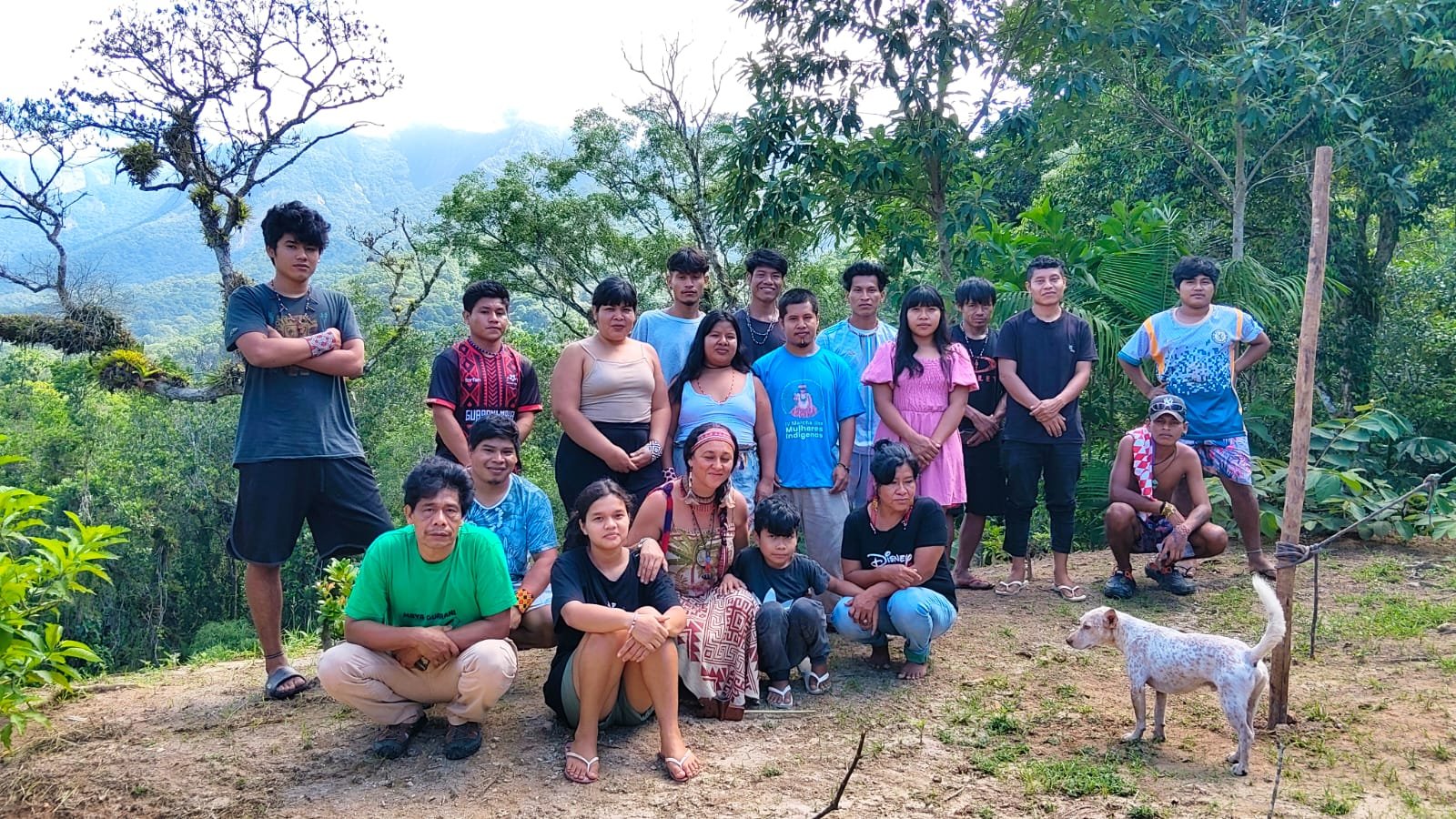
Exchange between young people and elders at Guarani Living School
Meanwhile, the Flor da Floresta – Ni Hua Institute, a partner of the Huni Kuin Living School, visited the Coração da Floresta village to deliver food requested by the Living School community. The initiative was part of activities supporting the maintenance of the territory; since the beginning of the year structural renovations have also been underway in the village, such as necessary repairs to the teacher Rua Yube’s house, including the replacement of damaged wood, and maintenance of the village’s electrical and plumbing systems.
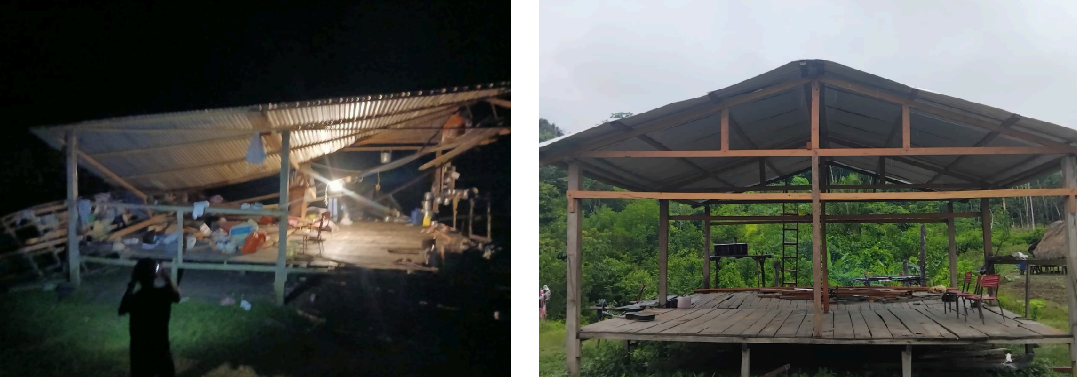
The house of Rua Yube before and after the renovation
During this period, the community remains gathered in the village, focusing on daily activities such as tending to the fields, plants, and the land, while preparing for upcoming educational gatherings.
Among the activities planned for the coming months are agroforestry practices, scheduled for March and April, as well as a seven-day in-person workshop, which will feature the participation of members of the Flor da Floresta Institute. The gathering will include documentation of activities, processes for creating and producing materials for the Living Schools exhibition scheduled for June, in São Paulo, as well as opportunities for knowledge sharing and fostering the cultural and artistic production of participants in the Huni Kuin Living Schools program.
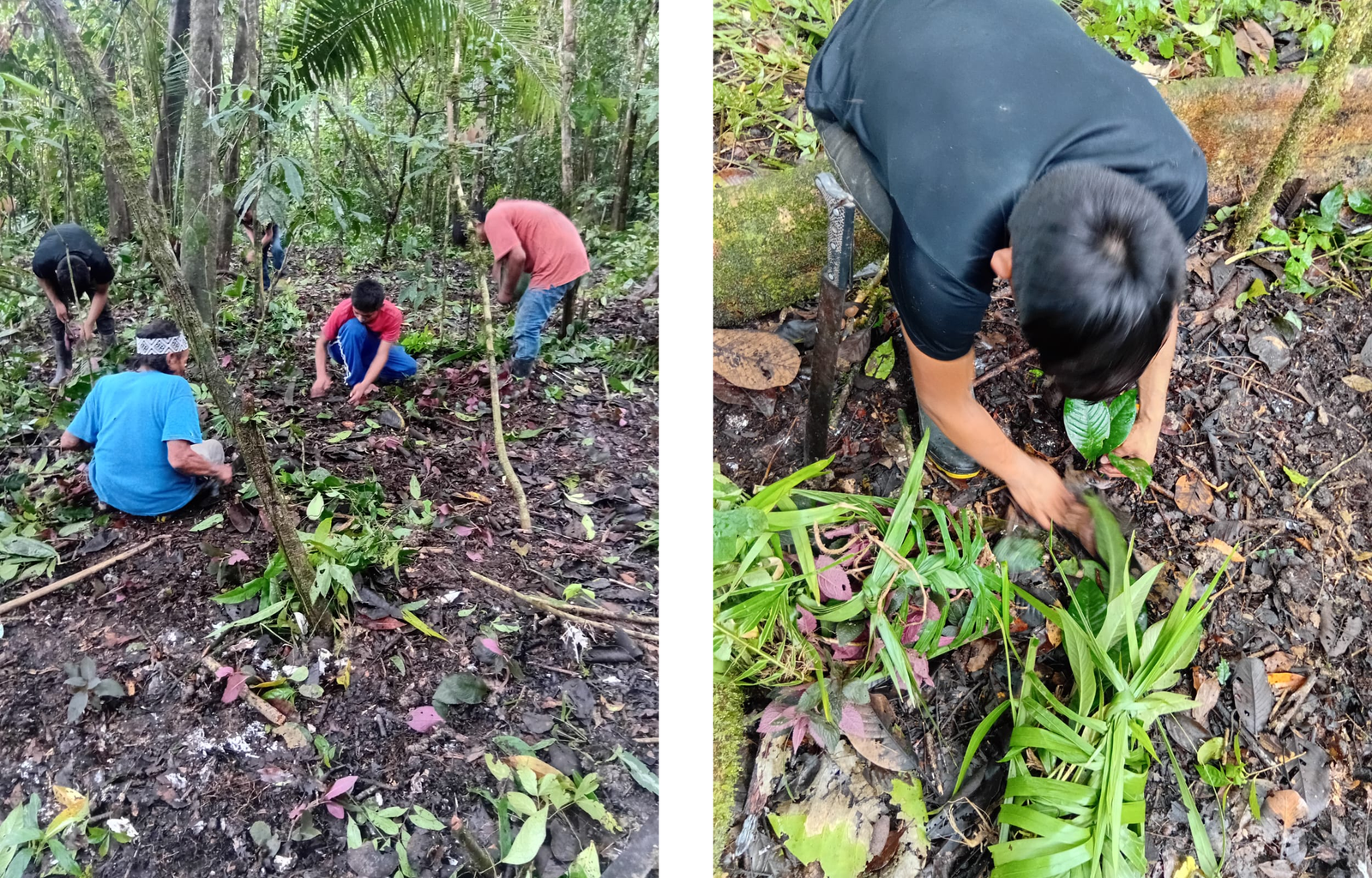
Shaman Dua Busë and young people planting medicinal plants in the Coração da Floresta village
In February, the Maxakali Living School collaborated with Selvagem in a material featuring the story of Kotxekanix, the "caboclo d'água" [water spirit], an important entity in Maxakali cosmology and in the cultural history of the Mucuri Valley region in Minas Gerais, where the Forest School Village is located.
This material has been in the works since October 2025, with Mamei and Isael Maxakali, as part of the Maxakali Living School’s participation in the Living School House artistic residency. At the time, the shaman Mamei Maxakali narrated the story during a visit to Guanabara Bay. In February, new footage was shot in Maxakali territory with the shaman, who added further elements to the narrative and began translating songs and expressions. A Selvagem booklet containing the narrative is scheduled for publication in 2026..
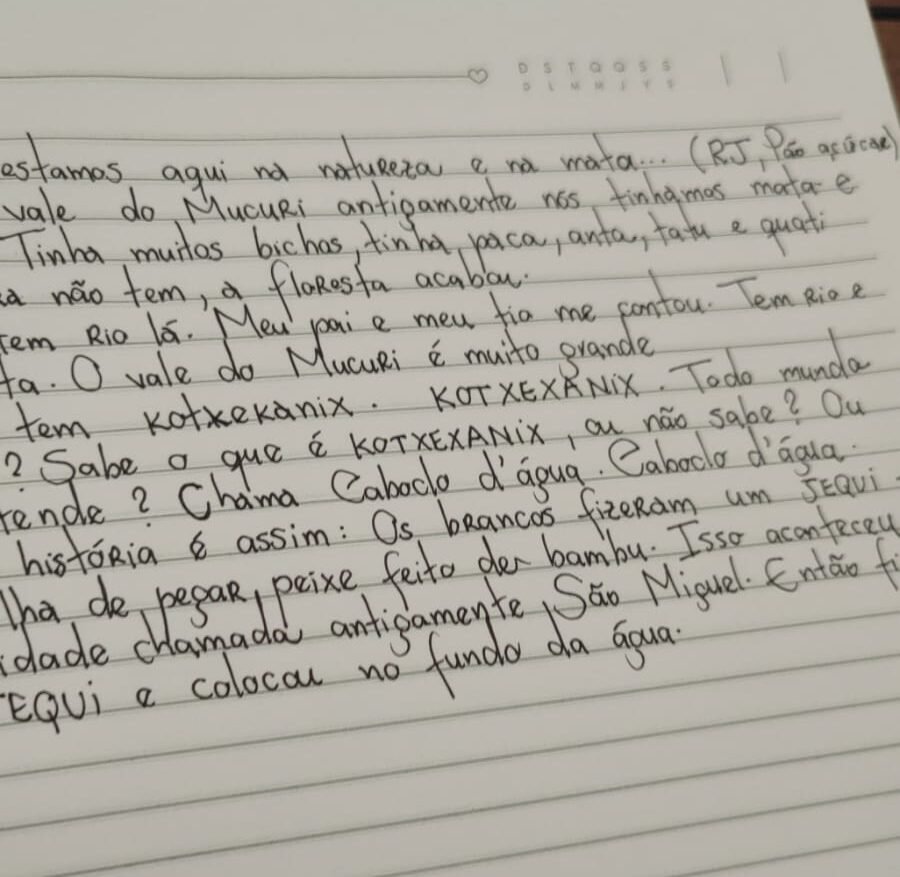
Transcription of an excerpt from the narrative, by Ediane Hirle
In early March, a major milestone was reached for the Maxakali Living School. After a process that took years, a decree was approved guaranteeing the acquisition of land in the name of the shaman Mamei Maxakali. The new space now becomes part of the Forest School Village, the Maxakali Living School, strengthening food security, the holding of ceremonies, and the Maxakali people’s existence within their culture.
The community also continues to carry out planting, reforestation, spiritual ceremonies, and structural renovations on the land.
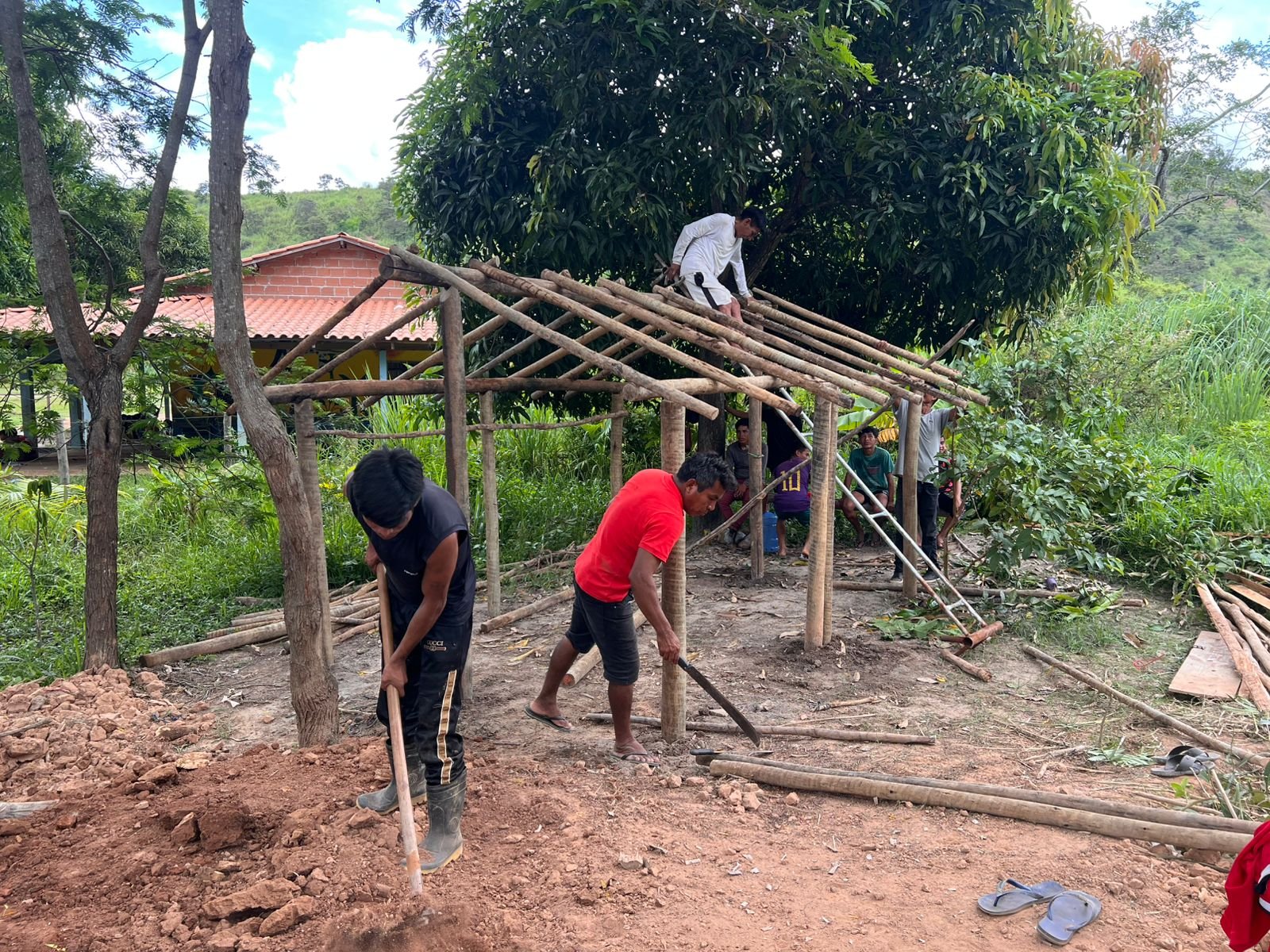
Construction activities at the Forest School Village
Madzerokai, Baniwa Living School, is in the final stages of constructing its new headquarters. During the month of February, the elders of the Living School organized activities to gather tucum and prepare the fiber used for structural bindings in the buildings, also engaging neighboring communities, which collaborated in the process.
During the same period, the team led by elder Francisco Fontes continued the structural reinforcement of the Madzerokai education house, replacing rafters, removing slats, and strengthening the building’s structure. Elder Jorge Idalino also collected arumã, a plant traditionally used for making mats.
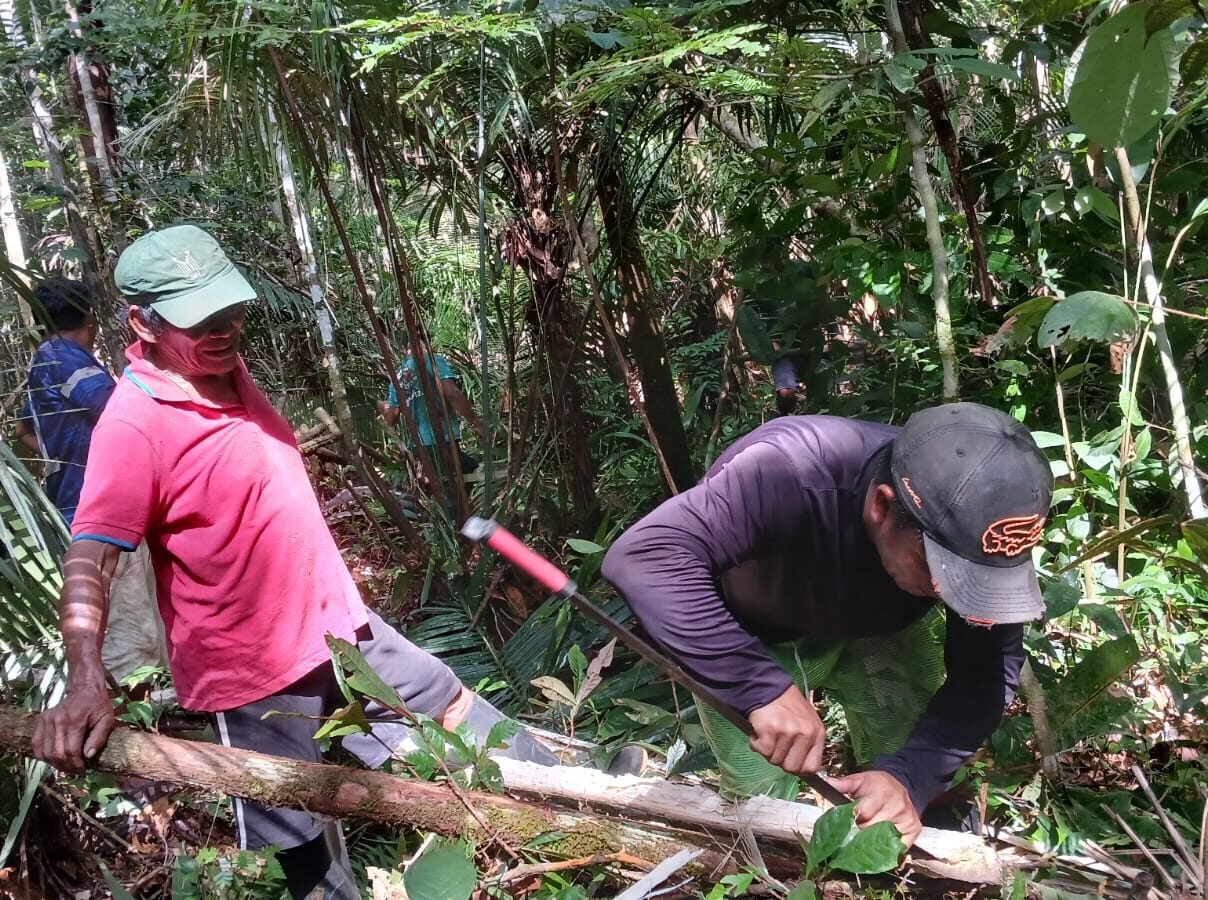
Harvesting arumã
During this period, the village also experienced heavy rains, which made some outdoor activities difficult. Even so, the elders continued to work in their own homes, maintaining production and teaching the younger members of the community.
The Madzerokai’s new headquarters is nearly complete, but the construction process itself is already the Living School in action, awakening, strengthening, and transmitting the traditional knowledge of the Baniwa people.
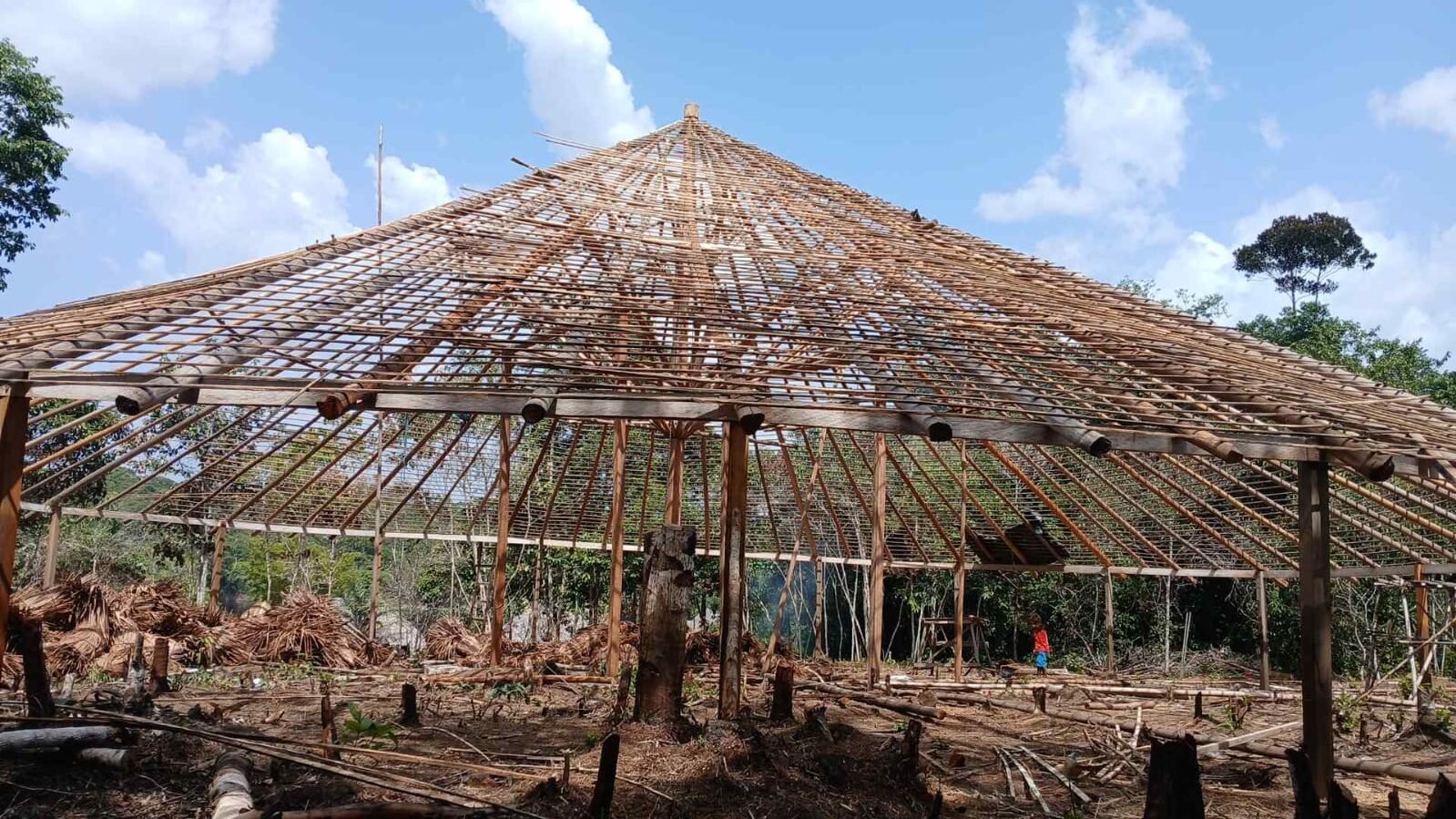
Baniwa education house nearing completion
The Living Schools are a movement supporting five projects dedicated to strengthening and passing on traditional knowledge. If you’d like to contribute, you can financially support the movement through our website.
Selvagem and the Living Schools are thankful!