




SEEDS AND CROSSINGS OF THE LIVING SCHOOLS:
new updates from the territories
29 May 2026
Trips, paintings, gatherings, and ceremonies were some of the highlights of the Living Schools over the past month. In addition to the ongoing workshops and creative processes for the artworks that will be part of the new Living Schools exhibition at the Tomie Ohtake Institute—which you can read more about in the article “Long Live the Living School”: paths of the new Living Schools exhibition”—April was marked by community workdays, visits, and activities both within and outside their territories.
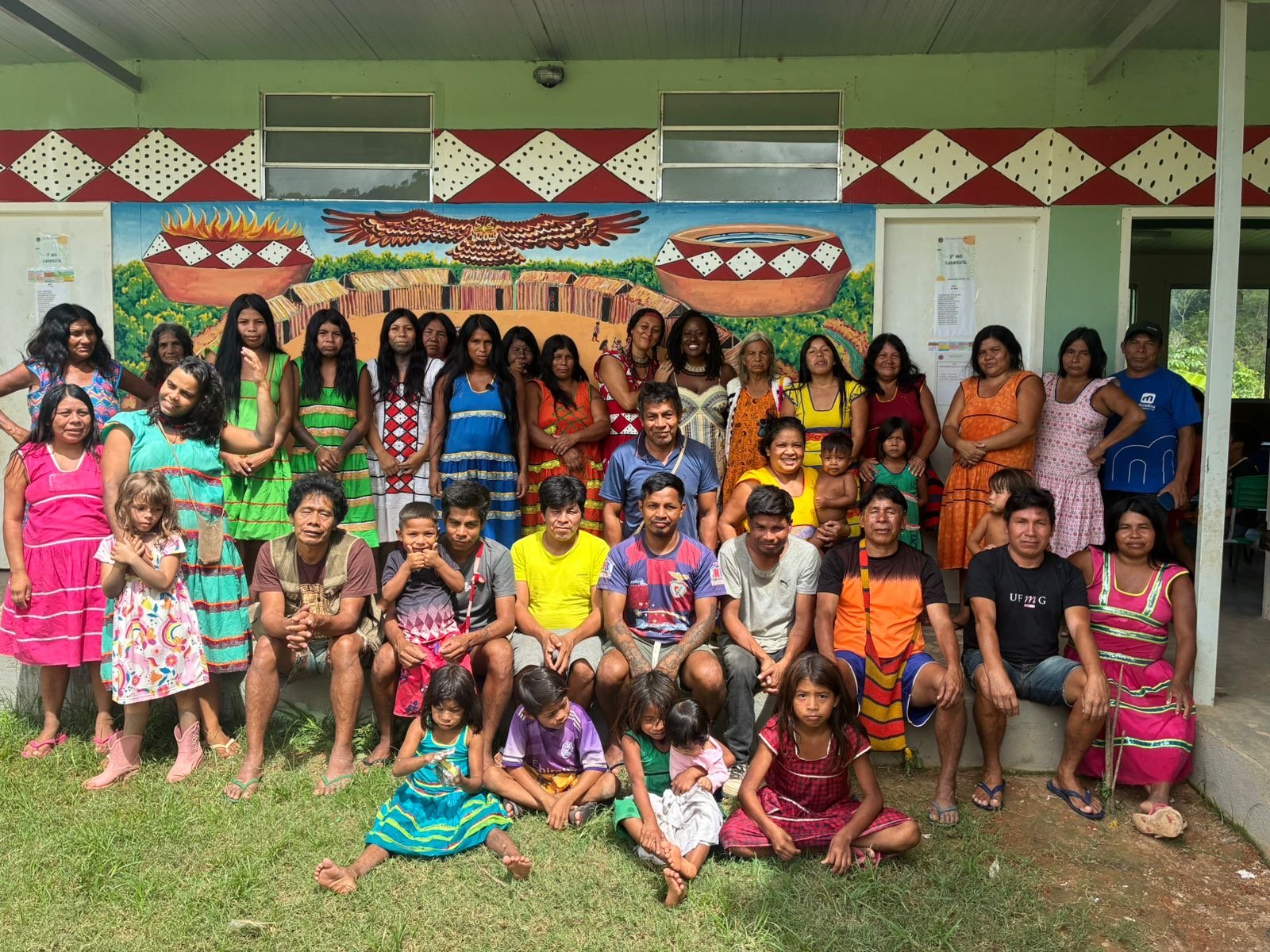
Visit by Guarani Living School to the Maxakali Living School.
At the Tukano-Desana-Tuyuka Living School, associated with the Bahserikowi – Center of Indigenous Medicine, important activities took place to strengthen political engagement, exchange knowledge, and expand dialogue between traditional Indigenous medicine and health institutions, such as the participation in the Free Land Camp (Acampamento Terra Livre – ATL) in Brasília and Indigenous Peoples’ Week in Manaus. At the Maxakali Living School, the community also gathered to celebrate Indigenous Peoples’ Day, and at the Guarani Living School, the month was marked by significant moments of festivities and ceremonies focused on the territory, such as the ka’a ceremony—the yerba mate ceremony—and the ceremony in memory of the elder Doralice Kunhã Tatá.
At the Baniwa Living School, the work on the Madzerokai Ways of Knowing House continued, such as the construction of the “Navel of the world” installation, which is part of the new edition of the Living Schools exhibition. At the Huni Kuin Living School, April was also marked by collective construction projects in the community, as well as the Arts and Dau Kuin workshop, led by shaman Dua Buse, for the creation of canvases for the Living Schools exhibition.
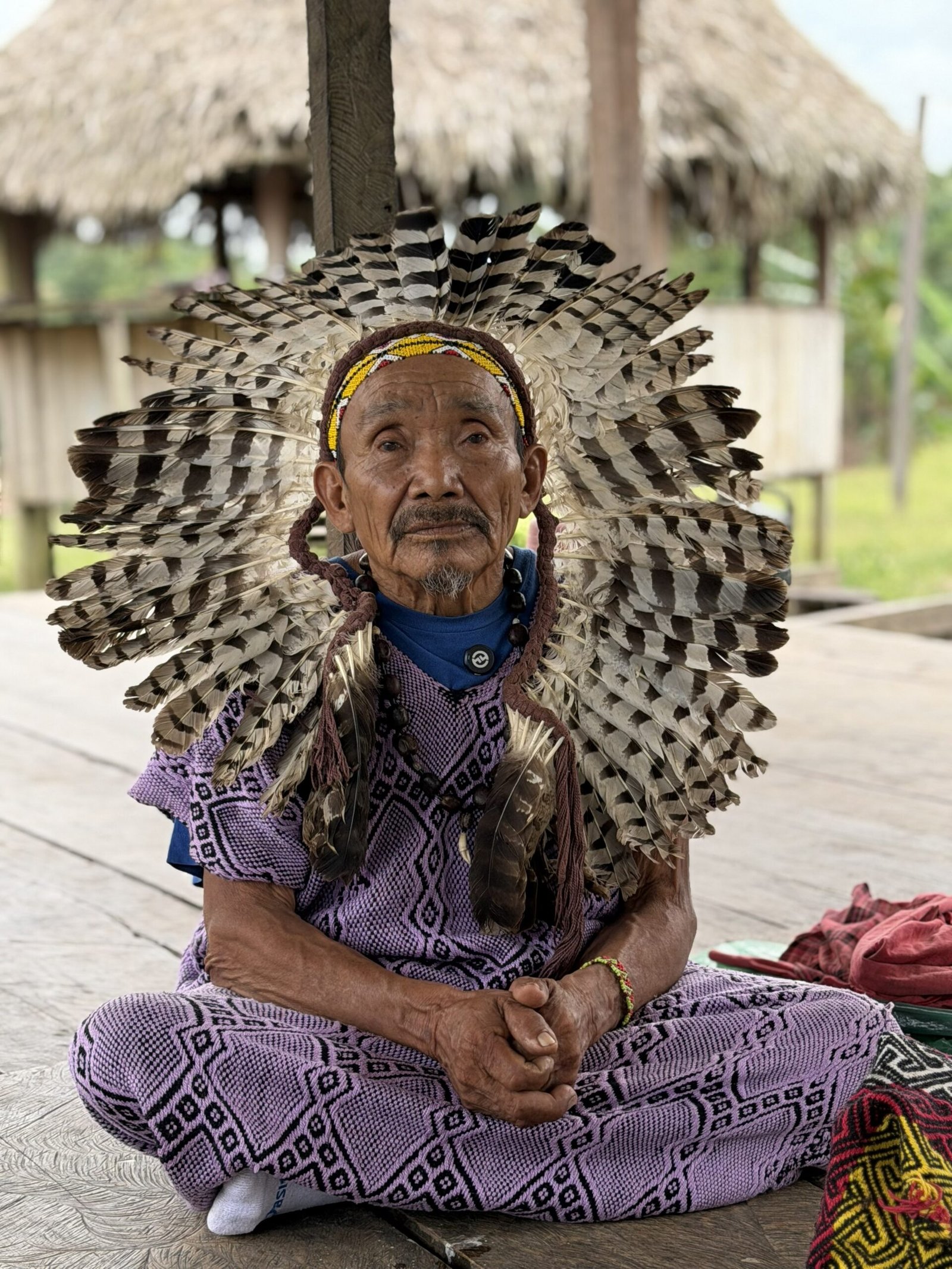
The shaman Dua Buse at the Arts and Dau Kuin workshop.
Tukano-Desana-Tuyuka Living School
From April 5 to 11, representatives from Bahserikowi, the Tukano-Desana-Tuyuka Living School, attended the Free Land Camp (ATL) in Brasília, the largest Indigenous mobilization in the country. Bringing together peoples from different territories, the ATL is a space for collective struggle and empowerment aimed at demanding rights that have historically been denied and asserting their existence. Having participated in the gathering for over a year, the Center of Indigenous Medicine reinforced its commitment to the care and defense of Indigenous life through the work of Durvalino Kisibi in the health tent, a space dedicated to welcoming and providing comprehensive care to camp participants. Bahserikowi’s presence at the ATL highlighted the importance of traditional care practices in contexts of mobilization and intercultural perspectives in the field of health, especially in spaces with a high concentration and diversity of peoples.
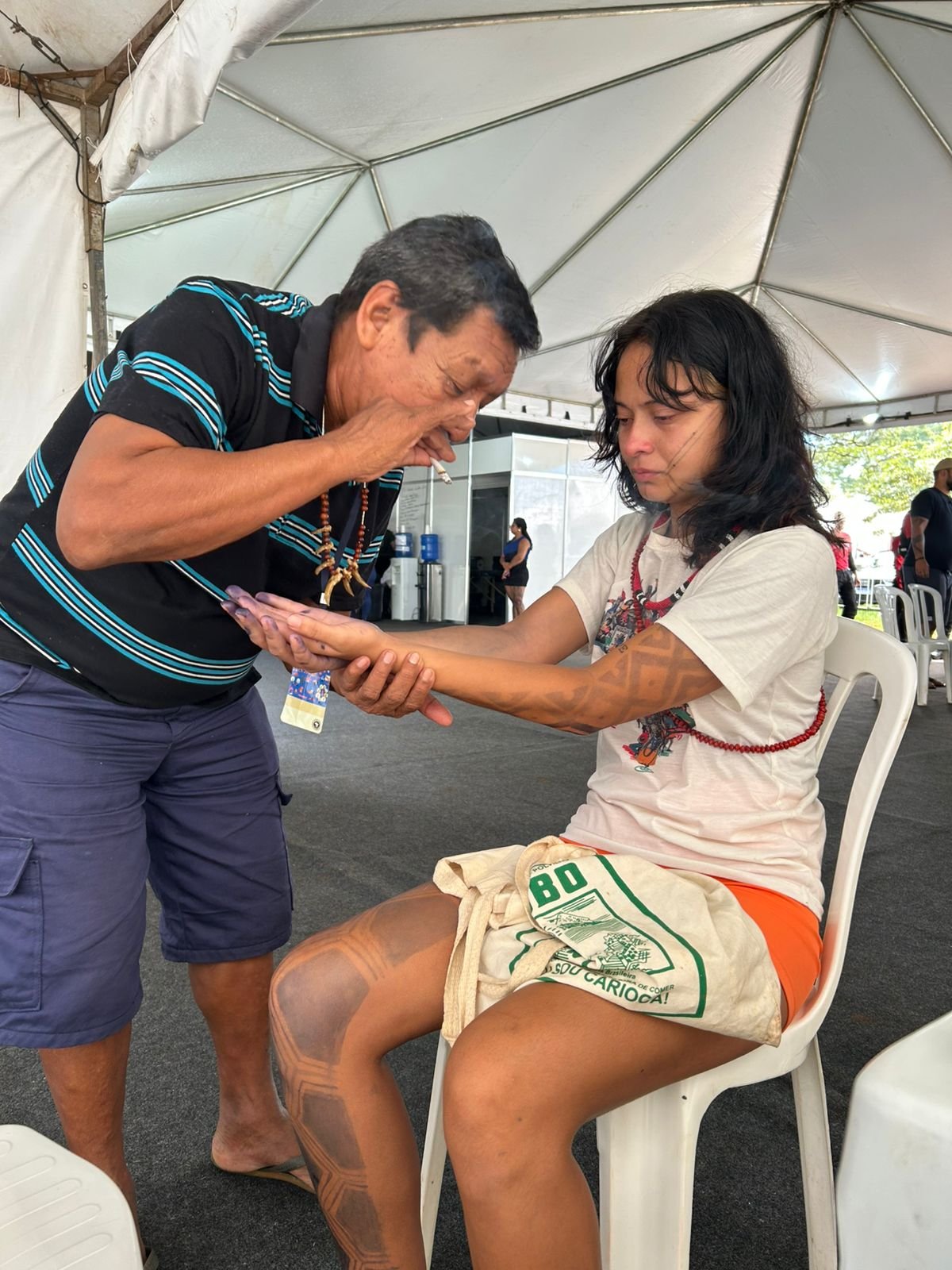
Kumu medicine at the ATL.
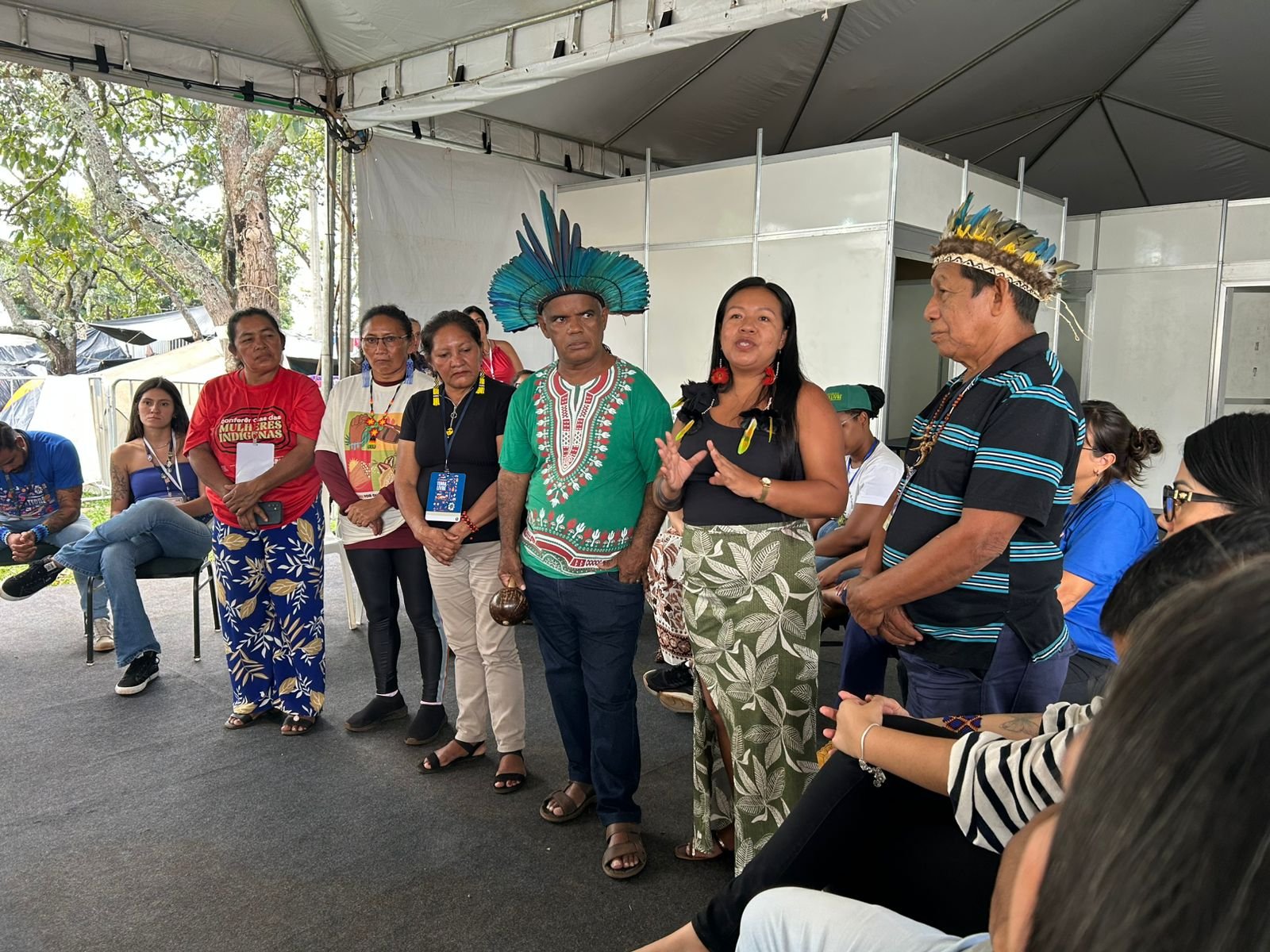
Bahserikowi in the closing remarks at the ATL.
The month at the Bahserikowi was also marked by the visit of professionals from the Manaus Municipal Health Department; the purpose of this meeting was to familiarize public health professionals with the practices and perspectives of Indigenous medicine, thereby contributing to more sensitive and appropriate care for the Indigenous populations served by the municipal health system. During the visit, Carla Wisu, Ivan Tukano, and João Paulo Barreto presented the fundamentals of the work carried out at the center, the methods of care and diagnosis conducted by the kumuã, and care practices such as Bahsese, strengthening intercultural dialogue and reaffirming Bahserikowi as a center of reference and appreciation for Indigenous knowledge.
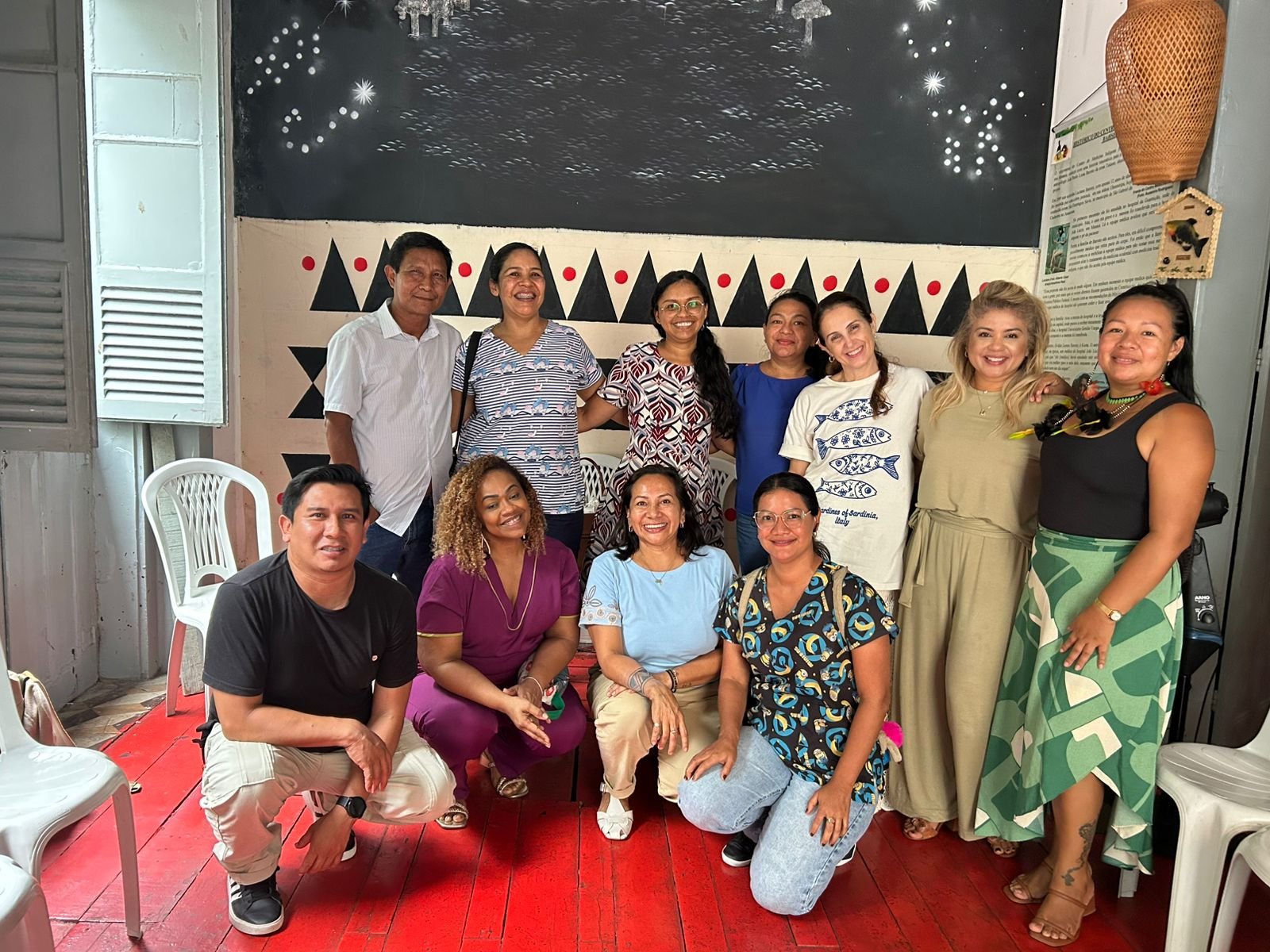
Visit by professionals from the Manaus Municipal Health Department to Bahserikowi.
As part of the ongoing effort to expand the dialogue between Indigenous medicine and health institutions, the Living School also participated in Indigenous Peoples Week, organized by Getúlio Vargas University Hospital. With the institution’s invitation, the coordinators of the Center of Indigenous Medicine gave a lecture on the work carried out by Bahserikowi and on the principles that guide healthcare based on the traditional medicines of the peoples of the Upper Rio Negro. During the meeting, Ivan Tukano and Carla Wisu shared reflections on the importance of ancestral knowledge and the appreciation of Indigenous medicines, in addition to presenting medicinal products and plants used by the Center. The event also provided an opportunity to meet with the hospital director, who reported having followed the discussions and coordination efforts during the process of establishing the Center of Indigenous Medicine prior to its founding, acknowledging its track on providing support and care for Indigenous communities.
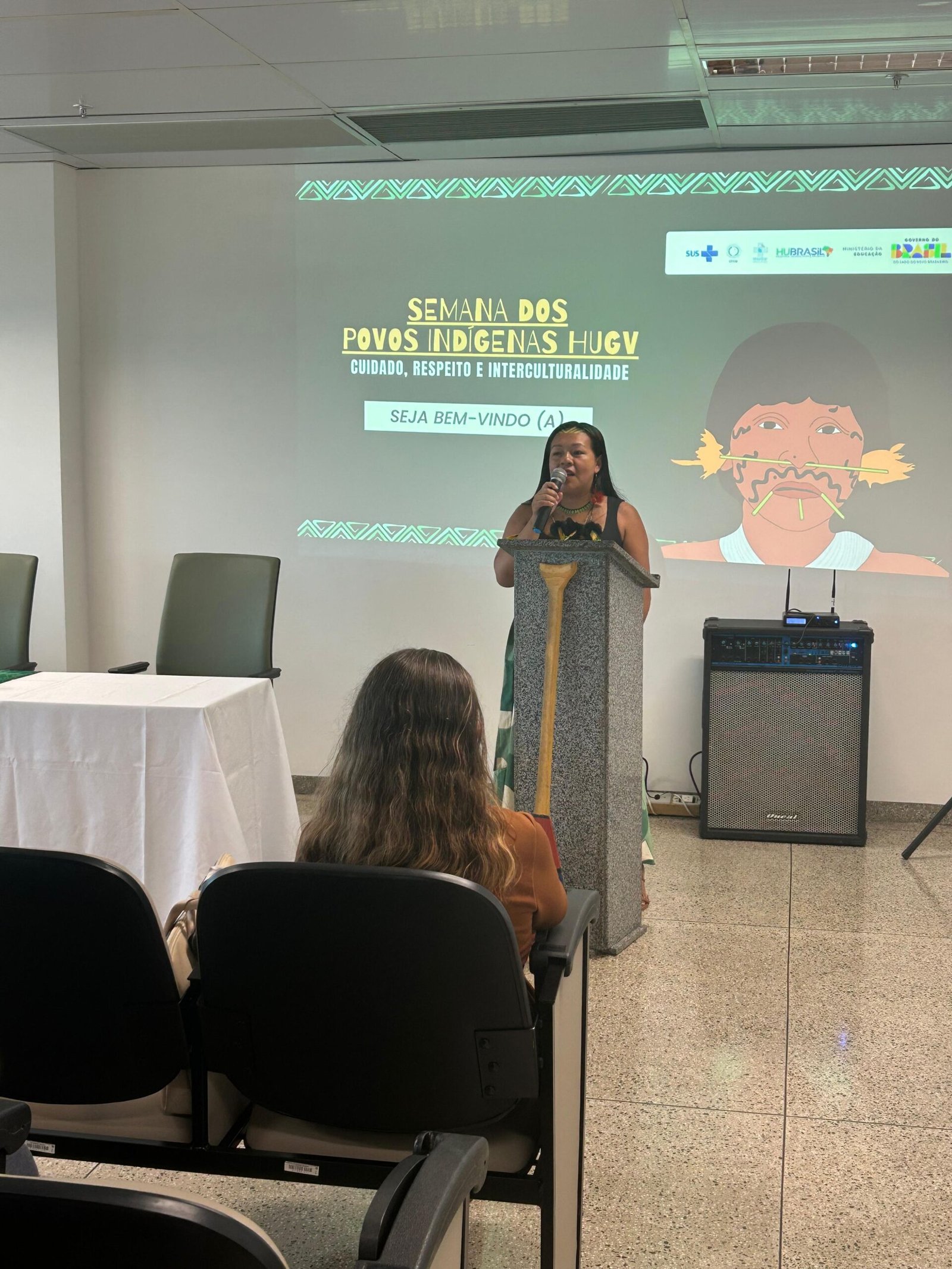
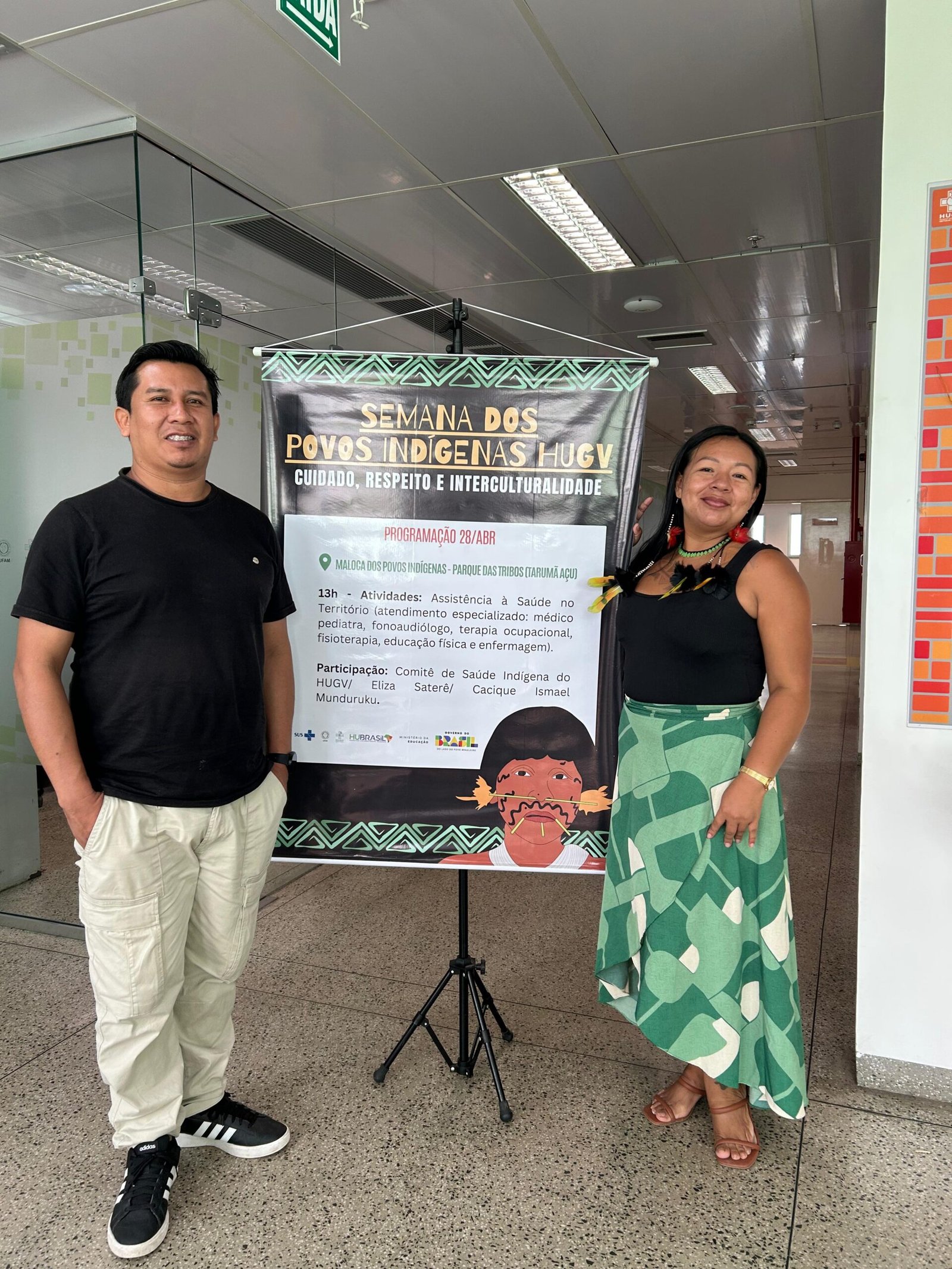
Ivan Tukano and Carla Wisu at the “Indigenous Peoples’ Week” event.
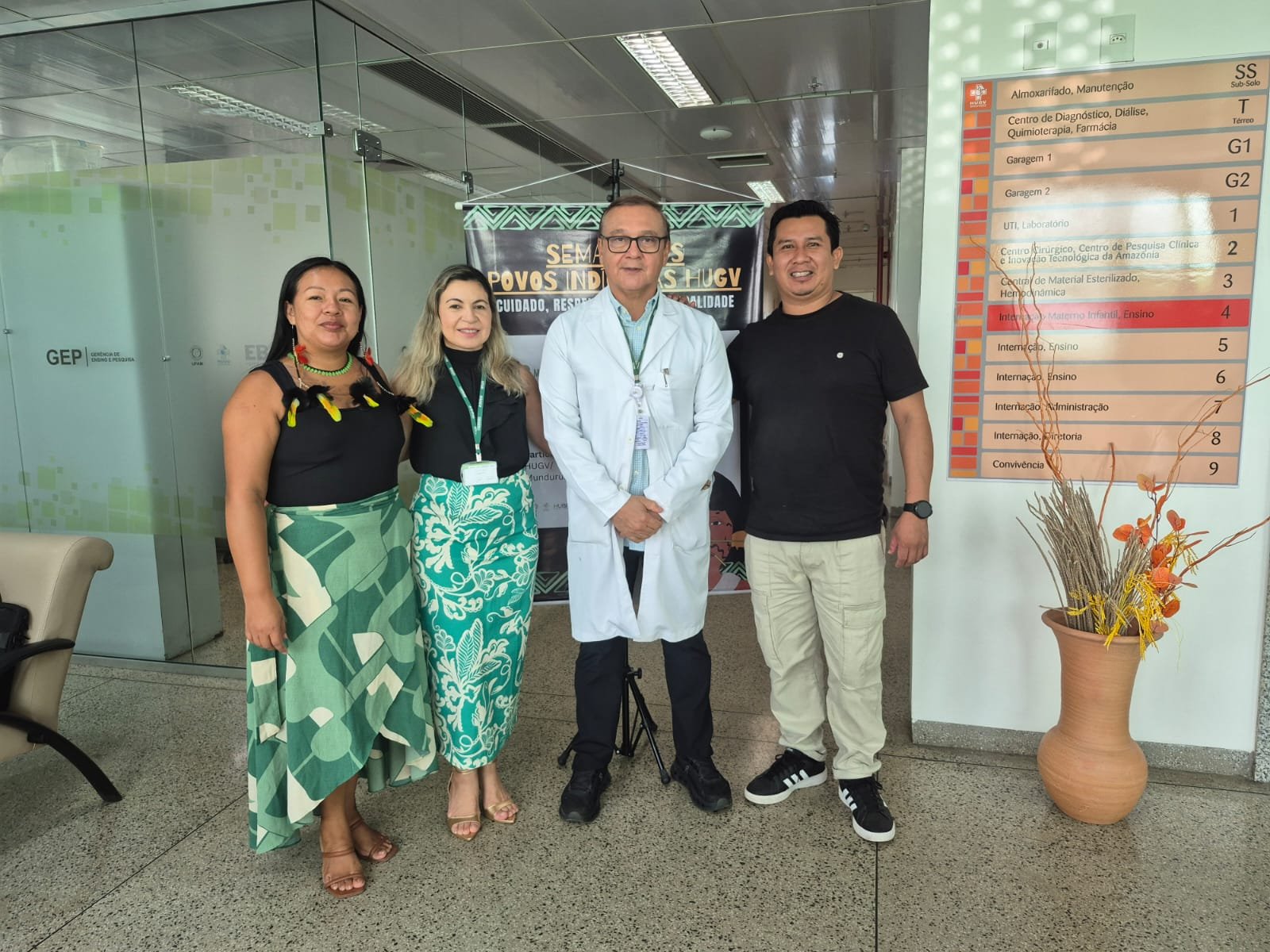
Carla Wisu and Ivan Tukano with the representative and director of Getúlio Vargas Hospital.
Maxakali Living School
On April 19, the community of the Forest School Village, the Maxakali Living School, gathered to celebrate Indigenous Peoples’ Day, an event marked by the presence of families, children, songs, shared meals, and the bonds fostered in the village’s daily life.
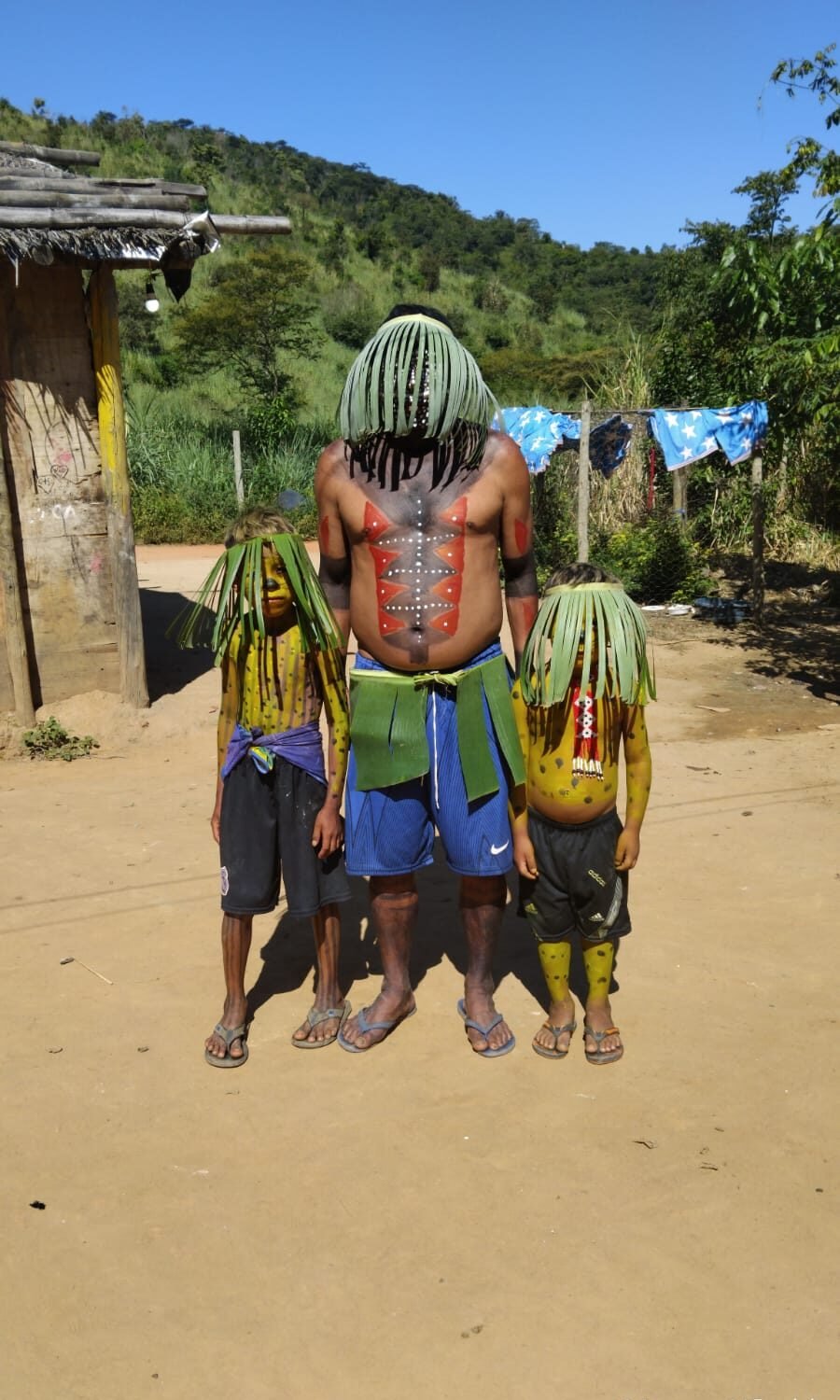
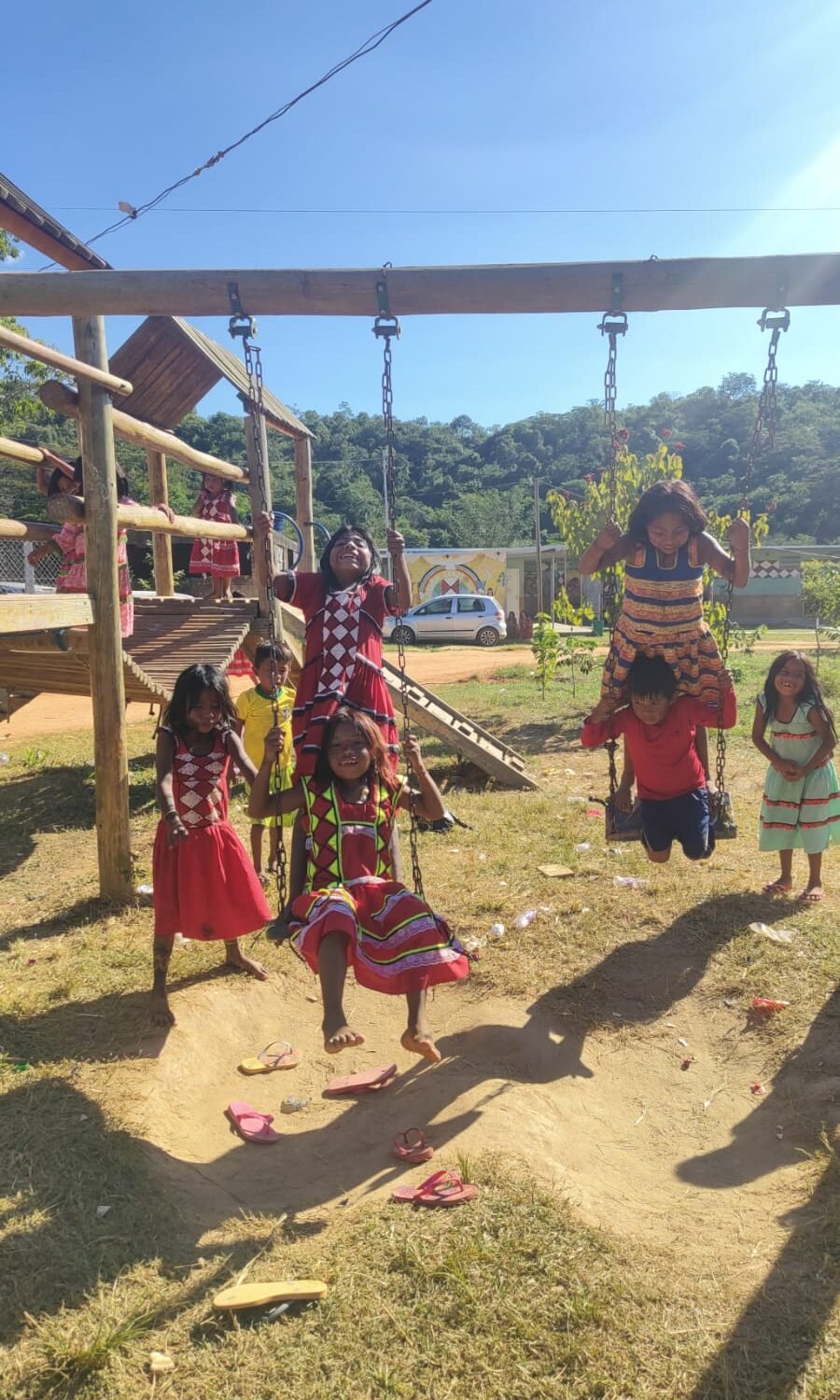
Indigenous Peoples' Day at the Maxakali Living School.
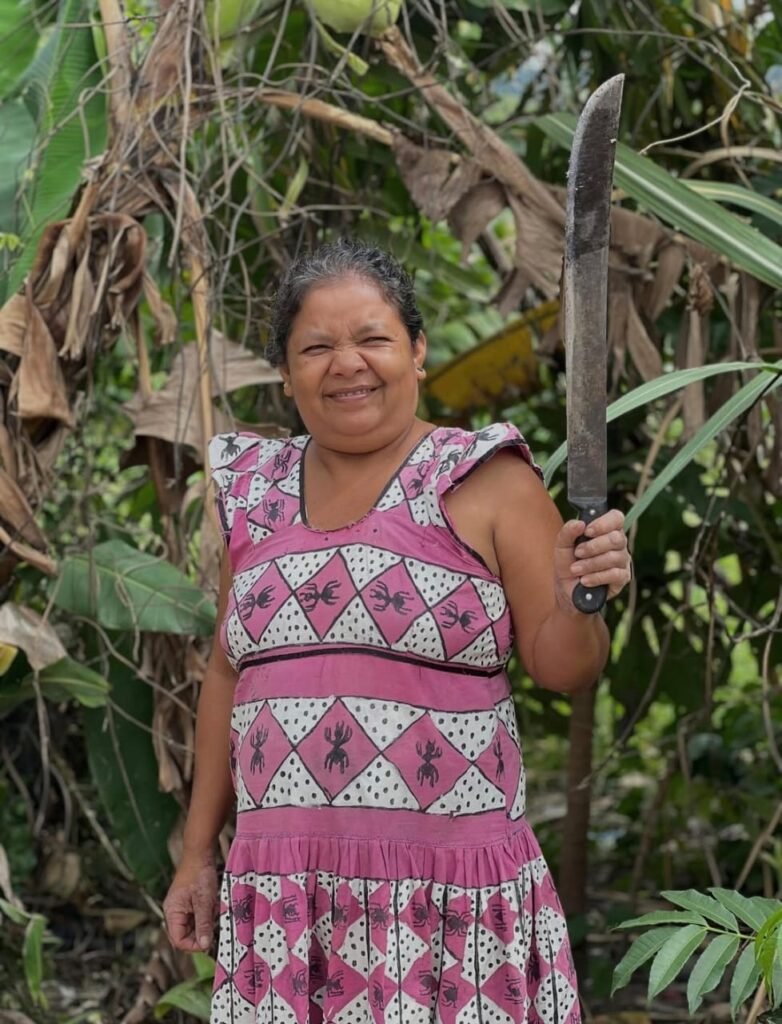
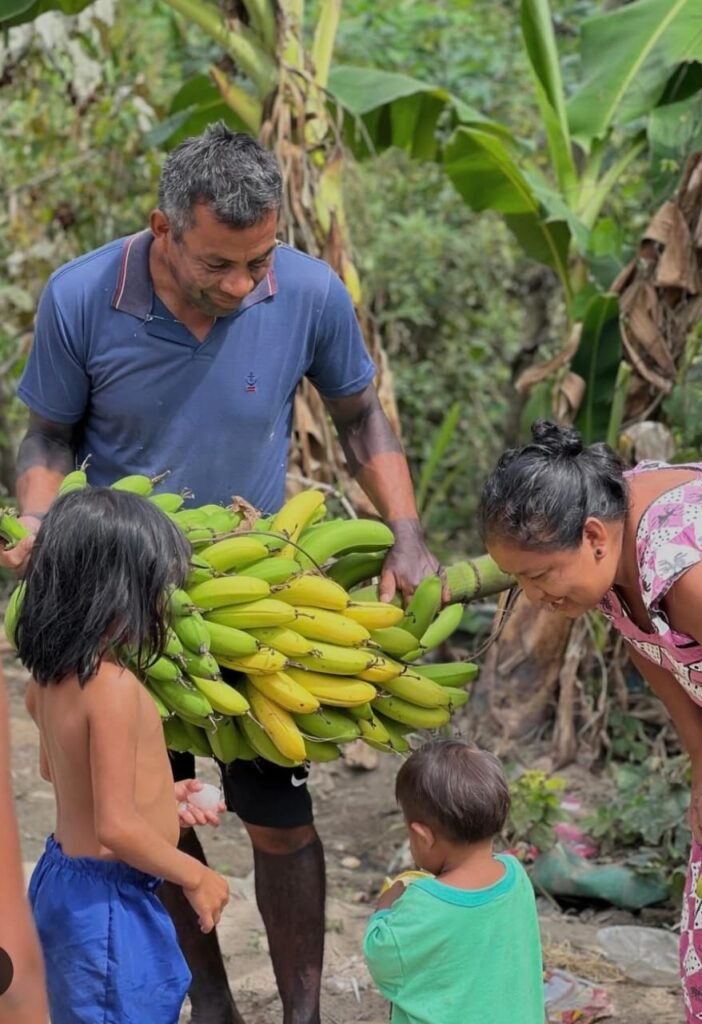
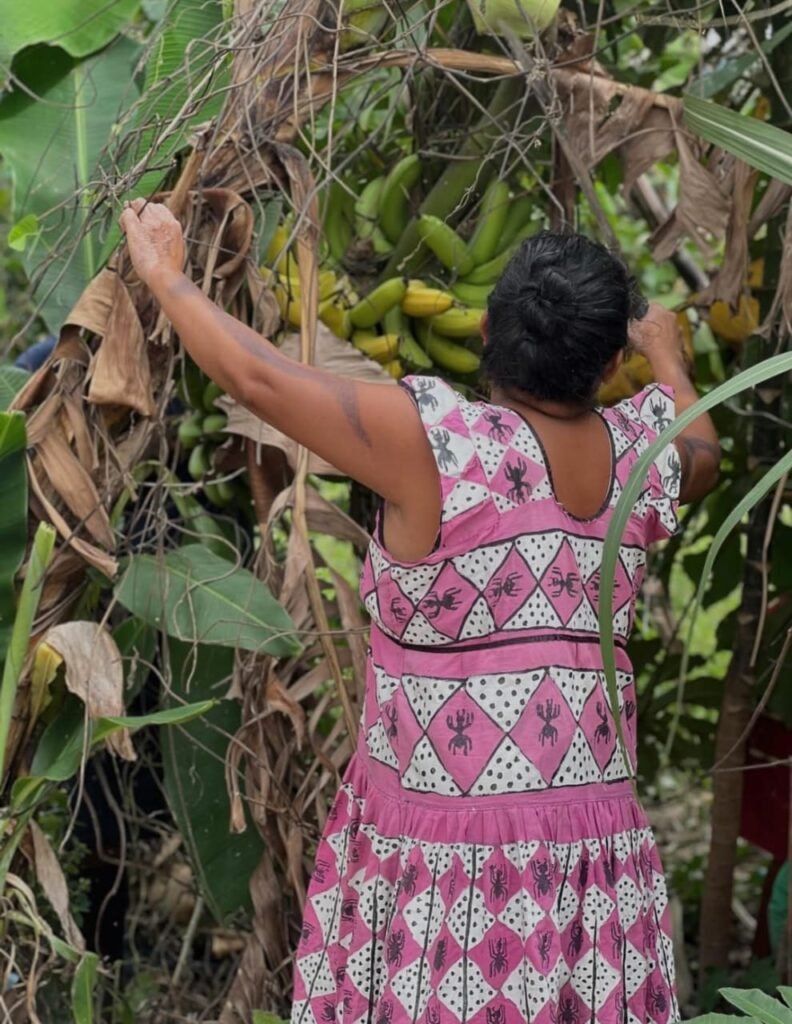
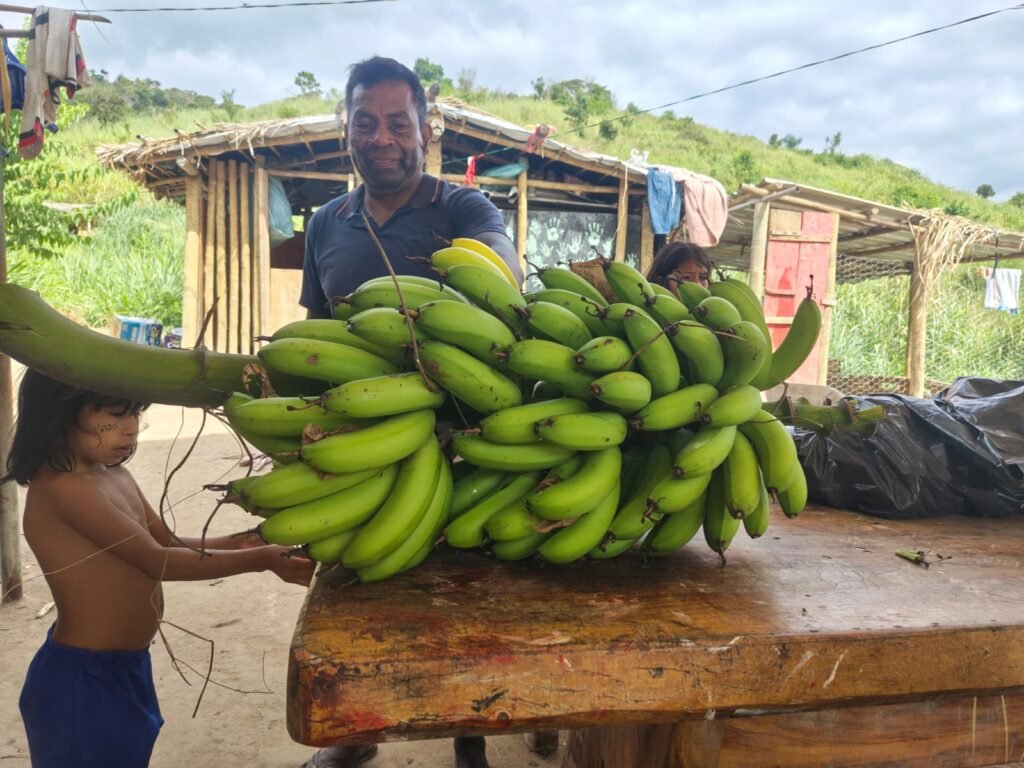
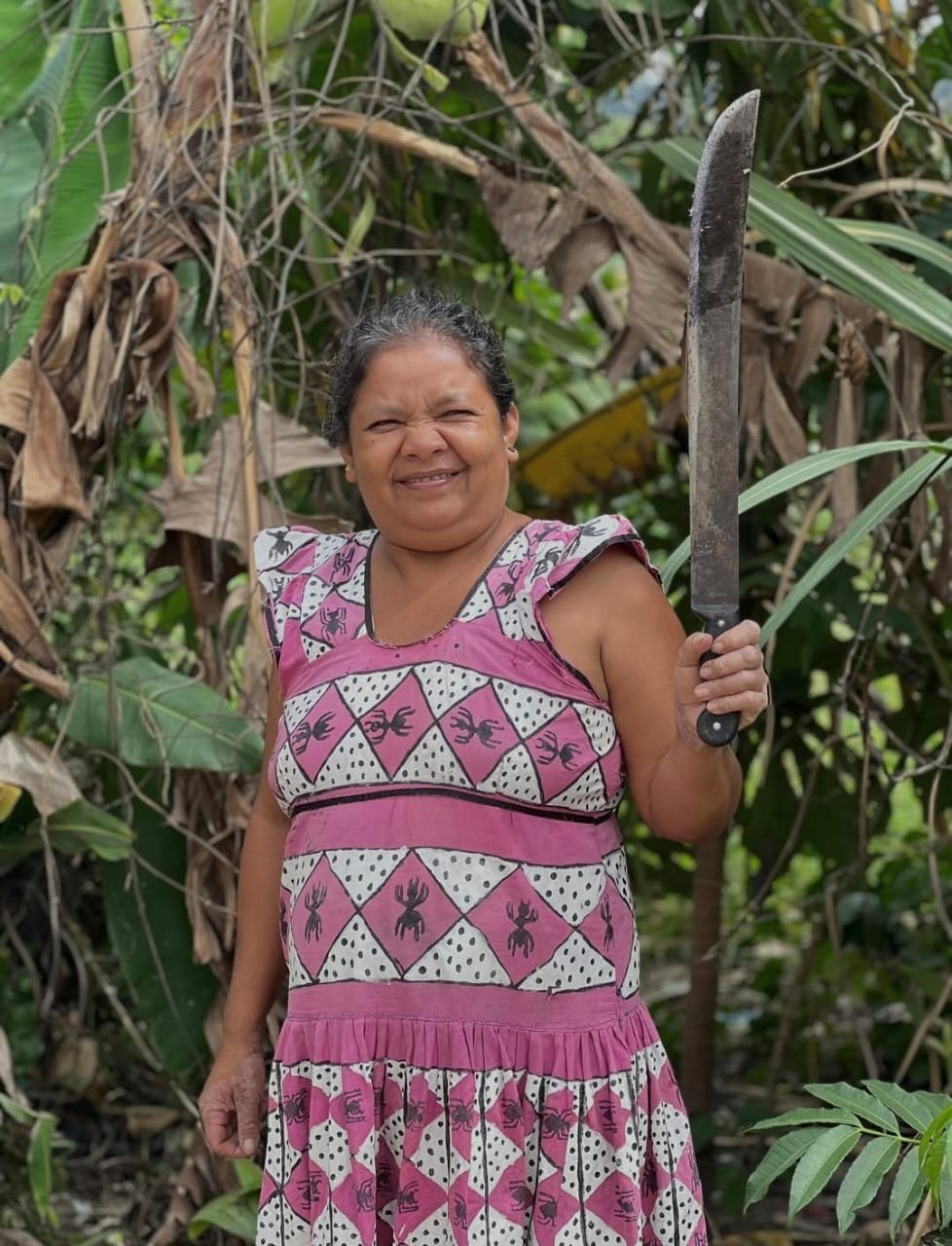
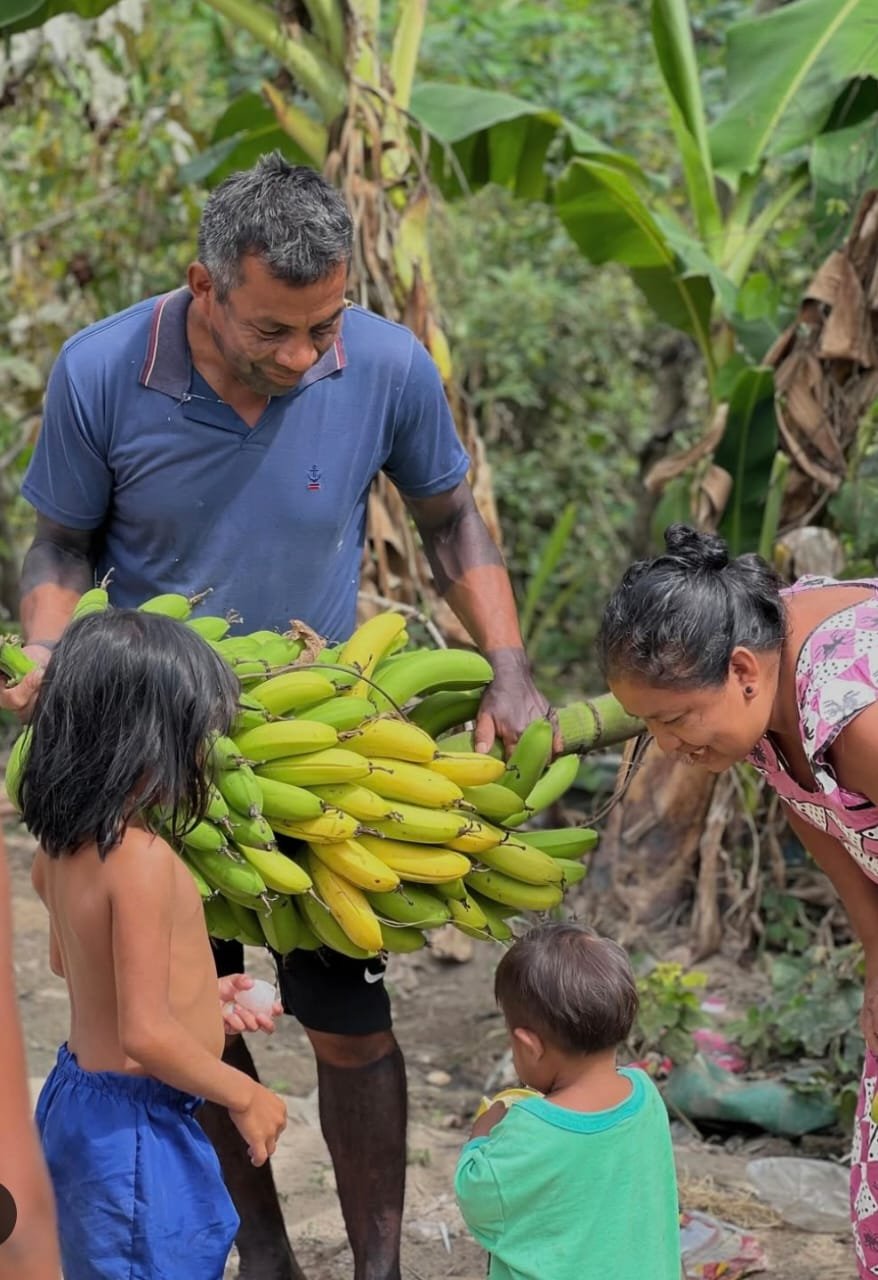
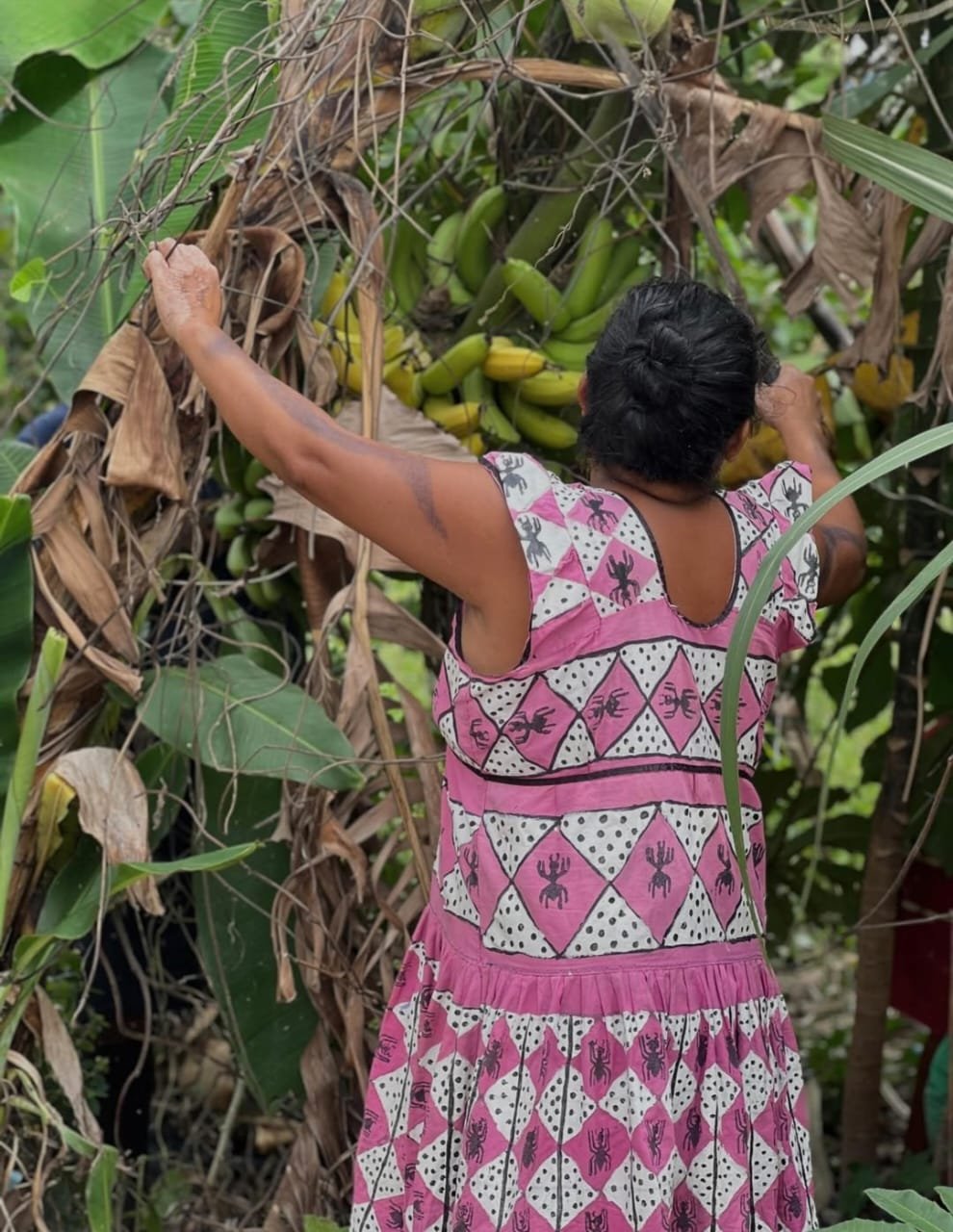
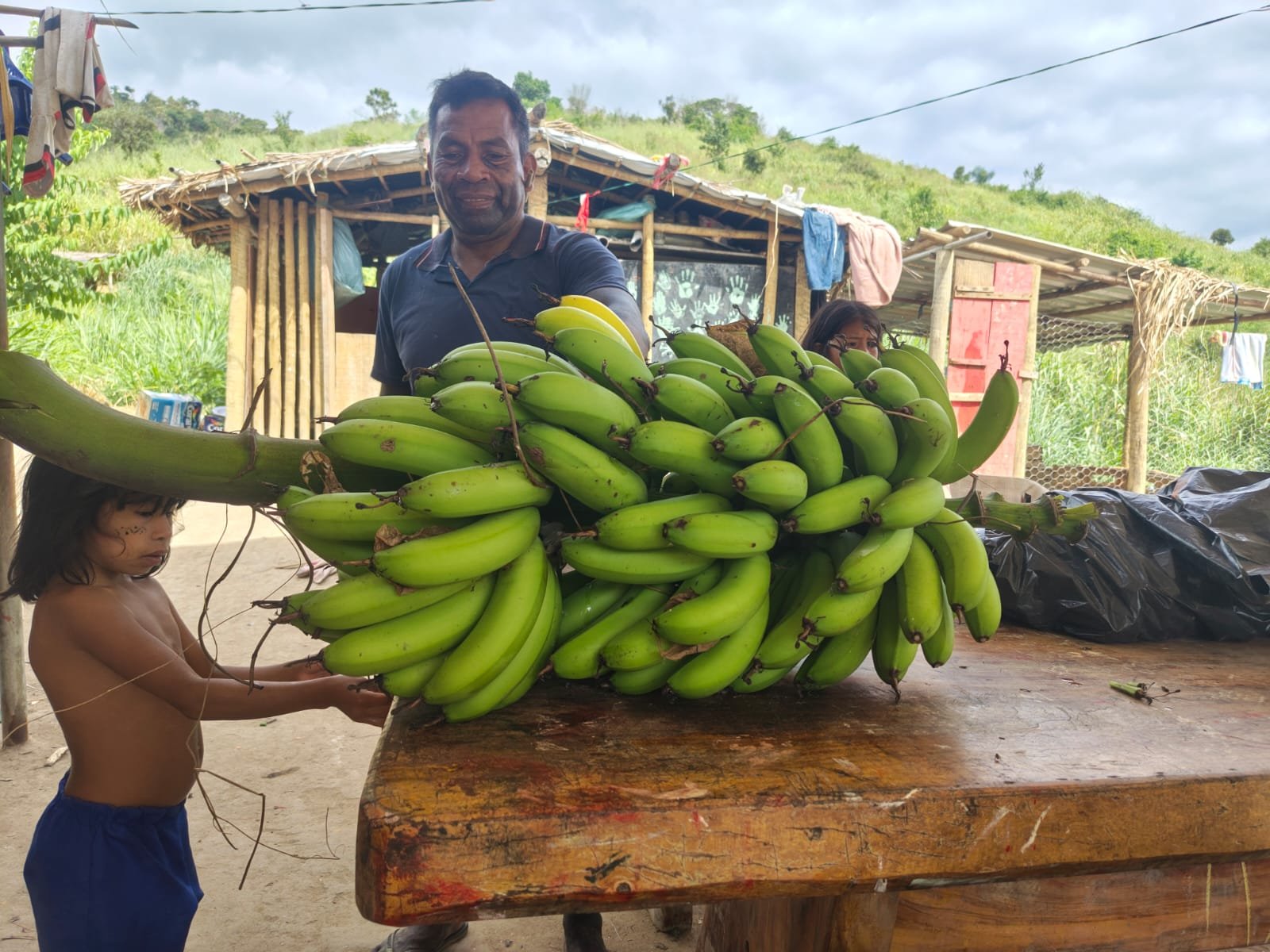
The month of April was also filled with collective efforts aimed at strengthening the territory and life at the Forest School Village, all rooted in caring for the land. Amid banana groves, vegetable gardens, and plantations, the Living School continues to reinforce agroecological and subsistence practices that sustain community life and complement the learning processes taking place in the area. These actions are part of an ongoing community-led movement of reforestation and land restoration.
Guarani Living School
At the Guarani Living School, April was a month of ceremonies at the opy’i, the house of prayer. The ka’a ceremony—honoring the yerba mate plant—was held to mark the end of Ara Pyau and the beginning of Ara Ymã, bringing together children, young people, and community leaders throughout the night for sacred songs and the sharing of ancient stories.
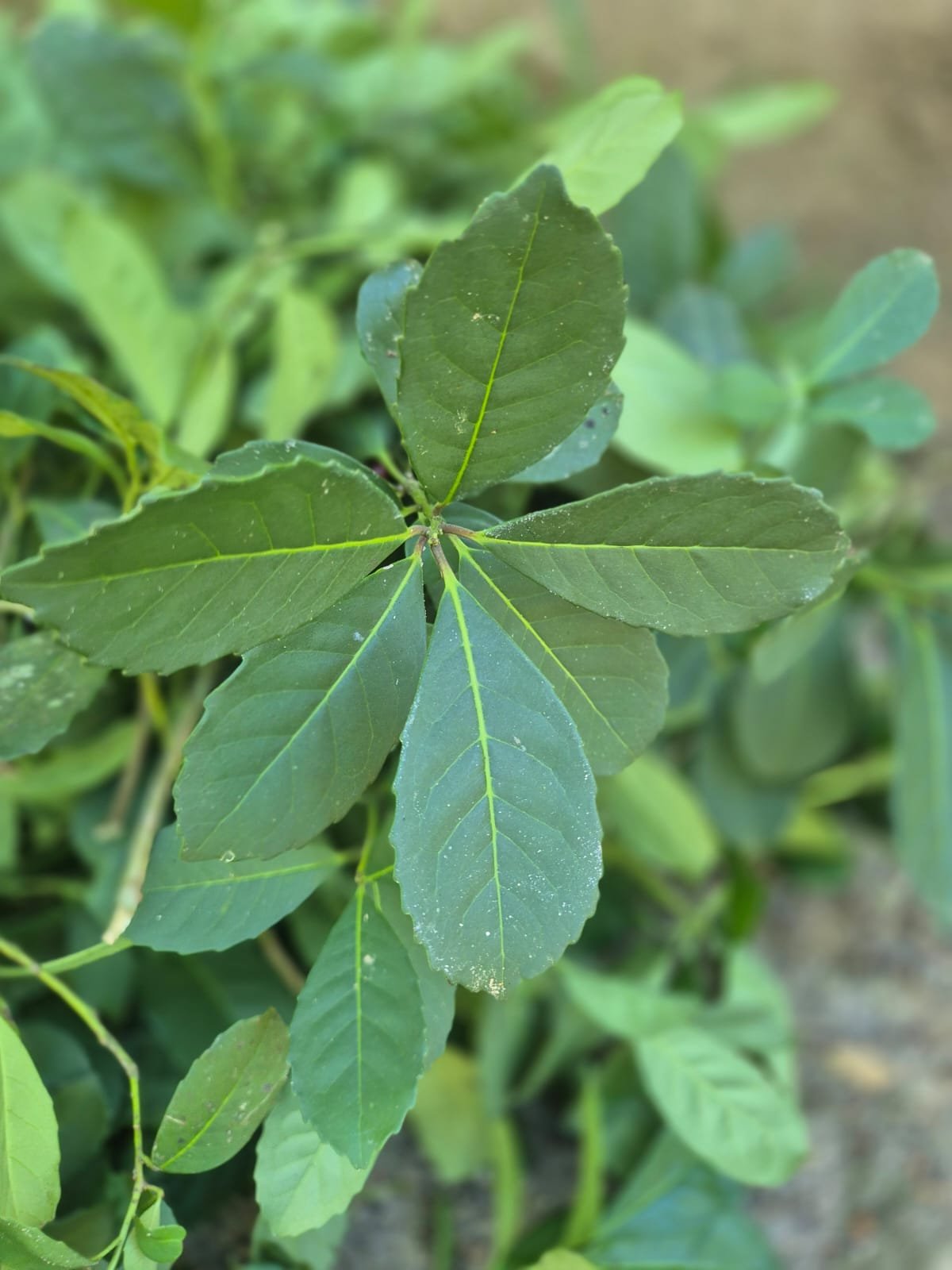
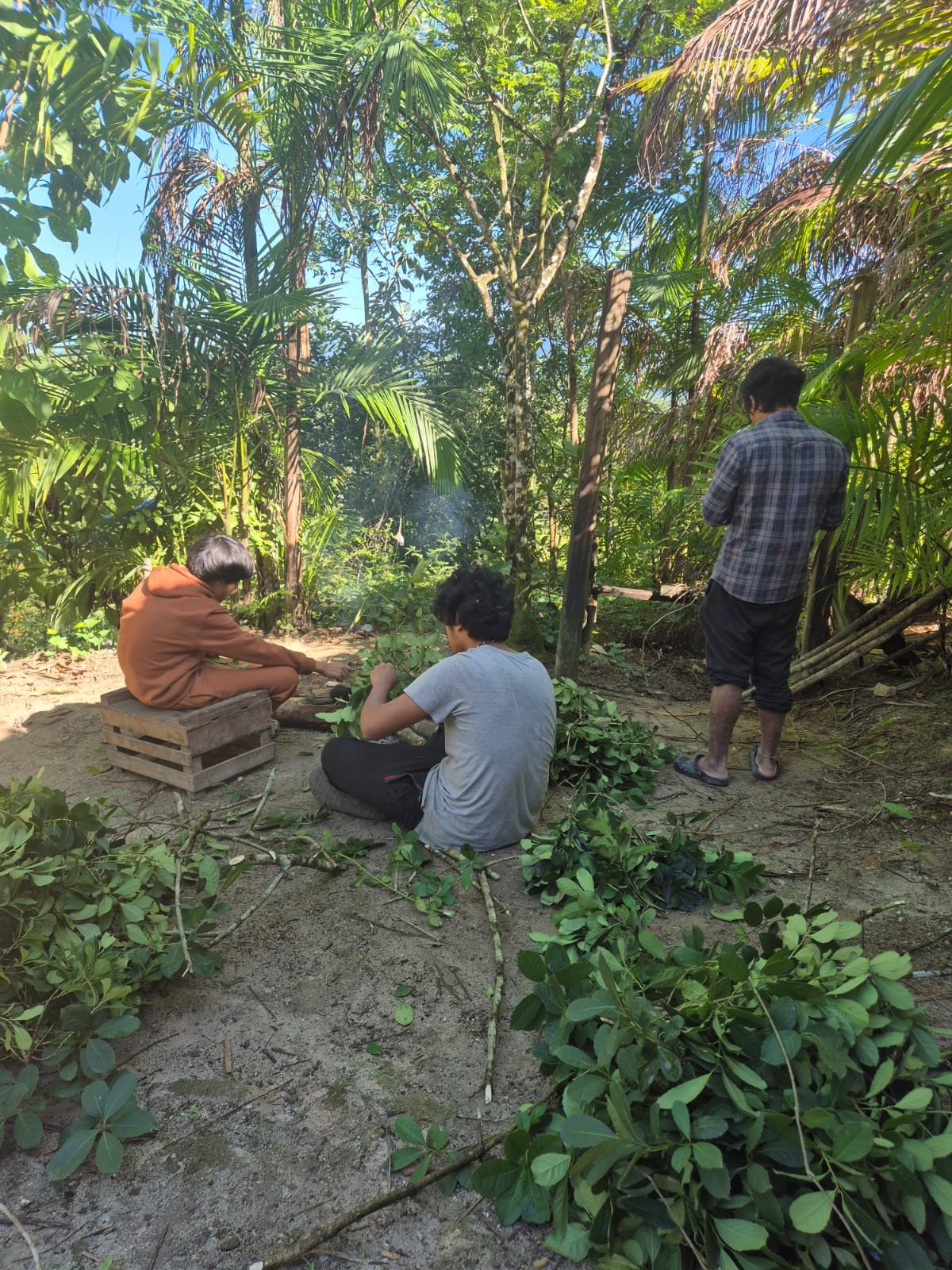
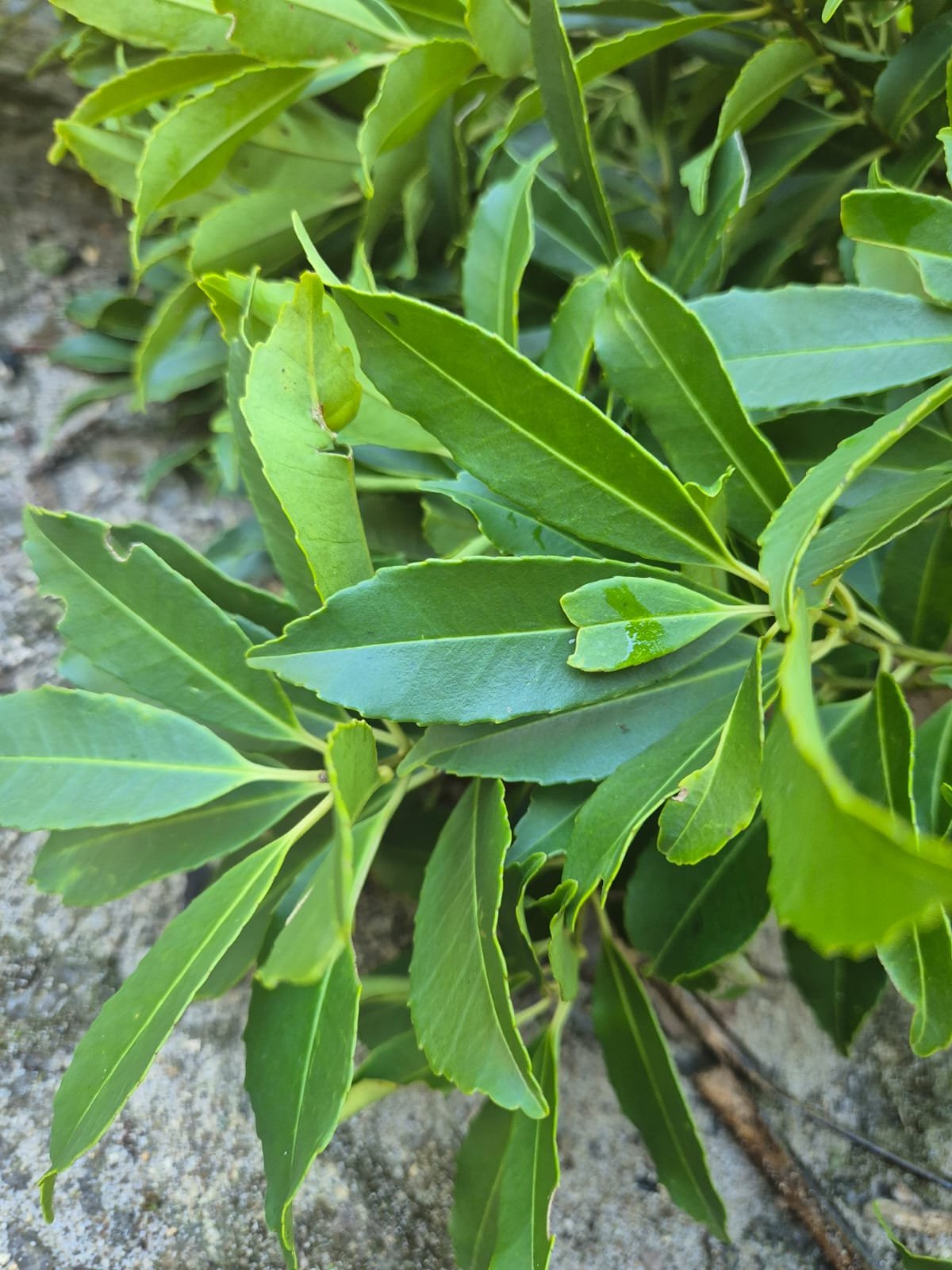
Preparations for the ka’a ceremony.
On April 18, another significant event was the ceremony of the 10th anniversary of the passing of elder Doralice Kunhã Tatá, an important leader, midwife, and female role model in the Rio Silveira Village. The celebration reasserted the continuity of the teachings left by Kunhã Tatá, mother of Carlos Papá, coordinator of the Guarani Living School, reaffirming her importance to the Guarani community and resistance.
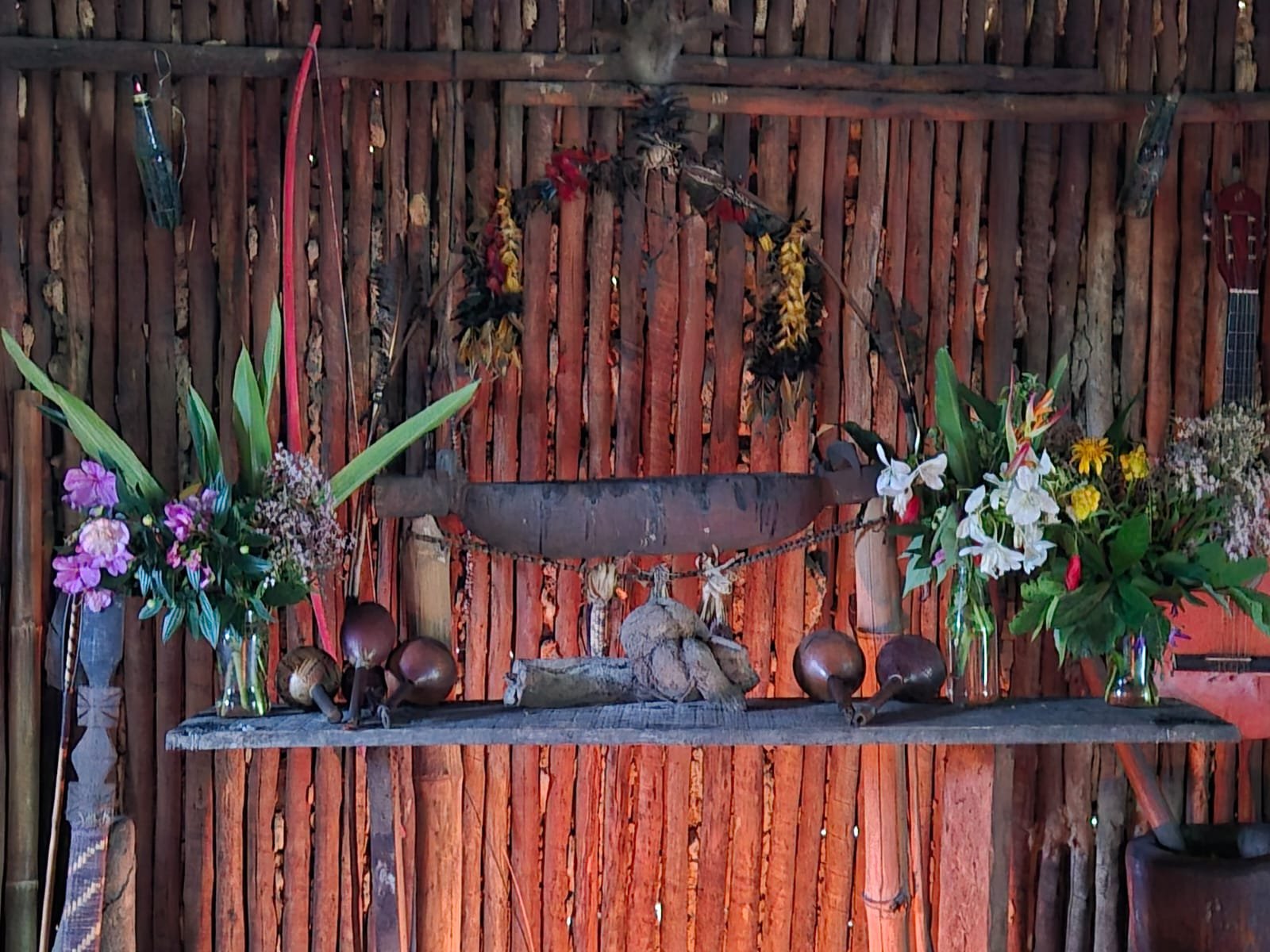
Memorial for the leader and elder Doralice Kunhã Tatá.
Throughout April, there was also a strong presence of students in the village with the visits from schools in Ribeirão da Silveira. The Guarani Living School welcomed groups of elementary and high school students for hands-on experiences in the community and the forest. During the hikes, lessons were shared about Nhe’ëry—where the spirits bathe—which is how the Guarani refer to the territory commonly known as the Atlantic Forest. Participants also engaged in reflections with Lurdes Pará, a female leader from the Rio Silveira Village, on the importance of respecting the forest beings, the waters, the rocks, and the plants. The gatherings also addressed the history of struggle and resistance of the ancient Guarani leaders, reinforcing the importance of caring for the territory and all forms of life that inhabit it.
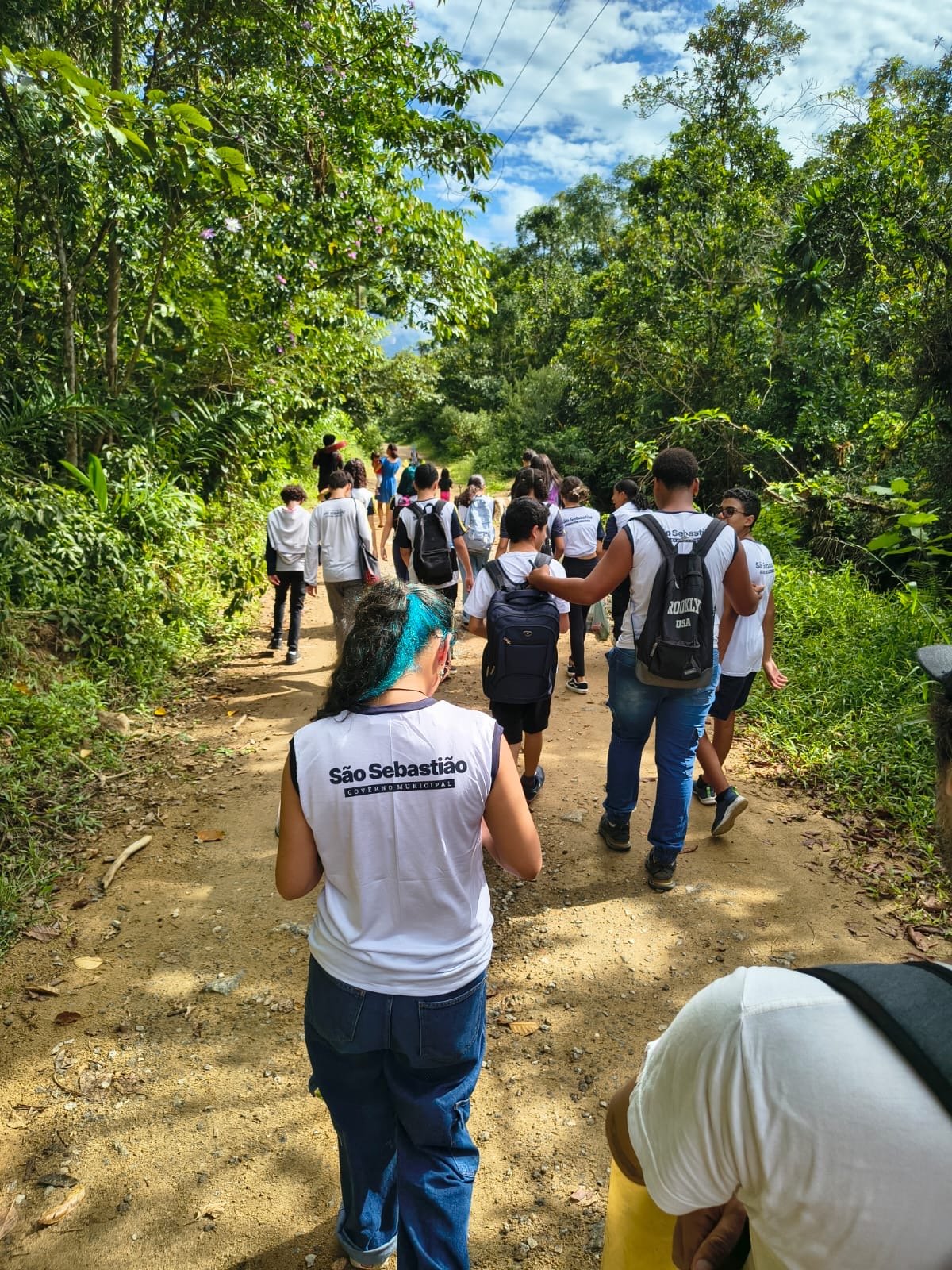
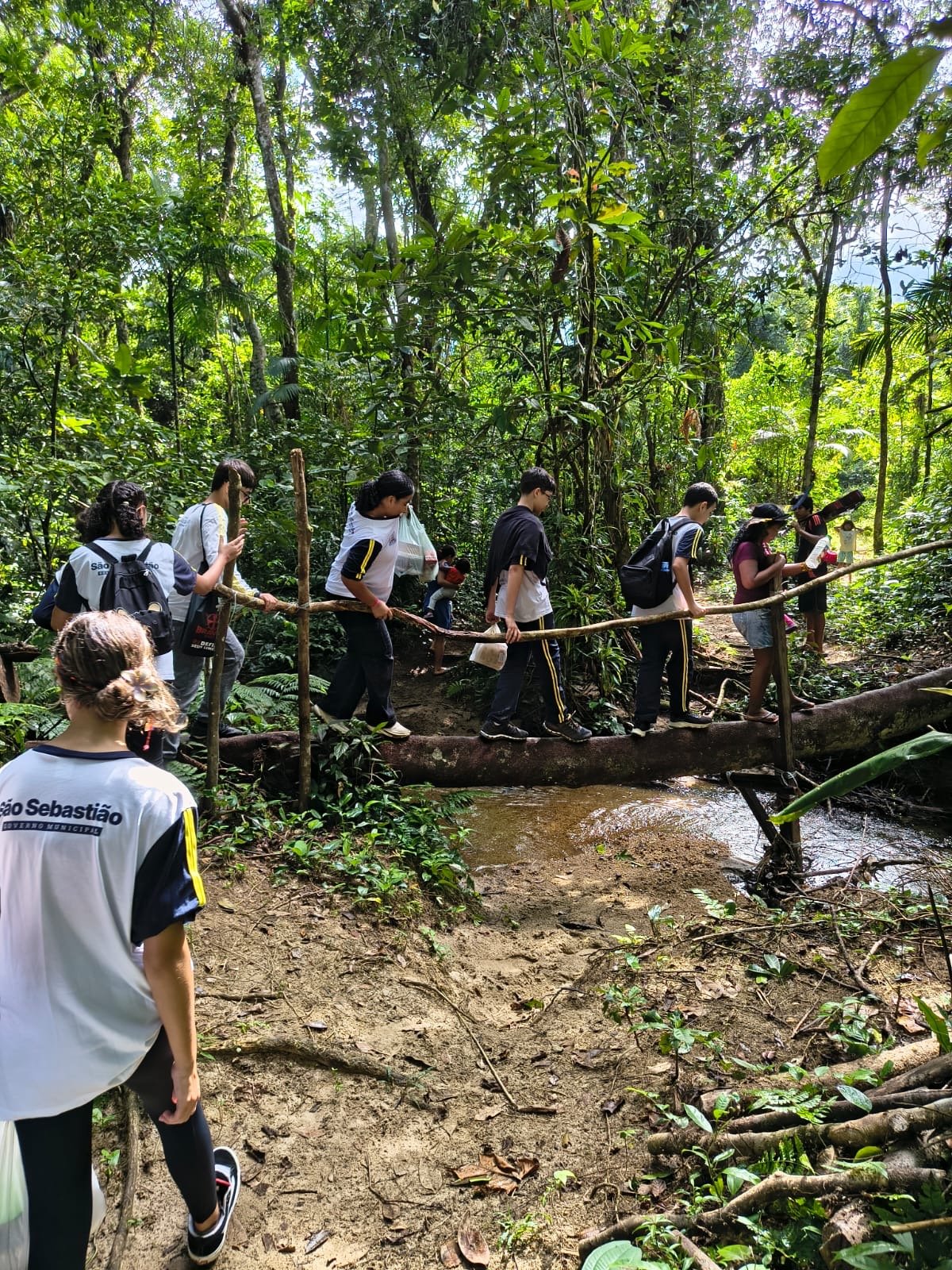
Visit by students from Ribeirão da Silveira to the Guarani Living School.
In dialogue with other regions and the creative processes of the Living Schools, Carlos Papá met with Cristine Takuá, general coordinator of the Living Schools movement, and Veronica Pinheiro, coordinator of the Selvagem Ways of Knowing Group alongside Cristine Takuá and coordinator of the Selvagem Ways of Knowing Lab (LAS), at the Maxakali Living School, where they held a painting workshop focused on creating works for the exhibition “Long Live the Living School”, which opens next month. The meeting fostered exchanges between the schools and strengthened the creative processes developed in the local communities.
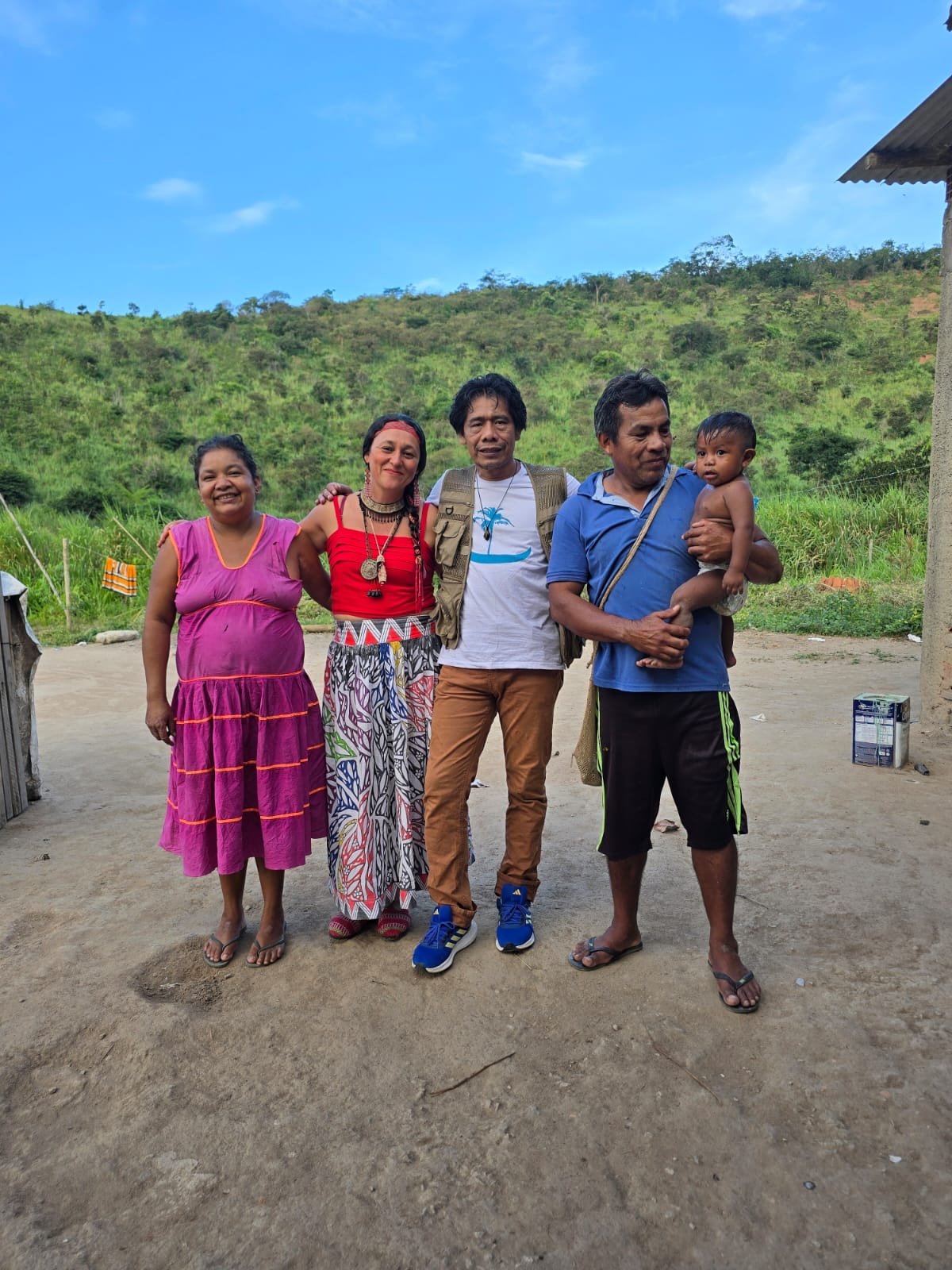
Sueli Maxakali, Cristine Takuá, Carlos Papá and Isael Maxakali
Huni Kuin Living School
At the Huni Kuin Living School, the construction of the communal kitchen in the Coração da Floresta Village continued to mobilize the community through collective efforts and improvements designed to enhance daily life in the area. In addition to completing the main structure, the community also requested the creation of a covered, ergonomic space for women, equipped with tanks, sinks, countertops, cabinets, and a shower, as well as the construction of a portable toilet that can be moved as needed. In parallel, between April 29 and May 4, the Living School held an in-person Arts and Dau Kuin workshop focused on creating works for the “Long Live the Living School” exhibition at the Tomie Ohtake Institute, based on the talks and songs of the shaman Dua Buse, which included activities in the forest, such as hikes and mushroom picking.
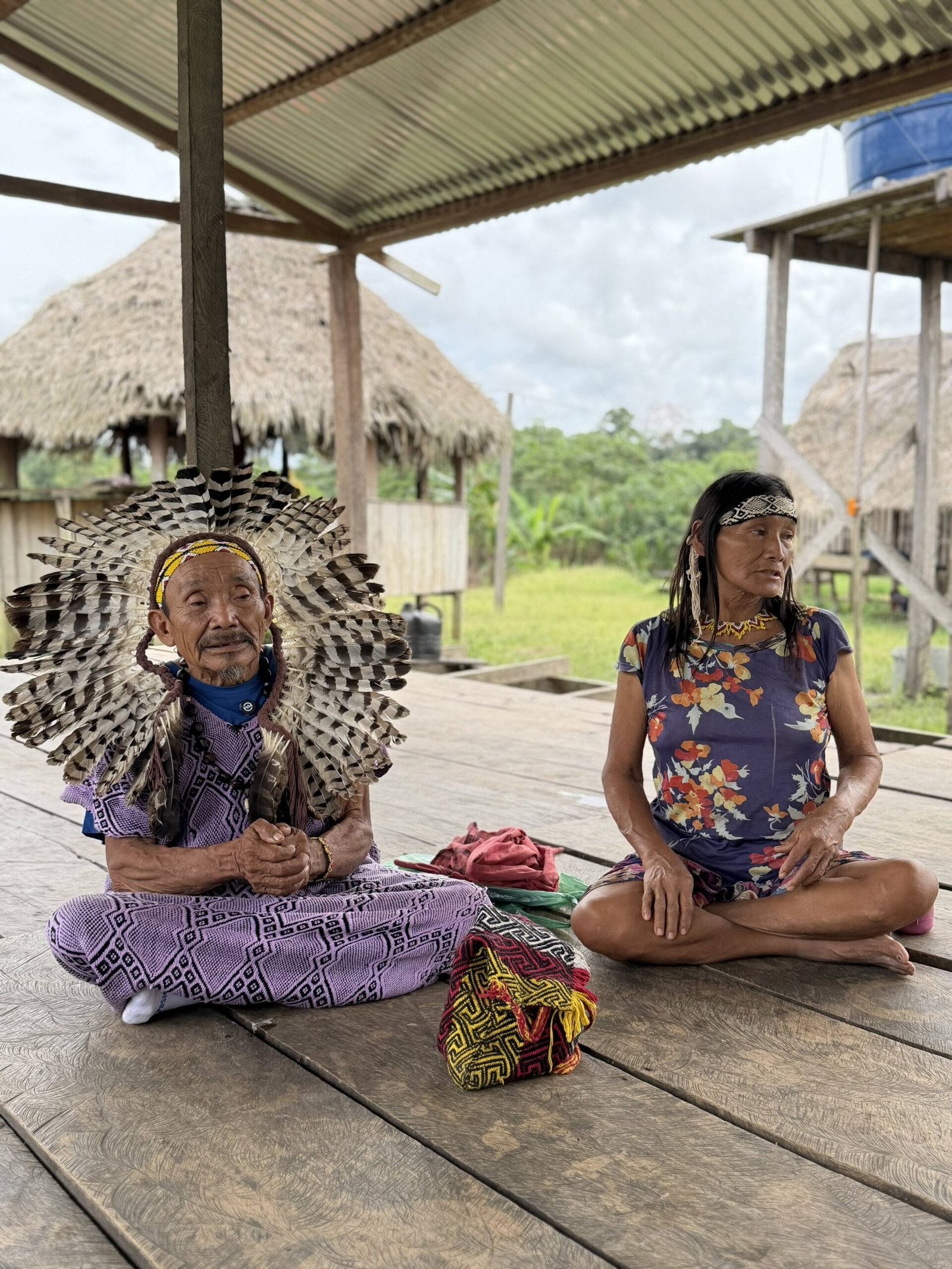
Dua Buse and his wife Nete.
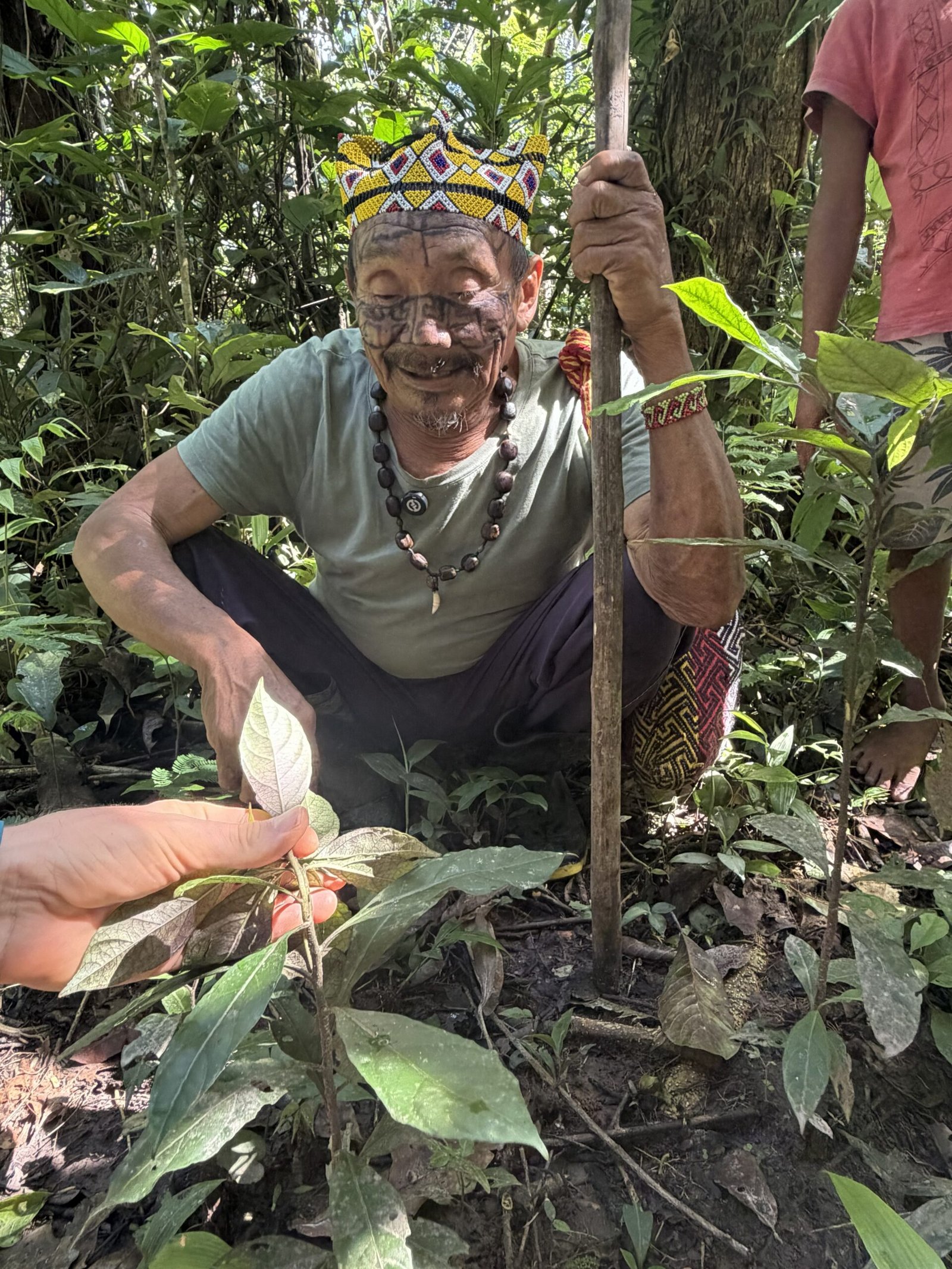
Shaman Dua Buse in the forest.
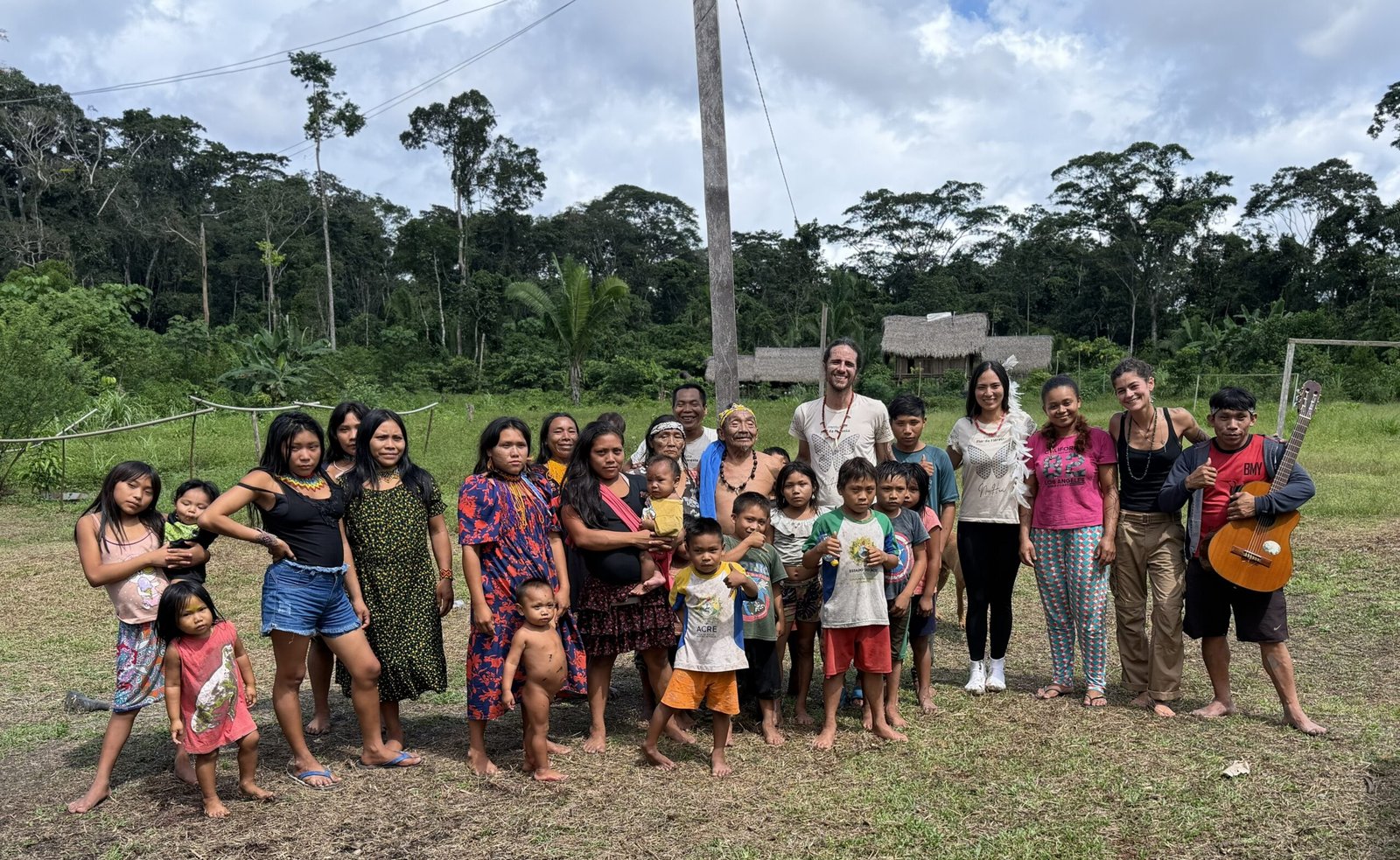
The Arts and Dau Kuin living.
Baniwa Living School
At the Baniwa Living School, the Madzerokai Education House is nearing completion, marking yet another chapter in a collective process initiated months ago by the community and the elders of the Living School—a journey marked by community workdays, gatherings, and dreams, which can be read in greater detail in the article “The Madzerokai Education House: the new navel of the world”, published on our website. In April, activities at Madzerokai focused on leveling the ground, clearing the site, and removing tree roots and stumps, as well as on the construction of the Living School refectory.
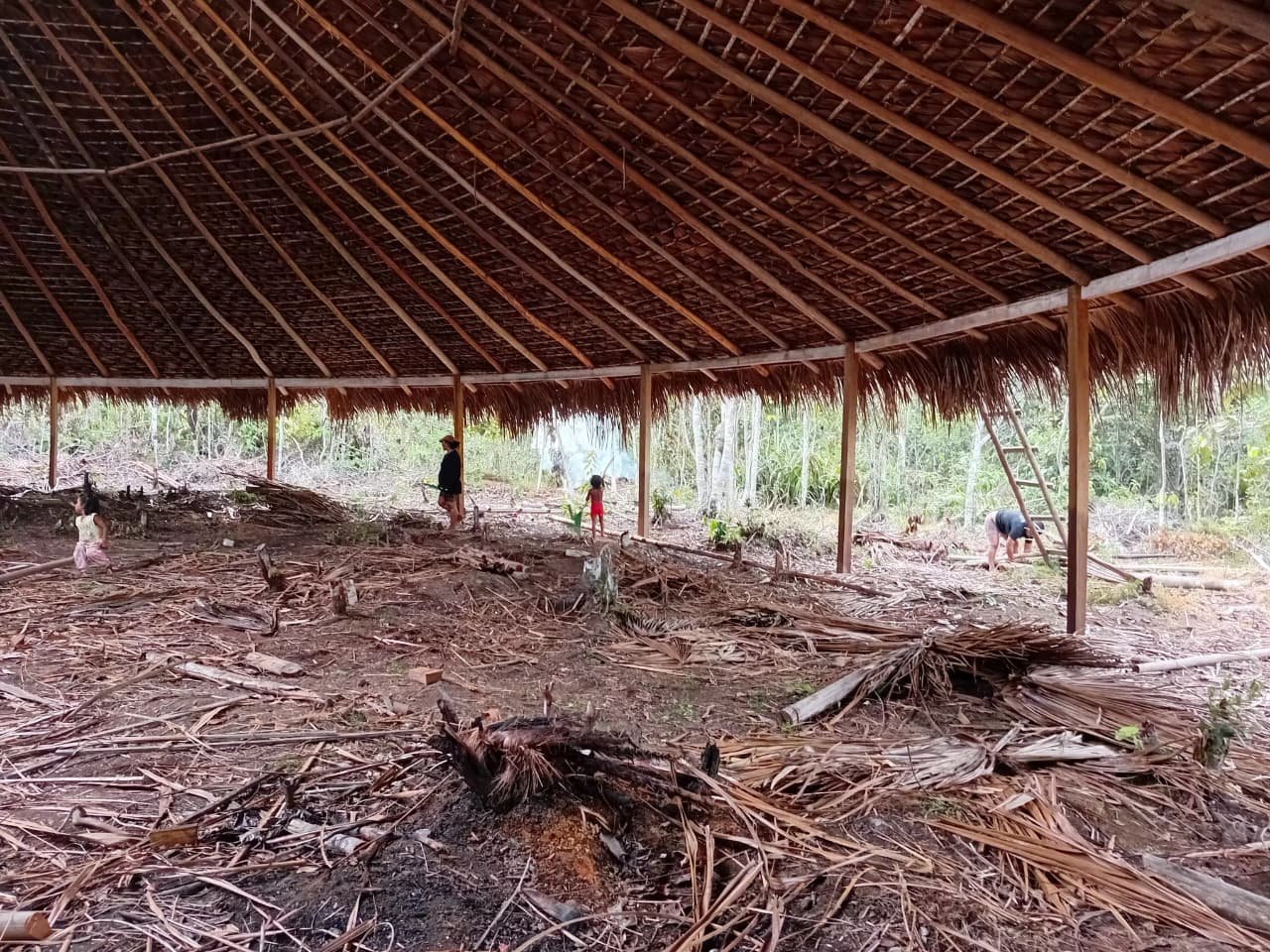
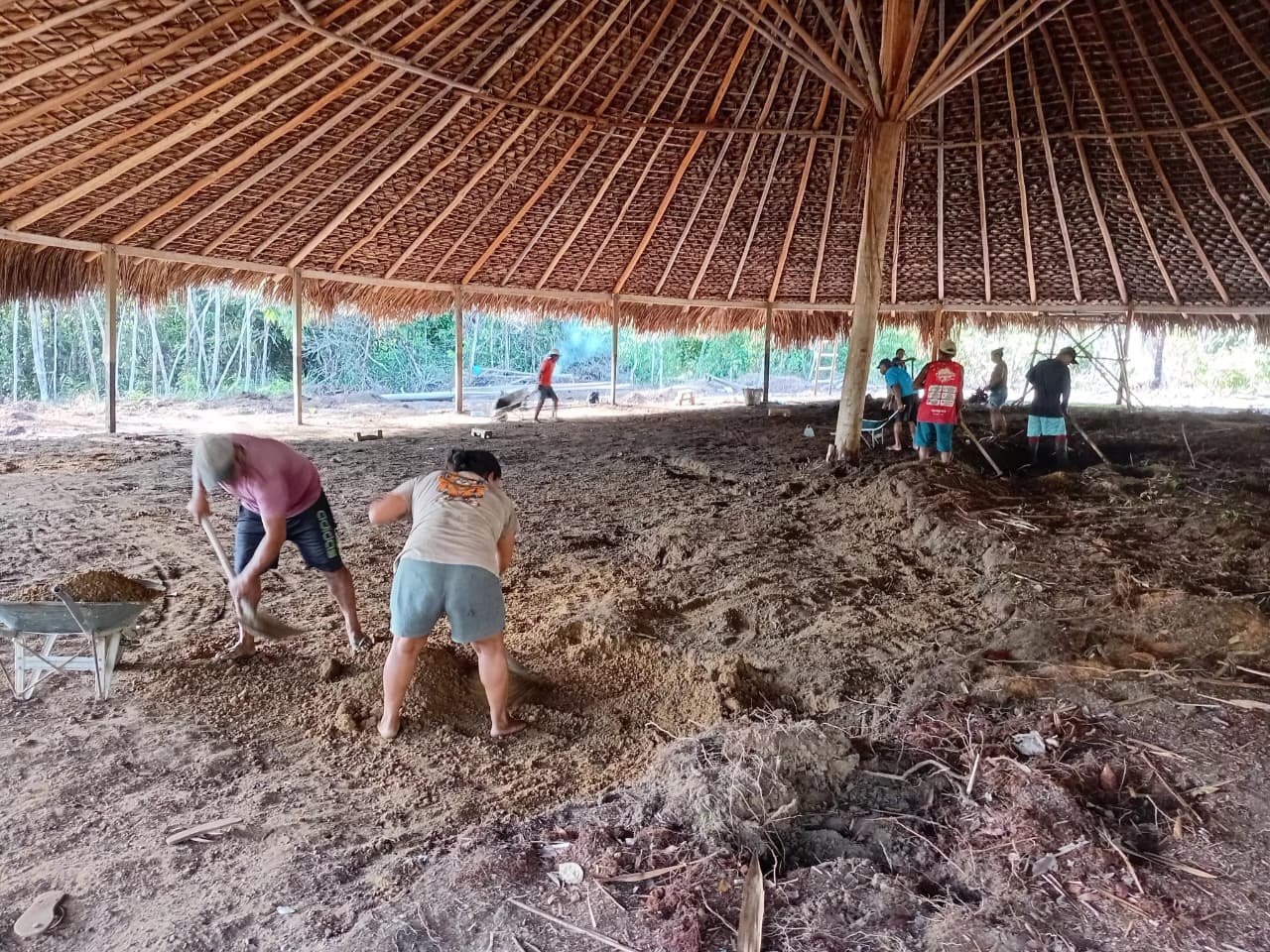
Care for the floors at the Madzerokai Ways of Knowing House.
“We worked while listening to wonderful stories that had taken place years ago in our village. Each elder would tell a different story. After work, we would always sit in a circle to eat our quinhanpira (fish with pepper), our moqueado fish (smoked fish), savoring our traditional food and listening to the stories of Kuwai, the origins of the ethnic groups, and other beautiful stories from our elders of the Living School. Every workday was a day for a different story”, said Francy Baniwa, coordinator of the Baniwa Living School.
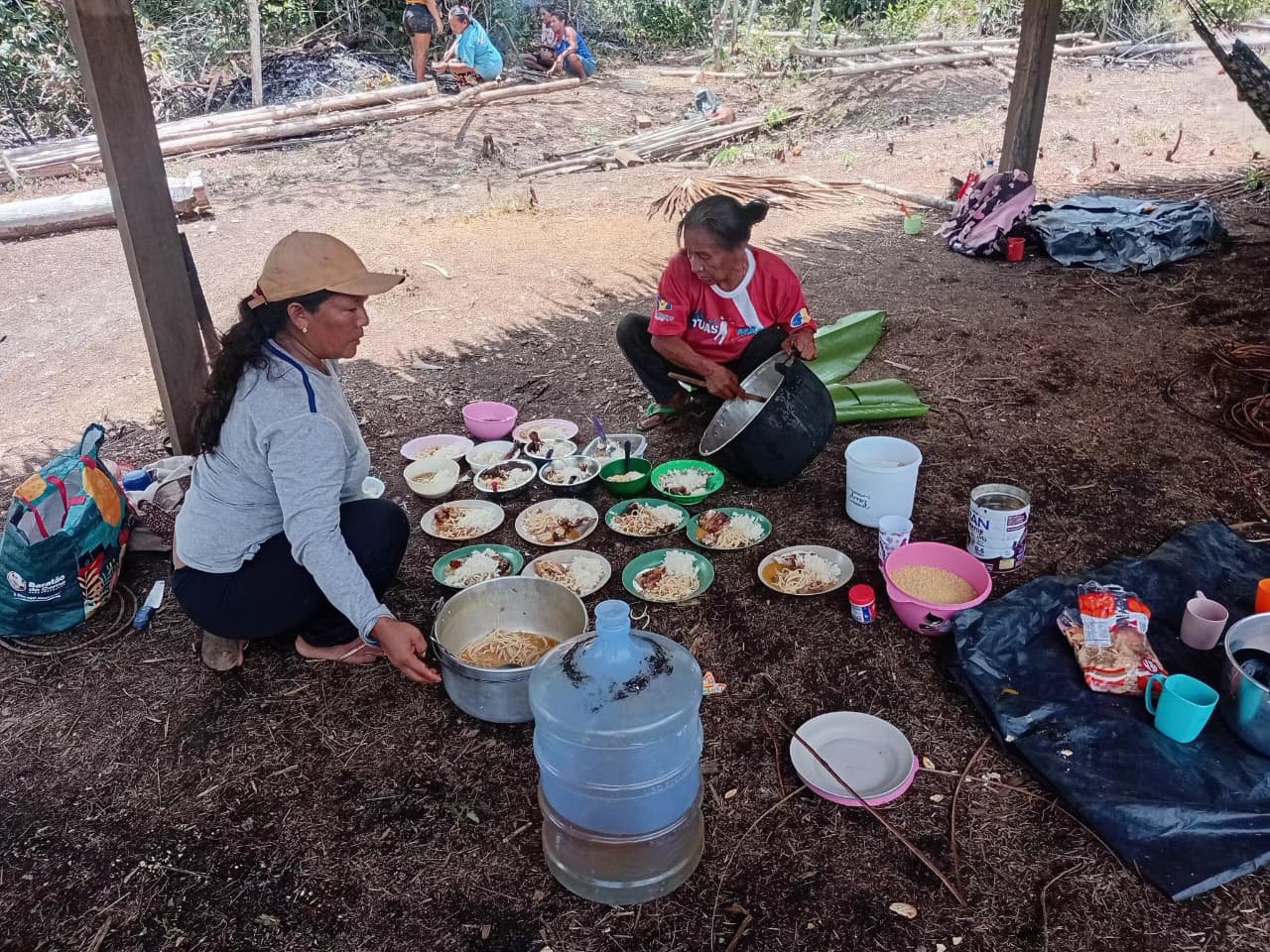
Group launch at the Baniwa Living School.
Between April 25 and 26, the Living School focused on assembling the installation “Umbigo do mundo” (Navel of the world), a work that will be featured in the exhibition “Long Live the Living School” at the Tomie Ohtake Institute. First, the materials were prepared, followed by the initial formation of the structure of the belly and the womb, which was later covered with tucum and connected by the umbilical cord to the center of the work. After collectively reviewing the result, the elders approved the installation, dismantled it, and placed the pieces in boxes to continue their journey.
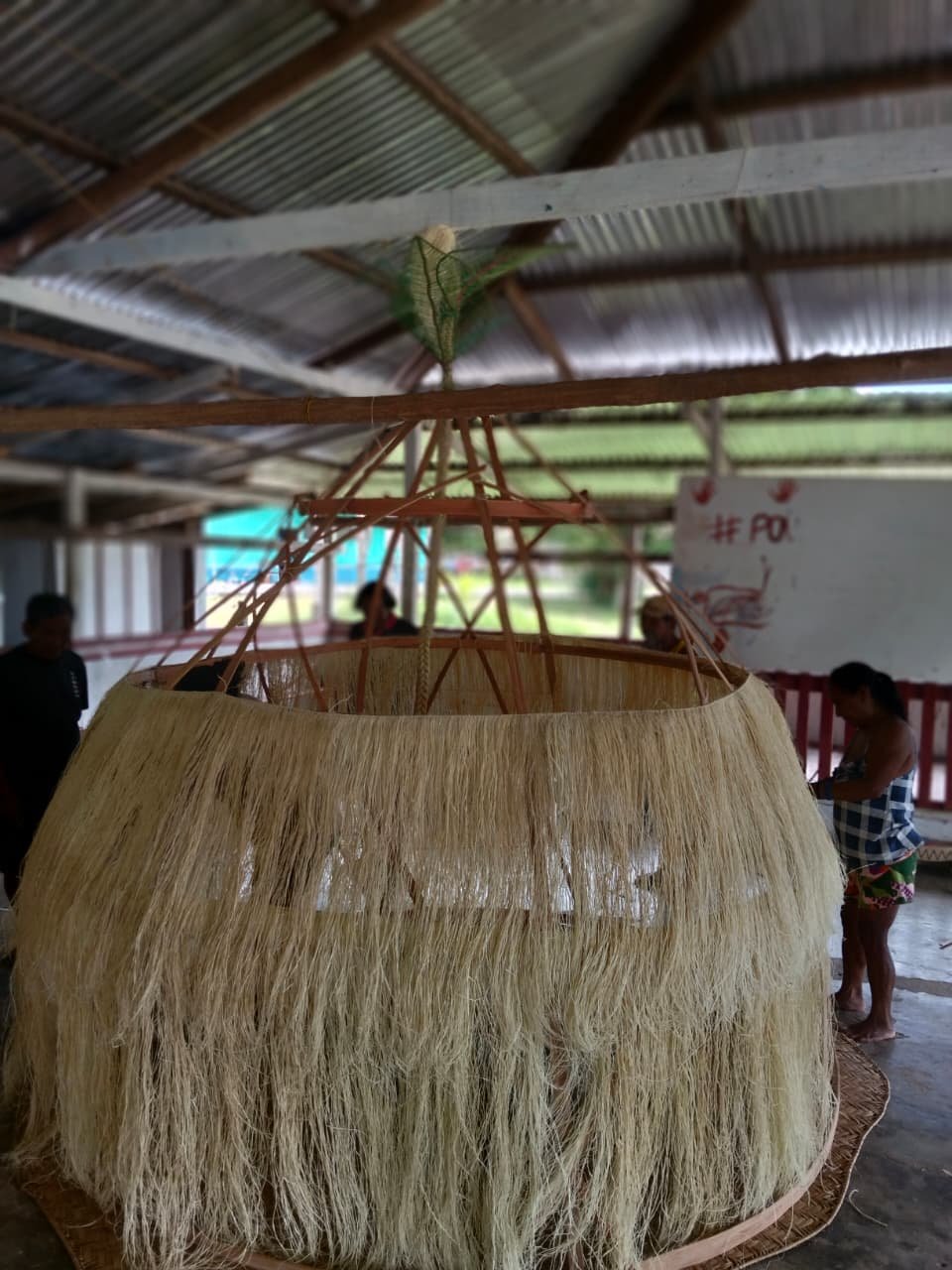
The “Navel of the world” installation in construction.
Photos: Selvagem / Living Schools collection