





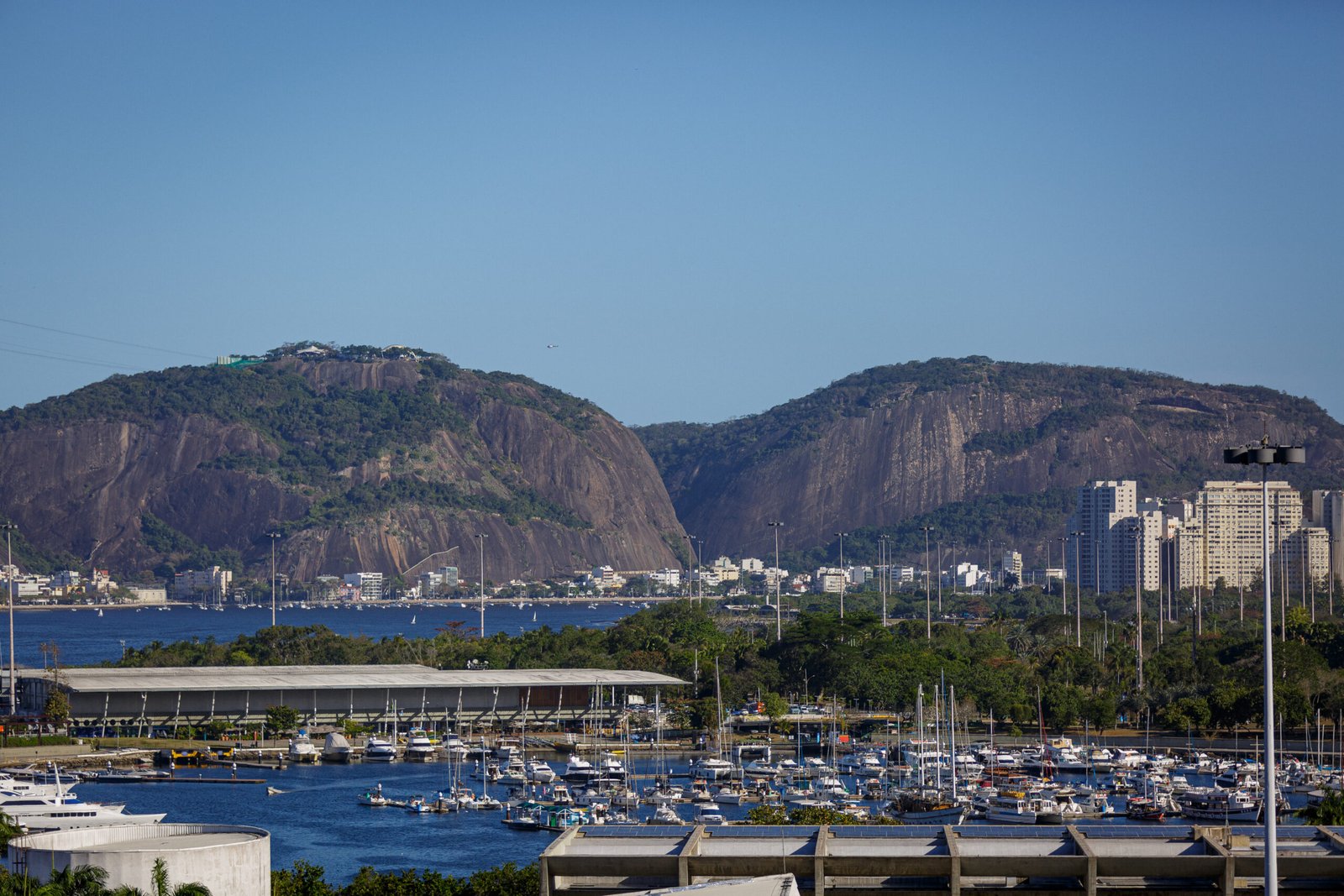
All this dashing, seemingly cataclysmic topography of rugged mountains, scattered boulders, gigantic cliffs, deep valleys, plains and swamps results from an initial tectonism that took place billions of years ago, in the cradle of the Earth’s creation, and which at once gave rise to the metamorphisms and structures that made possible the formation of the unparalleled cliffs that so greatly adorn and praise one of the most renowned natural spectacles.
Alberto Lamego in O Homem e a Guanabara [The Human and the Guanabara] (1948)
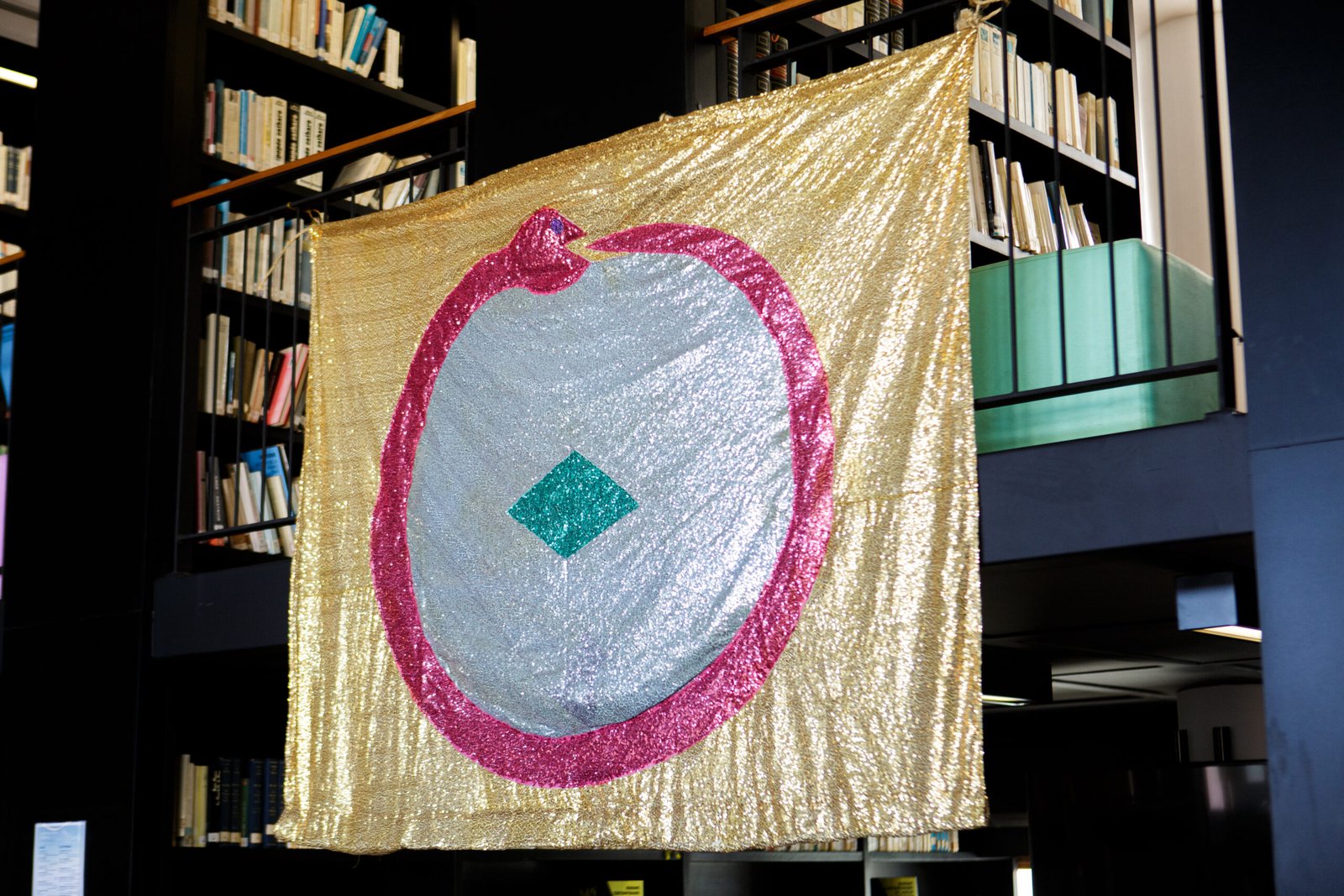
Before Amerigo Vespucci glimpsed paradise, before it became a land coveted by the French and Portuguese in the 16th century, or even the site of the “straw civilization” of the Tupinambá peoples, Rio de Janeiro was the epicentre of a geomythological event that gave rise to life on Earth. According to the Tukano, Dessano, and other peoples of the Rio Negro, in the Amazon, Guanabara Bay is the “Milk Lake” where the snake canoe landed after its cosmic journey through the Milky Way.
History can be written in chapters, but life is not linear. Cyanobacteria, creators of the photosynthetic formula of life, rare seahorses, grey river dolphins, broad-snouted caimans, canoes, memories, origin myths, all coexists with sailboats, motorboats, ocean liners, drug trafficking, industrial waste, toxic mud, cemeteries, oil spills, sewage, and much more. Guanabara Bay is an icon of the complexity produced in the Anthropocene.
A tectonic valley formed in the Cenozoic, Guanabara Bay lies between two blocks of geological fault: Serra dos Órgãos and several smaller coastal massifs. It is a repository of life, having been a nursery for whales, transformed into the centre of whaling business, became the main port for precious metals, and to this day is the port through which ten million tons of products circulate.
MOTHERWATER GATHERING – October 25, 2025
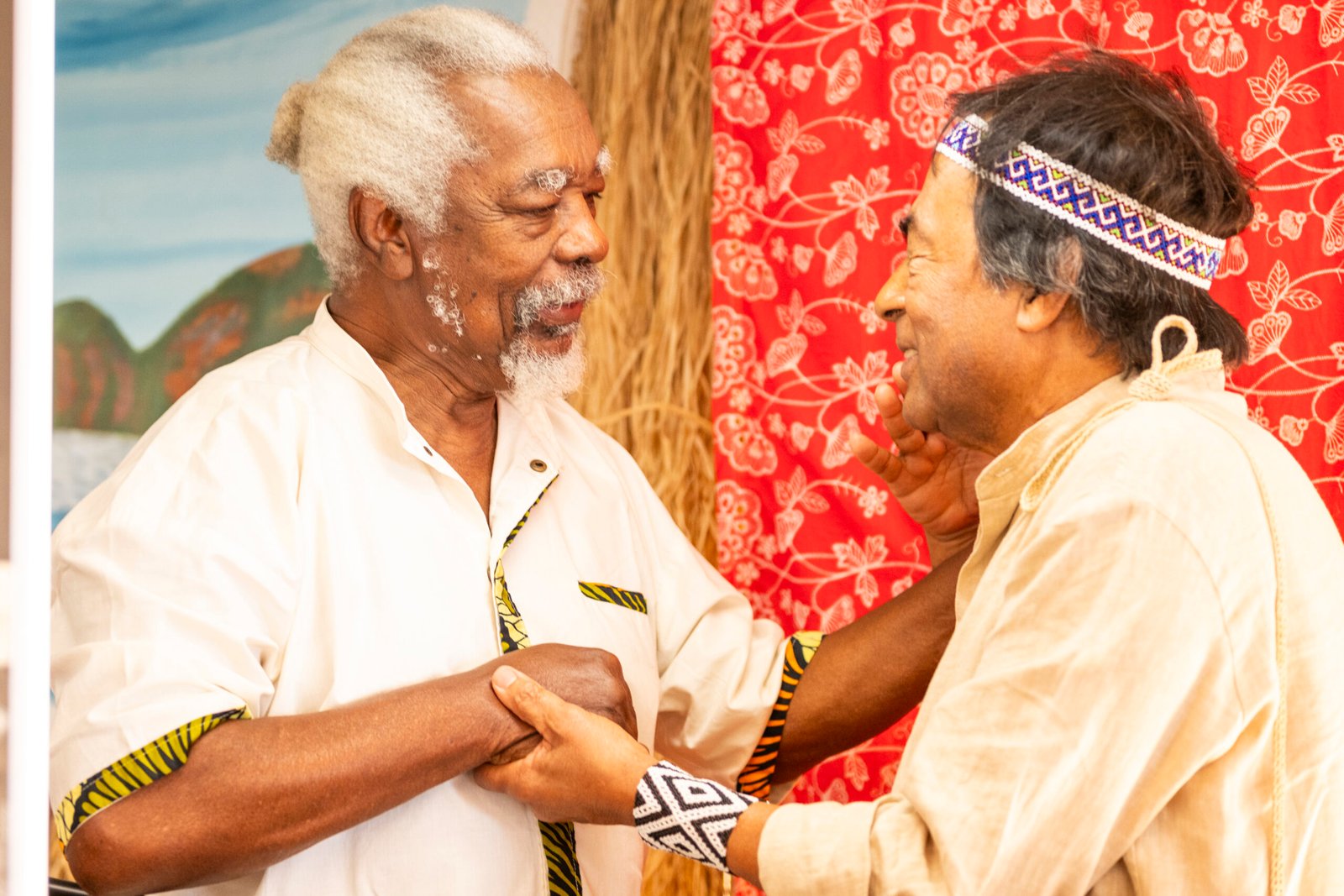
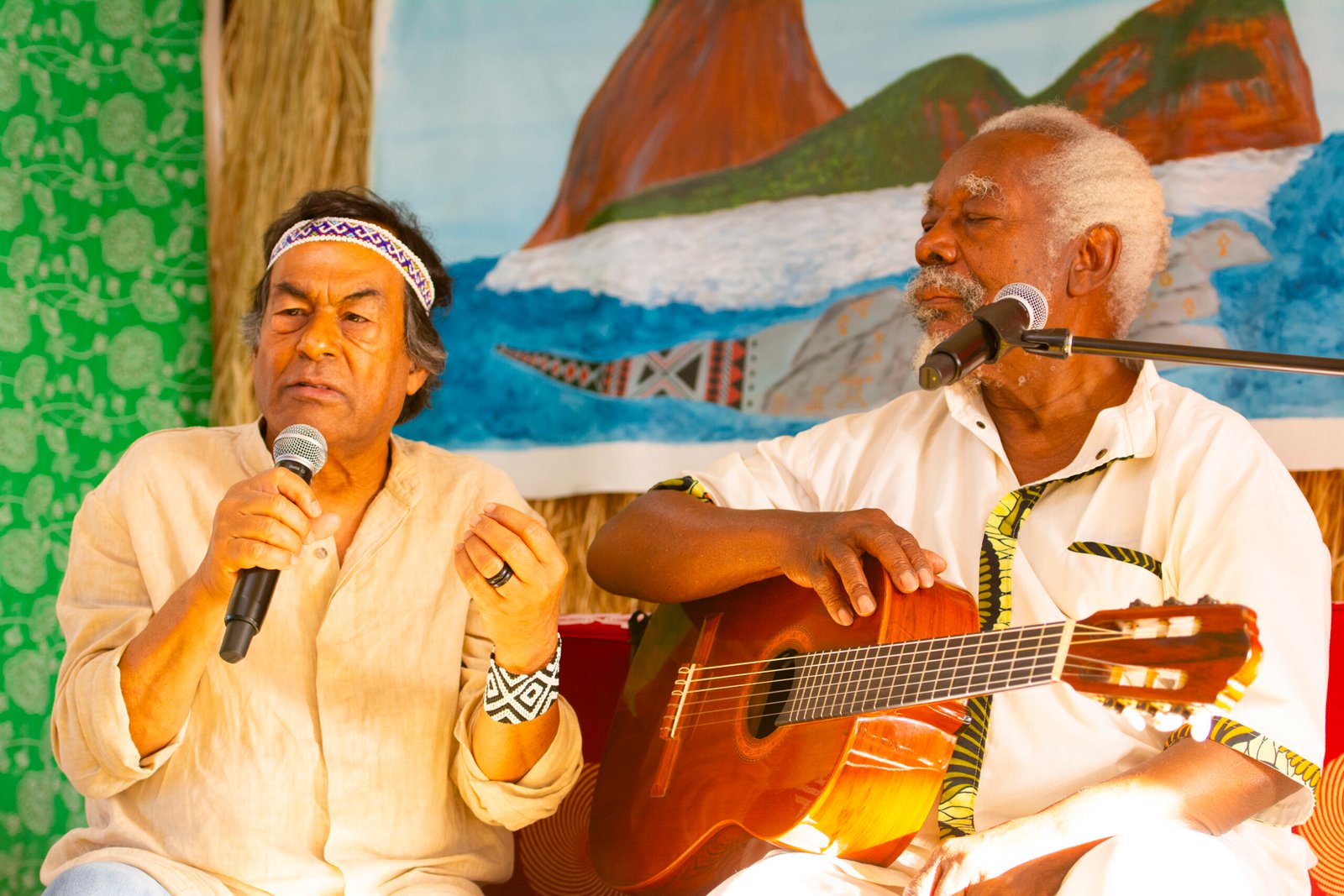
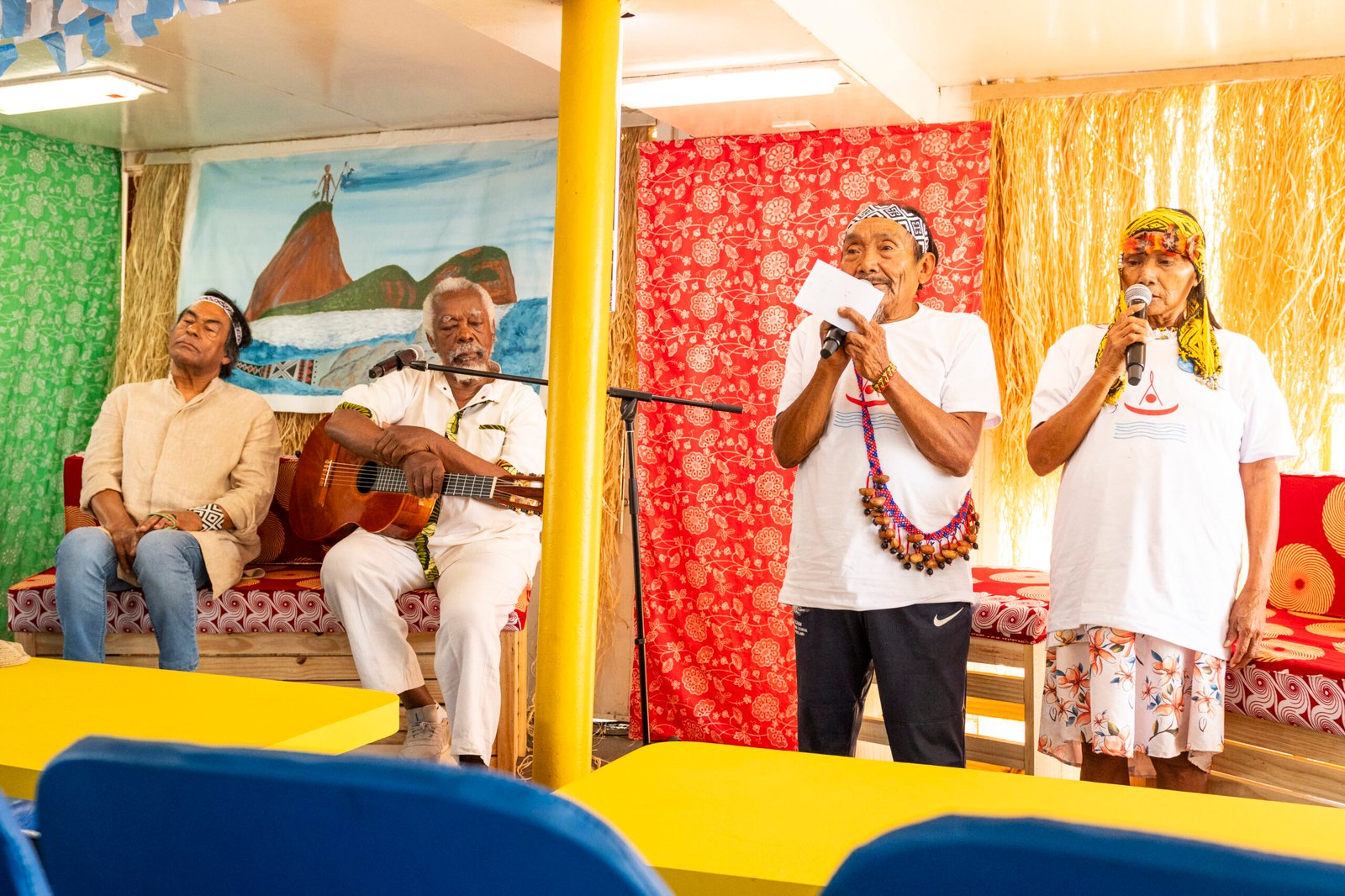
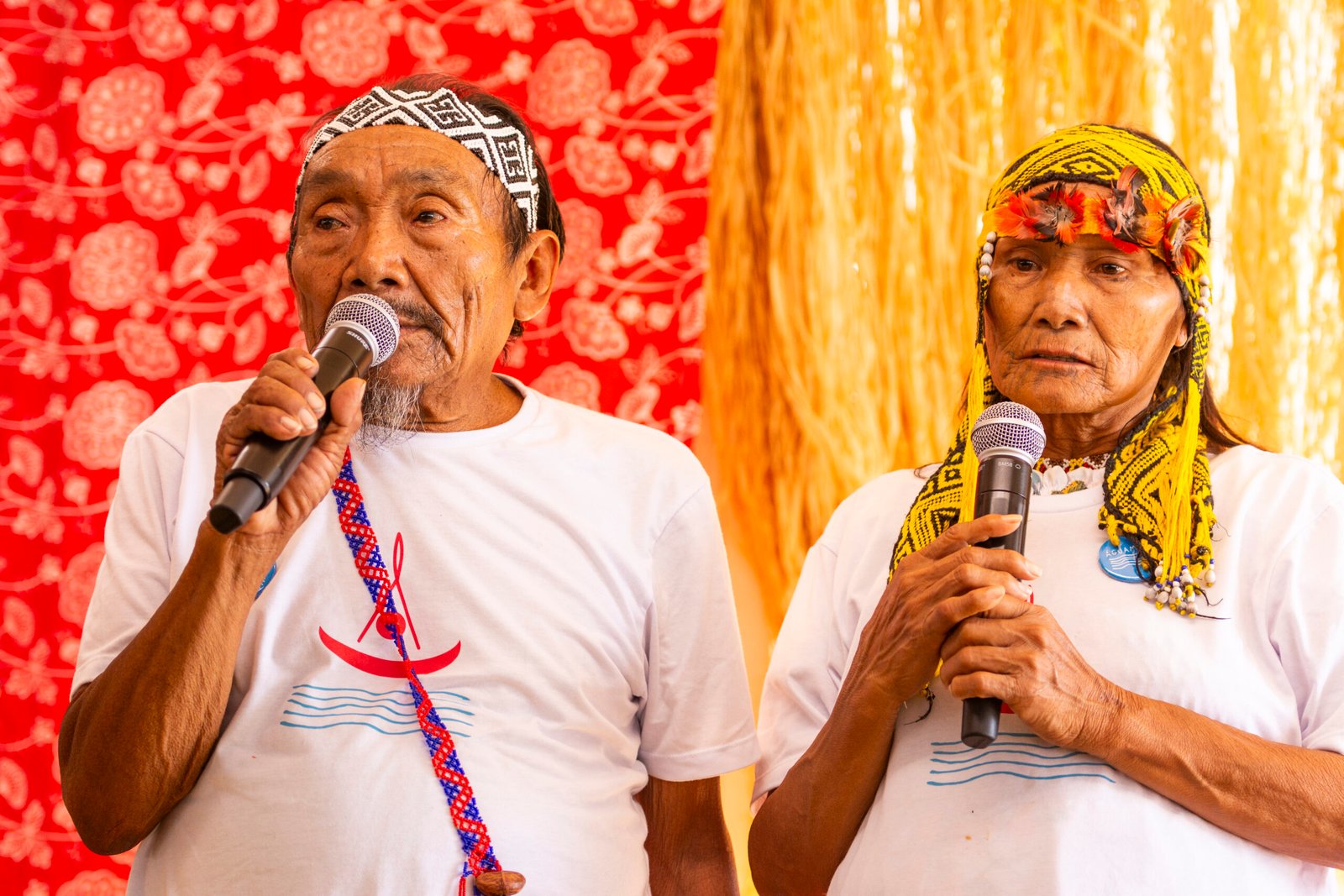
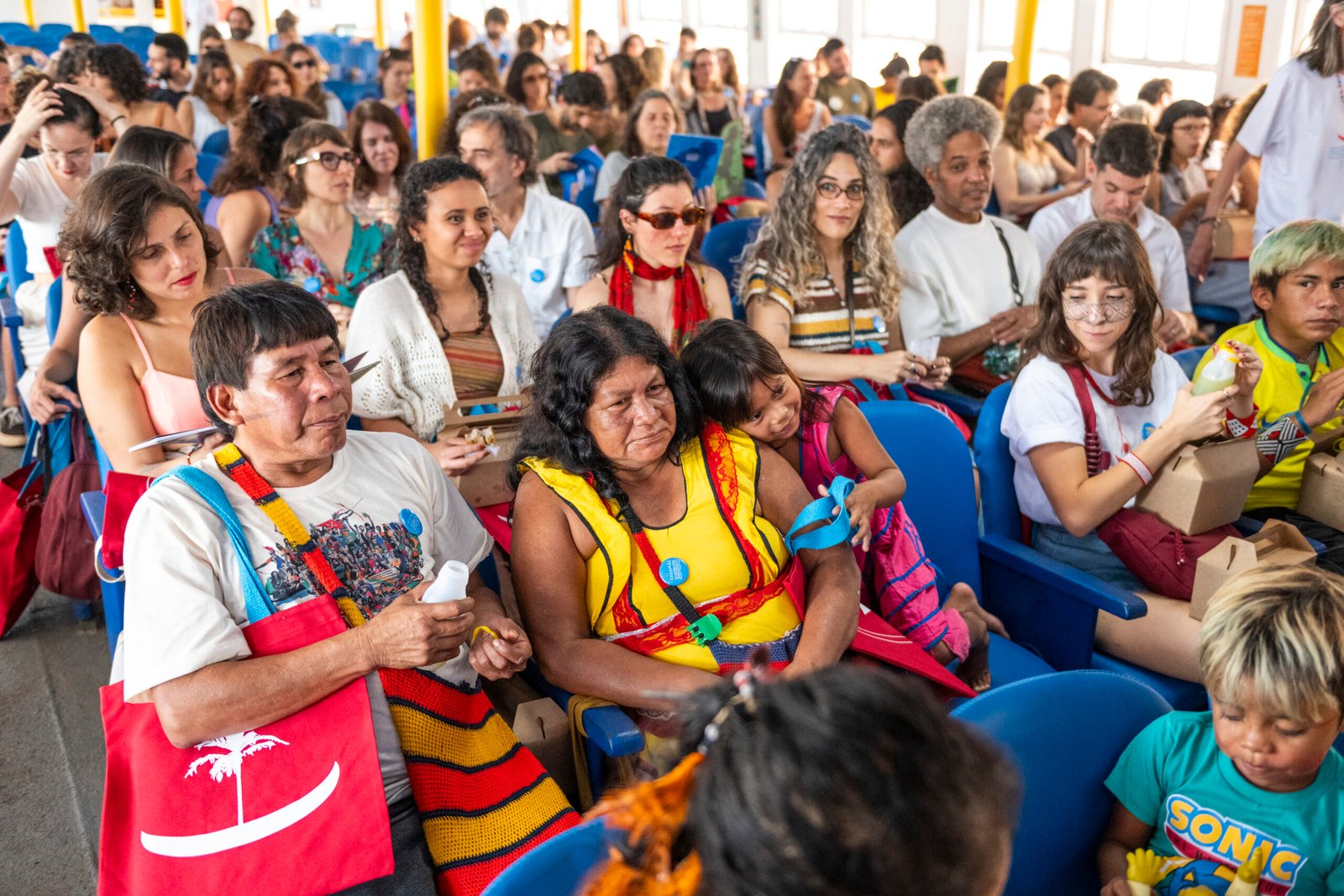
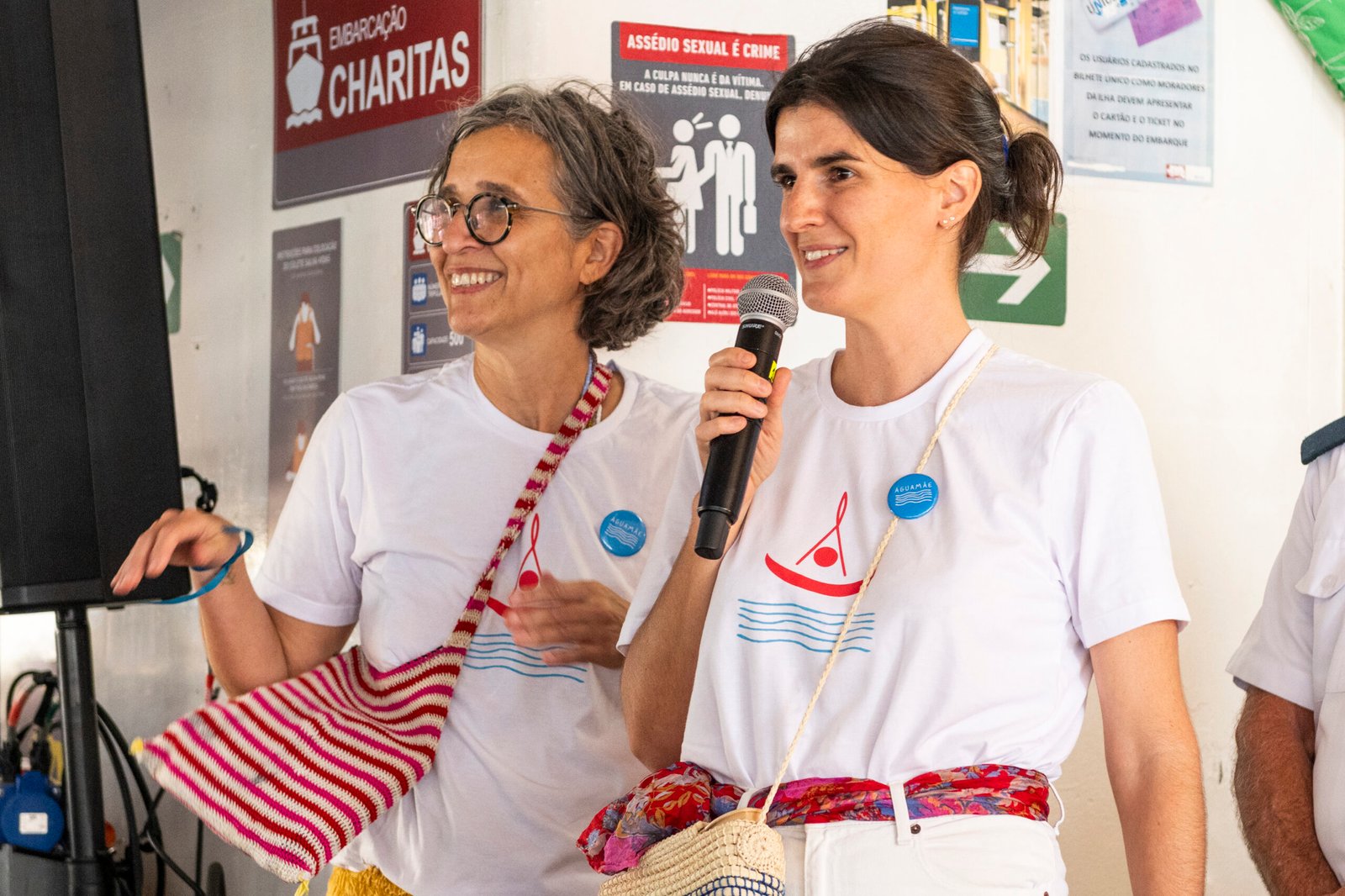
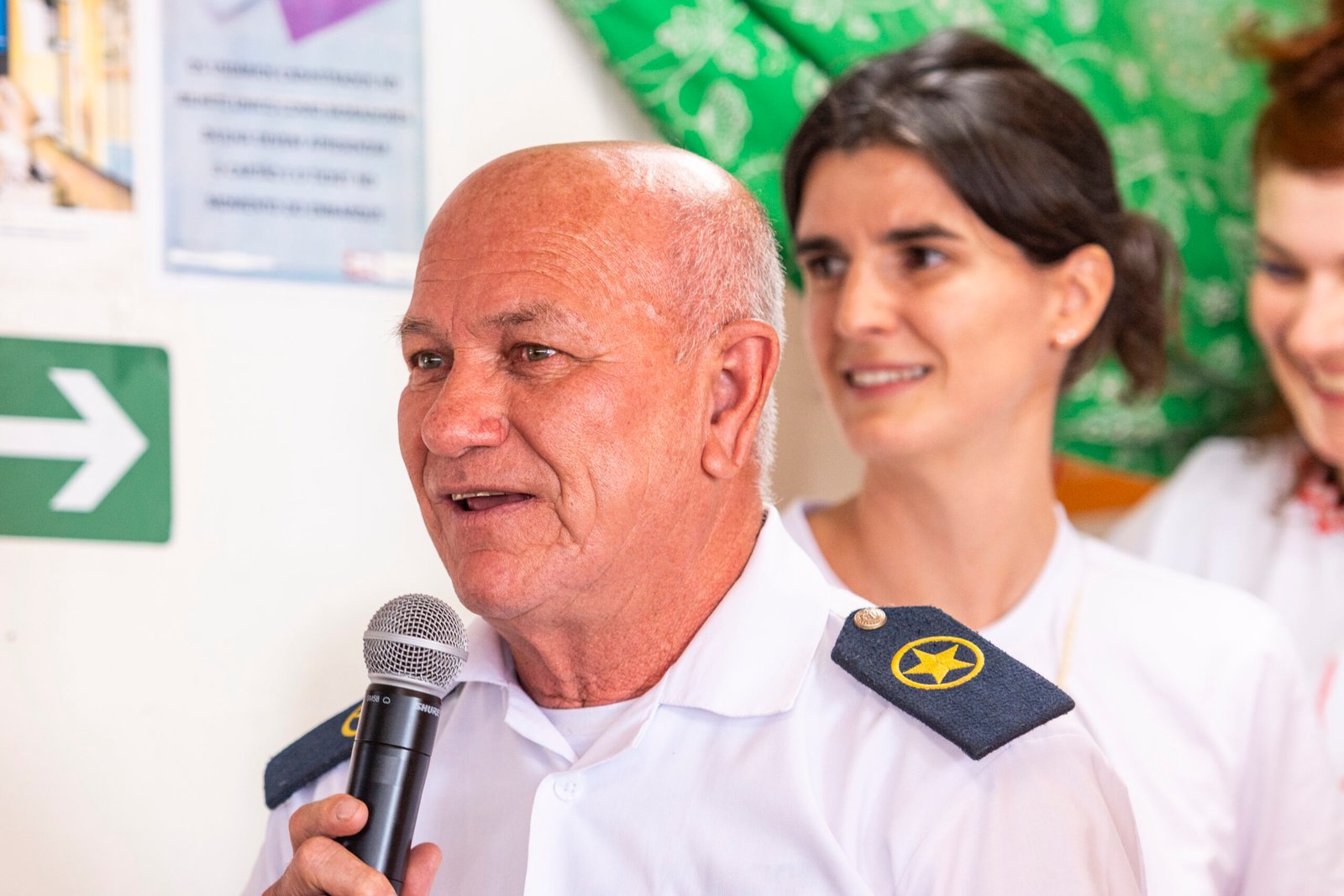
On the afternoon of October 25, Selvagem held the gathering MOTHERWATER, a crossing of Guanabara Bay that brought together around 200 people during four hours of navigation between Rio de Janeiro, Niterói, and Paquetá. Aboard the Charitas ferry, thinkers, artists, and Indigenous leaders shared songs, memories, and reflections on water as a living element in crisis.
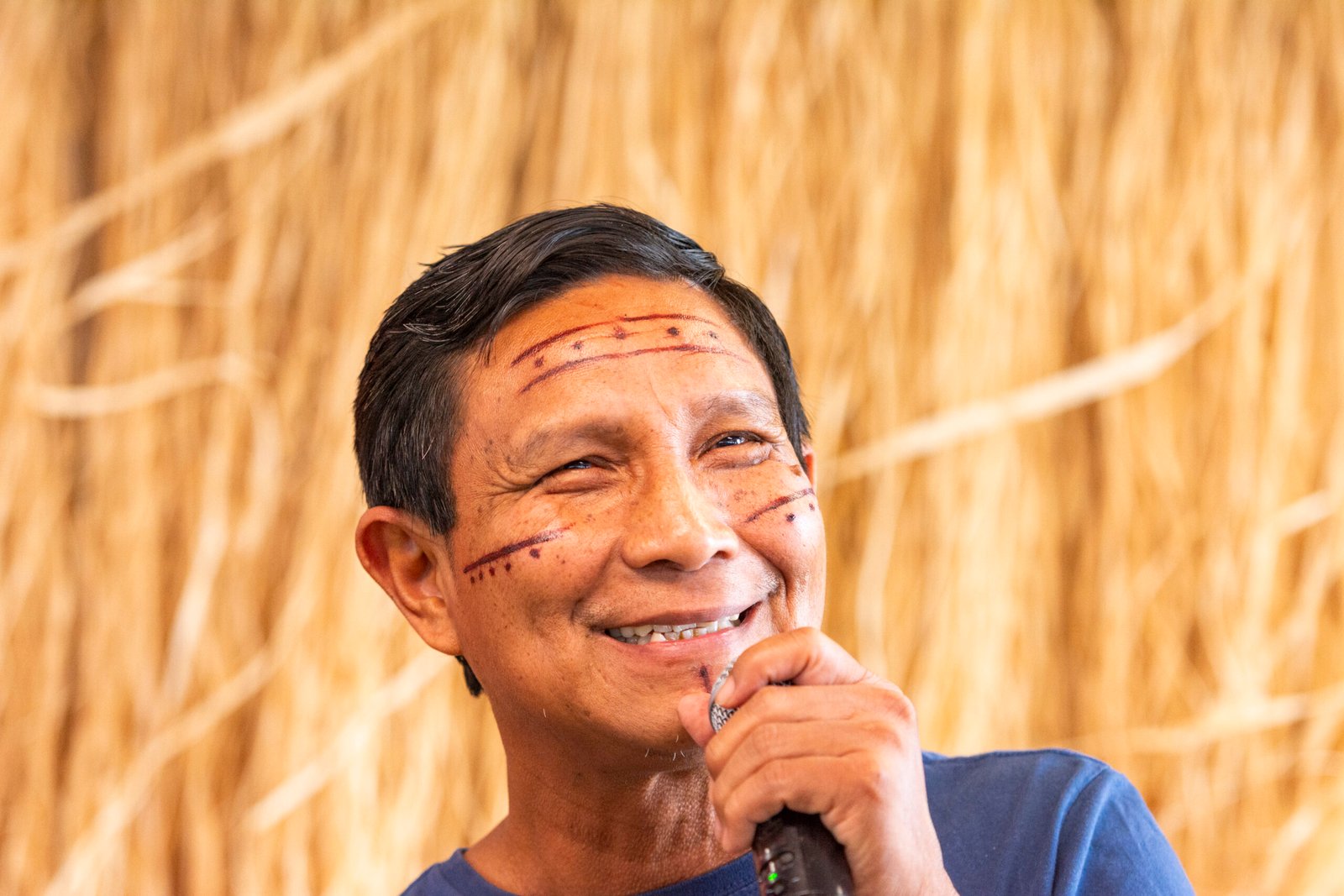
In a great greeting to the peoples and a celebration of diverse narratives, MOTHERWATER included the presence of artists, coordinators, and participants from the five Living Schools movement: Guarani, Maxakali, Huni Kuin, Baniwa, and Tukano-Dessano-Tuyuka. In the cosmology of the peoples of the Upper Rio Negro, as João Paulo Tukanoexplained, Guanabara Bay is a sacred place that appears in their origin narratives of humanity, identified as the “Milk Lake”: “Milk in the sense of potency, that which sustains and generates life,” João Paulo said. Lago de Leite: “Leite no sentido de potência, que sustenta e gera a vida”, contou João Paulo.
Ailton Krenak, Indigenous leader and co-founder of Selvagem, was joined by the musician and thinker Mateus Aleluia, bringing their visions together during the journey, which in Ailton’s words becomes a “gesture that claims the historical memory of this territory". Mateus Aleluia brought the enchantment of the waters through his songs during the crossing, while also questioning colonial narratives and reclaiming the ancestry of African-origin spiritual traditions: “All culture comes from a cult. Life itself is a cult – a religare. And only in 1978 were Black people allowed to practice their cult without needing to ask for permission".
Engineer and geologist Nuria Fernandezspoke about facoidal gneiss, “the most Carioca of rocks,” which places us, through the stones of Guanabara Bay, in dialogue with the deep layers of this territory’s origins. Carlos Papá, coordinator of the Guarani Living School, shared part of his profound research that connects language, territory, and protection: “Guanabara has another translation in Guarani, Kua-Gua-Mba-Ara, something like ‘embrace every day’.”
Anthropologist Nastassja Martin reflected on the civilizational crisis caused by our rupture with the elements. “Spring water is the vector of a new initiatory birth. But the West transformed it into a ‘resource’. Neither water, nor air, nor earth, nor fire are animated anymore – we no longer listen to them.”
During the journey, the enchantment also unfolded in Indigenous songs from different regions of Brazil, such as those of Huni Kuin pajé Dua Busë and Netë, from the Heart of the Forest Village, the Huni Kuin Living School in the Upper Jordão River region (Acre); and those of artist and pajé Mamei Maxakali alongside Sueli, Isael and Isabelinha Maxakali, from the Forest School Village, the Maxakali Living School, located in the rural area of Teófilo Otoni (Minas Gerais). The japurutu flutes were played by Francisco Fontes Baniwa and Idjahure Kadiwel, representing the Baniwa Living School, located in Assunção do Içana (Amazonas).
Artist Renata Tupinambá, a member of the collective Guanabara Pyranga: Gathering of Cultures of Guanabara, sang her grandmother’s memories in Tupi and recalled in her words the more than 80 Tupinambá villages that once existed in the bay’s territory.
MOTHERWATER also originated the film NOTES FROM THE JOURNEY, a logbook of the trip, with notes and highlights from the speeches that will be part of the same-named cycle of studies, to be released in the first half of 2026.
PHOTO GALLERY

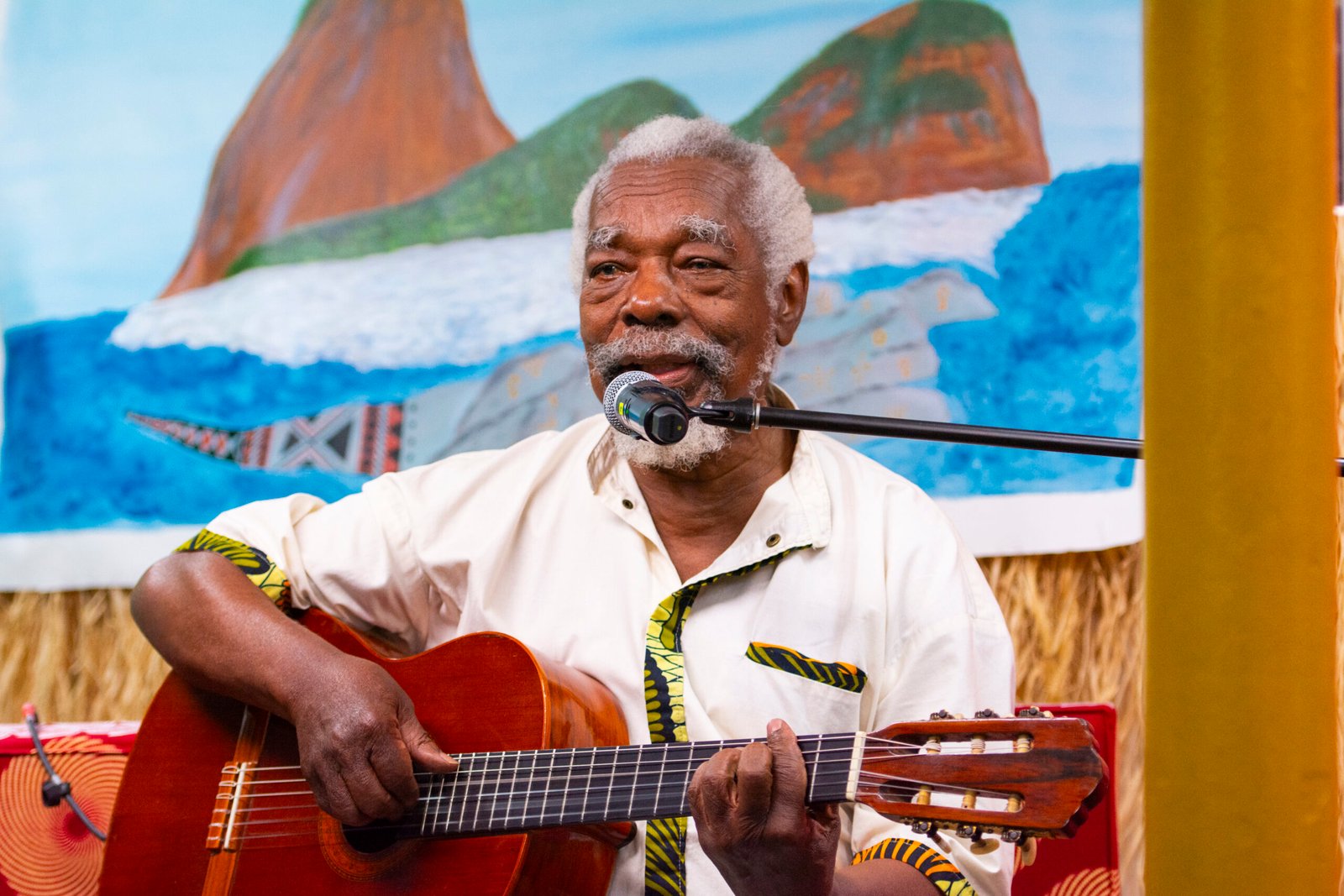
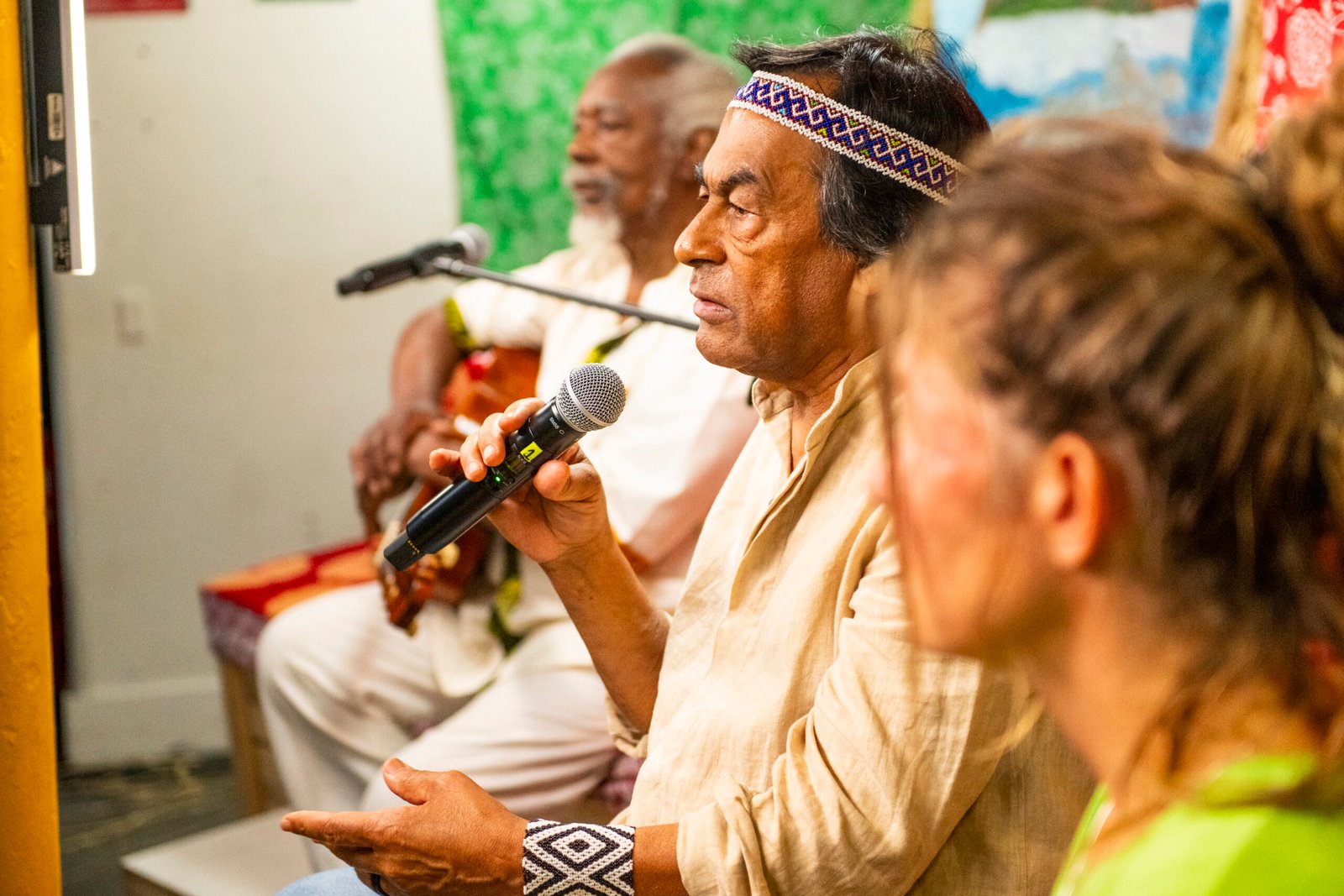
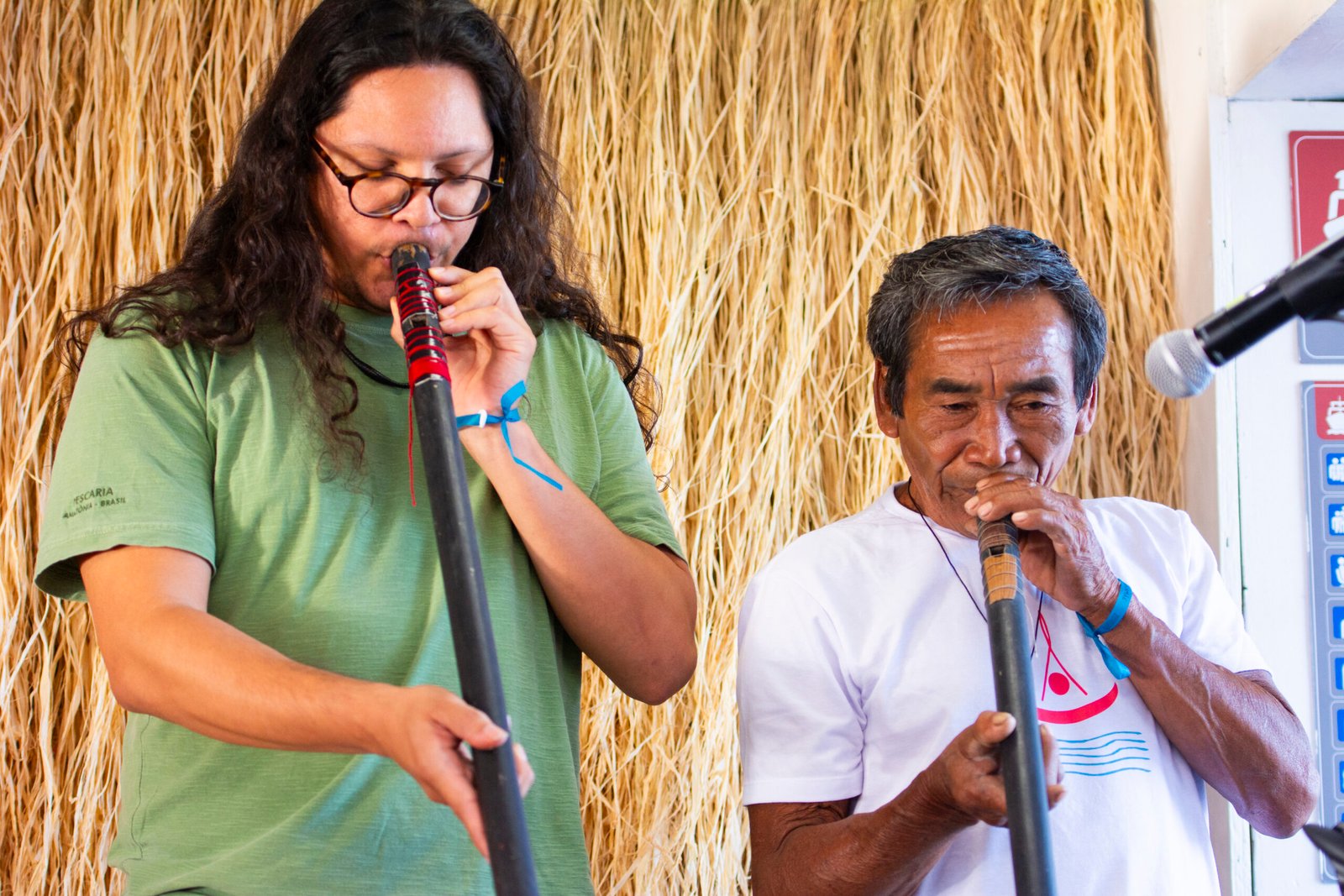
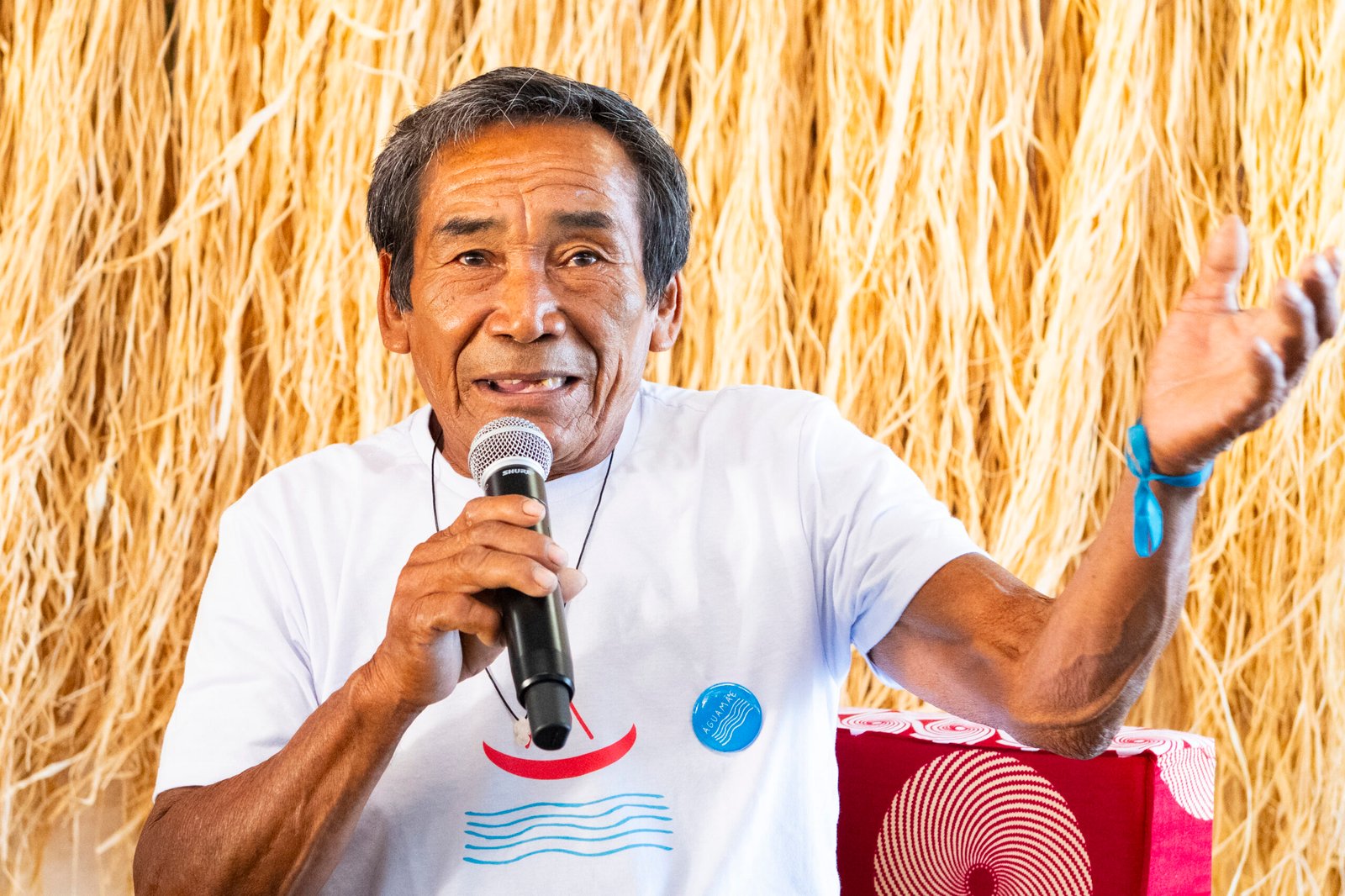

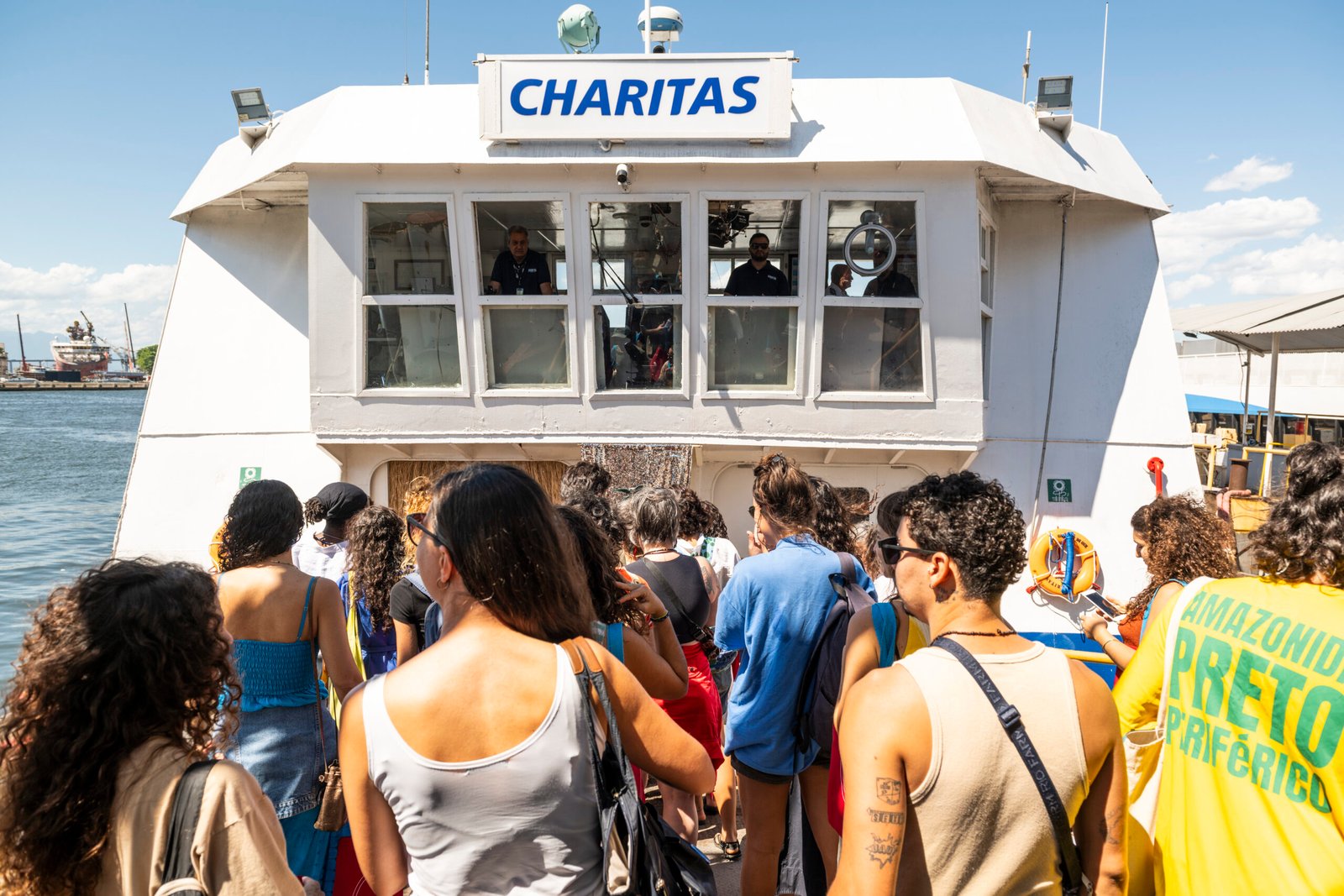
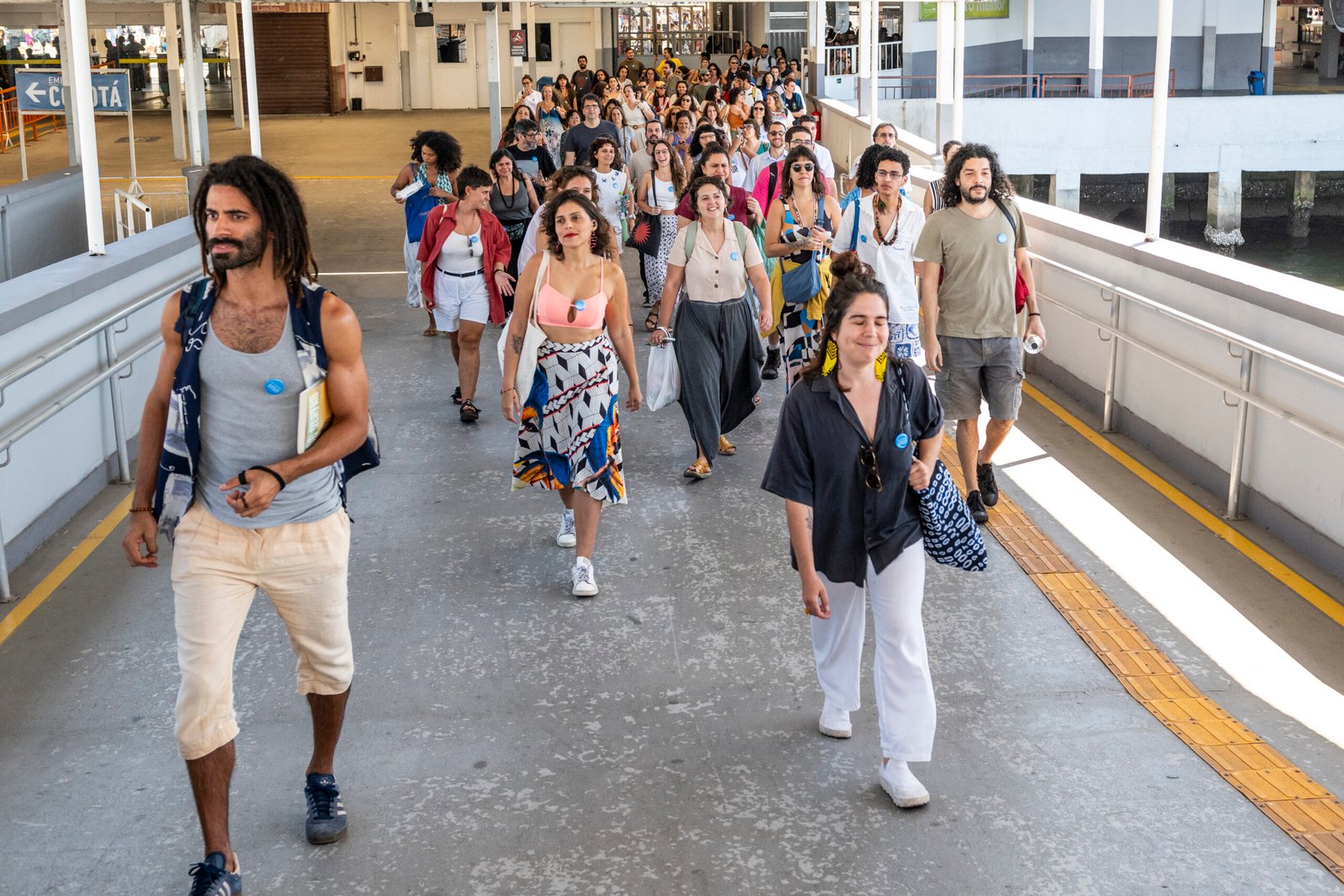
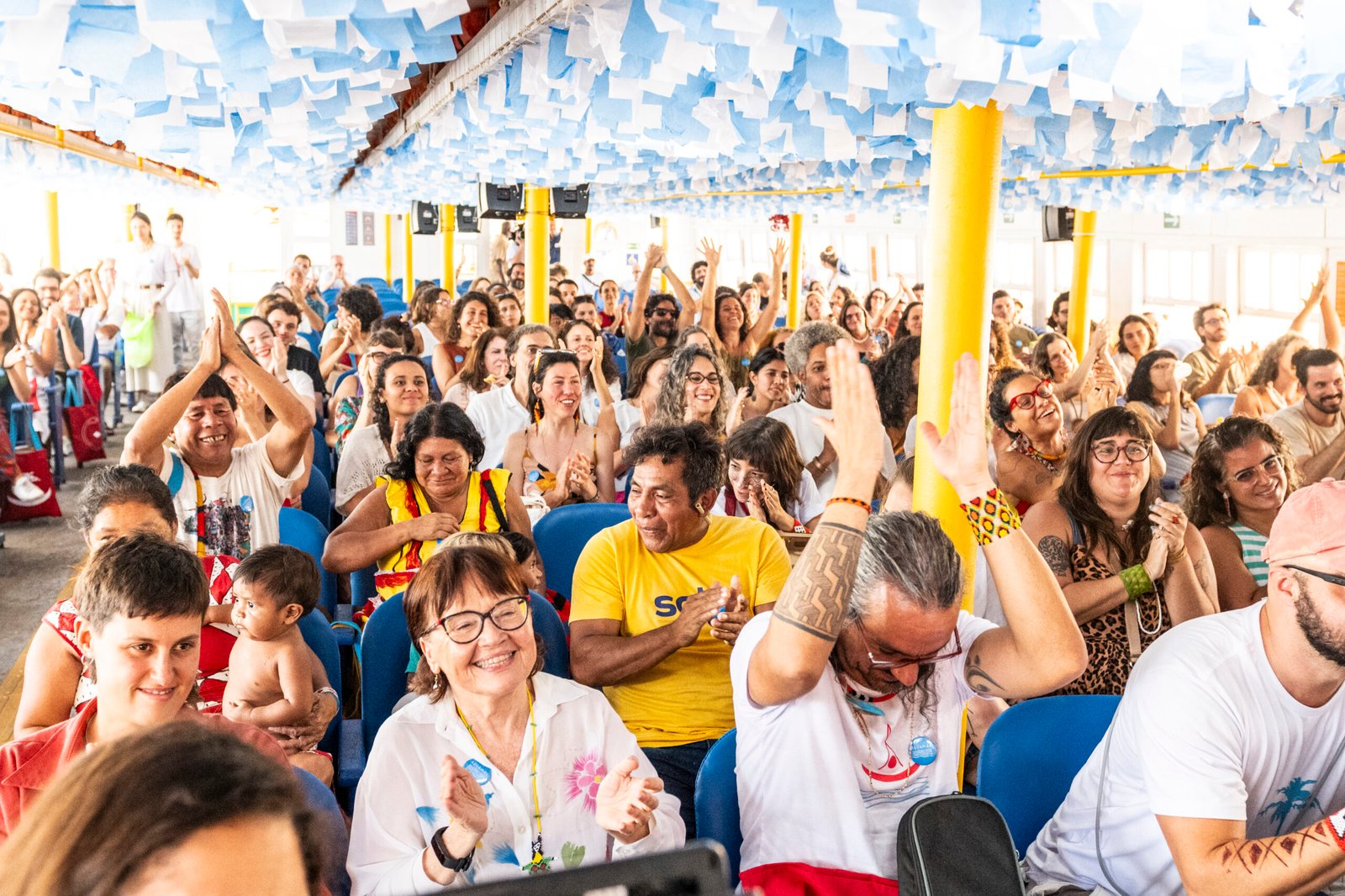

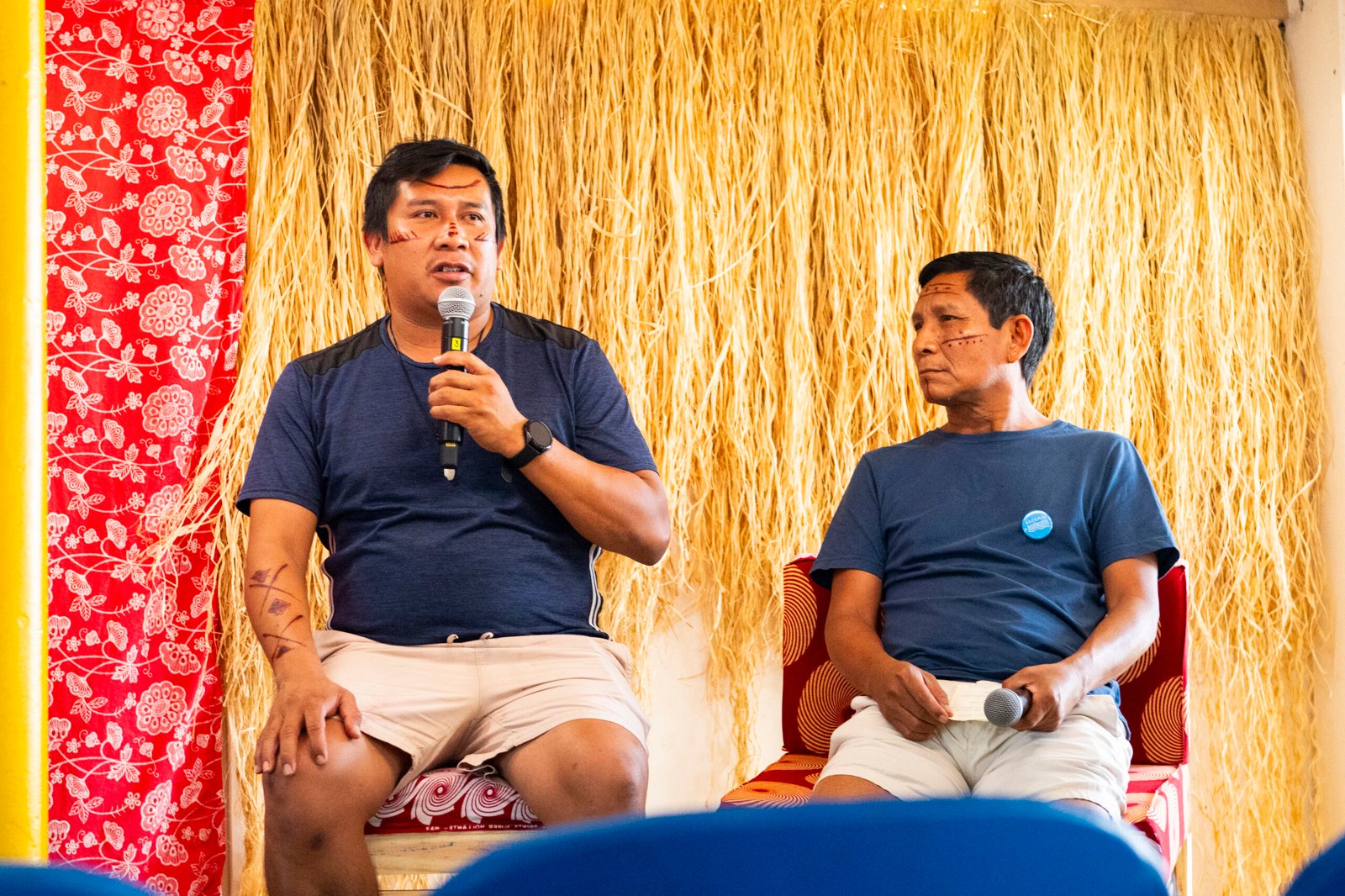
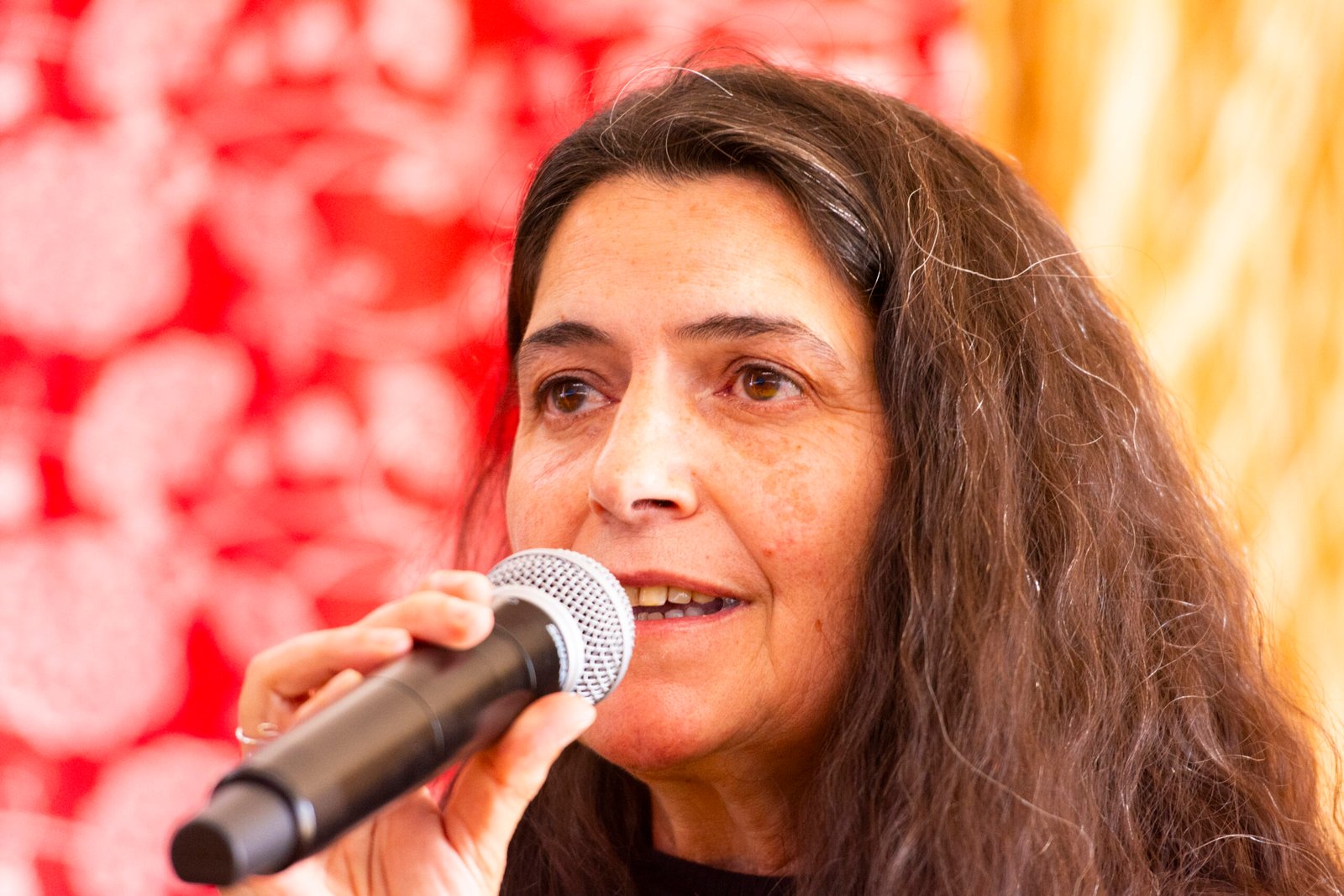
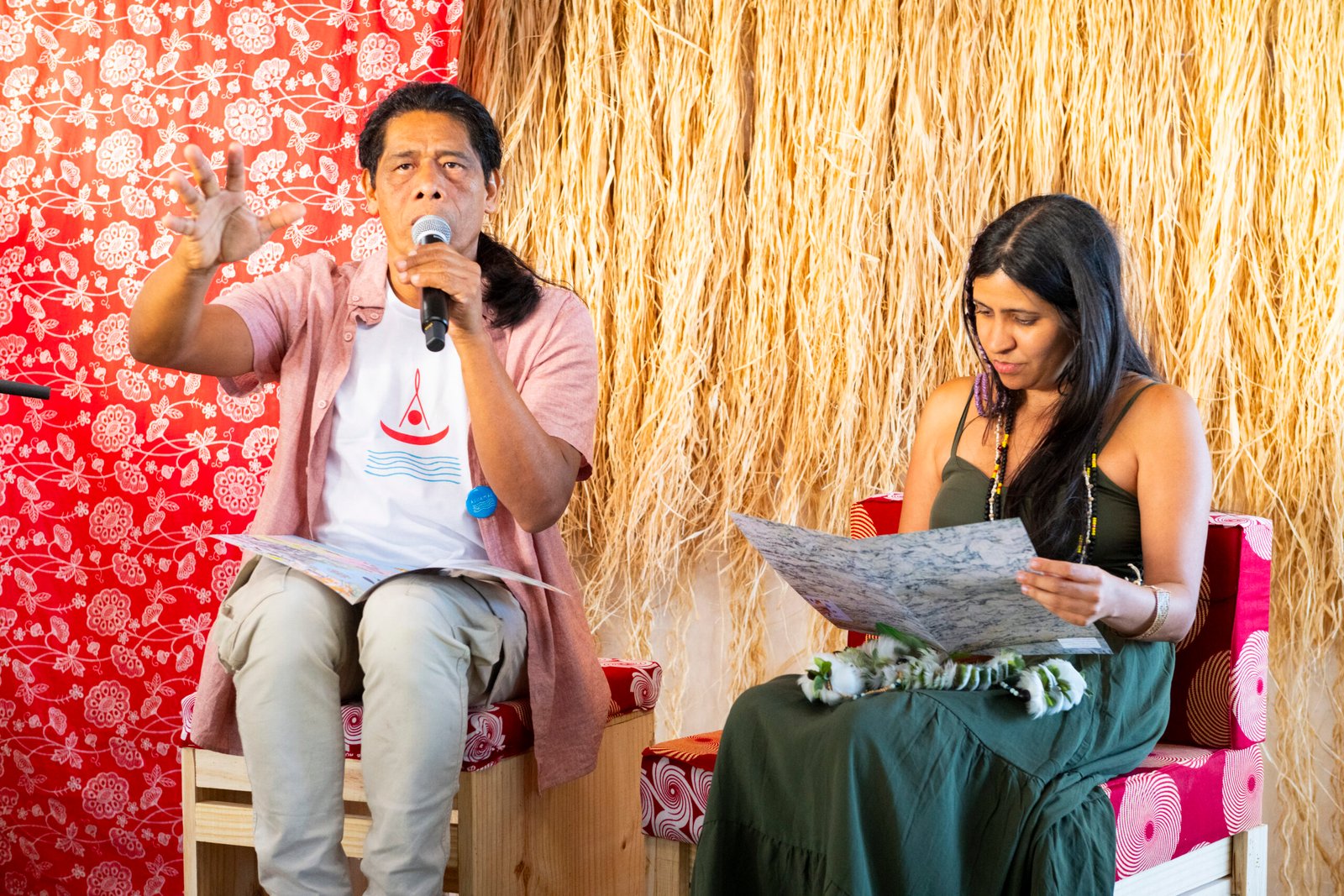
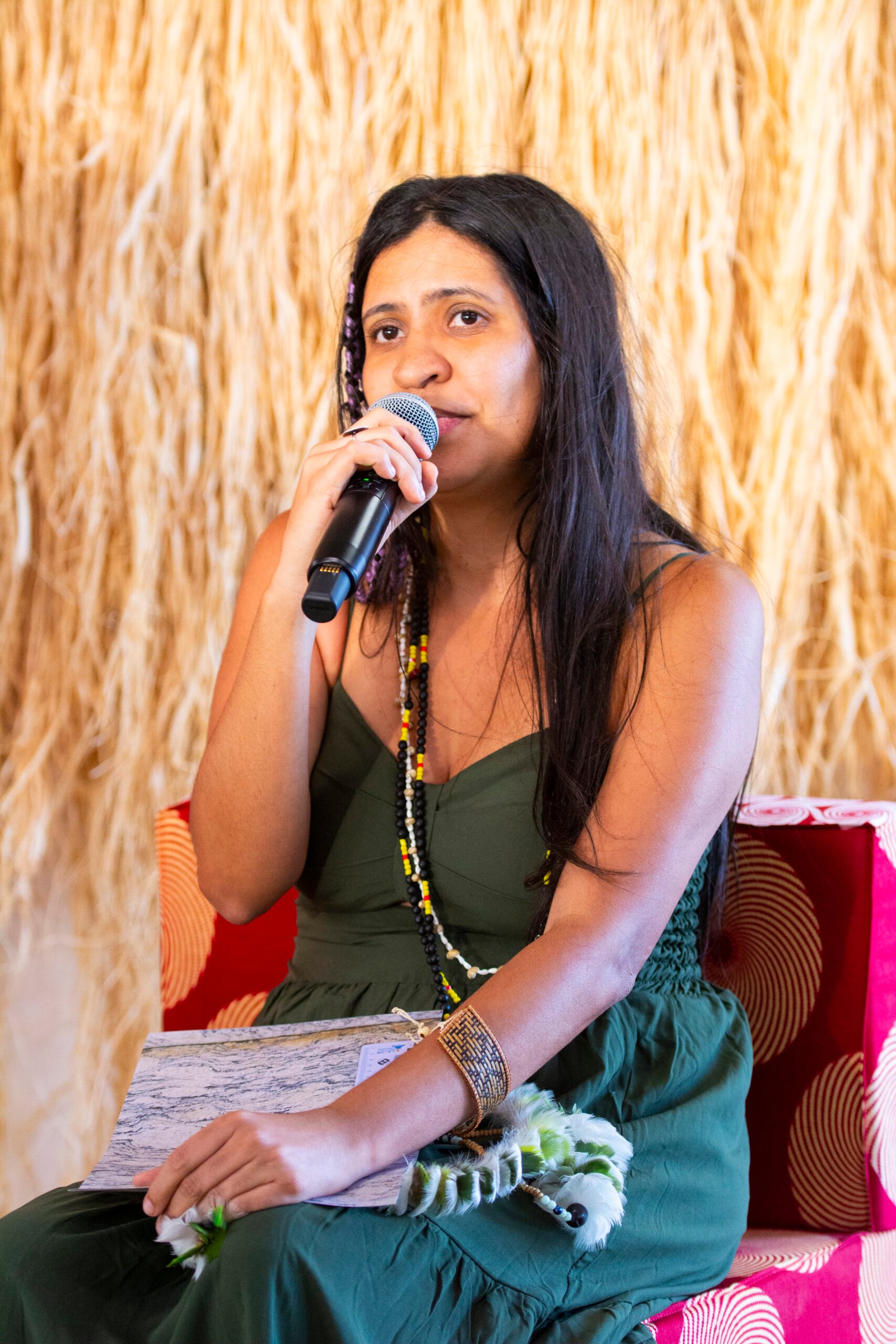
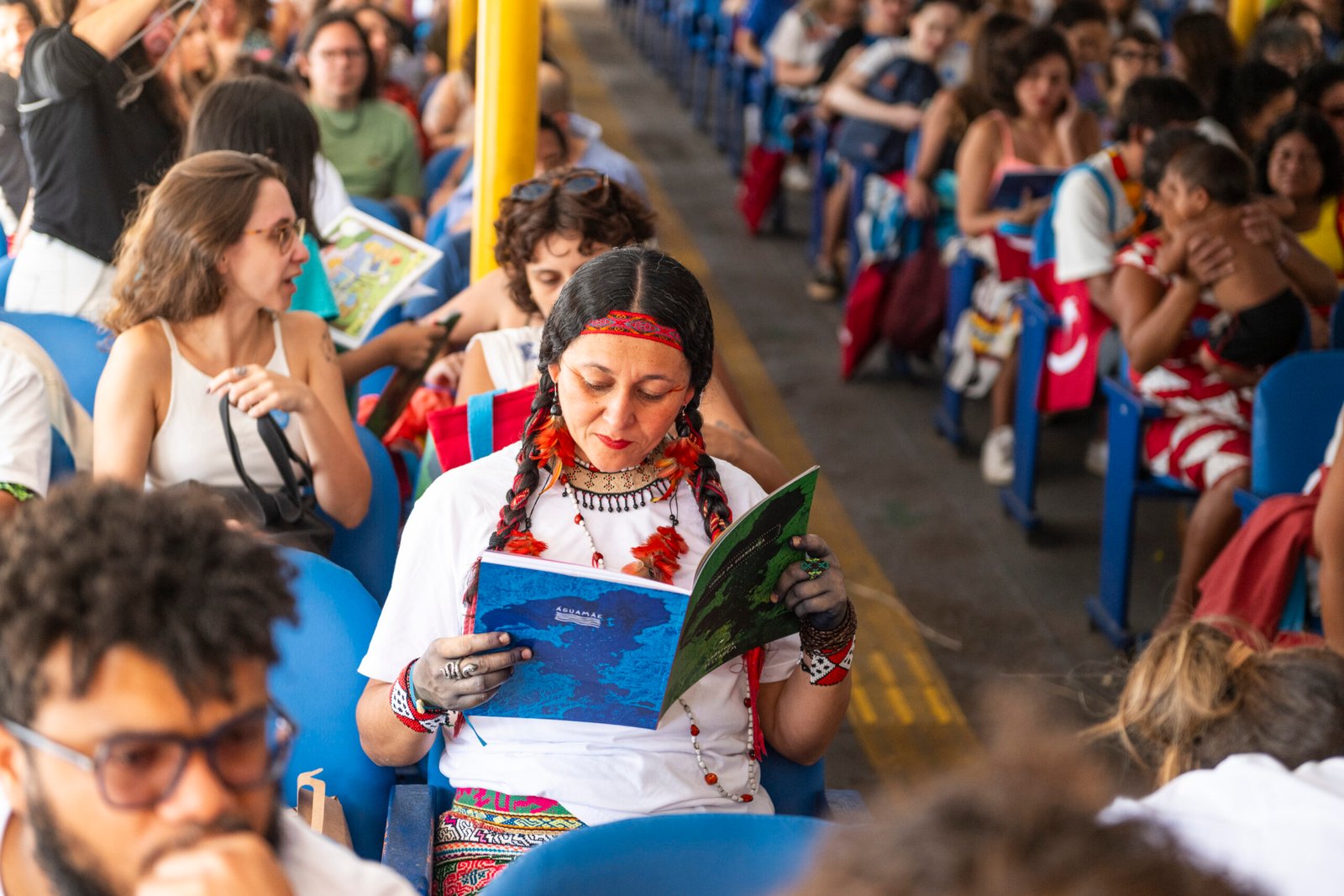
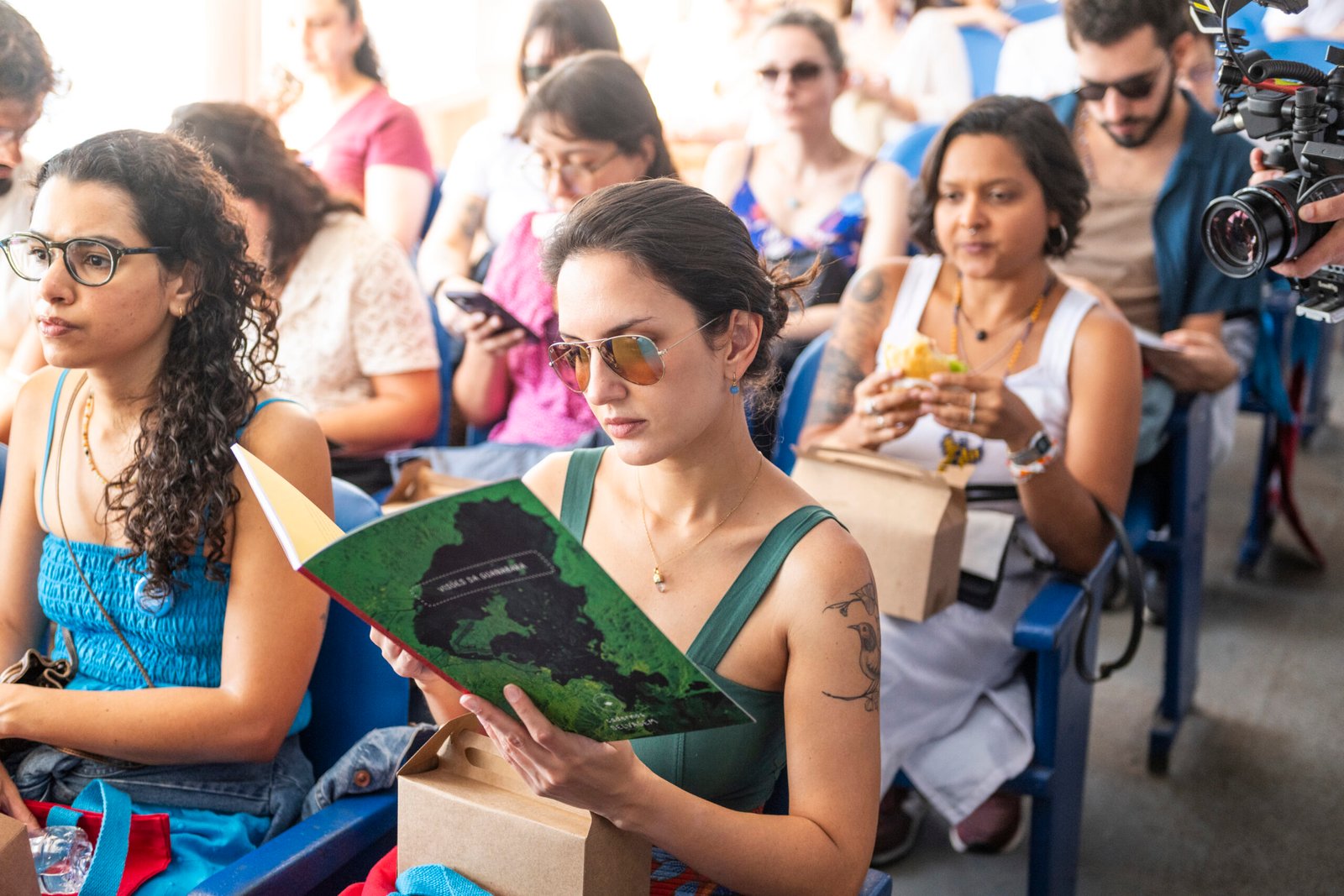
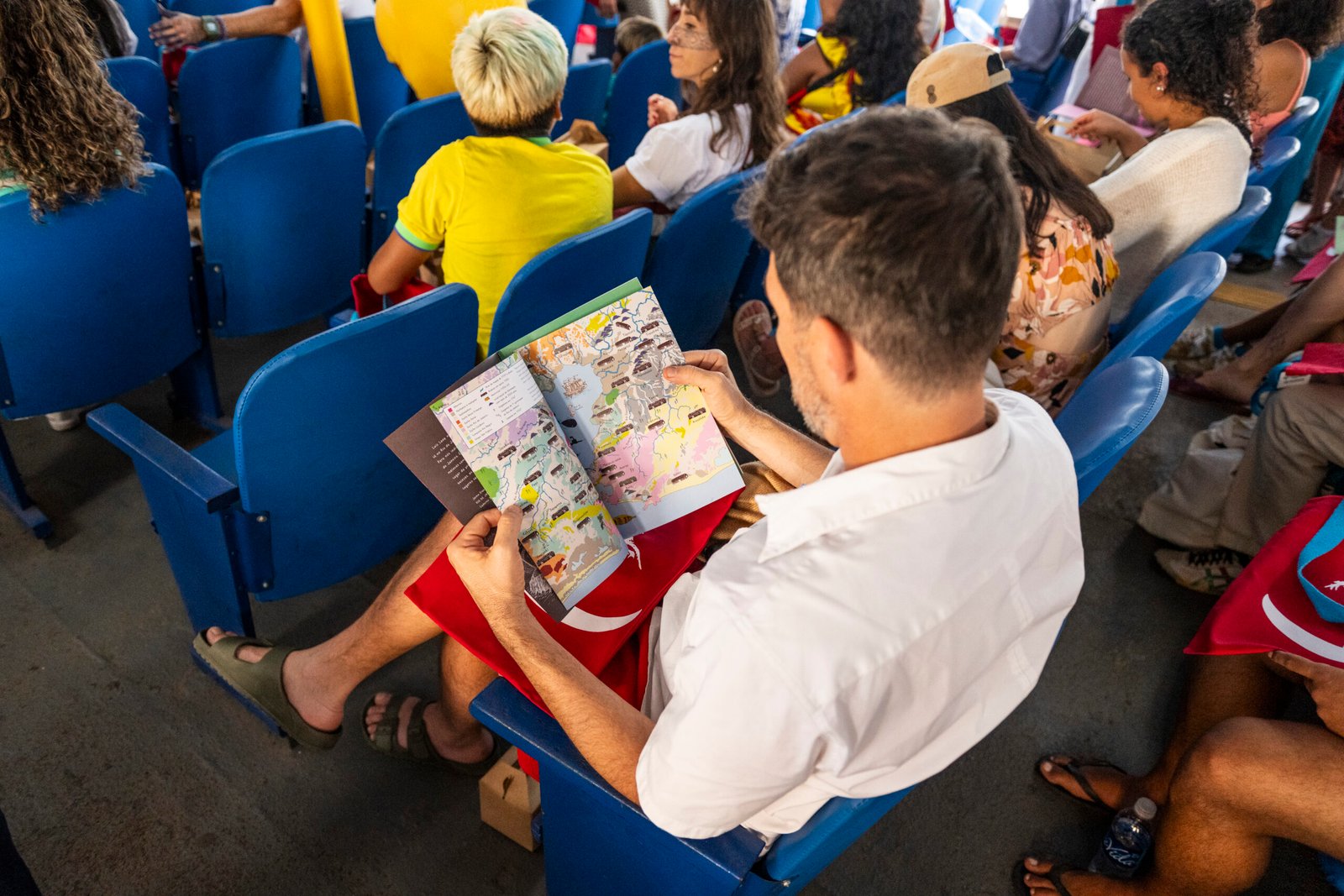


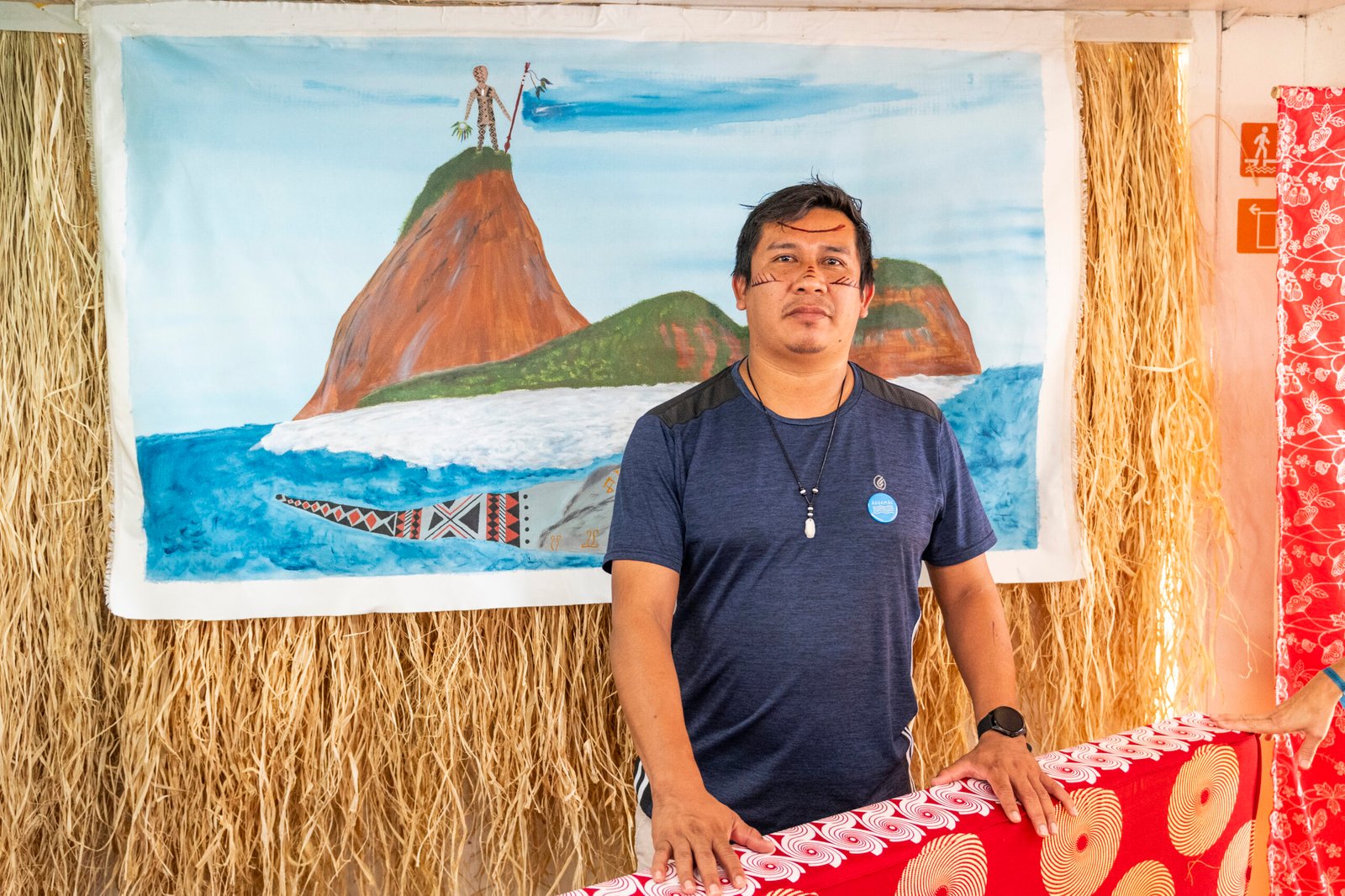

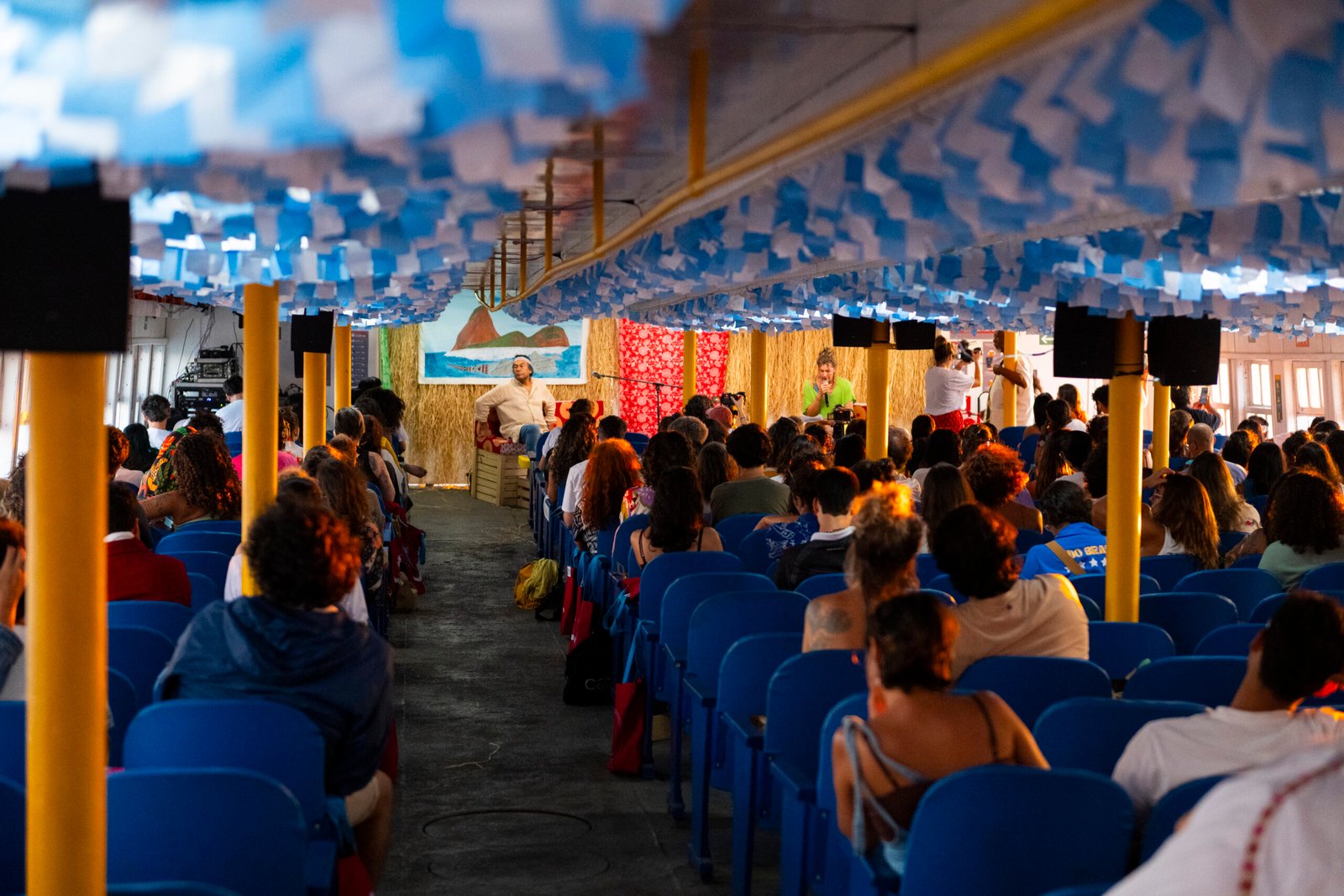
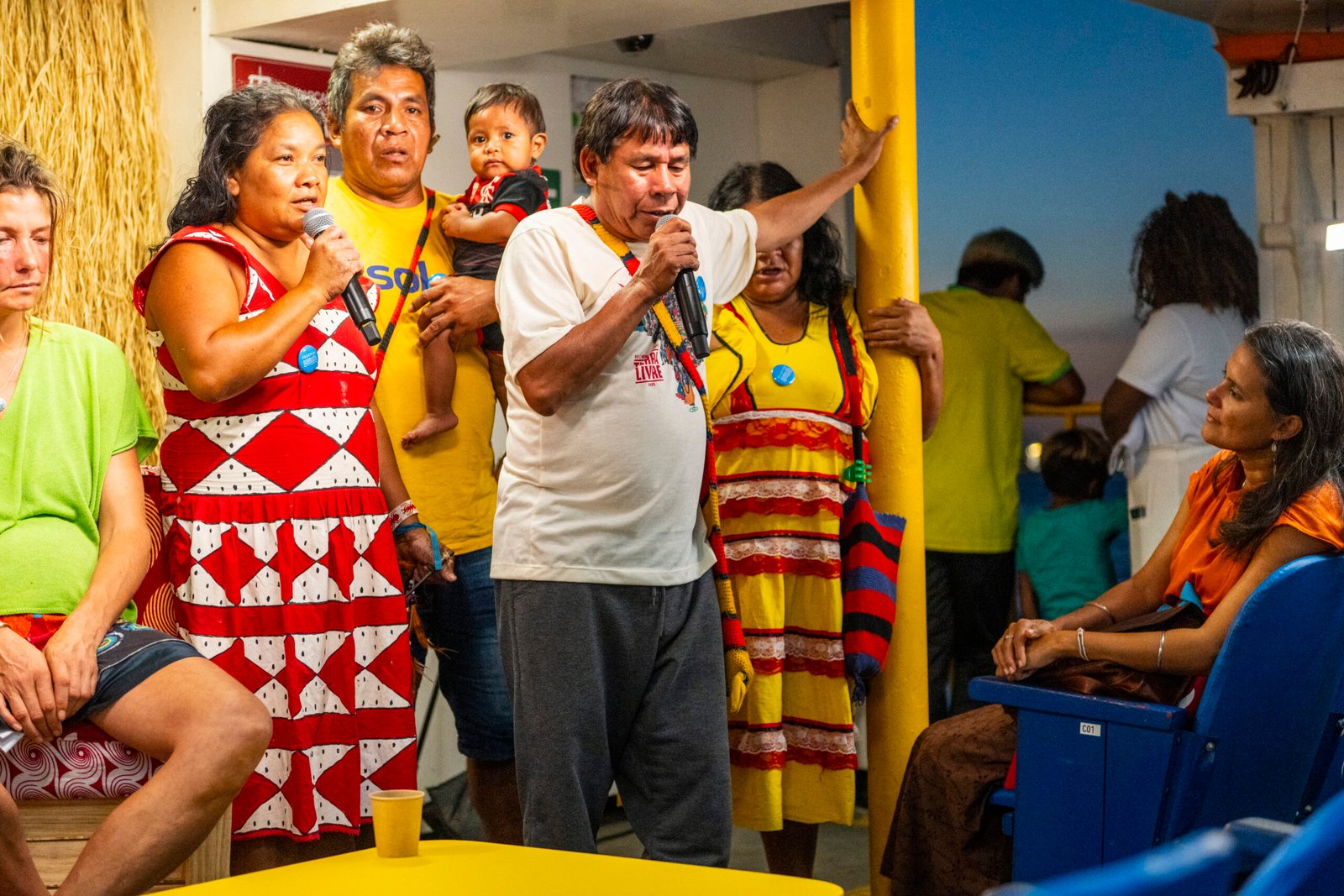
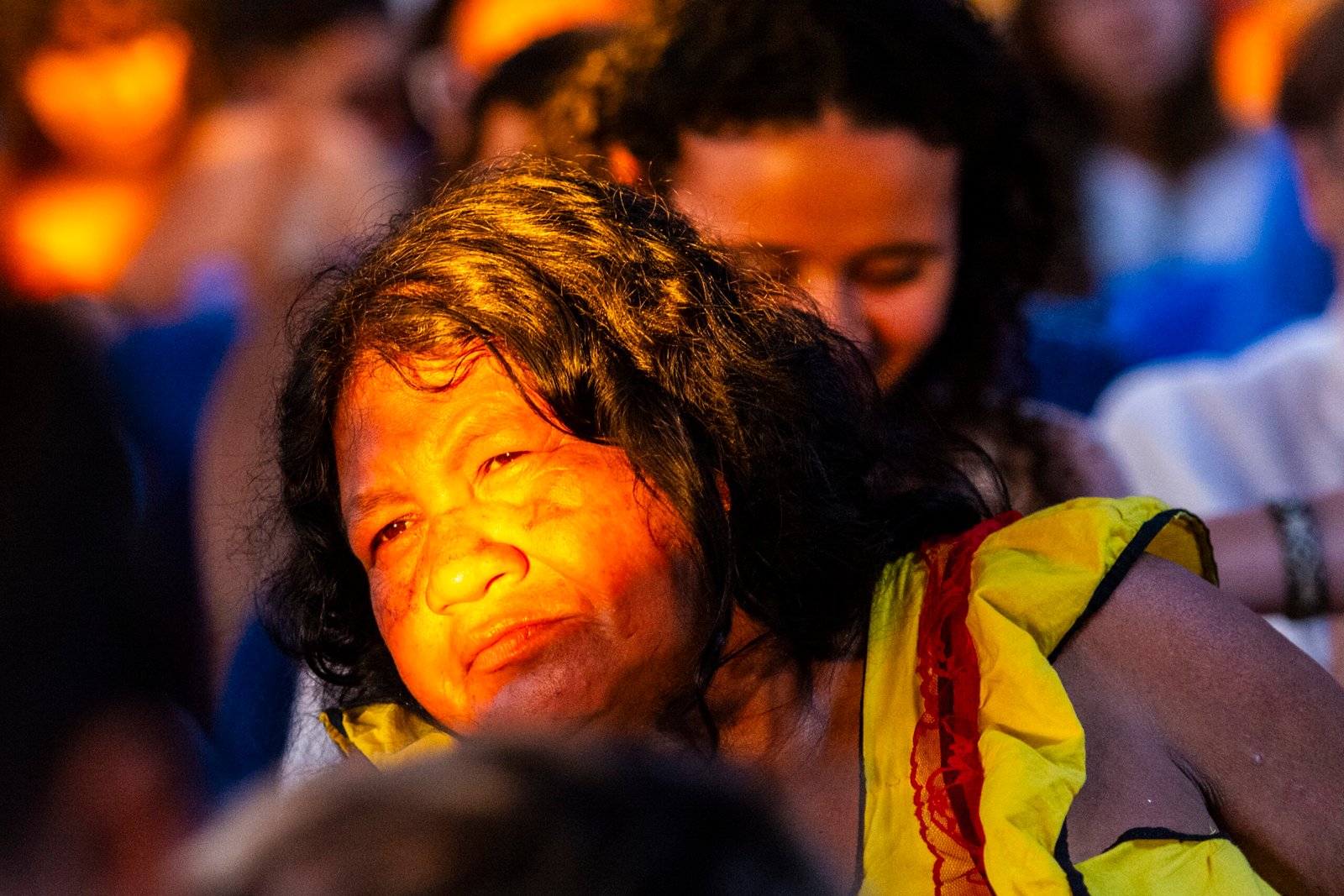
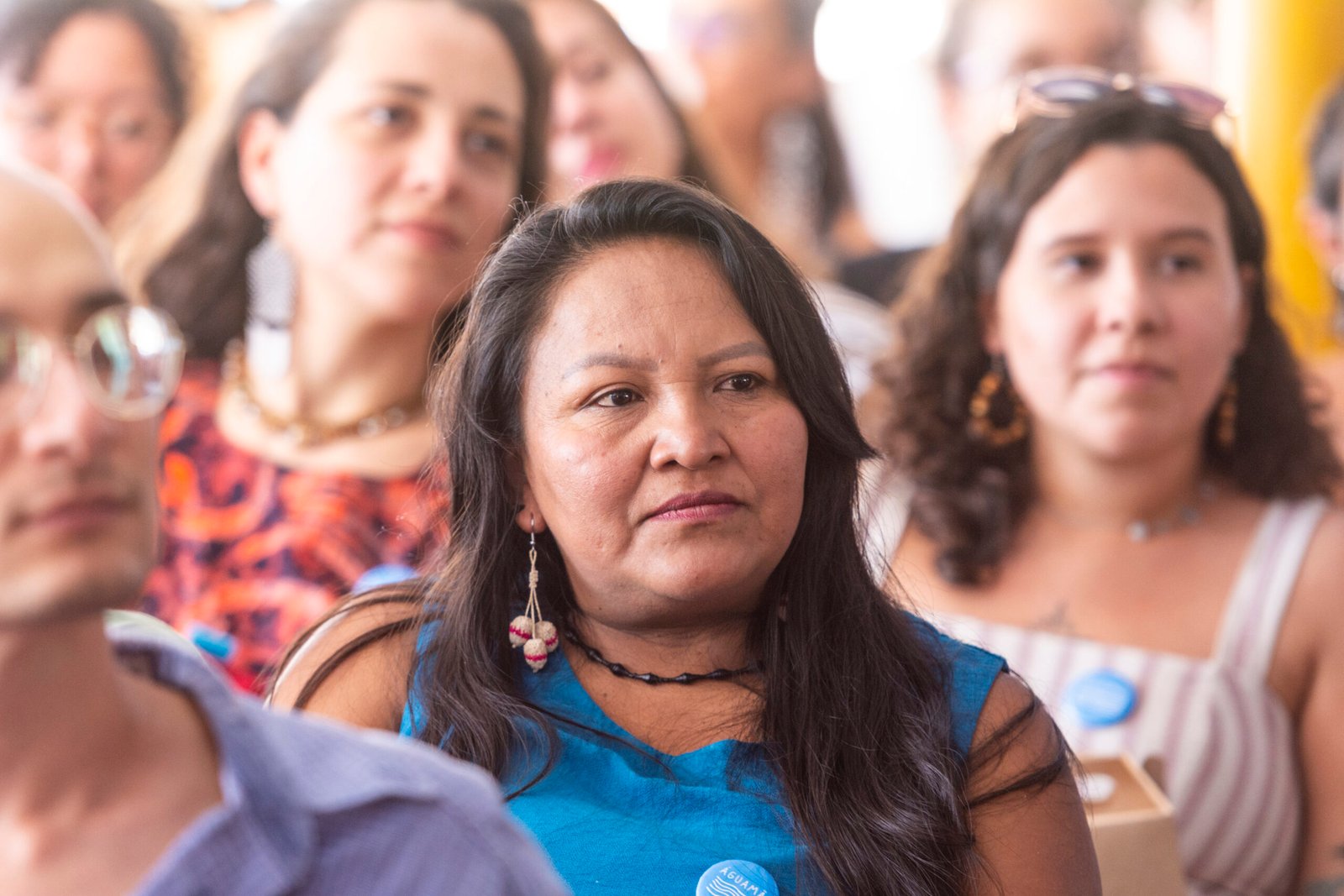
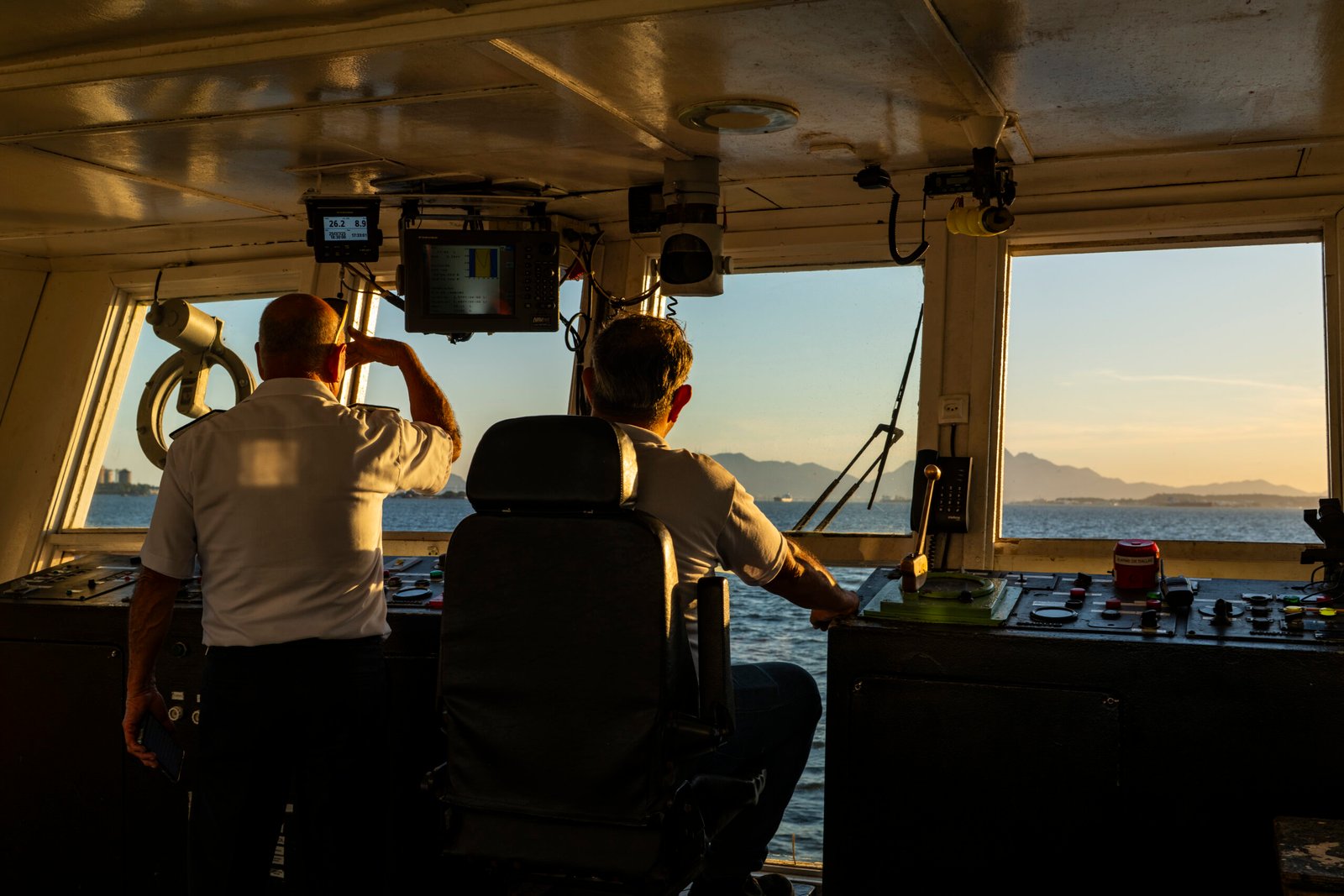

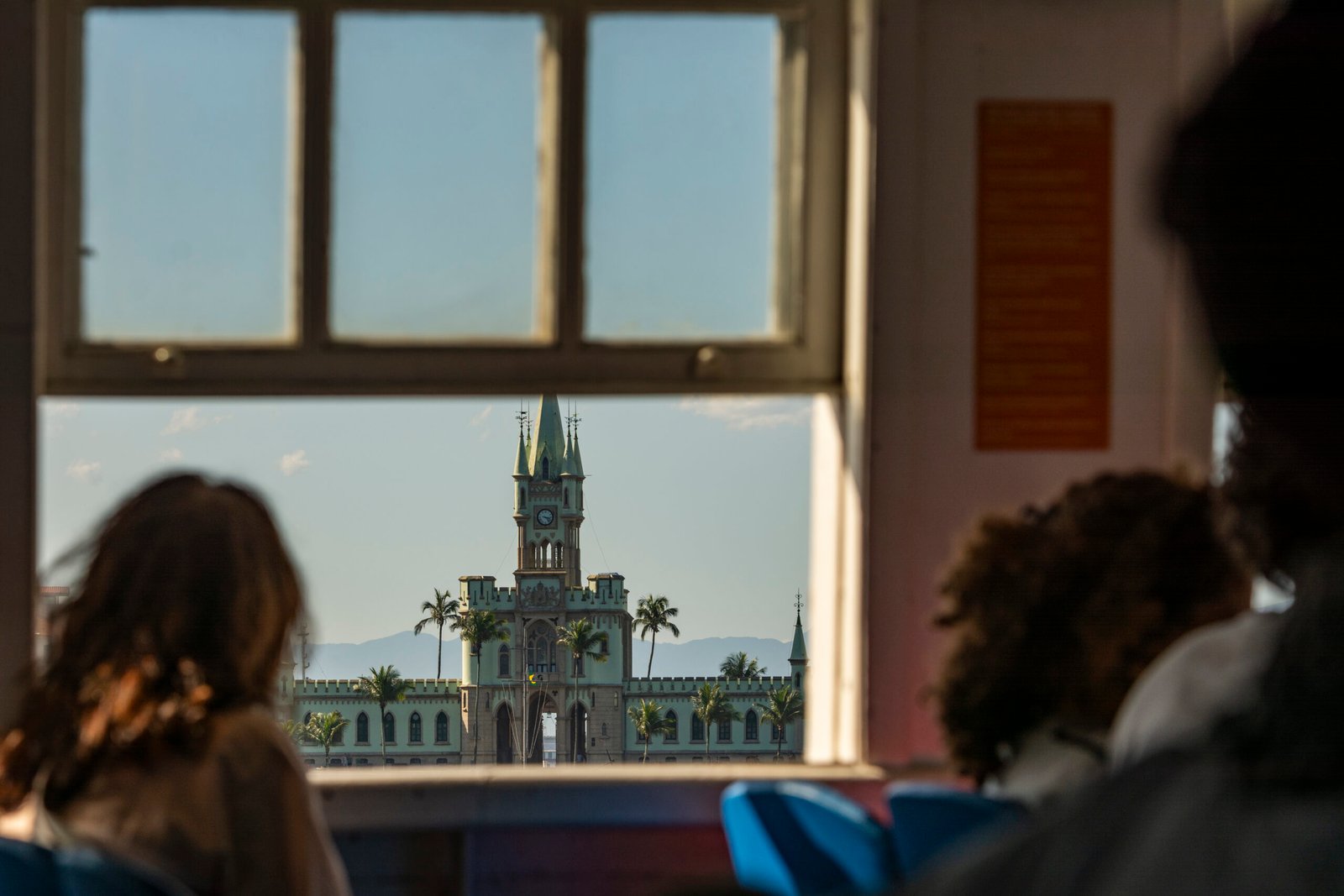
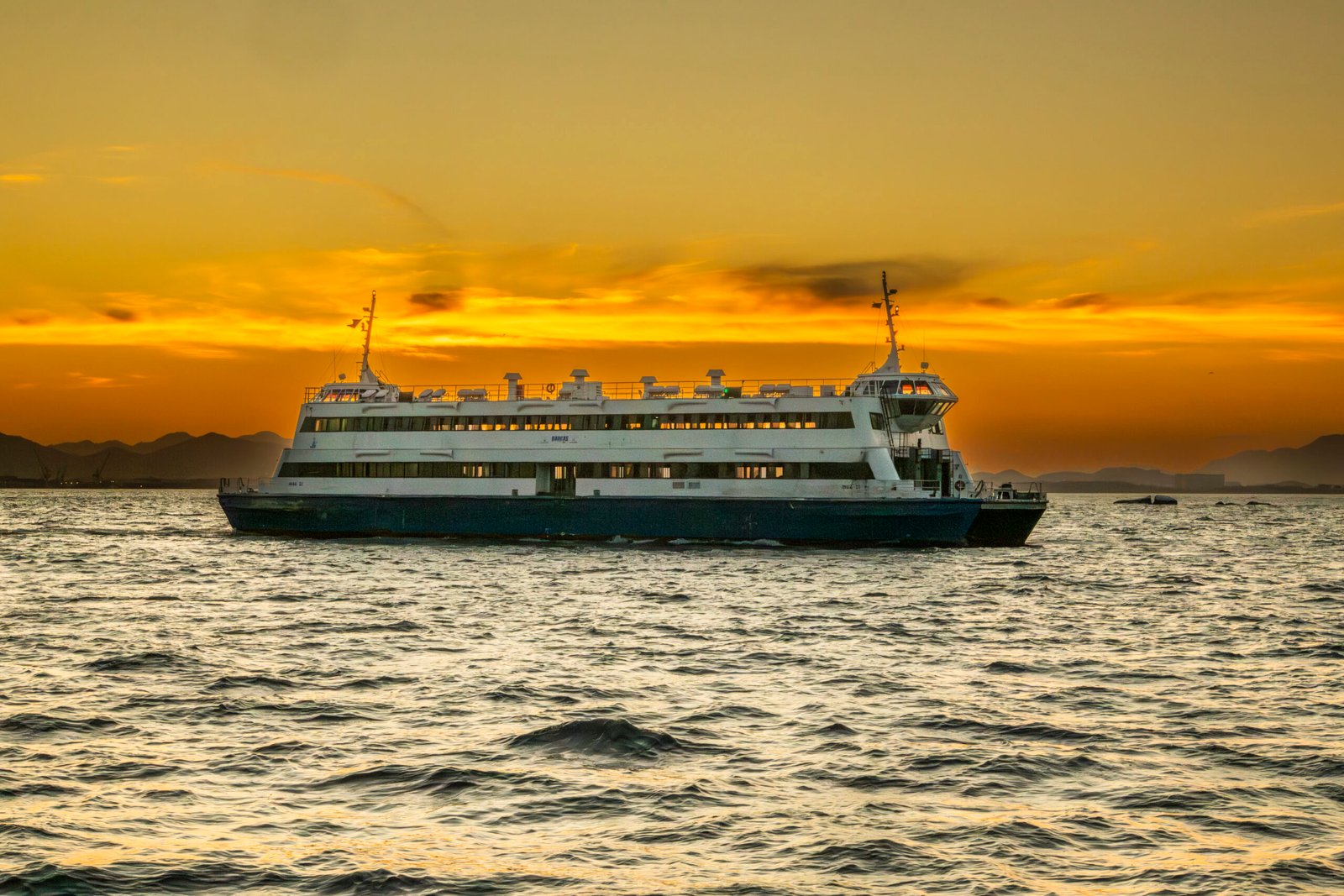
Photos: Caleidoskópica / Alex Ferro
NOTEBOOK

Visions of Guanabara is the result of research in books, documents, maps, and collections, and is composed of many voices.
The notebook brings together different perspectives on the territory of Guanabara Bay, starting from the idea that Rio de Janeiro is the epicenter of the geomythological event that gave rise to life. The same bay is also a crossroads, a territory of historical dispute, invaded by Europeans in the 16th century, when it was surrounded by about 90 Indigenous villages. Despite the deep transformations and socio-environmental challenges, this bay continues to pulse as a symbol of resistance and of multiple meanings.
MAP

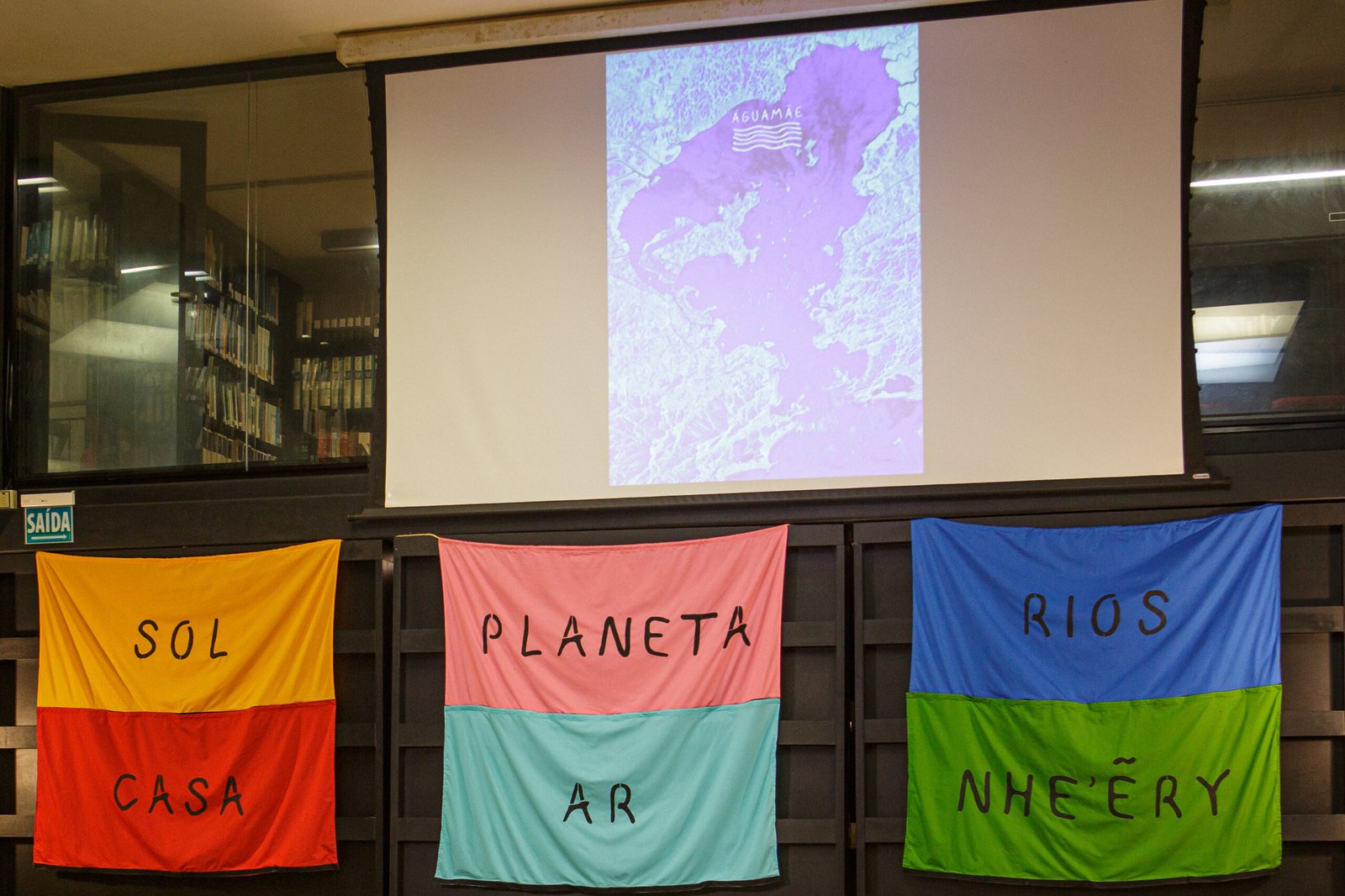
Map with an overlay of different times and layers of information. We included, among others, geological formations, Indigenous villages prior to invasion, fauna, and the canoe of transformation. To access the reference materials we consulted during the research, visit the VISÕES DA GUANABARA notebook.
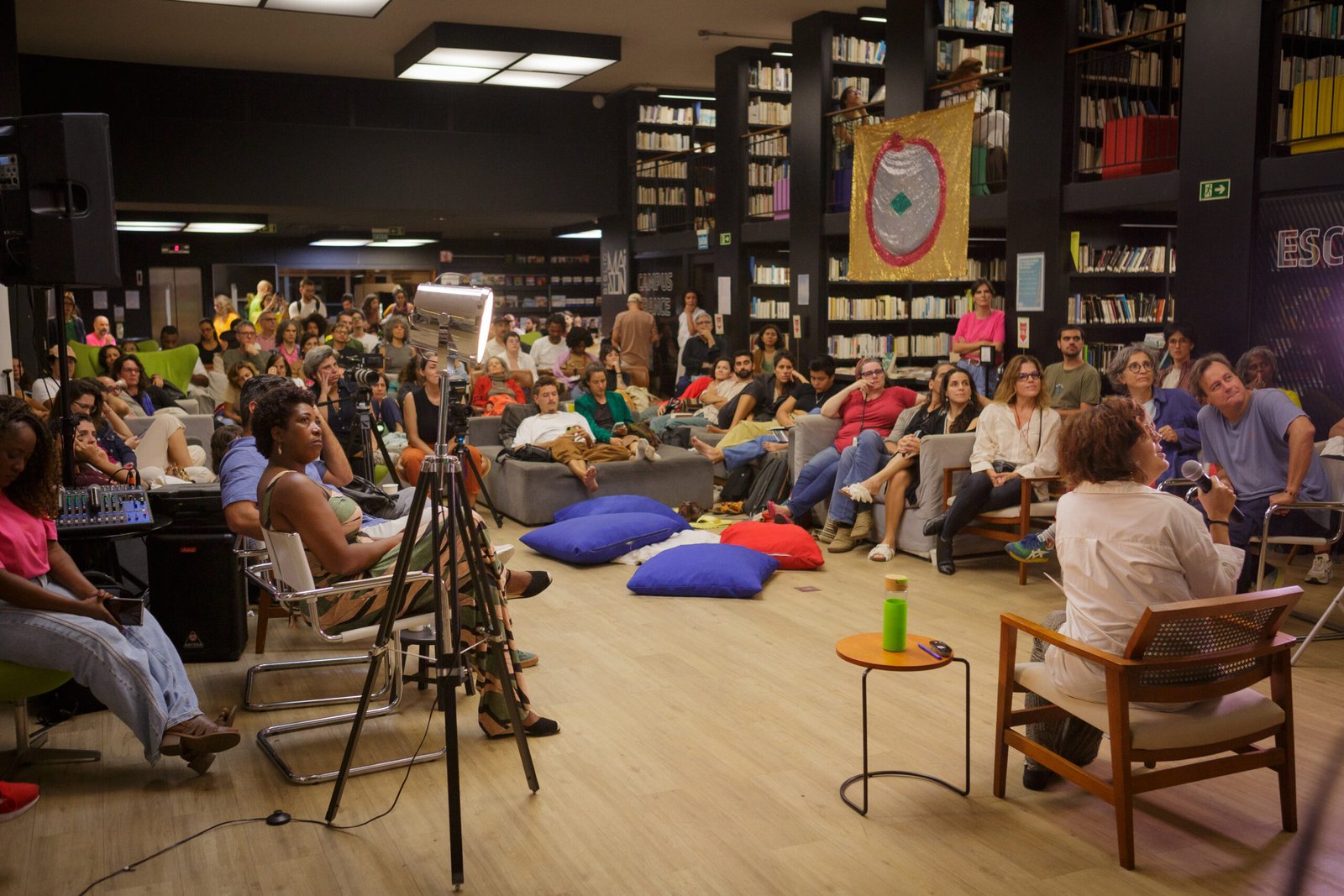
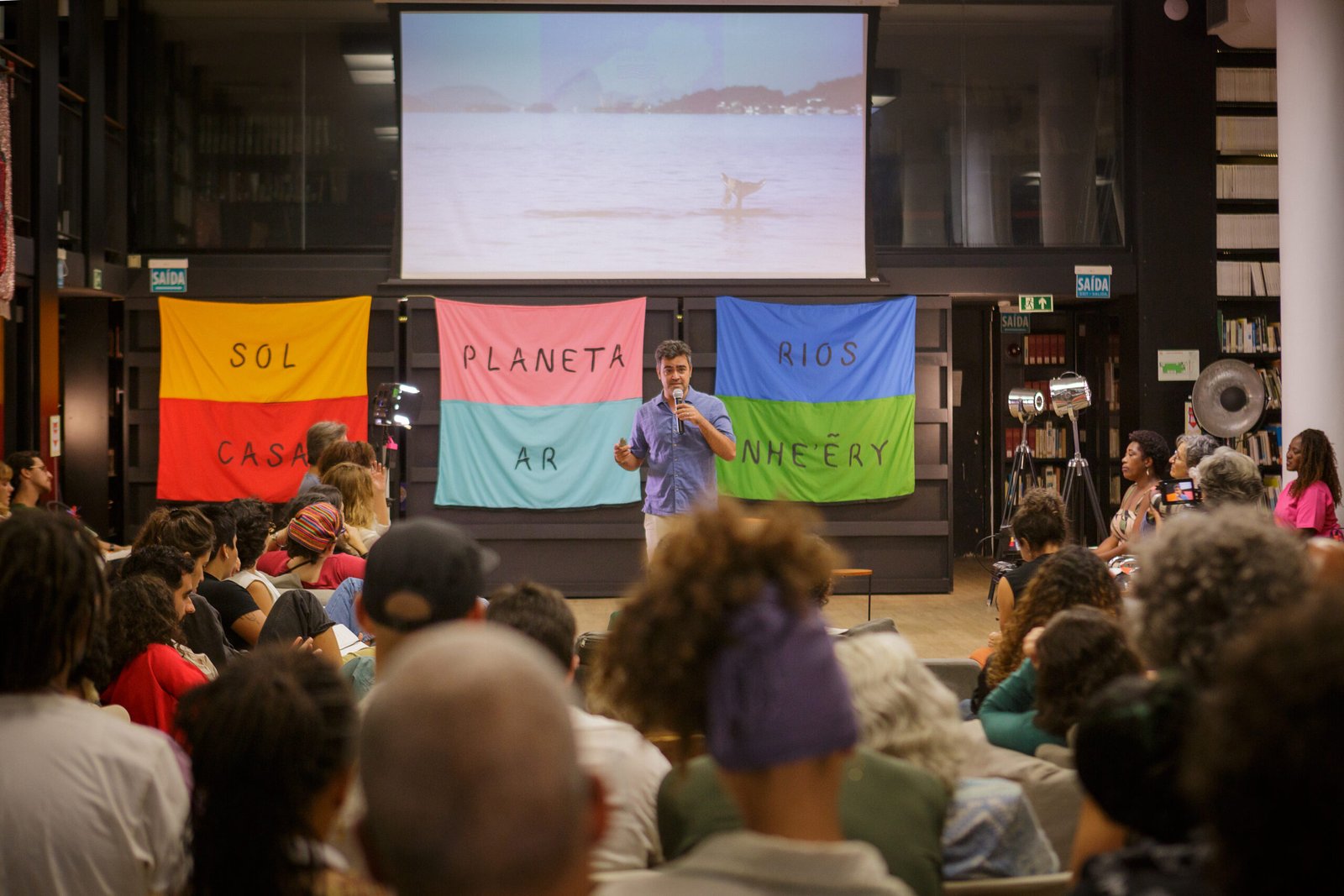
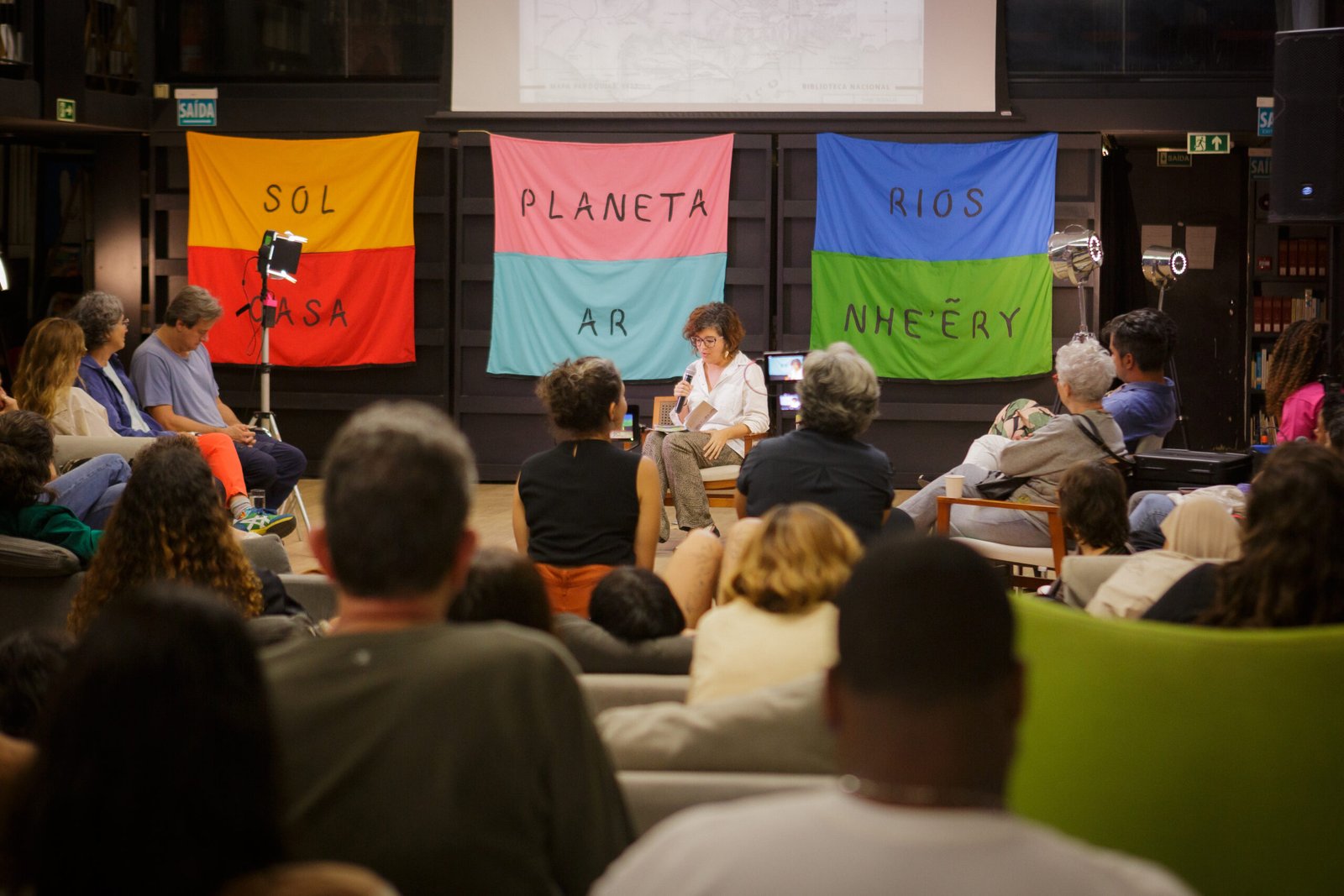
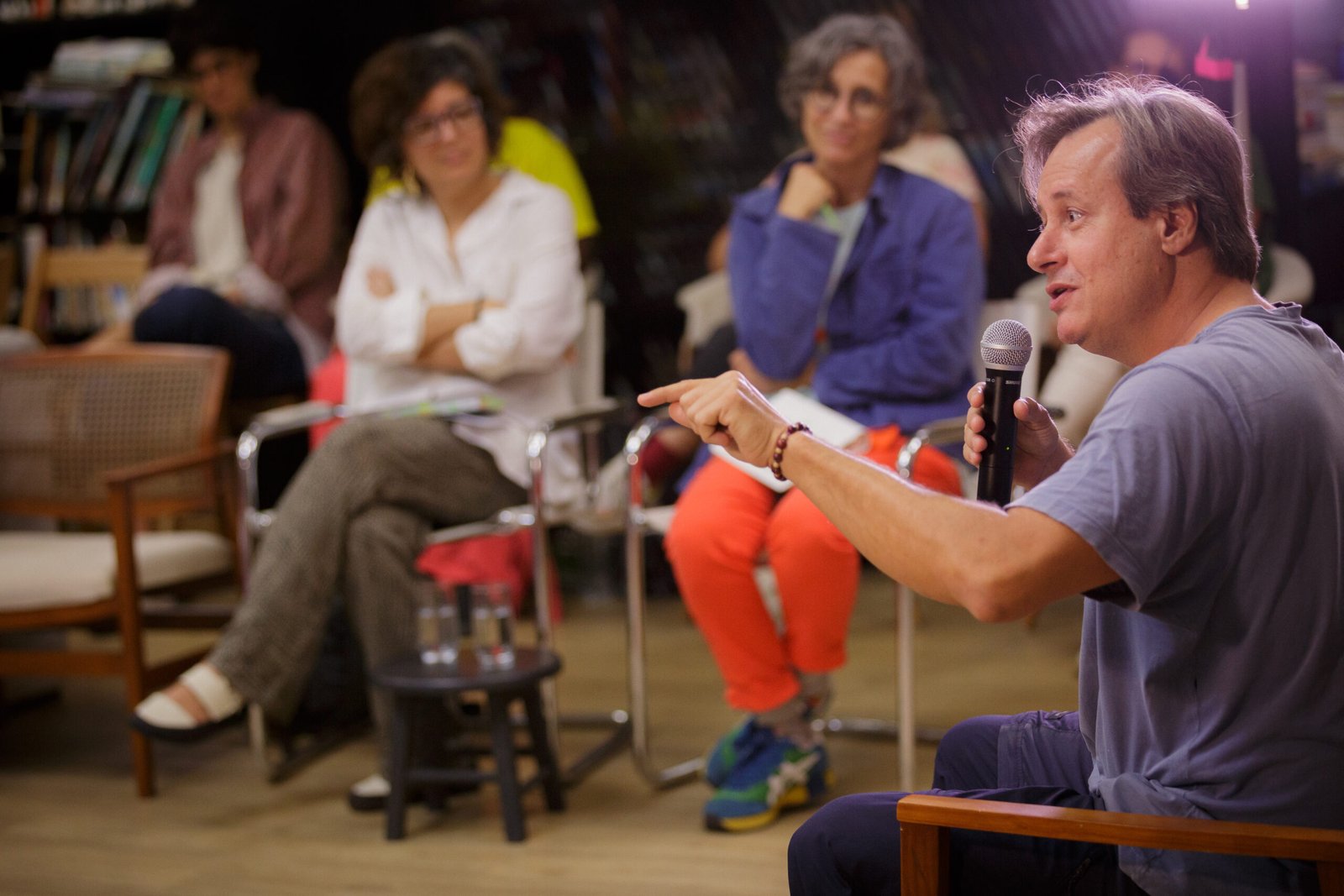
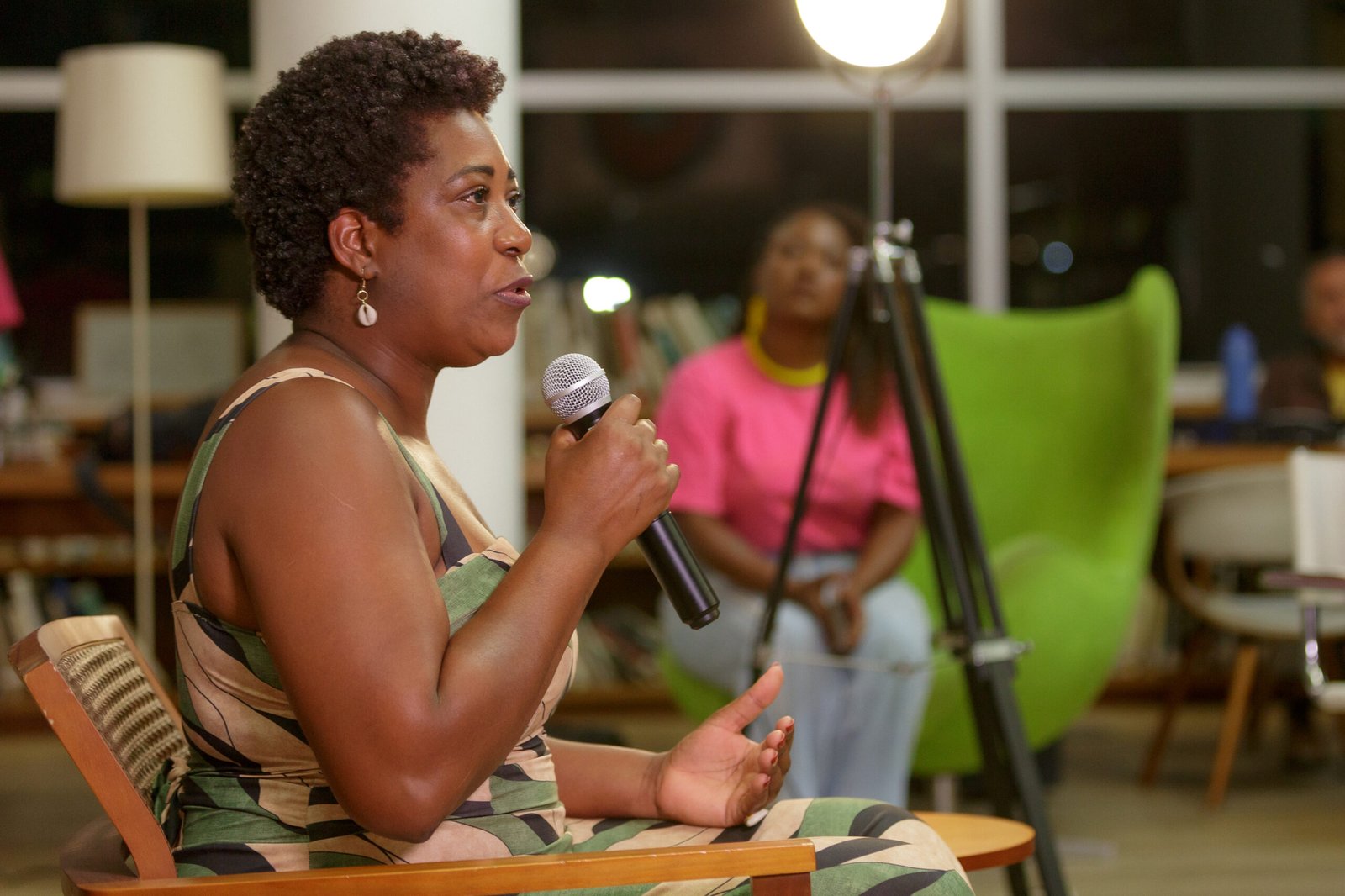
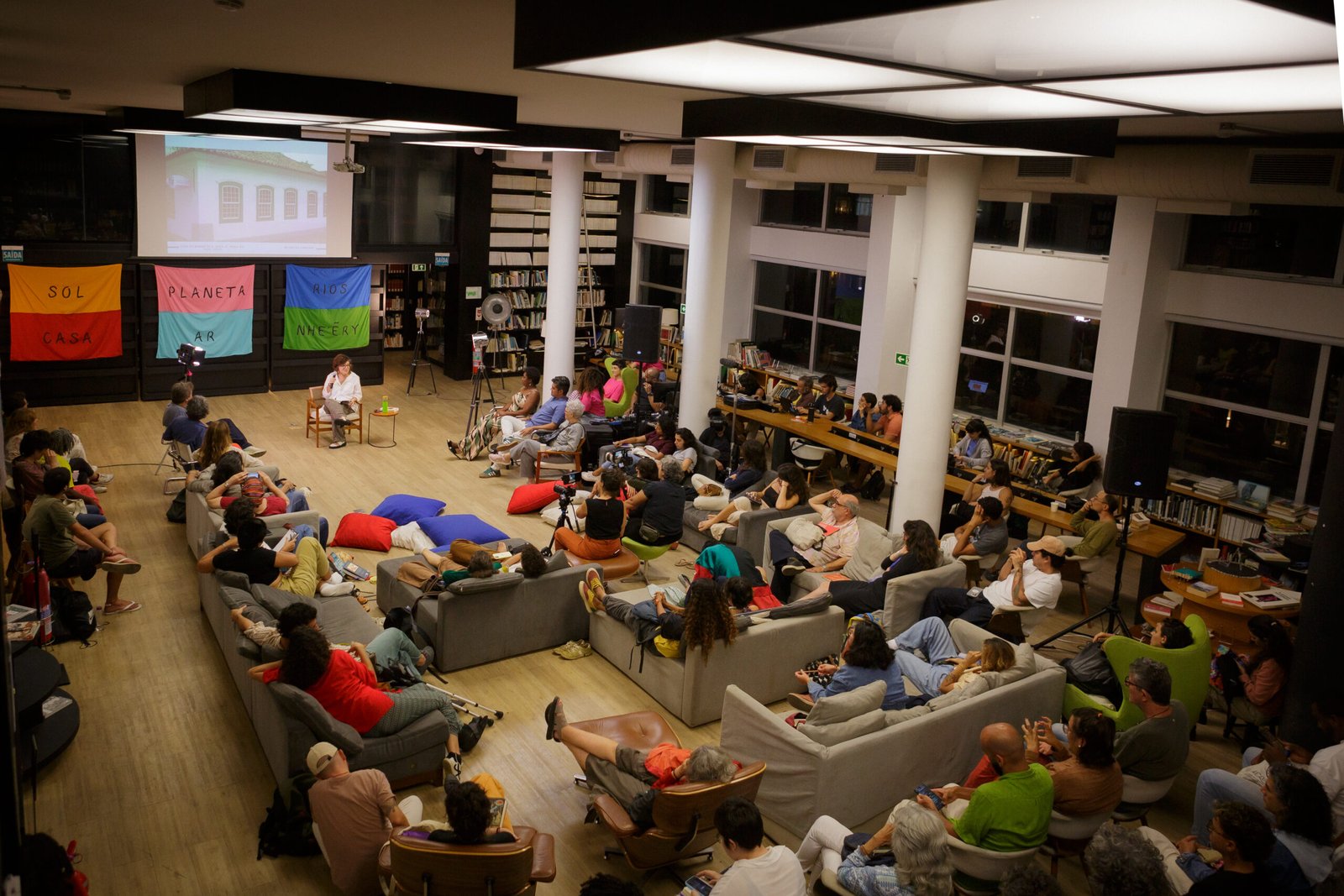
WATERSHORE – September 03, 2025
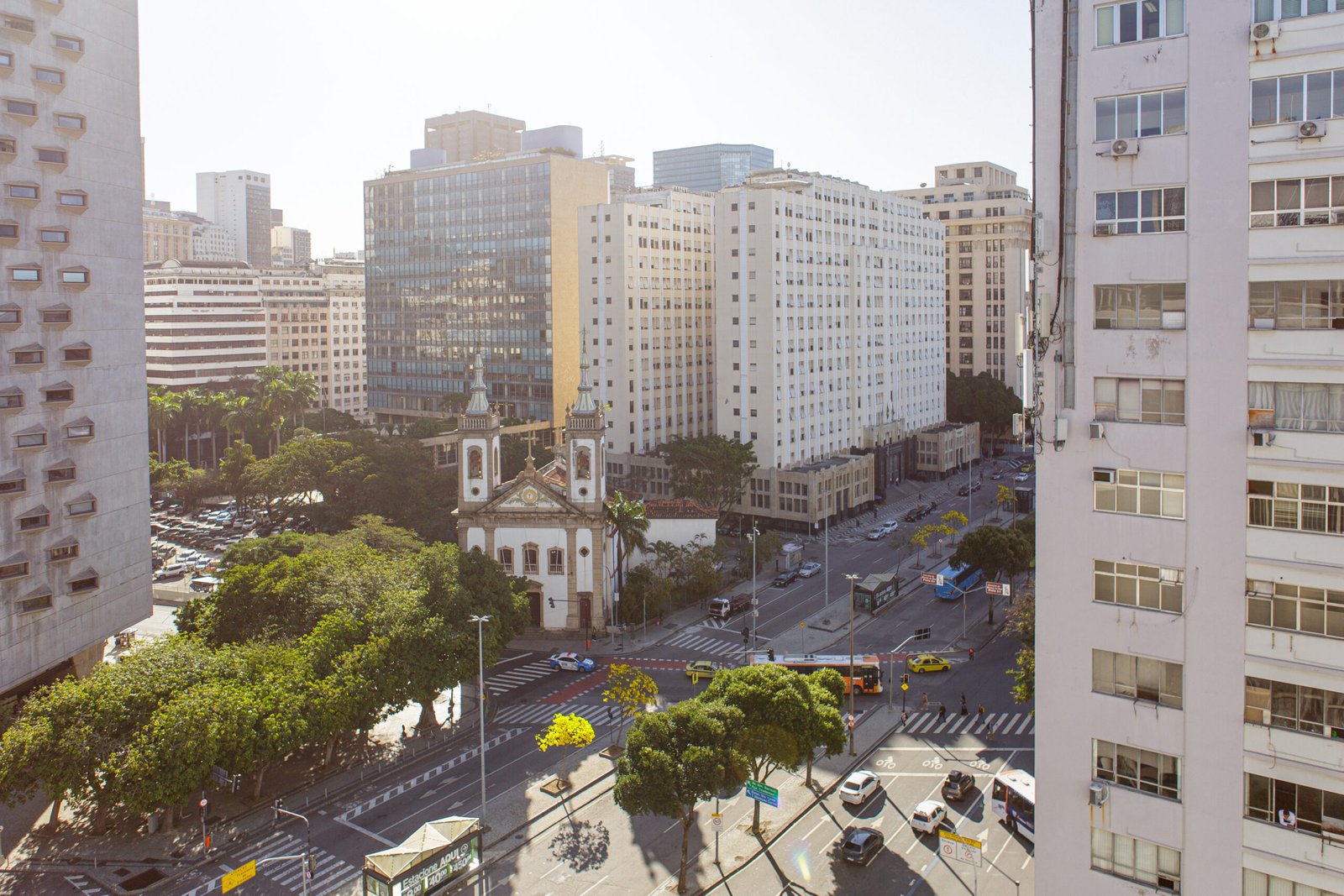
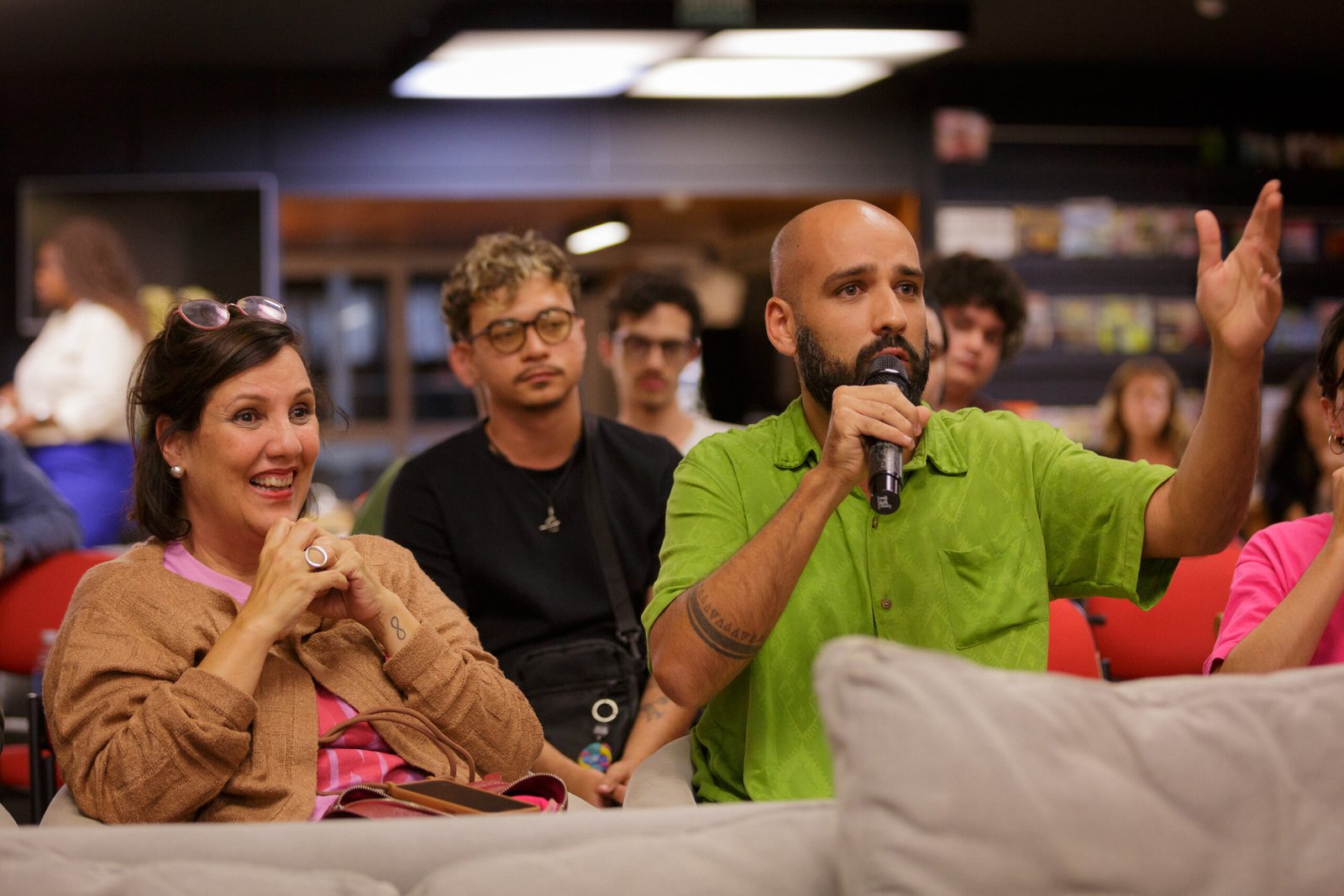
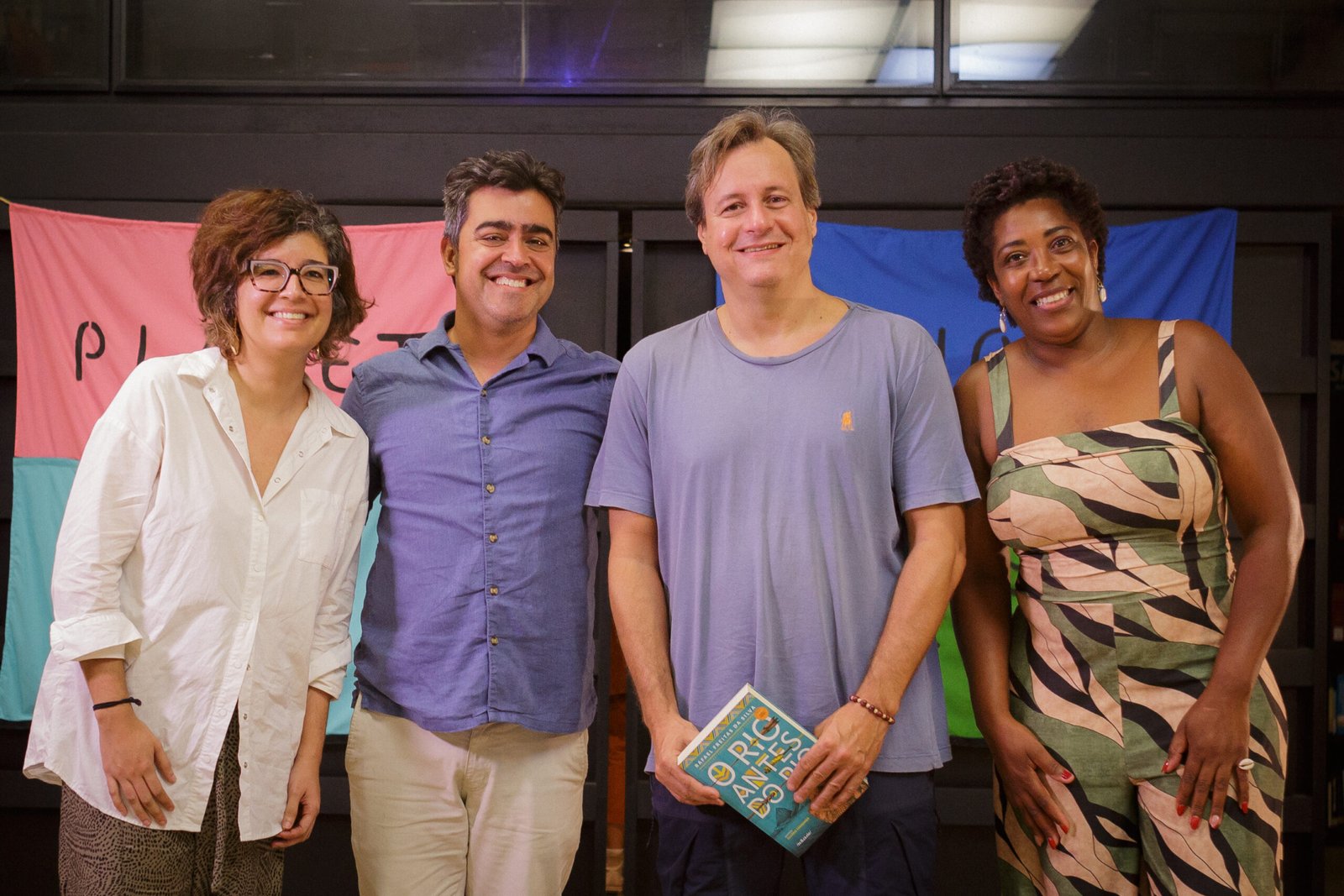
A conversation on Guanabara Bay that took place at BiblioMaison on September 3, with Rafael Freitas da Silva, Ana Thereza de Andrade Barbosa, Emanuel Alencar, and Val Quilombola. This conversation initiated a larger crossing that will flow into MOTHERWATER, on October 25, in the waters of Guanabara Bay.
WATERSHORE, as its name suggests, is a first approach to the Bay from the perspective of the Indigenous villages that once formed a straw civilization around it. A civilization that left more cultural than archaeological traces. The meeting will seek intersections that evoke the carioca spirit and its relationship with the waters over time. Together with the guests, we will observe socio-environmental aspects, explore the disputes and the enchantments of this bay, so emblematic of the complexities of the Anthropocene.
The talks were recorded and will be a part of the Motherwater study cycle.
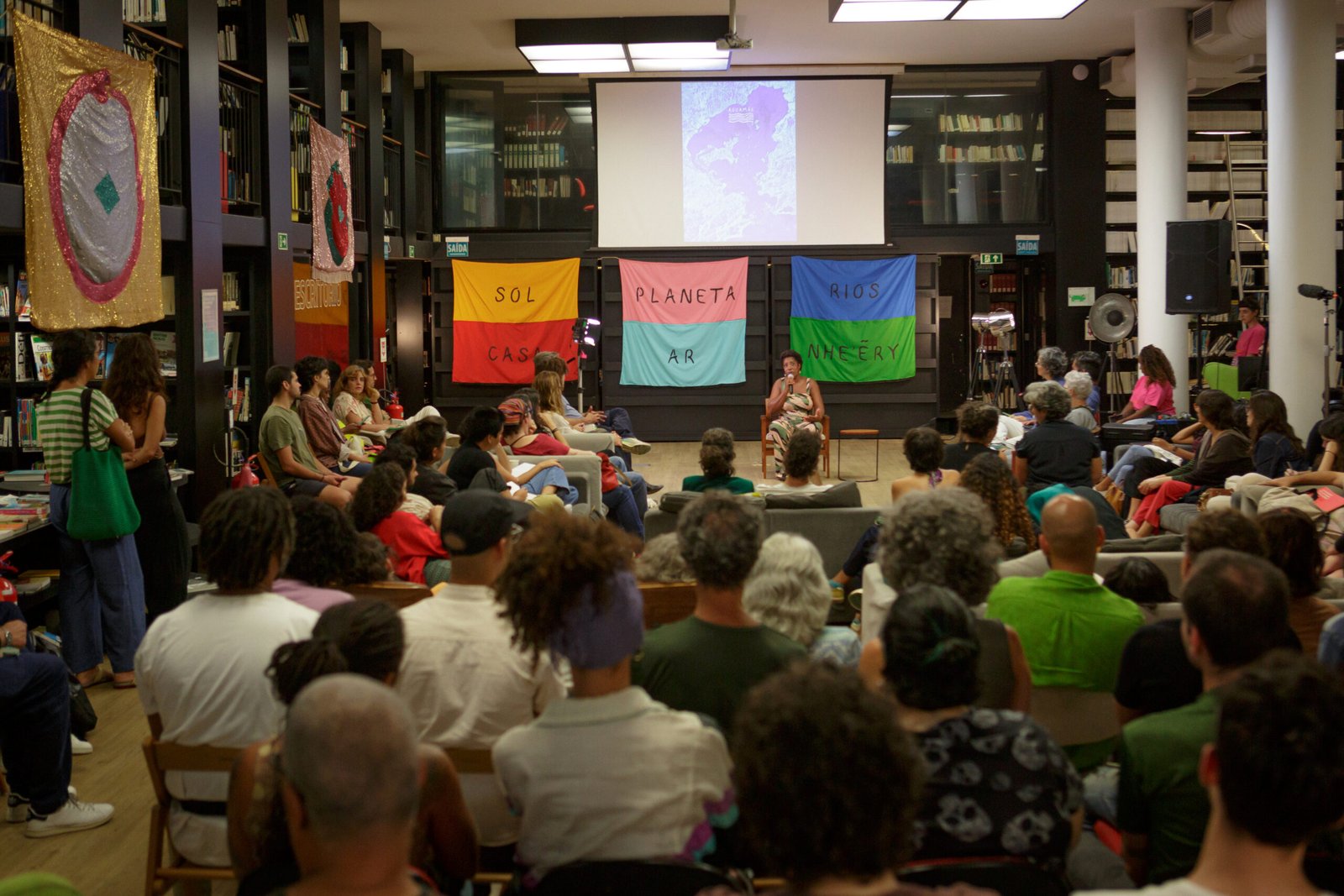

Photos: Caleidoskópica / Elea Mercurio
