




INHABITING DREAMS
Veronica Pinheiro
4 December 2025
There are moments when the classroom opens up like a clearing. A place where time, for an instant, breathes differently. It was in this interval, between the rigor of science and the vibrancy of life, that the Selvagem Droplet entered, traversing – like the Sun – the course “Topics in Science Education,” a mandatory course for the Bachelor’s Degree in Biological Sciences at the Federal Rural University of Rio de Janeiro (UFRRJ), taught by Prof. Dr. Lana Claudia de Souza Fonseca.
I am involved in this course during a time when the Ways of Learning Group is preparing for a change of cycles.
Asking permission to end a cycle is also asking permission to continue.
Time, as Nêgo Bispo teaches us, does not run out: it returns. It spirals. It turns the end into a middle, and the middle into a new beginning. It is in this circular movement that I now place my feet, while observing that the Ways of Knowingof the Selvagem Association do not come to an end, but rather broaden, spreading like a river in flood, opening new paths for the waters yet to come.
In recent years, I have closely followed the living diary of so many crossings: schools, territories, backyards, quilombos, villages, universities, childhoods. And in this flow something in me has also changed places. 2026 will not find me in the classroom every day. My teacher-body begins to converge with other rivers, to follow other banks where Selvagem continues to call.
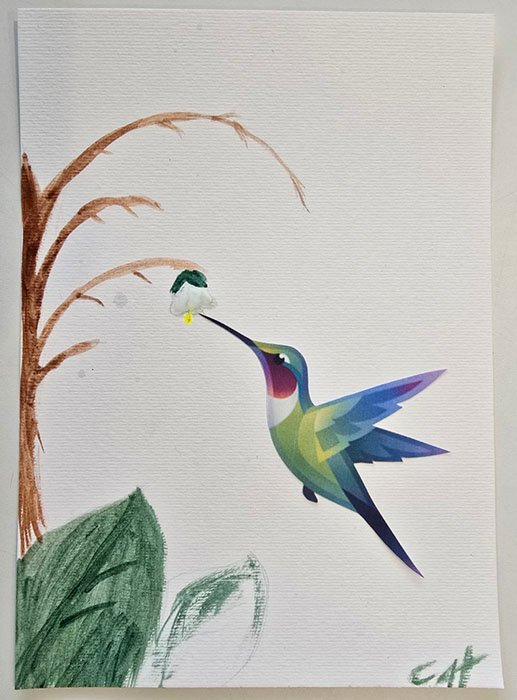
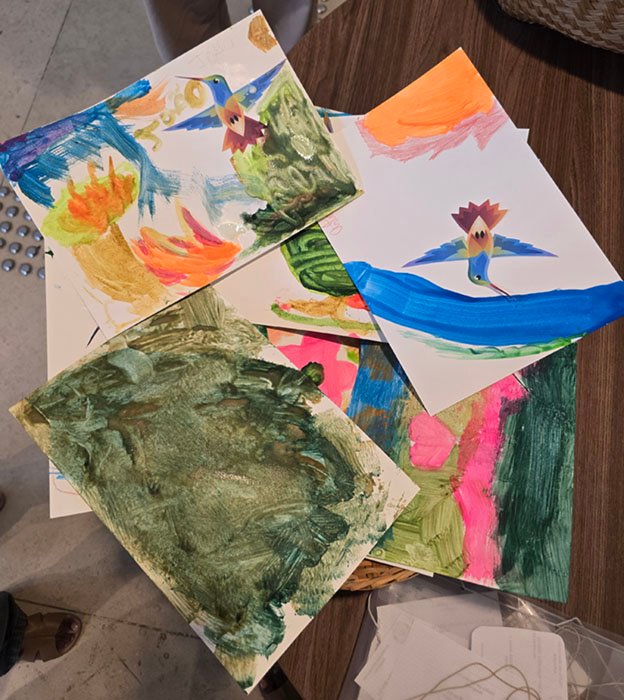
And if there was any doubt that this cycle is not an end point, it dissolved when I joined Sophia Laura Vieira's undergraduate thesis defense panel at UFRRJ to evaluate the final project for her Bachelor's degree in Biological Sciences Education. There, before me, a young woman who is preparing to become a teacher just like me, presented a project that echoes what we have been experiencing at Selvagem's Ways of Knowing. The work entitled "BETWEEN RUINS AND HOPE: PATHS TO (RE)CONSTRUCT SCIENCE TEACHING AND TEACHER TRAINING IN THE CONTEXT OF THE ANTHROPOCENE" and supervised by our dear professor Lana Fonseca made us smile when we realized that Selvagem's dialogues have reached the teachers who are graduating.
Right at the beginning of her text, Sophia writes: “being selvagem [wild] means restoring bonds, re-enchanting knowledge, and nurturing hopes that resist ruin”. She also says that the DROPLET notebook “caused a rupture in the structure of the class’s thinking”.
That's what we saw that day, a young teacher determined to break new ground and re-enchant classmates, friends, family, and educational pathways.
As I listened to her reading, watching her delicately and firmly sustain her own crossing, something was closed within me, and at the same time, something was opened. It was a ritual. It was a crossroads. It was a return. Participating in Sophia's panel was like listening to a river saying: you can follow your path, as those who will carry on are already here.
Her defense panel was not hers alone. It belonged to an entire community on the move. It was the Ways of Knowing group finding new paths to walk with other legs and other voices. It was the confirmation that the cultivation of Ways of Knowing (meetings, circles, workshops, listening, texts, laughter, crossings) keeps on germinating far beyond my daily physical presence at school.
When the panel ended, I was able to hug Sophia. And soon after, some of her friends and colleagues said that they felt inspired to work as teachers in the classroom after spending time with her. Hearing this, in that space that was once mine as a student and is now mine as a teacher, brought peace to this change of cycle. Selvagem is a river that feeds other rivers. And the Selvagem Ways of Knowing are expanding, reaching new banks, creating unexpected dialogues, inspiring research, and strengthening practices in diverse territories.
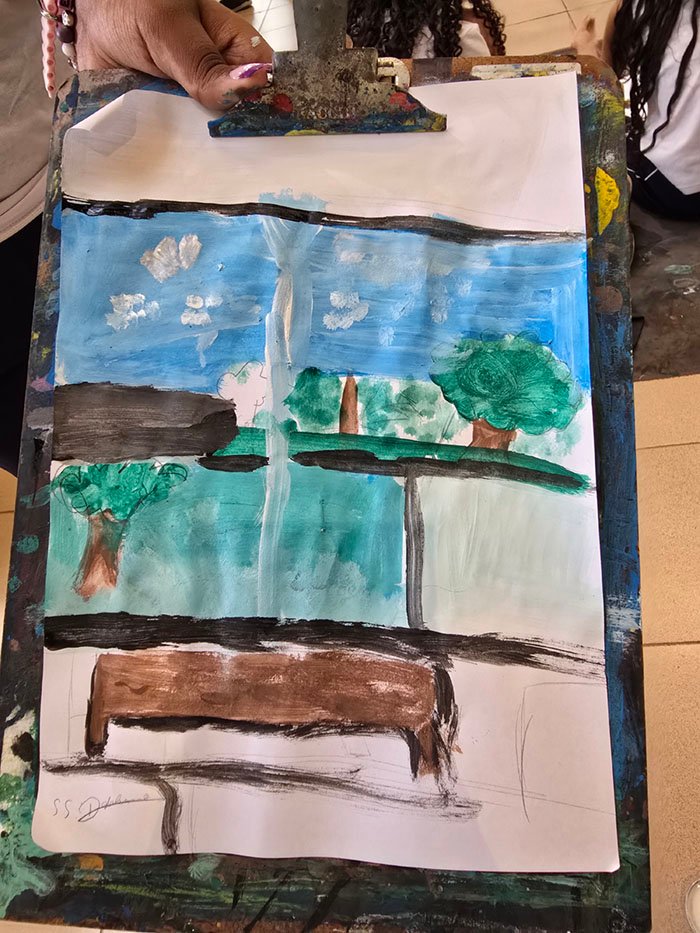
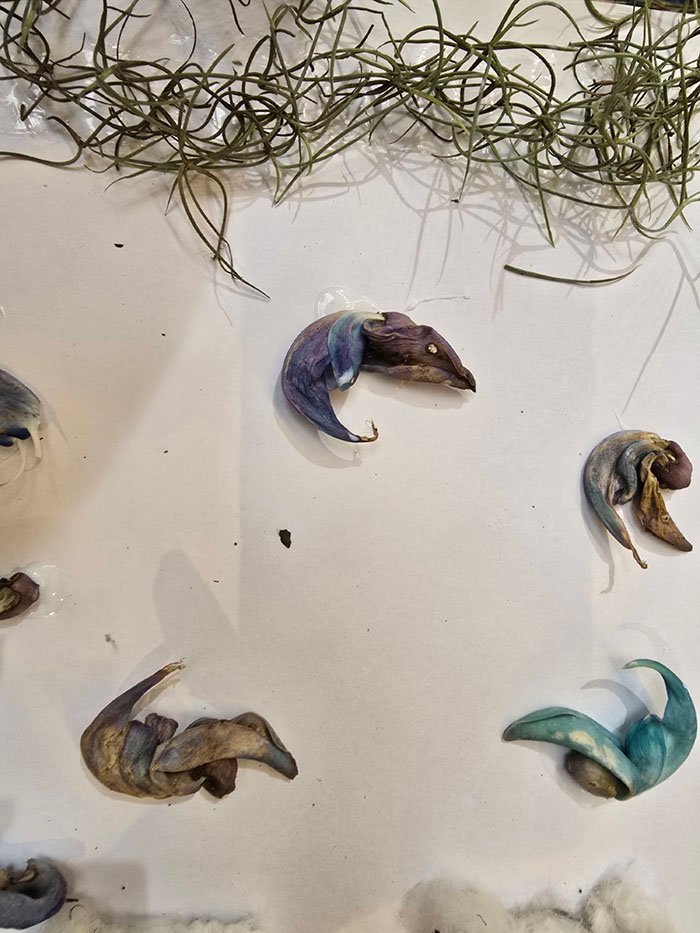
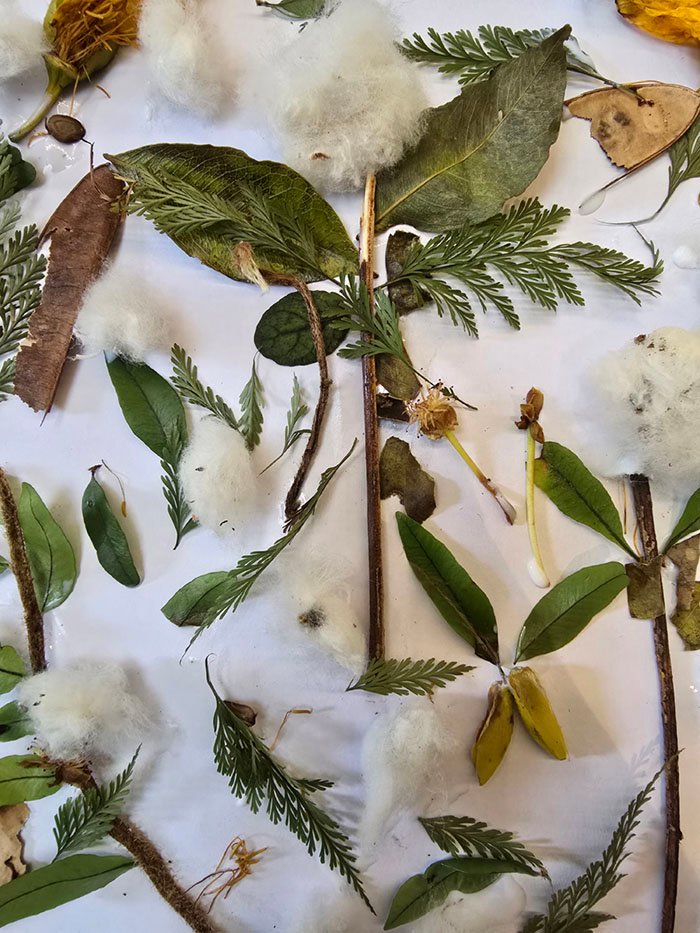
And I continue — perhaps less inside the classroom, perhaps right up against the ground, perhaps more in the movement of guiding and crossing. I continue because the cycle is not over. I live my childhood dream; in fact, I inhabit the dream I dreamed. I am a teacher and a brincante.
And perhaps that is what sustains the continuity of the cycle: inhabiting dreams. The children at the Escragnolle Dória Municipal School, on field trips, always tell me that they will dream about that day, and that I will be there in their dreams. They give me back the certainty that we can exist in futures that we will not be awake to see, but that will keep us in their nights like someone guarding a burning fire. Sophia, defending her work, repeated with a voice full of enthusiasm that she was “living a dream.” And so I realize that our path, even when it changes direction, continues to cross the lives of others like an underground river. Their dream, my dream, our dream. A territory where beginning, middle, and beginning blend together. And we continue toward 2026, knowing that if we inhabit the dreams of those who keep going, it is because the cycle does not end: it only learns new ways to continue.
