




TERRITORIES OF CONNECTION, ACTIVATION OF HEALING AND MEMORIES
Cristine Takuá
18 November 2024
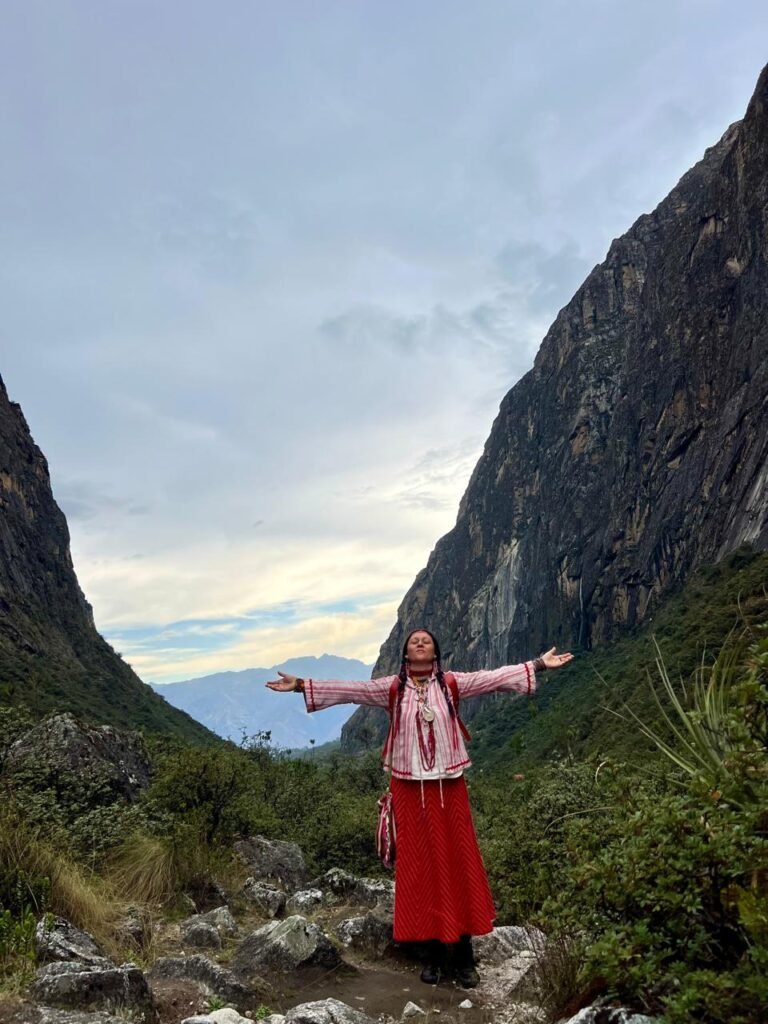 Photo: Carlos Papá
Walking through enchanted mountains and lagoons, I felt, saw and experienced very deep sensations in this ancient territory of ancestral memories. Huaraz, Huascaran and Chavin de Huantar are places of connection, gateways to very ancient times, where many walks were held for spiritual encounters and exchanges of knowledge about medicines, healing practices and good ways of living.
Visiting museums and archaeological sites, I recalled conversations with João Paulo Tukano about the palace of the dead, as he and his people call museums. Some time ago, João Paulo, an anthropologist and coordinator of the Bahserikowi Living School, wrote a text called Palace of the Dead, in which he reflects deeply on these spaces where objects are taken and kept like deceased people.
João says that “even if we were to bring them back, they would no longer be of any use to us, because the knowledge that resided in them has gone along with their owners. We don't know from which people or clans they came, and this information is essential for carrying out the appropriate Bahsese rituals demanded for their use and preservation. If we were to recover them one day, we would run the risk of contracting incurable diseases. That's why it's best to leave them where they are. That house they call a museum, where they keep the Bahsa busa (diadems) and other indigenous artefacts, is a house of the dead. The museum is a palace of the dead.”
 Huaraz Museum
Photo: Carlos Papá
Respecting these beings/objects and understanding the spiritual dimension that permeates the various indigenous cultures is an ethical commitment that everyone should have. I observe and assume that climate emergencies also reflect this maladjusted way in which human beings walk the Earth, disrespecting spirituality and very ancient places that hold memories of profound knowledge.
In Chavin de Huantar, I heard a story from Martin Loarte, the guide who accompanied us on the visit to the archaeological site, who told us that recently archaeologists discovered ceramics in an ancient ceremonial space, took them out and sent them to a museum in Lima. There was a ceramic in the shape of a Condor, a very sacred bird in the Andes. A few days after this removal, a large hill on a mountain near the archaeological site collapsed. Martin went to talk to an elder and asked him why he thought it had fallen like that. The elder man told him that, for a long time, a large condor would fly over the area, circle round and round and then sit on top of the hill. And he believed that the fact that they had dug up that pottery had disturbed the Condor's spirit, which consequently caused the hill to slide down.
 The path from Huaraz to Chavin
Photo: Cristine Takuá
 Ceremonial centre of Chavin de Huantar
Photo: Cristine Takuá
 Huascaran Park
Photo: Carlos Papá
This narrative touched me deeply and made me think about the urgencies of life, about knowing how to get in and knowing how to get out, about asking permission and knowing how to listen to our surroundings.
There is a principle that governs our existences. Among the many realities that inhabit this Earth, which reality guides you? Health and illness are reflections of our journey. Respecting the guardian spirits of everything that exists is the first premise of life. The first lesson that should be taught in schools, before literacy, is that we should know how to respect the owners/guardians of the mountains, waters, stones and all beings.
The Bahserikowi Medicine Centre has come up with a decolonial proposal for thinking about caring for the body, mind and spirit. Through traditional practices of care and attention, the kumuã, specialists in healing, blessing and health practices, have been developing a very strong work in the centre of Manaus, the capital of the Amazon.
In this connection between territories of awakening, we walk forward seeking to activate healings and memories.
 Carlos Papa and guide Martin Loarte in Chavin de Huantar
Photo: Cristine Takuá
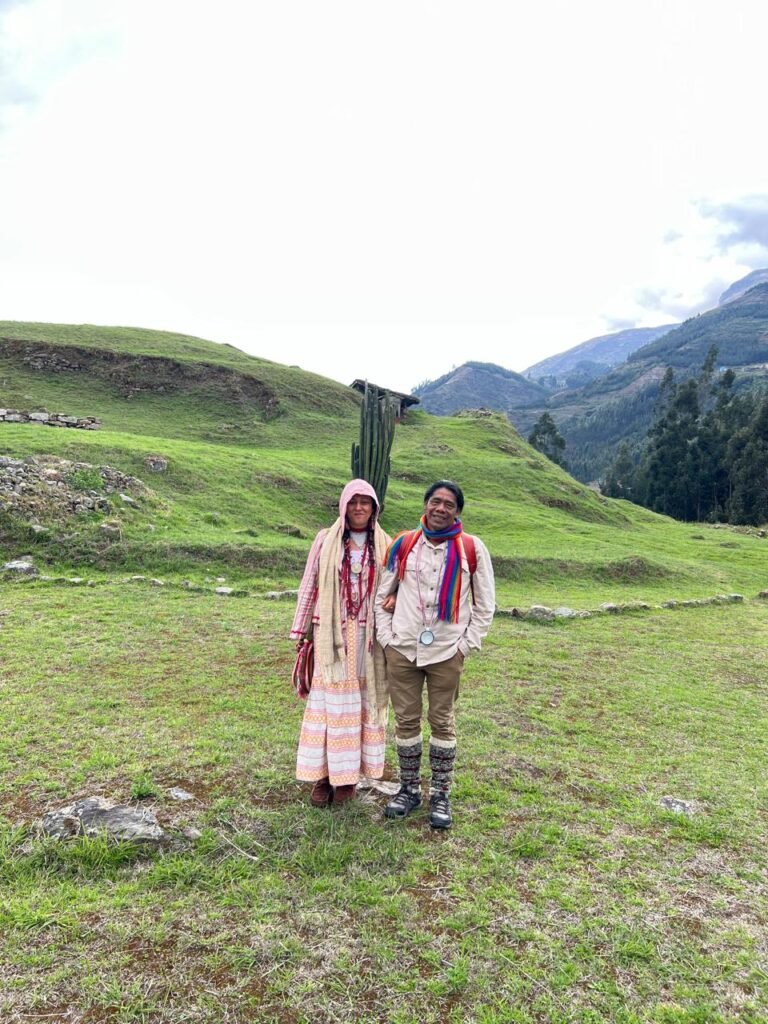 In Chavin, at the Archaeological Site, together with the sacred Wachuma (in the background)
Photo: Renata Borges
 Photo of João Paulo Tukano