




HISTÓRIAS QUE OS LIVROS NÃO CONTAM
Cristine Takuá
18 de abril de 2024
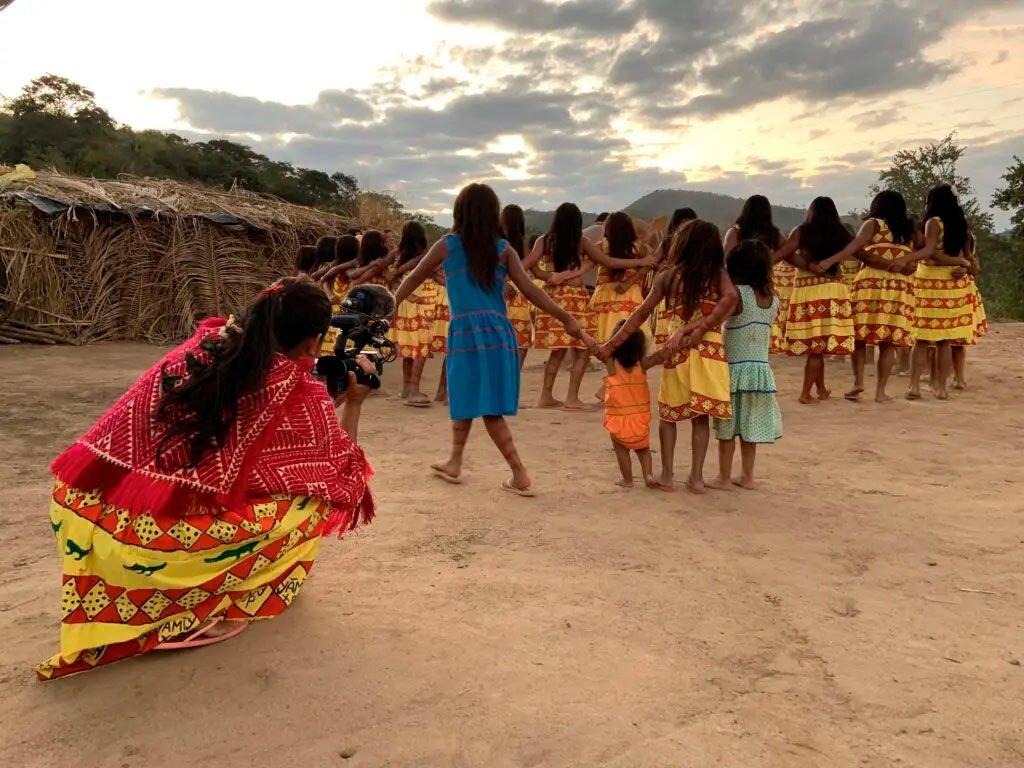
Photo: Roberto Romero
Sueli Maxakali, artista, cineasta, liderança, avó e coordenadora da Escola Viva Maxakali, passou anos de sua vida sonhando reencontrar o seu pai Luis Angujá, como é conhecido, do povo Kaiowá do Mato Grosso do Sul. Eles se separaram há mais de 40 anos, durante a Ditadura Militar. Para esse reencontro, Sueli idealizou, junto com sua irmã Maiza, o filme Yõg ãtak: Meu Pai, Kaiowá. Esse longa-metragem documental está em processo de finalização e contou com apoio do antropólogo e amigo Roberto Romero e de Tatiane Klein, antropóloga que estuda há anos junto aos Guarani e aos Kaiowá. Foi ela quem, em 2019, nas suas caminhadas pelo estado, encontrou Luis vivendo na Tekoha Laranjeira Nhanderu e comunicou Robertinho. A partir daí organizaram a primeira ligação telefônica entre eles. Na época lembro que Tatiane Klein me contou e me enviou um vídeo de Luis muito emocionado.
The Military Dictatorship in Brazil inflicted deep wounds on memories and violated bodies and territories, causing arrests, forced labour, torture, poisoning and disease. Among the indigenous peoples, there was also a ban on their mother tongue. The report of Comissão Nacional da Verdade [National Commission for Truth] states that more than 8,000 indigenous were killed during this period, victims of torture and attempts to erase their memories. The history and literature books studied in Brazilian schools tell a very superficial picture of what really happened during the years of dictatorship. Most of the books show the exiles of famous artists such as Caetano Veloso and Gilberto Gil with lots of photos, but they say absolutely nothing about the exile, genocide and ethnocide of indigenous peoples.
In the mid-1960s, at the height of the Brazilian military dictatorship, Luis Kaiowá and his cousin José Lino were taken to several different places by agents of the Brazilian state, finally arriving at the Mariano de Oliveira Indigenous Post, in the Água Boa Maxakali village in Minas Gerais. They lived there for over 15 years. Luís married Noêmia Maxakali and had two daughters, Maiza and Sueli, while José Lino married Maria Diva Maxakali and had four daughters. However, a little over two months after Sueli's birth, Luis and José Lino were taken back to Mato Grosso do Sul and never returned. Luis became a renowned prayer leader for the Kaiowá people, while José Lino died a few years after his return.

Foto: Tatiane Klein
Sueli and Maiza grew up without hearing from their father, but they always tried to ask about his whereabouts when they met Kaiowá relatives. With the arrival of Tatiane Klein's news about where Luis was living, Sueli, with the help of partners, organised the meeting trip and the recording of a documentary telling his story. This was planned for 2019, but with the arrival of Covid they had to cancel it and wait.
In the meantime, in September 2021, Sueli, Isael and several Maxakali families decided to take back an area, the Forest School Village, where they are today. There they cultivate the dream of healing the land and strengthening the lives of children and young people through educational practices. In 2022, with the decrease in Covid cases, Sueli and Maiza were able to restart the project and plan their long-awaited meeting. They prepared themselves spiritually for the departure from the Forest School Village with a great hawk-spirit ritual, Mõgmôka, and headed for Mato Grosso Sul. Between the two peoples, there was a lot of expectation, emotion, stories and memories in the midst of a centuries-old process of expropriation, murder and devastation of their ancestral territories. And even with so much violence and pain, the two peoples resist and display a vibrant and intense ritual of life, populated by songs, dreams and spirits.

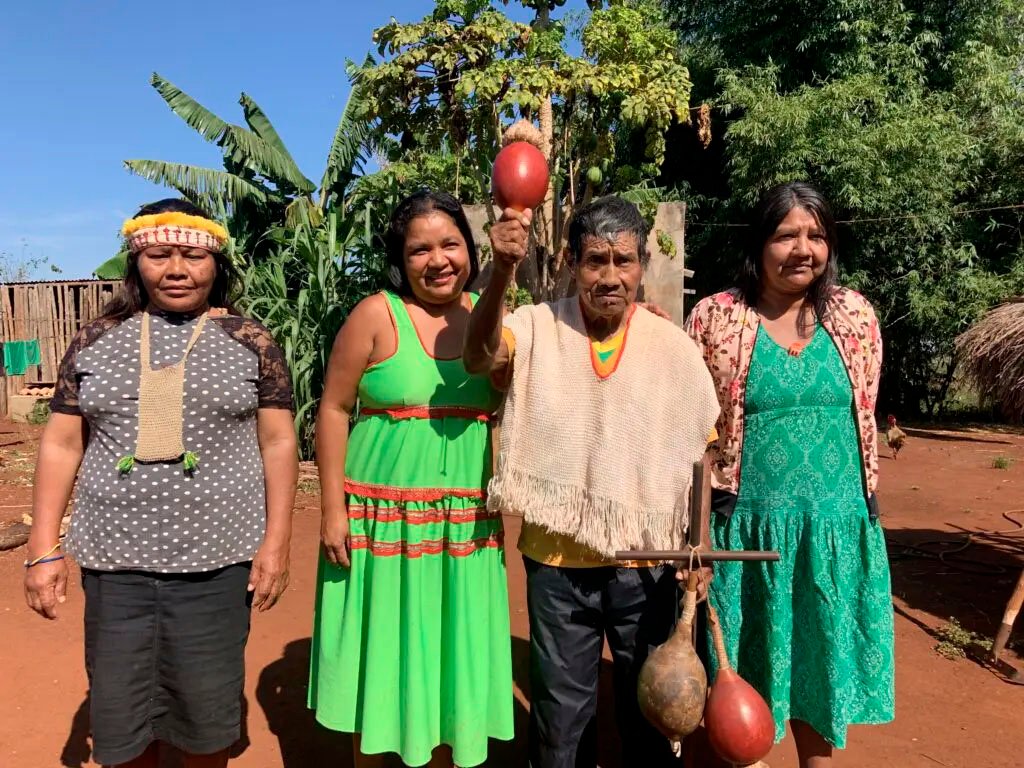
Photos: Roberto Romero
These profound stories of life and struggle don't appear in school history books, but they are present in many indigenous territories. To find out more about Sueli and Maiza's meeting with their father, the film will soon be in circulation and will contribute greatly to understanding what the Military Dictatorship meant for indigenous peoples.
I thank Roberto Romero and Tatiane Klein, who contributed with photos and narratives of this very important moment in the history of the Maxakali and Kaiowá peoples, but also in the history of Brazil.
I also share the link to another documentary made by Isael and Sueli that tells of the violence perpetrated against the Maxakali people during the Military Dictatorship: GRIN-Guarda Rural Indigena (Roney Freitas e Isael Maxakali 2016) – Documentário.
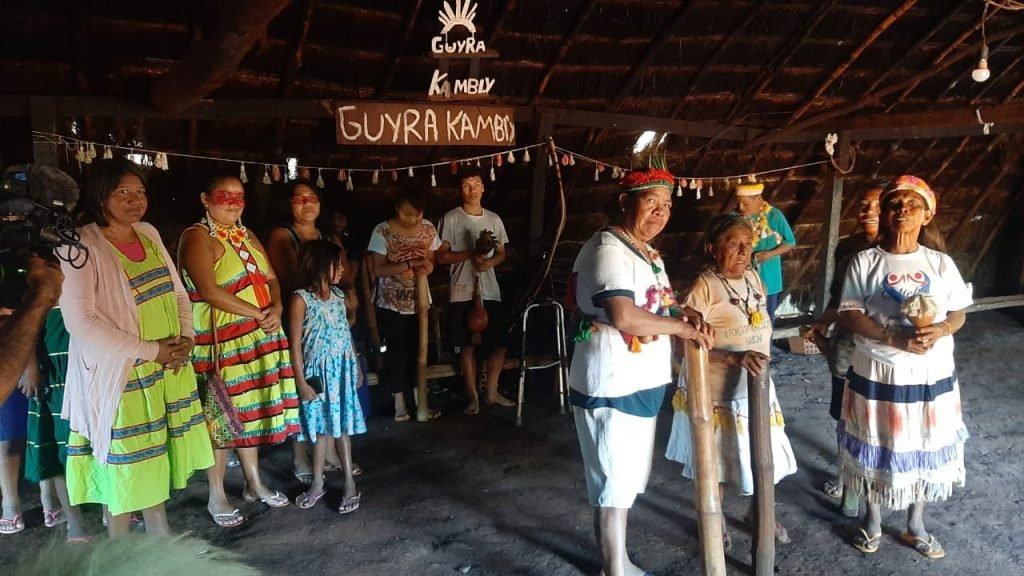
Photo: Alexandre Maxakali