




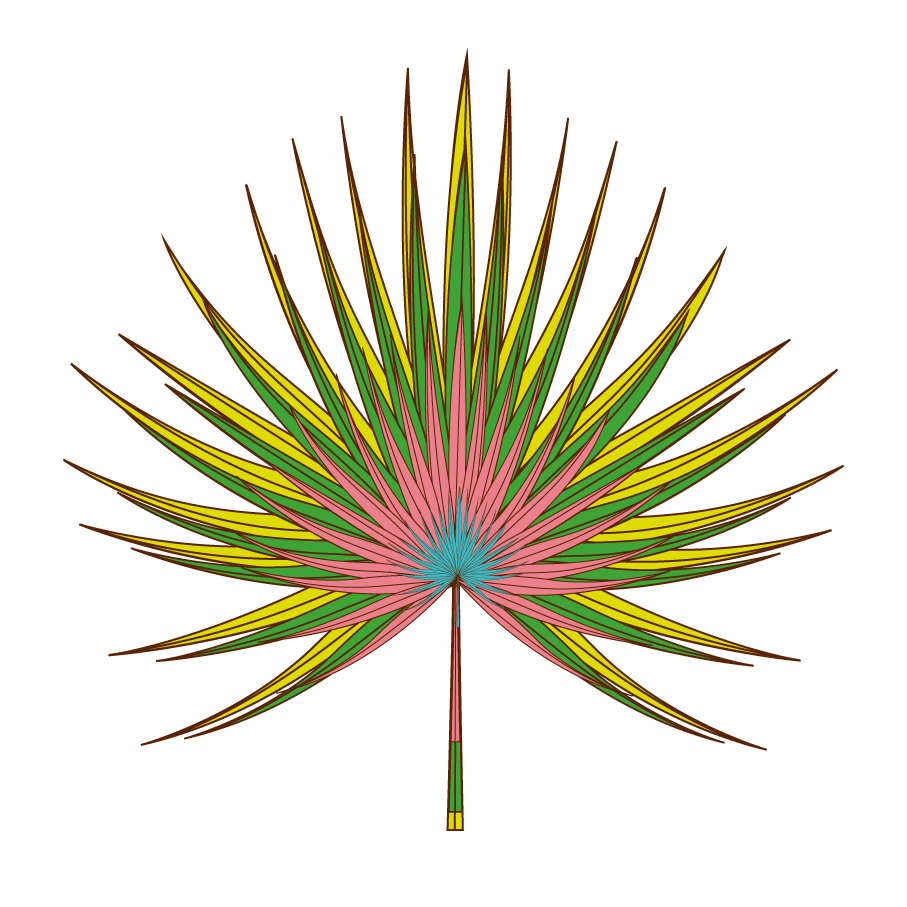
NHE'ËRY – MBAÉ KAÁ CYCLE
In 1884, the botanist and researcher João Barbosa Rodrigues (1842-1909) – who became director of the Botanical Garden of Rio de Janeiro – lived among the Crichaná indigenous people in the Amazon jungle, studying the indigenous botanical nomenclature: the Mbaé Kaá.
The result of this experience was the subject of Barbosa's presentation at the 3rd Latin American Scientific Congress in 1905. More than 100 years later, Dantes Editora has recovered and published this production, updating it in a new edition, Mbaé Kaá: o que tem na mata. A botânica nomenclatura indígena, one of the first books of the Selvagem collection.
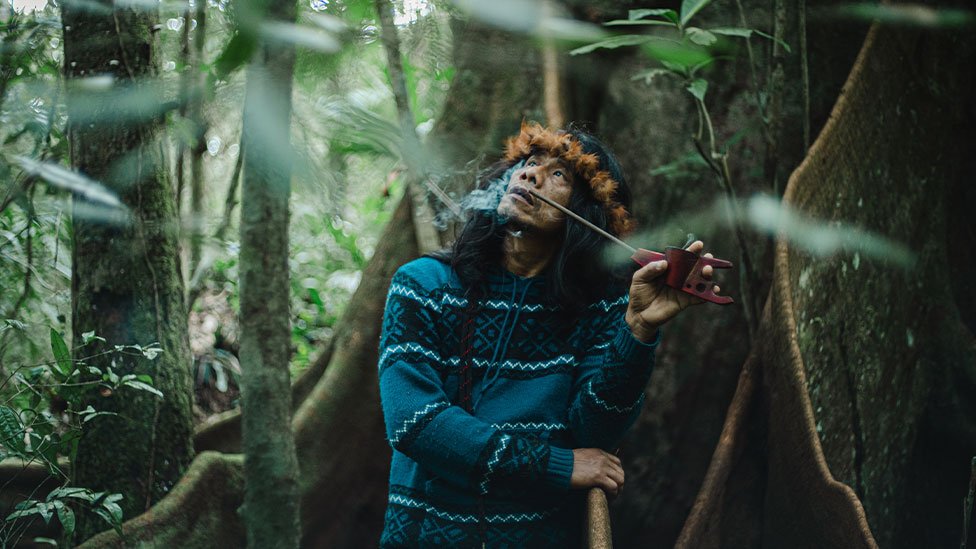
In the dialogues of the Nhë'ery – Mbaé Kaá online cycle, we propose a convergence between this history of botanical thought and research in relation to the forests of Brazilian territory and the Guarani way of thinking, with its cosmology, language and knowledge.
How can modern Western scientific thinking about plants communicate with the knowledge of originary peoples? What can language, words, nomenclature and classification systems tell us about ways of perceiving, understanding and being in the world?
ABOUT THE CYCLE
The cycle consists of 4 online meetings. We also recommend reading the book Mbaé Kaá: o que tem na mata, one of the books in the Selvagem collection and an important source for the creation of this cycle.
The meetings were mediated by Carlos Papá, a leader of the Guarani people and one of the thinkers of the Selvagem constellation.
Guests: Ailton Krenak, Fabio Scarano, Cristine Takuá, Saulo Kuaray, Antônio Wera Kwaray and Anderson Santos
BOOK

Mbaé Kaá, what's in the woods. The botanical indigenous nomenclature
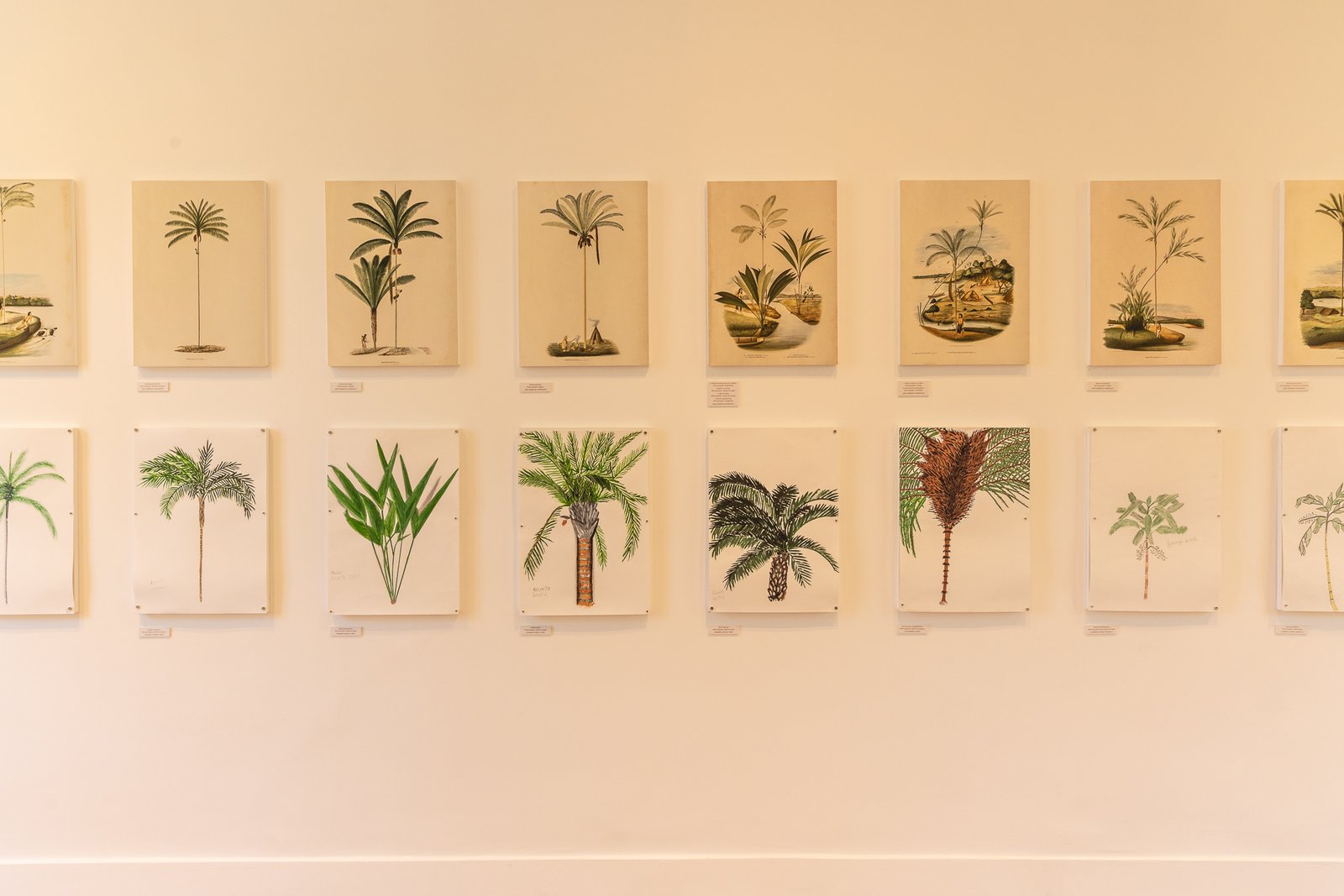
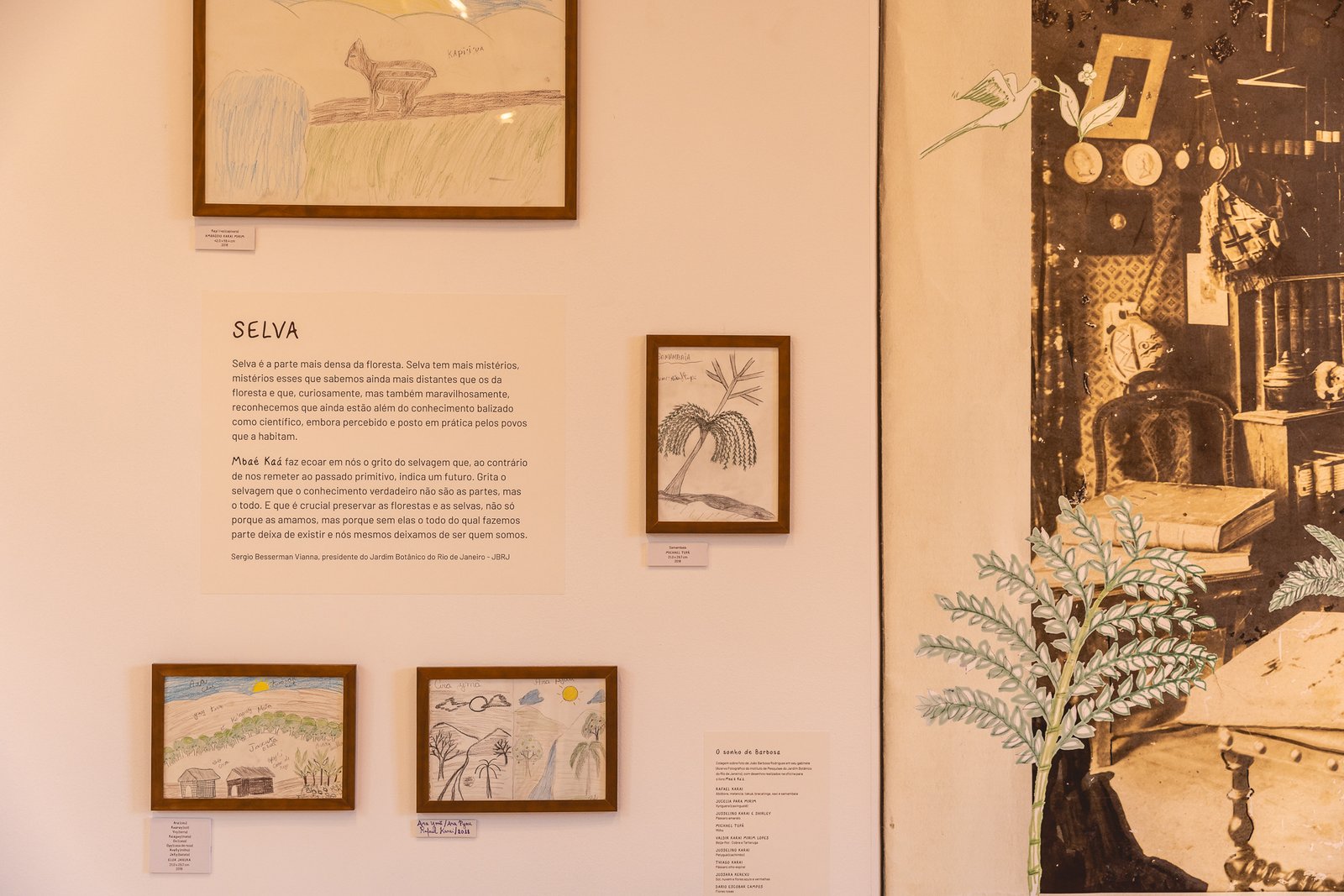
Speaker of ancient Tupi, Nheengatu, and Guarani, João Barbosa Rodrigues published Mbaé Kaá, Tapyiyetá Enoyndaua in 1905. This work is a powerful defence of Indigenous knowledge in the face of the scientific community. Even within the vocabulary of its time and the perspectives of the early 20th century, it is a fundamental book that supports the recognition of Indigenous wisdom in Brazil and around the world. The Dantes publishing house sought to update this memory and extend it to the present day, centring it on Jaraguá, an urban village of the Guarani people in the heart of the city of São Paulo. The new edition of the book was illustrated by Guarani children, youth, and adults during a workshop in September 2018 at the Pyau village. New notes were also developed for this edition. The presentation is by Sergio Besserman, with an introduction by Fabio Rubio Scarano.
PROGRAMME


MBA’É KA’Á EXHIBITION
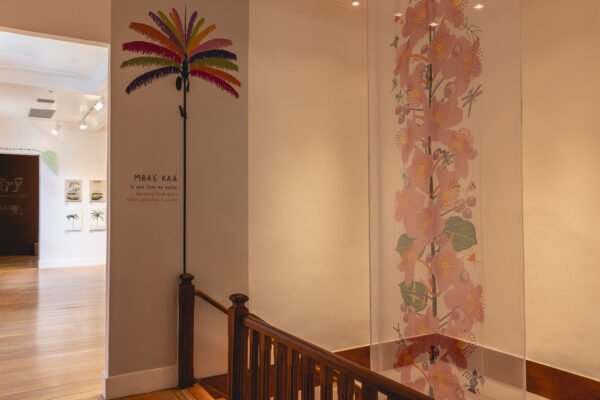
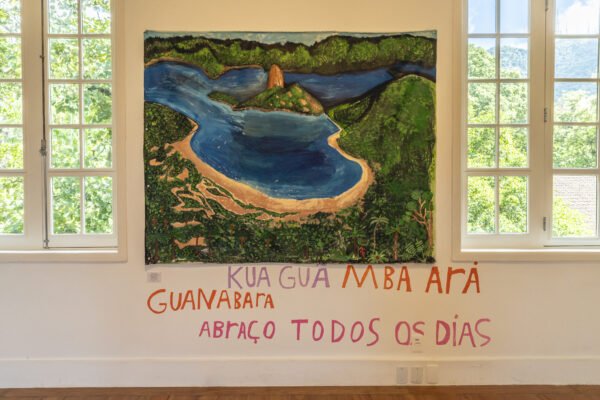
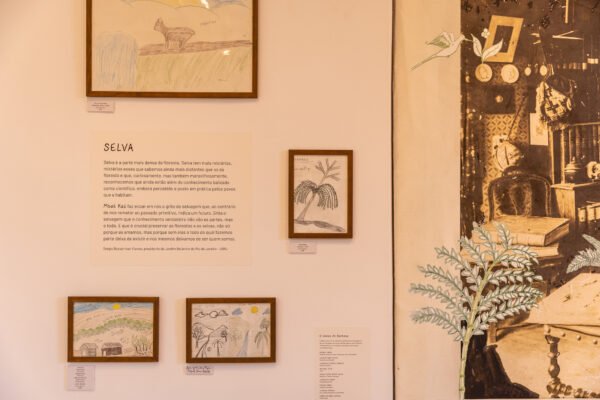
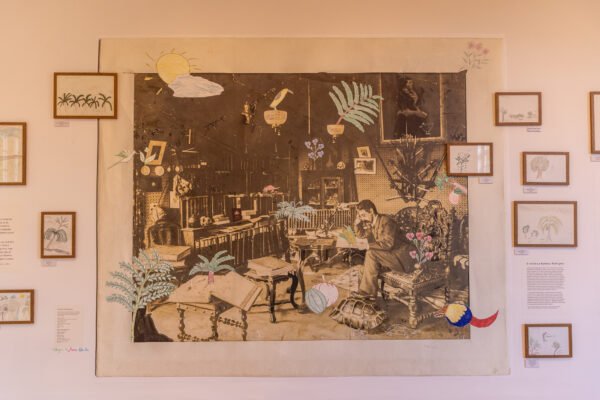
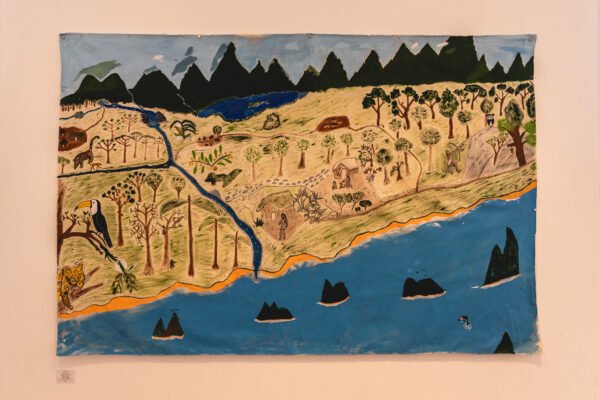
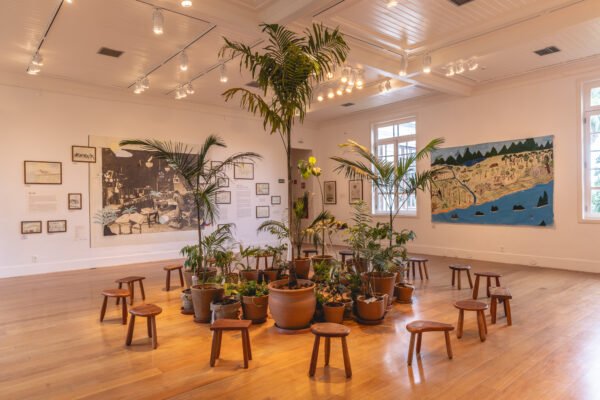
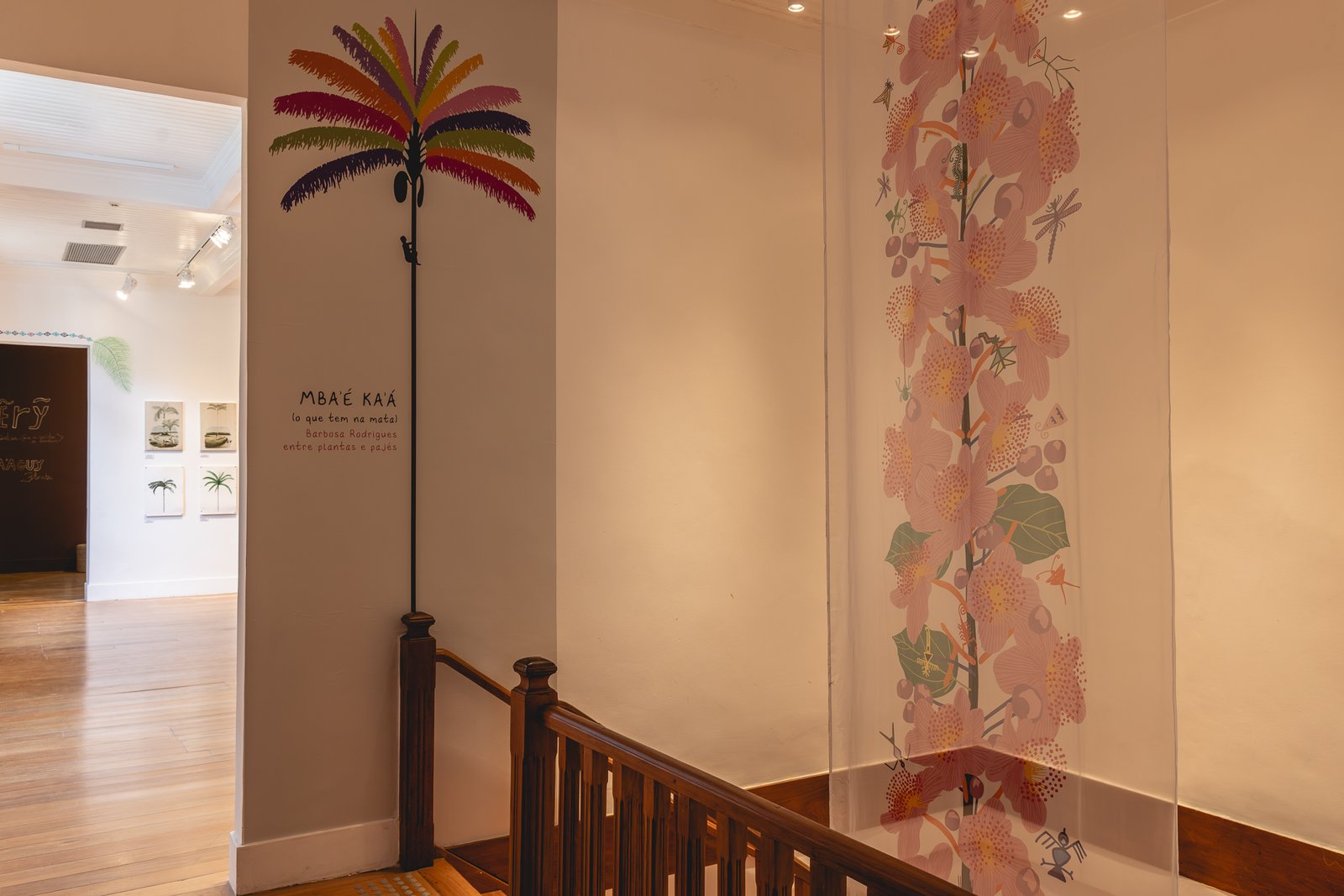
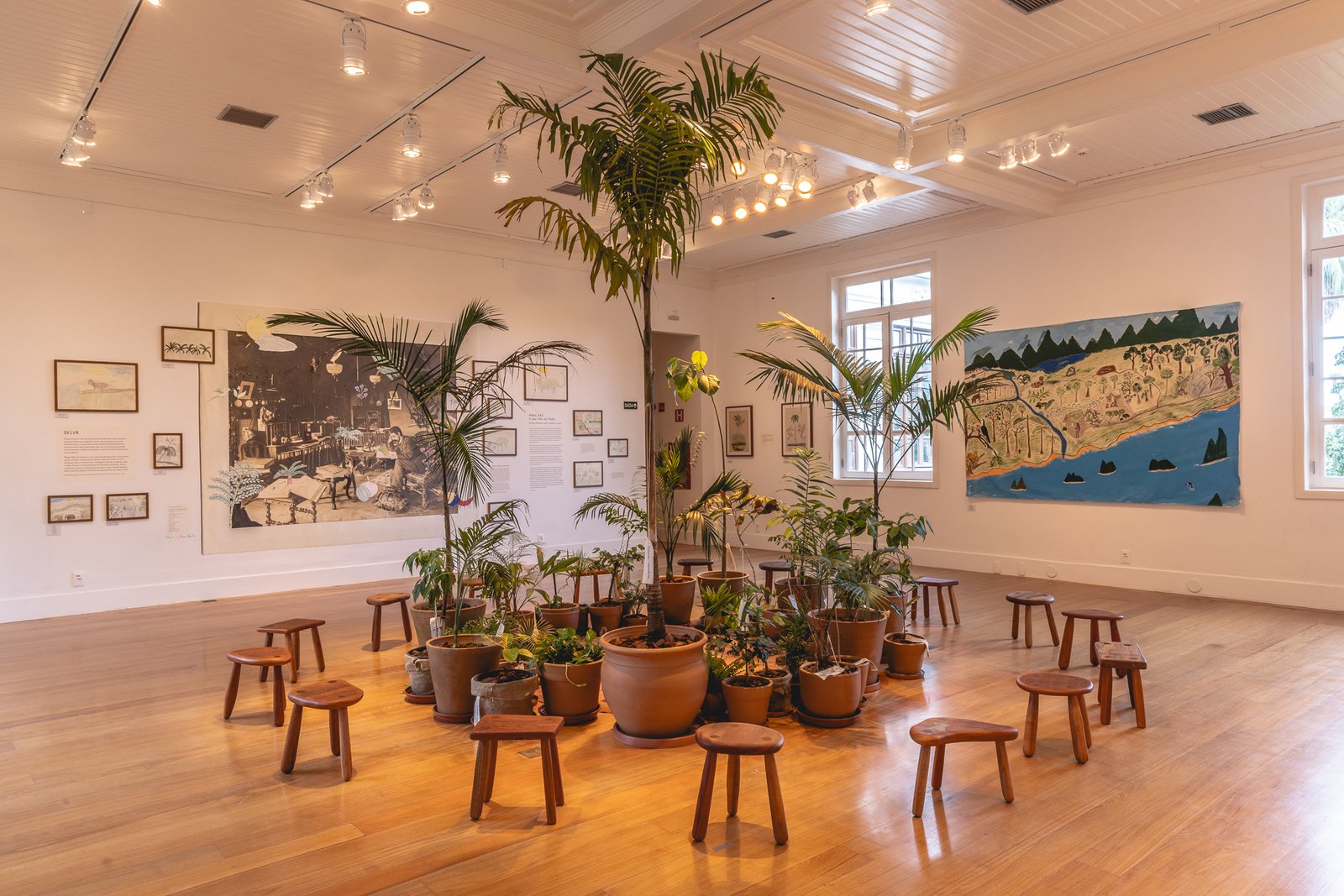
On 8 March 2024, the exhibition Mba’é Ka’á (What is in the Forest) – Barbosa Rodrigues among Plants and Shamans was inaugurated alongside the new Botanic Garden Museum.
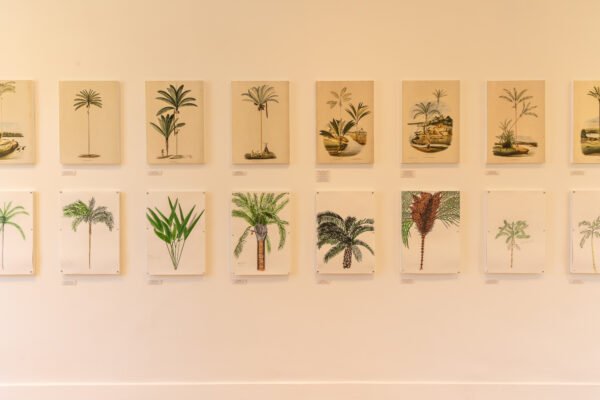
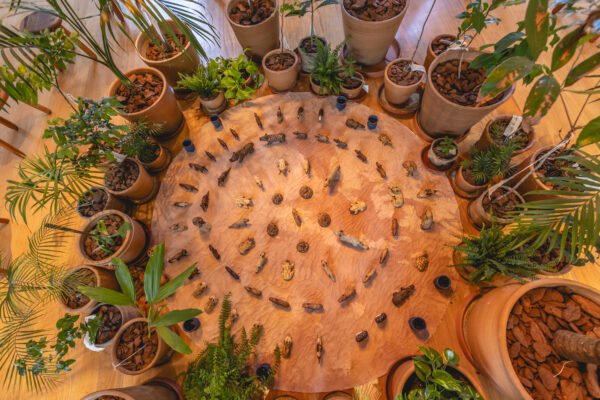
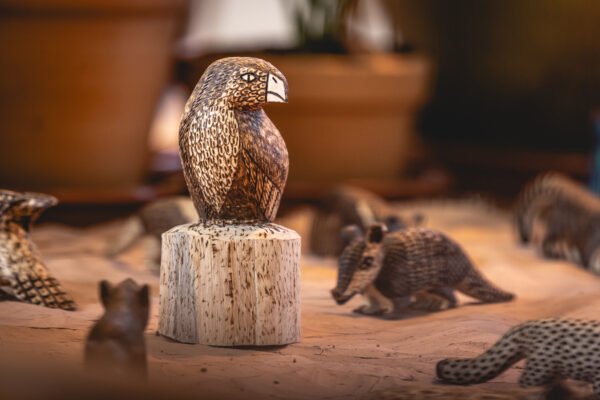
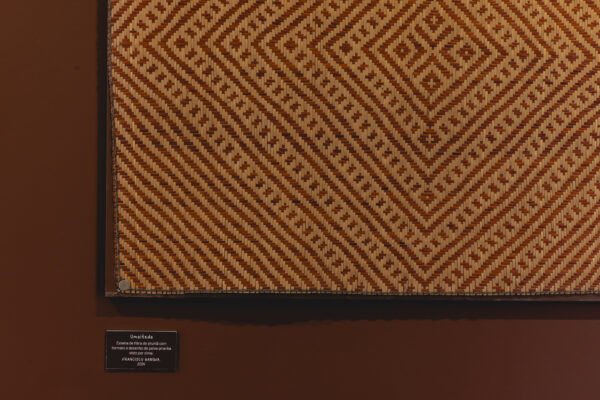
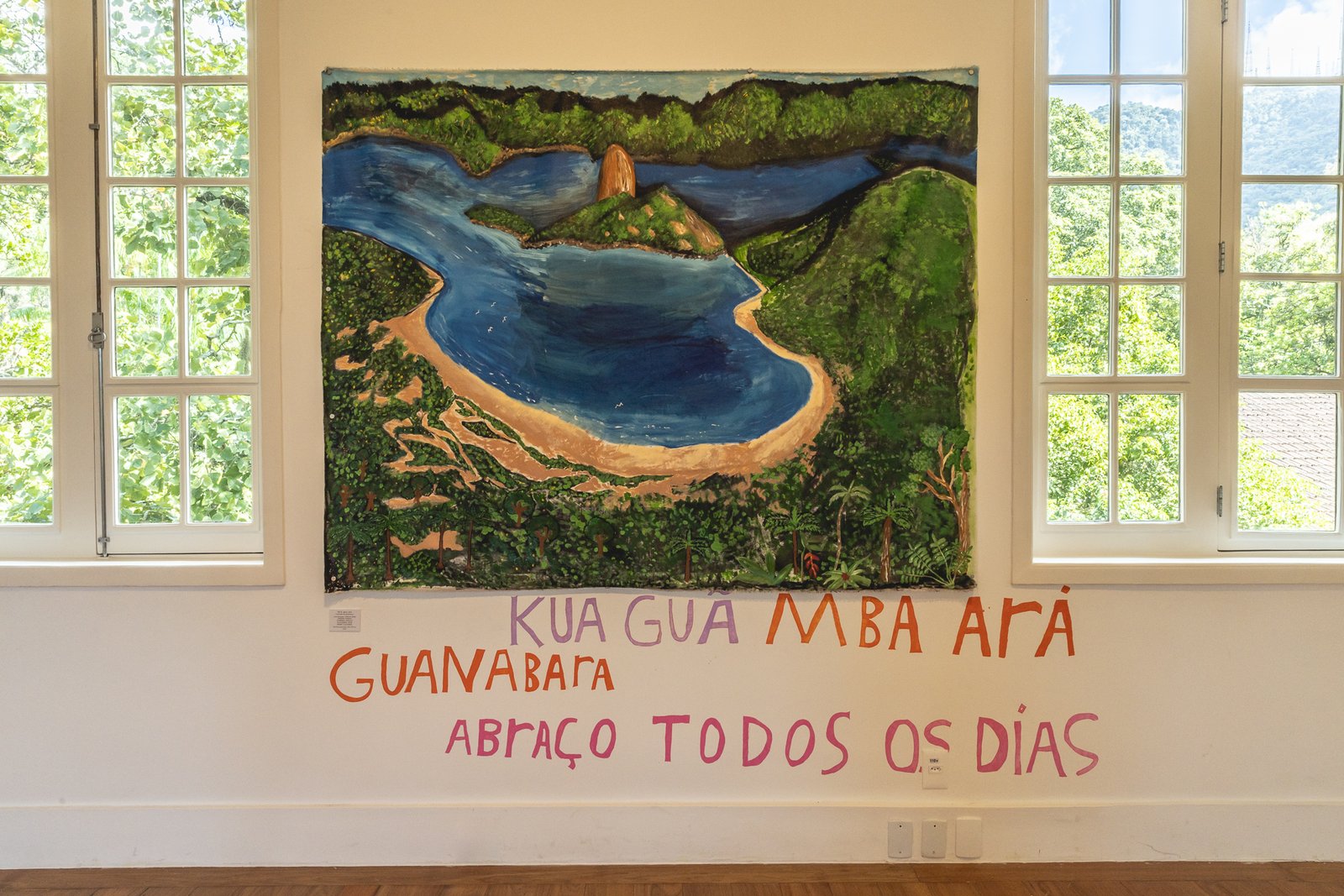
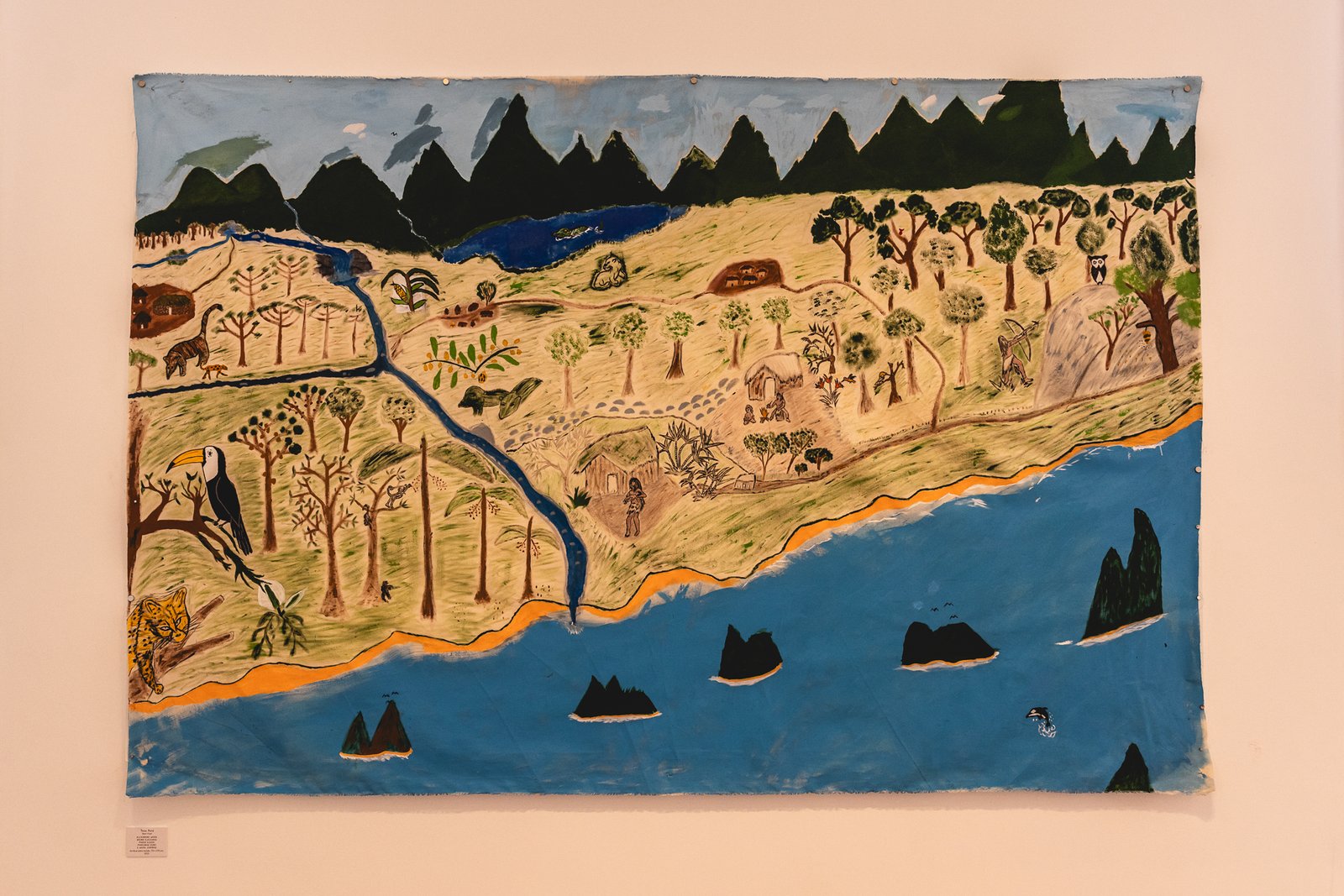
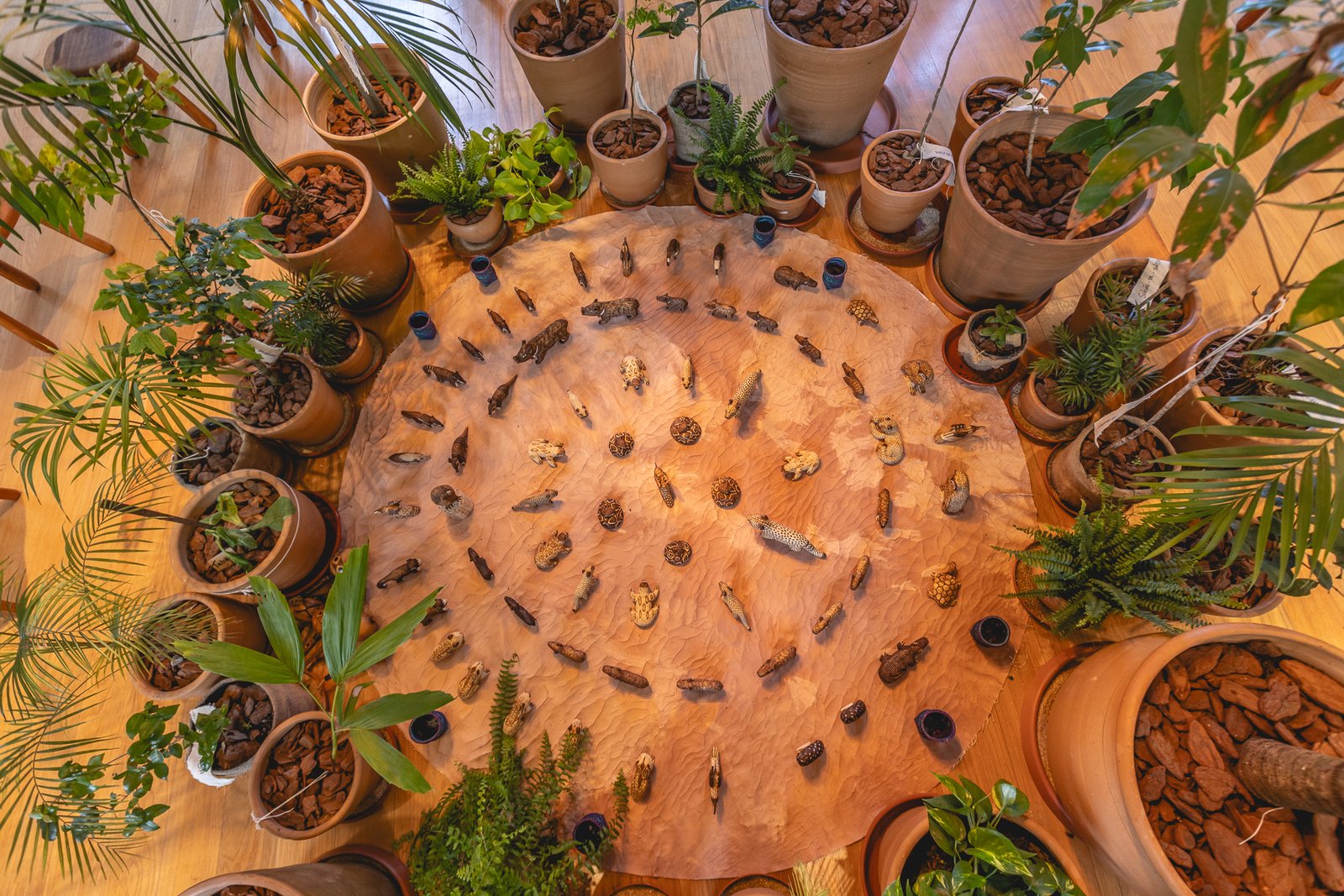
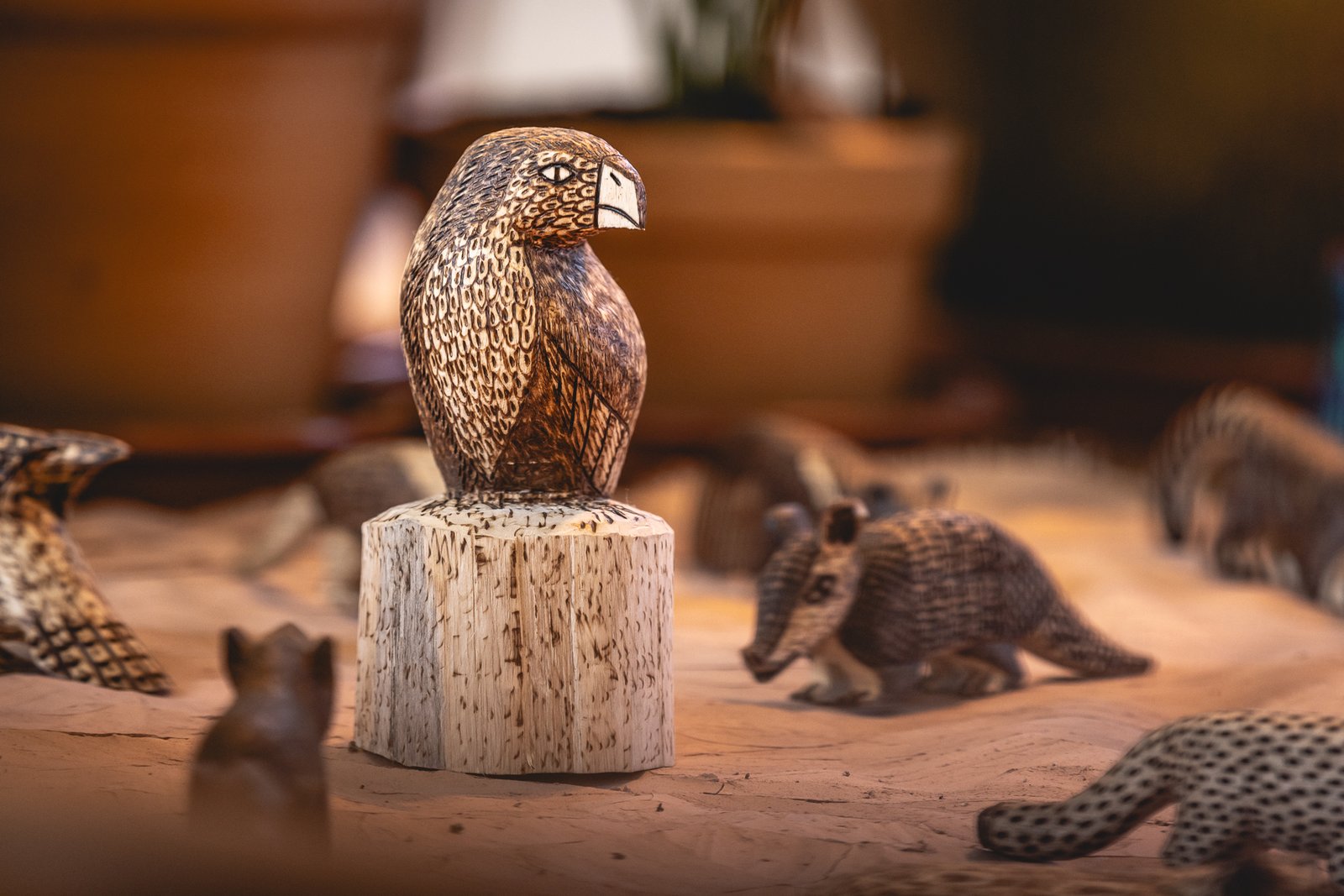
With narratives linked to Selvagem’s studies, the exhibition presented paintings, woven objects, wooden animals, and other artistic expressions from the Guarani and Baniwa peoples, engaging in dialogue with the work of Brazilian botanist and researcher João Barbosa Rodrigues.
The exhibition also featured, for the second time, the Jardim Viva Viva Escola Viva [Long Live the Living School Garden], a space for learning and celebrating the diversity of life and well-being. The first installation of the garden took place during the exhibition Viva Viva Escola Viva Exhibition, held from December 2023 to January 2024 at Casa França-Brasil.
Barbosa Rodrigues (1842-1909) was a significant figure in botany in Brazil and the world. Through his travels and field research, he compiled studies, writings, and illustrations of numerous plant species—such as Brazilian palms, to which he dedicated years of attention, culminating in the publication of his work Sertum palmarum brasiliensium, a reference in botany worldwide.
During his travels in Brazil, Barbosa Rodrigues recognized the vast botanical knowledge of Indigenous peoples, which was also reflected in their botanical nomenclature: the names they assigned to plants provided insights into their characteristics and potential uses, among other elements. This research was revived in 2018 and published by Dantes Editora as part of Selvagem’s studies in the book Mba’é Ka’á: o que tem na mata – a botânica nomenclatura indígena.
Years later, this reconnection took place in the form of the exhibition Mba’é Ka’á, celebrating the integration of knowledge, artistic expressions, and ways of relating to the forest.
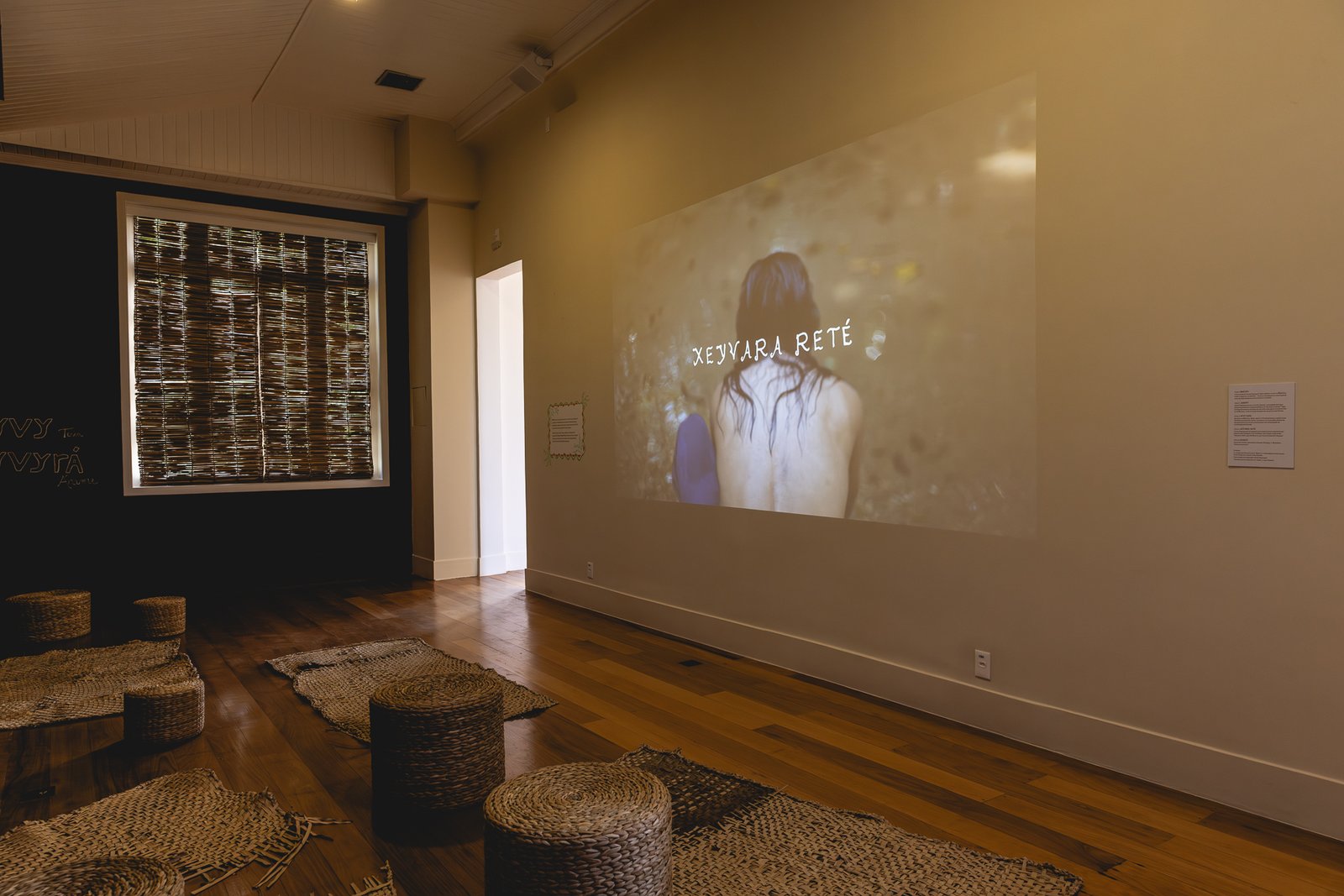
PLAYLIST
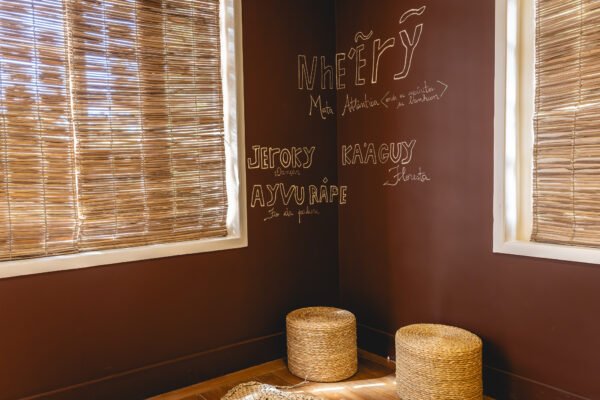
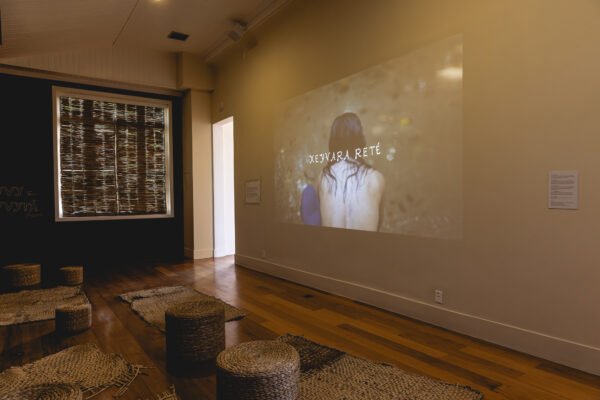
Synopsis: We share some videos we created to gently bring us closer to the charms of the forest and the Guarani language. These are small “lessons” in Guarani with Portuguese translation, designed by Selvagem to connect the audience with the wonders of the forest and the Guarani language, featuring contributions from Anna Dantes, Carlos Papá, Cris Takuá, and Elisa Mendes.


CREDITS
Curatorship:
Anna Dantes
Research, content, and archival usage rights:
Selvagem, a cycle of studies on life
Coordination of the painting workshops on palms and the canvases about Nhe’ëry:
Carlos Papá, Escola Viva Guarani – Terra Indígena Rio Silveira, São Paulo
Collaboration:
Cristine Takuá, Living Schools, Dantes Editora, and Botanic Garden of Rio de Janeiro
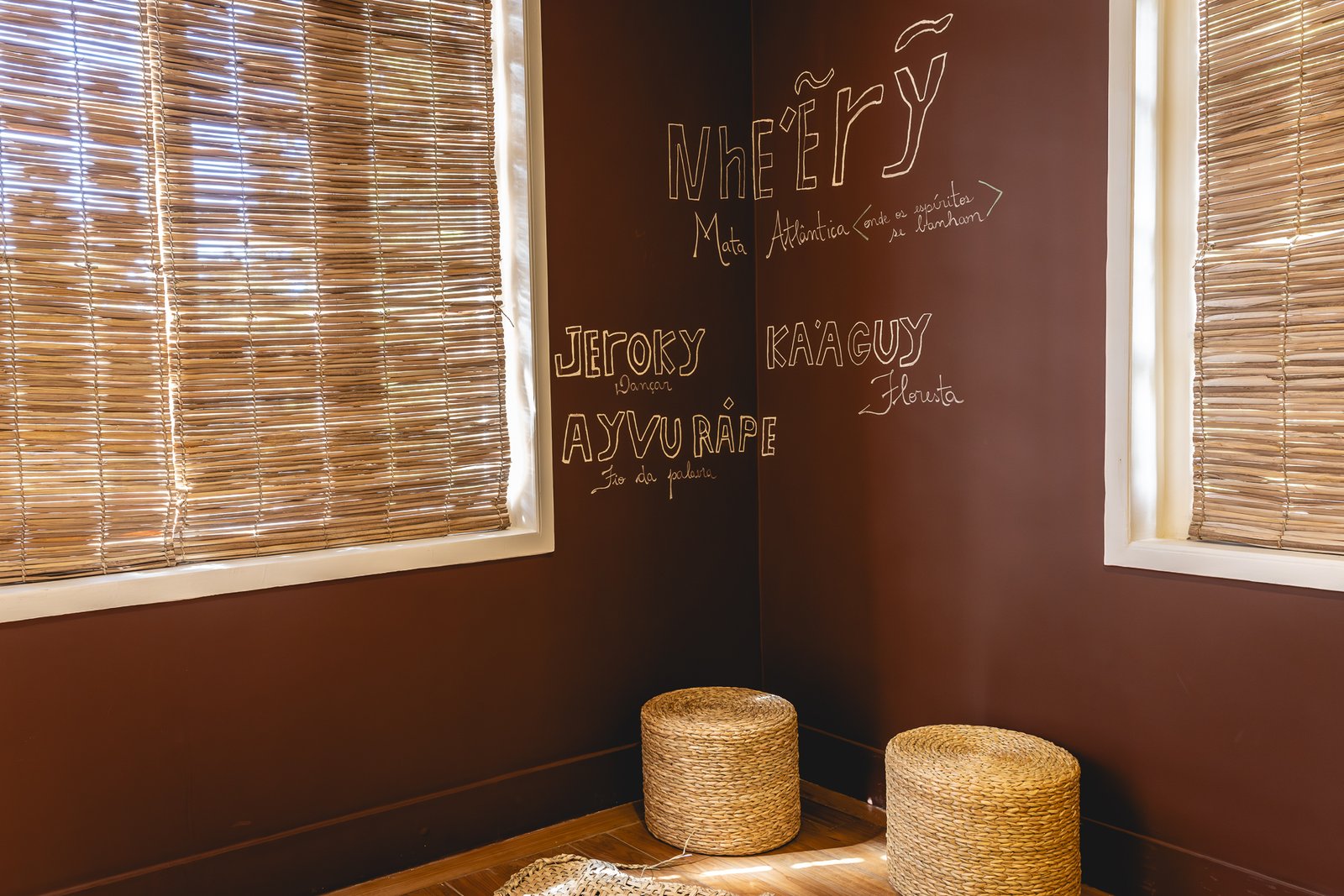
Drawings and words on the walls:
Cristine Takuá, Carlos Papá, Kauê e Djeguaká
Installation:
Camuflagem
Graphic Design:
Disarme Grafico
Lighting:
Acenda Iluminação | Diana Joels e Paula Carnelós
Graphic Production:
Base Comunicação Visual | Rodrigo Pinilla
Production:
IDG – Instituto de Desenvolvimento e Gestão
CREDITS FOR LONG LIVE THE LIVING SCHOOL GARDEN
Circle of small creatures, ajakás, maracás, plants, and benches
Installation:
Cristine Takuá
"8 small ajakás (baskets)"
Letícia Macena
Dyed taquara straw, 8 x 6.5 cm, 2023
“66 small creatures”
Thiago Wera Benites
Wood, various sizes, 2023
“5 maracás”
Karai Mirim
Gourd, seeds and wood, various sizes, 2023
Plants
The plants live in the Botanical Garden of Rio de Janeiro, under the care of the Thematic Collection of Medicinal Plants and the Living Collection [Coleção Viva].
Benches:
17 small benches
Arte de Obra atelier